泸州老窖国窖1573

Search documents
春晚白酒品牌三十年浮沉:从'标王'争霸到'四强'鼎立,行业营销迈入高质量新阶段
Jing Ji Guan Cha Bao· 2026-02-17 06:48
Group 1 - The article discusses the evolution of the Chinese liquor industry as reflected through the partnerships with the Spring Festival Gala, highlighting three distinct phases: rapid expansion, recovery, and consolidation [1][2] - From the 1990s to 2012, liquor brands aggressively competed for prime advertising spots, with notable brands like Langjiu and Moutai establishing strong presences [1] - The period from 2016 to 2019 saw a resurgence of liquor brands returning to the Gala through special partnerships, with Guqingongjiu becoming a representative brand during this phase [1] Group 2 - Since 2020, the industry has entered a phase of solidified leadership, with top brands like Yanghe and Wuliangye forming a stable partnership structure, reducing the number of participating brands significantly [2] - The 2026 Spring Festival Gala will feature a reduced lineup of four leading brands, marking a new low in brand participation over the past six years, indicating a shift towards high-quality development rather than industry decline [2] - The evolution from competitive bidding to a focus on a few leading brands reflects a broader transformation in the liquor industry towards brand-driven strategies and rational marketing approaches [2]





价格回调,正在击穿白酒行业三大核心防线
Sou Hu Cai Jing· 2026-02-02 06:57
Core Viewpoint - The Chinese liquor industry is entering a period of price correction, marking the end of a decade-long growth driven by price increases, which may lead to a prolonged cycle of volume and price contraction that will reshape the industry landscape [1] Group 1: Historical Context - The core growth logic of the liquor industry over the past two decades has been driven by continuous price increases rather than substantial consumer demand expansion, creating a cycle of "price increase - value addition - stockpiling - further price increase" [2] - The industry has seen rapid growth from 50 billion to 800 billion, primarily fueled by price hikes, with high-end liquor prices rising from around 200 yuan in 2000 to 2000 yuan [2][4] Group 2: Price Correction Impact - The recent price correction has reduced the core price of high-end liquor from 2000 yuan to 1000 yuan, indicating a significant disruption to the existing industry ecosystem [5] - 60% of liquor companies were reported to be in a price inversion situation by 2025, with the 800-1500 yuan price range being the most severely affected [6] - The average inventory turnover days for the liquor industry was approximately 80-100 days by the end of 2025, with some small and medium enterprises facing over 180 days [6] Group 3: Consumer Demand Changes - The share of stockpiling demand in high-end liquor consumption was 35%, heavily reliant on price increase expectations, which have now been disrupted by the price cuts [7] - The core consumer group aged 40-60 is experiencing a rapid decline in consumption capacity, with the average consumption of the 70s generation dropping from 8.3 liters in 2019 to 5.7 liters in 2024 [9] - 78% of Generation Z reject traditional liquor culture, and 62% find high-alcohol liquor unpalatable, indicating a shift in demand structure [9] Group 4: Industry Ecosystem Imbalance - The price system in the liquor industry is highly transmissive, with price adjustments by leading companies triggering a chain reaction across the industry [10] - If the core products of leading companies lose their price anchor, it could lead to a collapse of the entire industry price system [10] - The reliance on high prices for capacity expansion and brand investment will become unsustainable, leading to potential losses and shutdowns for smaller companies [10] Group 5: Future Outlook - The liquor industry is likely to enter a prolonged period of volume and price contraction in 2026, with a projected sales decline of 5-8% [12][14] - The price correction will accelerate industry reshuffling, resulting in a differentiated market structure where leading companies face pressure, mid-tier companies collapse, and small companies exit [15] - The price correction is not merely a cyclical fluctuation but a necessary adjustment to the past two decades' price-driven growth model, pushing the industry back to its consumption essence [15][17]

食品饮料行业周报(20260126-20260201):春节旺季临近,茅台量价均超预期
Huachuang Securities· 2026-02-02 04:30
Investment Rating - The report maintains a "Recommendation" rating for the food and beverage industry, anticipating that the industry index will outperform the benchmark index by over 5% in the next 3-6 months [21]. Core Insights - The upcoming Spring Festival is expected to drive demand, with Moutai's sales volume and price exceeding expectations. The i Moutai reform is effectively expanding consumer reach and driving demand through both online and offline channels [4][5]. - The report highlights a significant increase in Moutai's sales and price, with the price of the flying Moutai reaching 1,600 yuan, indicating strong market demand and potential supply shortages [4]. - The performance of high-value products is also noted, with inventory levels low and demand for premium and aged wines showing positive growth [4]. - The report emphasizes the importance of monitoring the sales performance of Moutai and other leading brands during the Spring Festival, as they are expected to benefit significantly from seasonal demand [5]. Summary by Sections Industry Basic Data - The food and beverage industry consists of 126 listed companies with a total market capitalization of 440.13 billion yuan and a circulating market capitalization of 429.61 billion yuan [1]. Relative Index Performance - The absolute performance of the industry over the past month is -0.3%, -3.5% over six months, and 0.1% over twelve months. The relative performance shows a decline of -1.5% over one month, -16.9% over six months, and -23.2% over twelve months [2]. Sales and Inventory Tracking - Moutai's repayment and shipment rates are reported at over 30%, with significant sales growth observed in various regions. Other brands like Wuliangye and Luzhou Laojiao are experiencing mixed performance, with some regions reporting stable sales while others face declines [6].
上线仅3天,“i茅台”抢飞天限购数量减半至6瓶!消费者“天天蹲点,还是抢不到”,有酒商称“线下价格也降了,但并不好卖”
Xin Lang Cai Jing· 2026-01-04 13:37
Core Viewpoint - The "iMoutai" app has reduced the daily purchase limit of the 500ml Flying Moutai to 6 bottles per person, down from 12, due to overwhelming demand, indicating a strong market interest and potential supply constraints [1][3][9]. Group 1: Purchase Limit Changes - As of January 4, the maximum purchase limit for the 2026 vintage Flying Moutai on the "iMoutai" app has been halved from 12 bottles to 6 bottles per day [1][3][17]. - The app was launched on January 1, and within three days, it sold out completely, with over 100,000 users successfully purchasing Moutai products [1][9][22]. Group 2: Market Dynamics - The price of the 500ml Flying Moutai is set at ¥1499, and the app's direct sales model is seen as a significant move towards market-oriented transformation for Moutai [5][25]. - The reduction in purchase limits aims to address consumer complaints about availability and to prevent bulk buying by resellers, indicating a shift towards making the product more accessible [12][14][22]. - Industry experts suggest that the purchase limit may be further reduced in the future to meet consumer demand for personal use [12][22]. Group 3: Price Impact on the Market - The introduction of the "iMoutai" app has led to a decrease in the wholesale price of Flying Moutai, with prices dropping below ¥1499 per bottle on various platforms [14][27]. - The return of Flying Moutai to a price point of ¥1499 is expected to impact other premium liquor brands, as it may shift consumer preferences and alter competitive dynamics in the high-end liquor market [14][25][27]. - The app is positioned as a key tool for Moutai to regulate market prices and maintain product integrity, transforming Moutai from a luxury investment item back into a frequently consumed product [12][25][27].
2025茅五泸掀价格保卫战,经销商收缩求生
3 6 Ke· 2025-12-30 10:30
Core Viewpoint - The Chinese liquor industry is undergoing a significant adjustment, with high-end liquor prices declining and companies shifting their strategies to stabilize prices and adapt to changing consumer behaviors [4][10][11]. Group 1: Market Dynamics - The demand for high-end liquor has decreased, with a shift from traditional gifting consumption to more personal consumption, leading to a reduction in sales of premium products [5][6]. - The price of 53-degree 500ml Flying Moutai has fluctuated significantly, dropping to around 1495 yuan per bottle, prompting the company to implement quantity control measures to stabilize market expectations [3][8]. - The overall liquor market is experiencing a price decline, with major brands like Wuliangye and Fenjiu also seeing price reductions compared to the previous year [9][10]. Group 2: Financial Performance - In the first three quarters of the year, the liquor sector's 19 listed companies reported a total revenue of 317.74 billion yuan, a year-on-year decrease of 5.85%, and a net profit of 122.68 billion yuan, down 6.90% [14]. - The average return on equity (ROE) for the sector fell to 19.77%, a decrease of 2.84 percentage points from the previous year, indicating pressure on profitability [14]. - The stock performance of the liquor sector has been weak, with a cumulative decline of 13.76% for the liquor index in 2025, resulting in a market capitalization reduction of approximately 404 billion yuan [14][15]. Group 3: Strategic Adjustments - Companies are focusing on reducing burdens on distributors and shifting marketing strategies to be more consumer-centric, moving away from traditional distribution methods [17][18]. - Major liquor companies are streamlining their distribution channels, with a net reduction of 1,701 distributors among 20 listed companies in the first half of 2025 [18]. - The concept of a "shared destiny" between manufacturers and distributors is being emphasized, with calls for shared pricing power and responsibilities to ensure sustainable partnerships [18].

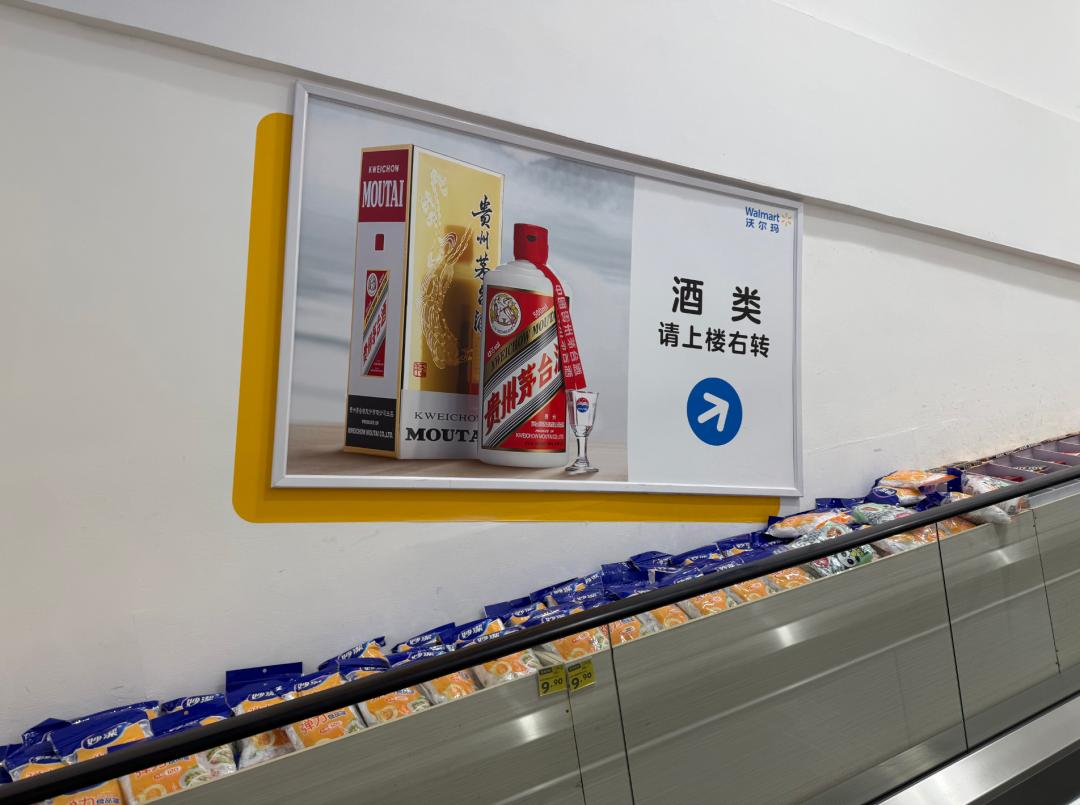
飞天茅台,批发价回升!
Zhong Guo Zheng Quan Bao· 2025-12-14 09:39
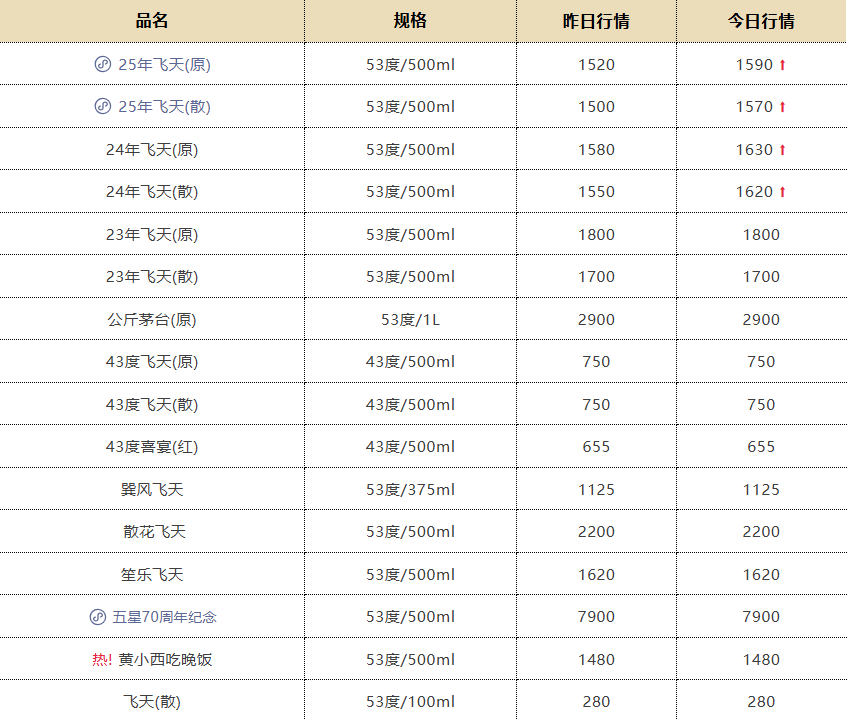
Core Viewpoint - The high-end liquor market, led by Moutai and Wuliangye, is experiencing a price correction, with Moutai's prices rebounding after previously falling below the official guidance price, indicating a shift in the industry's focus towards channel health and genuine consumer demand [1][2][4]. Price Trends - On December 14, 2025, the wholesale price of 53-degree 500ml Moutai rose to 1590 RMB per bottle, an increase of 70 RMB from the previous day, while the price had previously dropped to 1495 RMB per bottle on December 12, falling below the official guidance price of 1499 RMB [1][2]. - The price of Moutai has shown a consistent downward trend throughout the second half of the year, dropping below 2000 RMB in June, 1800 RMB in August, and 1700 RMB by the end of October [4]. Industry Challenges - The liquor industry is undergoing a deep adjustment, with a need to balance channel inventory and consumer demand, leading to a shift from maintaining price benchmarks to ensuring healthy operations for distributors [1][5]. - Other major liquor brands are also facing pressure, with prices for core products declining compared to the beginning of the year, indicating a broader industry trend [5]. Strategic Responses - Moutai has implemented a volume control policy to alleviate pressure on distributors, including a temporary halt on product distribution until January 1, 2026, to prevent forced selling during a financially tight period for distributors [4][6]. - The new chairman of Moutai emphasized a balanced approach between short-term and long-term strategies, focusing on digital transformation and channel integration to adapt to the current market conditions [6]. Market Dynamics - The focus of competition is shifting from price maintenance to value realization and channel health, with industry leaders recognizing the need to clear speculative bubbles and return to rational consumption [7]. - The restructuring of the pricing system is seen as a necessary process for the industry to recover from speculative pressures, with the potential for stronger brands to optimize their internal structures during this period [7].
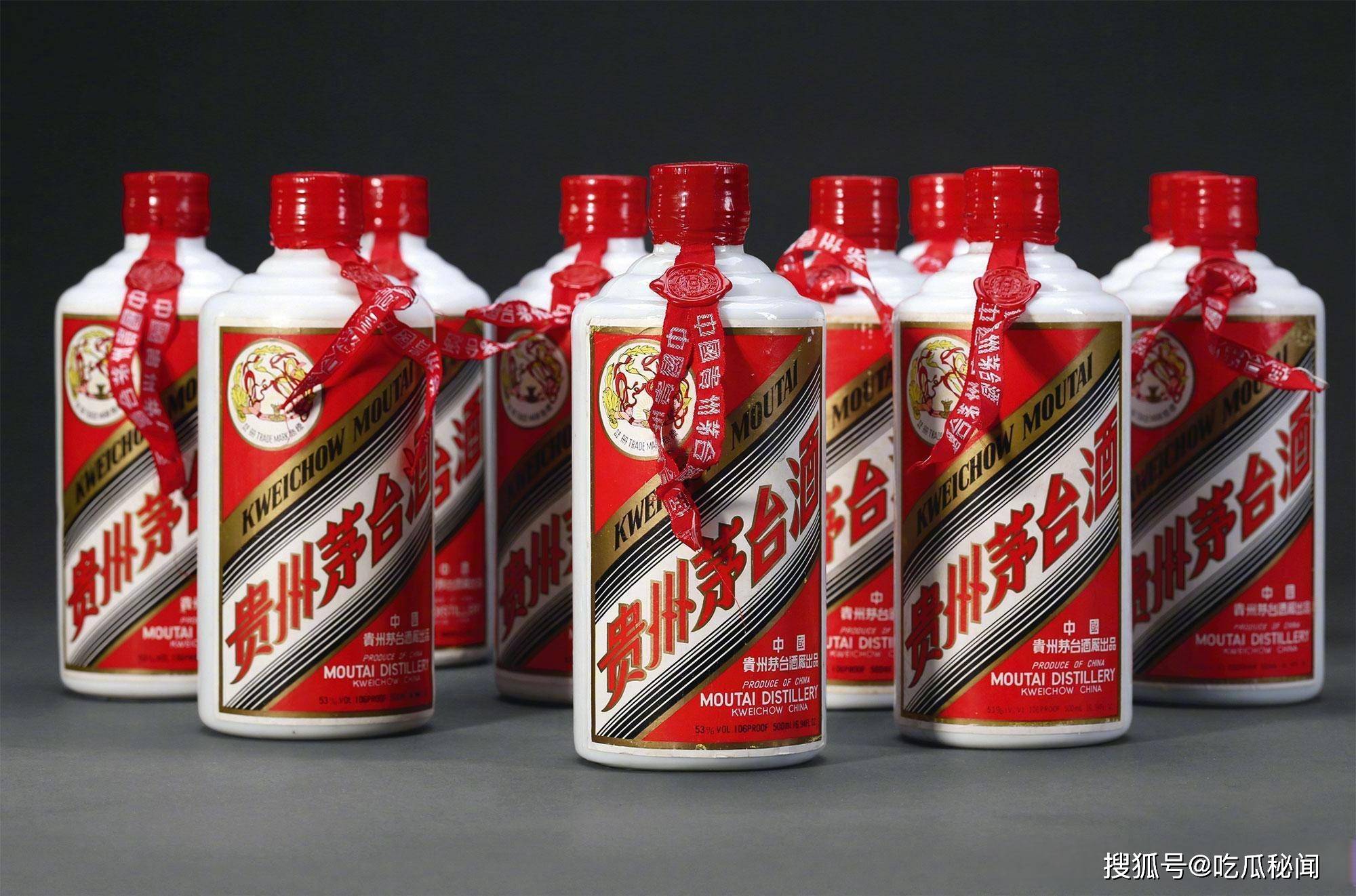
茅台价格跌破1499元,昔日“液体黄金”为何突然不香了?
Sou Hu Cai Jing· 2025-12-12 14:00
Core Viewpoint - The price of Moutai, once considered "liquid gold," has fallen below the official guidance price of 1499 yuan, marking a significant shift in the Chinese consumer market and reflecting deeper changes in the industry [1][4]. Price Decline - Moutai's wholesale price for 53-degree 500ml bottles dropped to 1485 yuan, with box prices at 1495 yuan, both breaking the long-held 1499 yuan threshold [1]. - Compared to the peak price of over 2200 yuan at the beginning of 2025, the decline exceeds 30%, with some e-commerce platforms offering promotional prices as low as 1399 yuan [1][3]. Market Dynamics - The price drop is a result of a prolonged decline, starting with the first breach of the 2000 yuan psychological barrier in June 2025, followed by continuous decreases throughout the year [3]. - Retail prices in offline stores have decreased from over 2000 yuan to around 1580 yuan, allowing consumers to purchase Moutai at more accessible prices [4]. Supply and Demand Factors - The reversal in supply-demand dynamics is the fundamental reason for the price drop, with Moutai's production capacity expected to reach 48,000 tons in 2025 and social inventory estimated between 120 million to 220 million bottles [6]. - Demand has weakened significantly, with government consumption dropping to 0.8% and business banquet demand reduced by 30%, while younger consumers show less interest in high-proof liquor [6]. Channel Changes - The transformation of distribution channels has disrupted the traditional pricing system, with direct sales from Moutai increasing from 13.5% in 2020 to 46.8% [6]. - E-commerce platforms are using Moutai as a "traffic tool," leading to a vicious cycle of price cuts and inventory issues [6]. Financial Implications - The financial appeal of Moutai has diminished, with annualized returns dropping below 5%, prompting speculative funds to withdraw [6]. - Prices for previously inflated products, such as the "scattered Moutai," have plummeted over 70%, now below 3000 yuan [6]. Industry Impact - The collapse of Moutai's price has triggered a domino effect across the high-end liquor sector, with other brands like Wuliangye and Luzhou Laojiao experiencing significant price drops [9]. - Among 18 listed liquor companies, only Moutai and Shanxi Fenjiu have shown slight growth, while others face substantial declines in revenue and profit [9]. Future Outlook - The decline in Moutai's price signifies the end of an era reliant on government consumption and speculative investment [11]. - Moutai is adapting by introducing smaller packaging and new products aimed at younger consumers, while industry analysts suggest that 2026 may mark a turning point as inventory levels normalize [11].
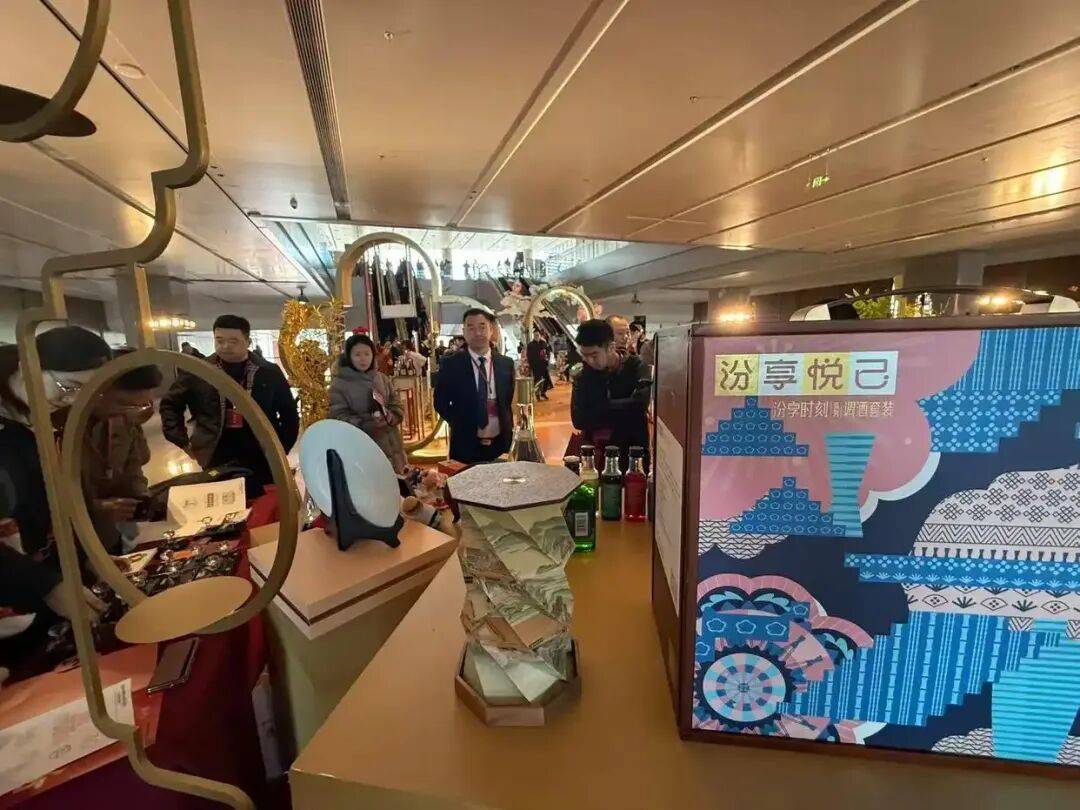
白酒行业泡沫出清,汾酒董事长直言:白酒行业过得不容易
Sou Hu Cai Jing· 2025-12-03 04:36
Core Insights - The Chinese liquor industry is undergoing a significant restructuring and bubble clearing as of late 2025, with prices of premium products like Moutai dropping below official guidance and high inventory levels leading to widespread losses among distributors [1][3][5] Price Collapse and Inventory Issues - The price system in the liquor industry is experiencing a comprehensive loosening, with Moutai's wholesale price falling below 1600 yuan and e-commerce platforms offering prices as low as 1299 yuan, representing a decline of over 50% from its peak in 2021 [3][5] - This "benchmark effect" has spread across the industry, with major brands like Wuliangye and Luzhou Laojiao also seeing significant price drops, leading to over 60% of liquor companies facing price inversions [5][7] - The industry is facing severe inventory issues, with turnover days reaching 900 days and a 300% increase in private inventory circulation, indicating a collapse of speculative buying expectations [5][7] Performance Data - The liquor industry reported its worst quarterly performance in nearly a decade in Q3 2025, with 20 listed companies in A-shares generating a total revenue of 3177.79 billion yuan (down 5.90% year-on-year) and a net profit of 1225.71 billion yuan (down 6.93% year-on-year) [7][9] - Over 80% of companies reported a decline in net profit, with Wuliangye's revenue plummeting by 52% and Yanghe's profit dropping by 158% [7] Changing Consumer Logic - The core issue facing the industry is the failure of traditional growth logic, as government and business consumption models have become ineffective due to strict regulations and economic downturns [9][11] - Younger consumers are increasingly rejecting the traditional liquor culture, leading to a significant decline in white liquor consumption at social events [9][11] - Consumer demand is shifting from a focus on social consumption to a balance of social and personal enjoyment, with new consumption scenarios like casual drinking and home consumption emerging as growth areas [11][12] Strategic Adjustments - Shanxi Fenjiu is one of the few companies maintaining growth, with a revenue increase of 5% in the first three quarters of 2025, attributed to its product advantages and market strategies [15][18] - The company plans to adopt a "dual-line" strategy focusing on traditional markets and expanding into younger and international markets, with new product lines aimed at attracting younger consumers [15][18] Industry Transformation - The liquor industry is transitioning from a focus on investment to a focus on quality, with a projected decline in consumption volume over the next decade [19][20] - Companies are expected to prioritize producing better quality liquor and adapting to changing consumer demands, with a notable increase in the storage of high-quality base liquor [20] - The industry is moving towards a new phase characterized by social drinking, personal enjoyment, and investment collection, necessitating higher standards for product innovation and brand management [19][20]
“上平台有些销量,但我还是主动撤下了!”一位烟酒店老板的自白:赚不到钱,还要和顾客扯皮售后
Mei Ri Jing Ji Xin Wen· 2025-11-24 10:29
Core Viewpoint - The annual "Double 11" shopping festival highlights the contrasting experiences of retailers in the liquor industry, with some embracing instant retail while others, like a store owner named Li Mu, have opted to withdraw due to low profitability despite high sales volumes [1][2][3]. Group 1: Instant Retail Growth - Instant retail in the liquor sector is recognized as a new consumption trend, with significant sales growth reported during promotional events, such as a 612% increase in transaction volume for Moutai during "Double 11" [1][2]. - Major platforms like Meituan and JD.com are experiencing explosive growth in liquor sales, with predictions indicating that the market size for liquor instant retail could exceed 100 billion yuan by 2027 [11][12]. Group 2: Challenges Faced by Retailers - Many liquor retailers are cautious about instant retail, with over 40% reporting cash flow pressures and difficulties due to high inventory and price discrepancies [3][4]. - Retailers like Li Mu have found that despite some sales, the costs associated with instant retail, including platform commissions and customer service issues, have led to minimal profits [4][7]. Group 3: Pricing and Competition - The pricing strategies of instant retail platforms often disrupt traditional pricing structures, leading to conflicts with distributors and retailers who struggle to maintain profitability [15][16]. - Price comparisons show that many premium liquors are sold at lower prices on instant retail platforms compared to official brand stores, creating a challenging environment for traditional retailers [5][6]. Group 4: Consumer Behavior and Market Dynamics - The convenience of instant retail is appealing to younger consumers, with many preferring the quick delivery of liquor for social occasions [9][10]. - The industry is witnessing a shift towards digitalization and the need for brands to adapt to changing consumer preferences, emphasizing the importance of maintaining brand integrity while exploring new sales channels [17][18].

解读白酒“最差三季报”:至暗时刻的破与立(二)| 逆势增长4.54%,20家上市白酒企业合同负债达390亿元!渠道信心从何而来?
Mei Ri Jing Ji Xin Wen· 2025-11-07 02:35
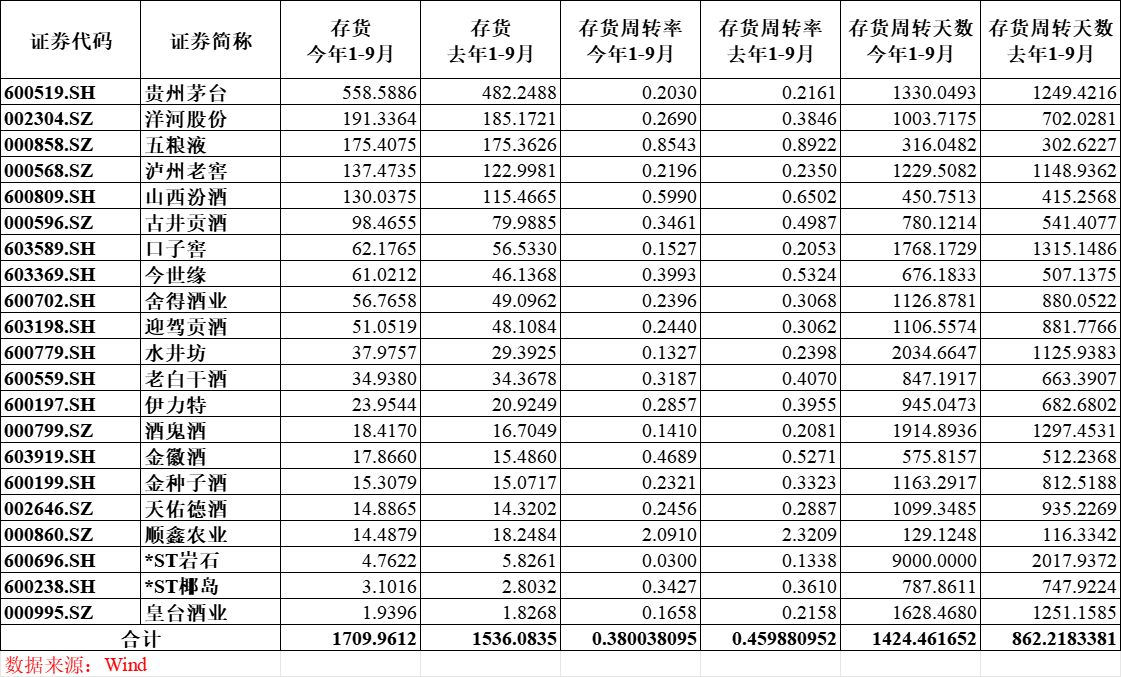
Core Viewpoint - The A-share liquor industry reported its worst performance in a decade for Q3 2025, with 20 listed companies (excluding Shunxin Agriculture) achieving a total revenue of 312.09 billion yuan and a net profit of 122.49 billion yuan, both down approximately 7% year-on-year [1][2] Financial Performance - The total revenue and net profit of the liquor industry have significantly declined, indicating a pronounced pressure on the industry [1] - Only Kweichow Moutai and Shanxi Fenjiu managed to maintain growth in both revenue and net profit amidst the overall decline [1] - The total contract liabilities for 20 liquor companies reached 39 billion yuan, reflecting a year-on-year increase of 4.54%, despite the overall performance downturn [1][6] Inventory and Turnover - The total inventory of 21 listed liquor companies rose to 170.99 billion yuan, a year-on-year increase of 11.32%, with an average inventory turnover period extending to 1424 days, up 65.21% from the previous year [2][4] - The increase in inventory turnover days signals significant pressure on channel inventory [4] Market Response - The market reacted calmly to the poor performance reports, with the China Securities Liquor Index rising by 1.72% on October 31, indicating that investors have already digested the performance pressures [1] - The stability in contract liabilities suggests that confidence in the industry and companies remains intact, despite the challenges [2][7] Channel Dynamics - The increase in contract liabilities is primarily driven by leading liquor companies, with four out of six major firms reporting year-on-year growth [7] - Companies are shifting from a simple sales model to a service-oriented approach, focusing on channel health and profitability for distributors [8][9] Innovative Sales Models - New sales models are emerging, such as the "Wan Shang Alliance" by Zhenjiu Li Du, which emphasizes no stockpiling and allows for returns, thereby reducing inventory risks [10][11] - The introduction of commission-based systems and unified pricing strategies aims to alleviate financial pressure on distributors and ensure transparent profit distribution [12] Conclusion - The growth in contract liabilities and the evolving relationships between manufacturers and distributors highlight the industry's resilience and potential for recovery, as companies prioritize channel health and collaborative strategies [12][13]