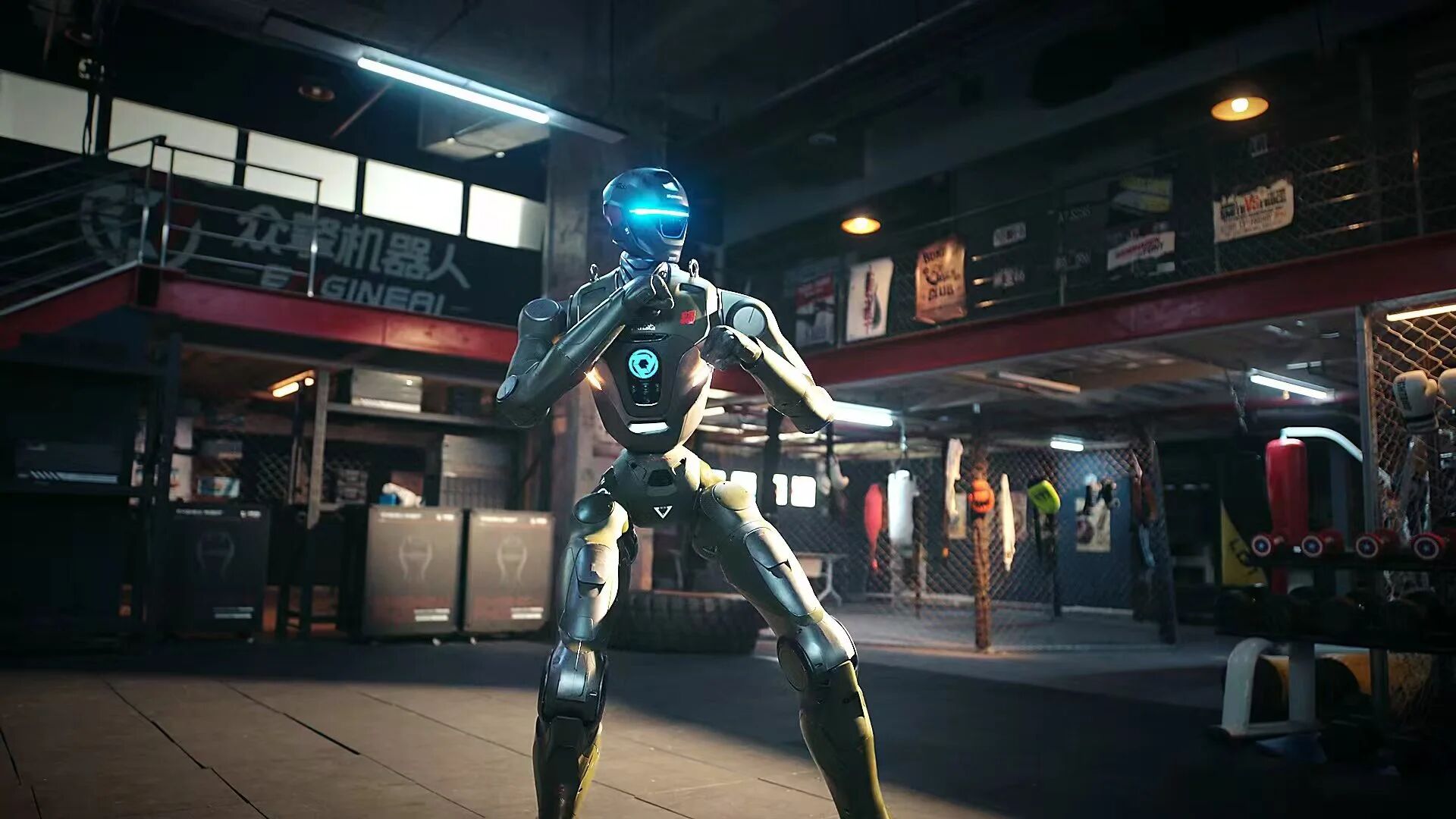
众擎T800

Search documents
拟奖励千万纯金腰带!全球首个人形机器人格斗赛在深圳开幕
Nan Fang Du Shi Bao· 2026-02-09 10:29
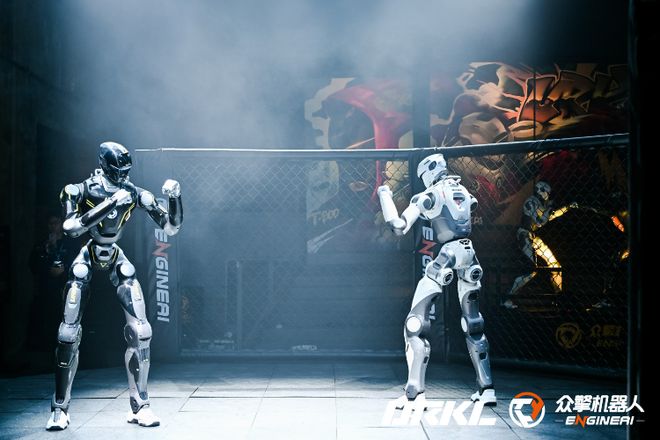
Group 1 - The first global humanoid robot free fighting league (URKL) was launched in Shenzhen, initiated by Shenzhen Zhongqing Robot Technology Co., Ltd. [2] - The league aims to award the champion team with a pure gold belt valued at 10 million yuan, promoting innovation and talent discovery in the field of embodied intelligence [2] - URKL has established competition rules to ensure professionalism and safety, including a BO3 format and mechanisms for KO and TKO [2] Group 2 - URKL is defined as a comprehensive ecosystem platform integrating technology collaboration, resource integration, talent incubation, and capital linkage, serving as a test for core robot components and motion control algorithms [3] - The fighting competition is seen as a bridge connecting laboratory research with market applications, enhancing robots' capabilities in dynamic environments [3] - Current humanoid robots face challenges in performing tasks despite stable locomotion, and combat testing can improve hardware robustness and algorithm stability for real-world applications [3] Group 3 - The evolution of humanoid robot competitions, from marathons to free fighting leagues, reflects the industry's shift towards dynamic events that meet market expectations [4] - High-dynamic competitions like URKL may set new standards for evaluating the technological capabilities of robot companies, facilitating advancements in operational environments [4]


CES观察|能跑跳、能干活、能签单,中国人形机器人站上C位
Bei Ke Cai Jing· 2026-01-09 09:35
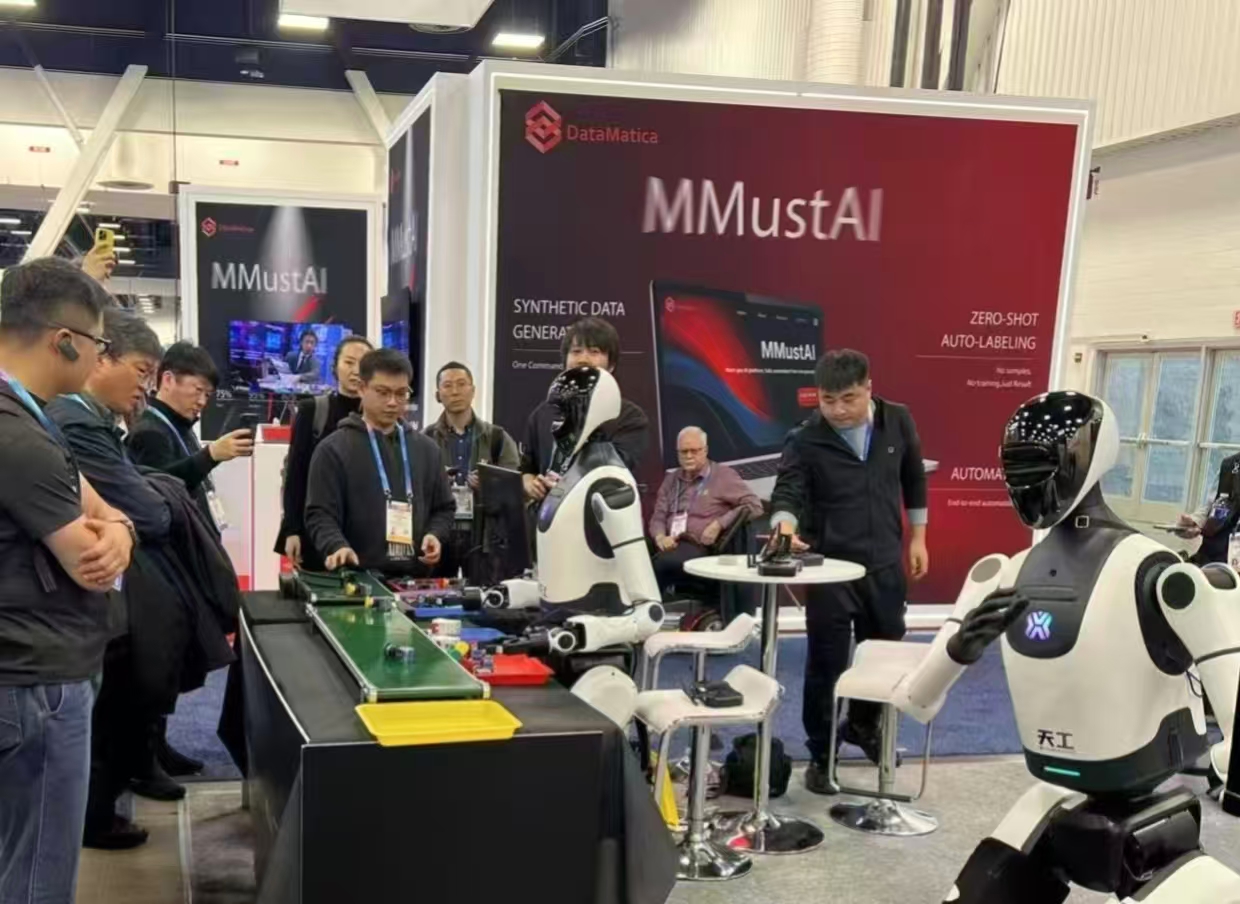
Core Insights - The CES 2026 showcased a significant dominance of Chinese companies in the robotics sector, with 149 out of 598 exhibitors being Chinese, accounting for nearly one-quarter of the total [1] - In the humanoid robot segment, 21 out of 38 exhibitors were from China, representing over half of the participants [1] - The event highlighted advancements in various applications of humanoid robots, including industrial, commercial, and home companionship [2][8] Group 1: Company Highlights - Companies like Yushu Technology and Zhiyuan Robotics demonstrated their capabilities in motion control and application scenarios, showcasing robots capable of dance and combat [4] - The Beijing Humanoid Robot Innovation Center made its debut, emphasizing the importance of showcasing the practical capabilities of humanoid robots to enhance international influence [8] - The company Lingqiao Intelligent presented its high-performance dexterous hand, significantly reducing costs to make it more accessible for research institutions and startups [10] Group 2: Technological Advancements - The event featured robots that integrated advanced AI capabilities, such as language interaction and autonomous sorting, demonstrating their practical applications in real-world scenarios [6][7] - Breakthroughs in tactile technology were showcased, with companies like Pasini Sensory Technology presenting advanced multi-dimensional tactile sensors [11] - The development of world models as data engines in embodied intelligence was highlighted, indicating a shift towards more sophisticated evaluation and reinforcement learning environments [11] Group 3: Market Expansion and Sales - The CES 2026 served as a critical platform for Chinese robotics companies to expand their global market presence, with several companies reporting immediate sales during the event [8] - Companies like Songyan Power are shifting their focus from product display to commercial implementation, targeting key regions for market expansion [8] - The event underscored the importance of a well-defined and efficient industrial ecosystem, indicating a maturation of the robotics industry [9][12]
智元第一,宇树第二!中国人形机器人企业领跑全球
Zhong Guo Zheng Quan Bao· 2026-01-09 08:30
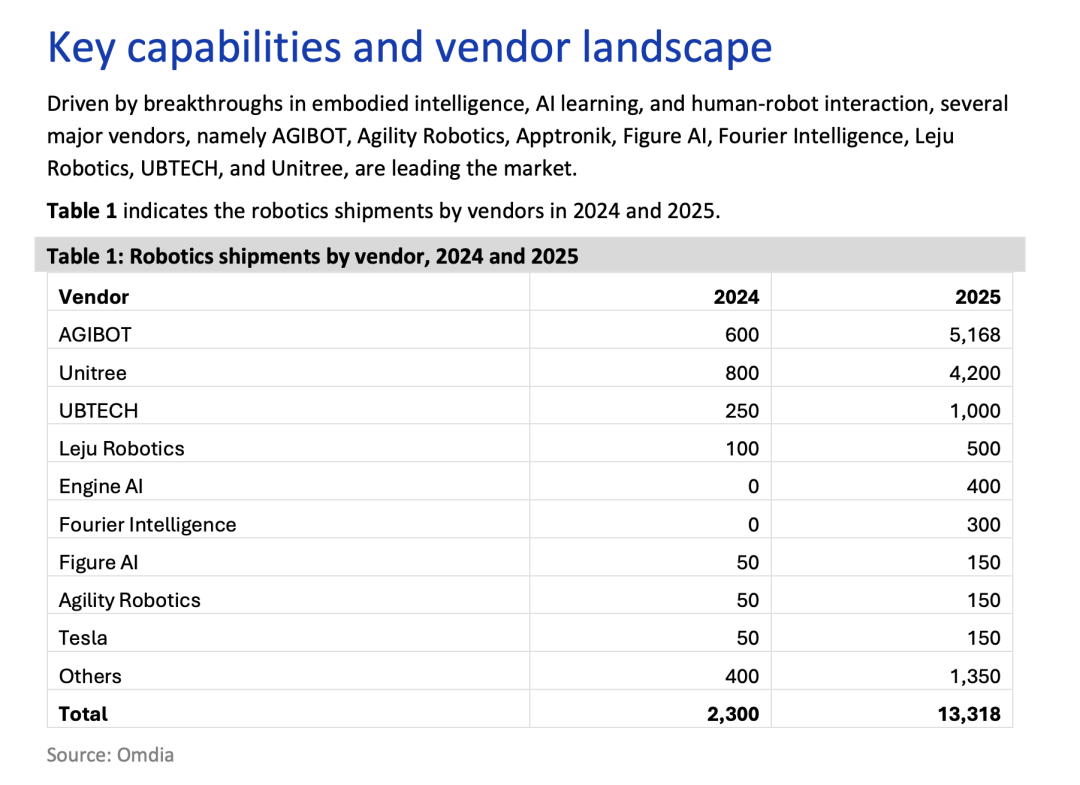
Core Insights - The report by Omdia highlights the dominance of Chinese manufacturers in the humanoid robot market, with Zhiyuan leading with over 5,100 units shipped, capturing 39% of the global market share [1] - By 2025, the top six humanoid robot manufacturers will all be Chinese, collectively accounting for 86.9% of global shipments [1] Group 1: Market Performance - In 2024, total shipments of humanoid robots are projected to be 2,300 units, increasing to 13,318 units in 2025 [2] - The report indicates that the humanoid robot index rose by 1.66%, with significant stock price increases for companies like Jizhi Co. and Hongxun Technology [3] Group 2: Industry Developments - At CES 2023, several Chinese humanoid robot companies showcased their products, including Zhiyuan's launch of the Genie Sim 3.0 platform, which enhances model training and application [4] - Other companies like Unitree and Fourier Intelligence also presented their latest humanoid robots and solutions, indicating a strong presence in the market [4][5] Group 3: Future Projections - Omdia predicts exponential growth in the humanoid robot market, with global shipments expected to reach 2.6 million units by 2035 [6] - Companies like Zhiyuan and Tesla are positioned as leaders in the industry, driving rapid development and innovation [6] Group 4: Strategic Investments - Companies are actively investing in humanoid robotics, with Hongrun Construction and Guoji Precision Engineering announcing partnerships and new product lines aimed at enhancing their market positions [7] - The domestic humanoid robot shipment is expected to rise to 62,500 units by 2026, marking a significant milestone for the industry [7]

CES硬核科技刷屏,广东力量秀出“中国方案”
2 1 Shi Ji Jing Ji Bao Dao· 2026-01-09 06:05
Core Insights - The CES 2023 showcased significant technological innovations, particularly highlighting the strong presence of Guangdong companies, which accounted for a substantial portion of the exhibitors [1][10] - The event emphasized the transition of robotics and AI technologies from experimental stages to practical applications, with Guangdong firms leading this shift [3][4][14] Group 1: Guangdong's Presence at CES - A total of 3,302 companies participated in CES 2023, with 837 from mainland China, 127 from Taiwan, and 98 from Hong Kong; Guangdong alone had over 530 exhibitors, including 370 from Shenzhen, representing 44.2% of mainland China's participation [1] - Guangdong companies showcased a range of innovative products, including smart robots, 3D printing technologies, and AI-integrated devices, reflecting their growing influence in global tech innovation [1][10] Group 2: Robotics and AI Innovations - The event featured significant advancements in embodied intelligent robots, with companies like SUTENG showcasing a delivery robot capable of performing complex tasks autonomously, highlighting the practical applications of AI in logistics and service sectors [3][4] - The robotics industry is moving towards large-scale validation, with companies focusing on real-world productivity rather than just technological demonstrations, indicating a maturation of the sector [4][5] Group 3: Energy Technology and Smart Solutions - Energy technology firms presented solutions for smart and decentralized living, with products like the Explorer 1500 Ultra and Jackery Solar Gazebo, which integrate energy independence into household infrastructure [5][6] - The emergence of intelligent charging networks for autonomous vehicles was also highlighted, showcasing the integration of AI in future transportation solutions [6] Group 4: Globalization and Market Strategy - Guangdong companies are increasingly adopting comprehensive globalization strategies, moving beyond simple product exports to include technology, brand, and ecosystem development [7][10] - Companies like TCL and EcoFlow are focusing on localizing operations and building service ecosystems in international markets to enhance brand recognition and customer engagement [8][9] Group 5: Supply Chain and Innovation - The robust supply chain ecosystem in Guangdong is a critical factor in the rapid iteration and commercialization of innovative products, enabling companies to achieve significant technological breakthroughs [13][14] - The emphasis on R&D investment and the efficiency of the supply chain have strengthened the competitive position of Guangdong firms in the global market [13]
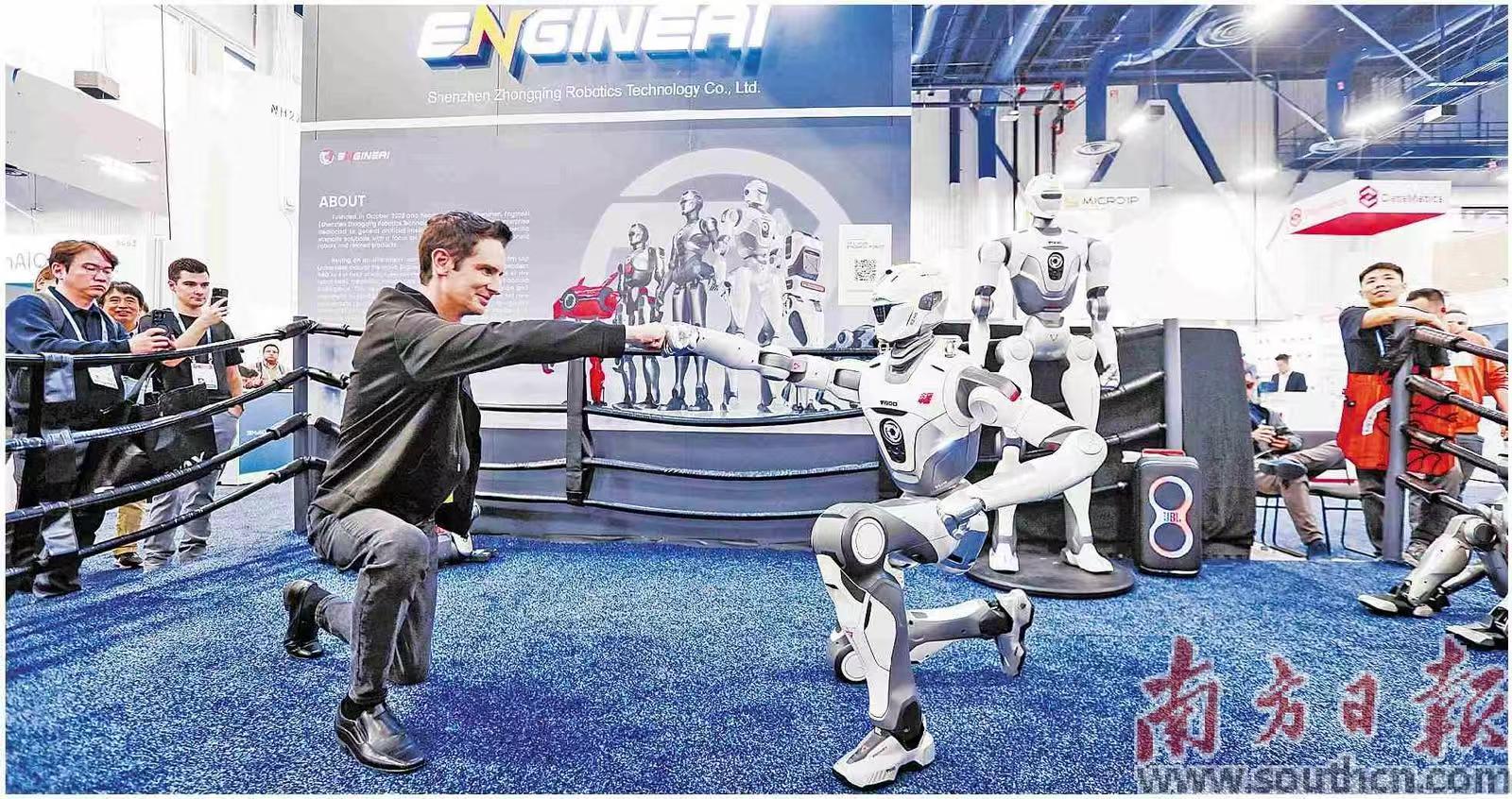
广东AI硬件全链出海 众擎机器人亮相国际消费类电子产品展
2 1 Shi Ji Jing Ji Bao Dao· 2026-01-09 03:39
Core Insights - The article highlights the emergence of AI as a foundational element in consumer electronics, with a significant growth forecast for AI technology hardware in 2026 [2][3]. Group 1: Company Highlights - Shenzhen Zhongqing Robot Technology Co., Ltd. showcased its humanoid robot T800 at CES 2026, attracting considerable attention with its interactive capabilities [2][5]. - The T800 robot features advanced technology, including a peak torque of 450N·m, equivalent to the power of a high-end car engine, and a solid-state battery with a 4-5 hour runtime [6][7]. - The company has completed multiple technical validations for the T800, anticipating sales of dozens to hundreds of units in 2026 [7]. Group 2: Industry Trends - The CES 2026 event emphasizes the integration of AI into physical products, marking a shift from conceptualization to practical applications [5][8]. - Guangdong AI hardware companies are moving towards global markets, focusing on real product offerings and collaborative solutions with international partners [4][11]. - The article notes a growing interest from international clients in Chinese robotics technology, indicating a rising global demand for these innovations [11]. Group 3: Supply Chain and Globalization - Guangdong's efficient supply chain, characterized by a "half-hour supply chain" model, allows for rapid response to global customization demands [12][15]. - Companies are not merely exporting products but are engaging in global ecosystem building, enhancing their competitive edge in the AI hardware market [16][17]. - The article mentions that AI is no longer seen as a standalone product but as a core operating system driving various devices, reshaping the competitive landscape [17][18]. Group 4: Future Outlook - The article suggests that the year 2026 will be pivotal for AI hardware, with companies aiming to optimize product matrices and align with global market needs [16][21]. - Guangdong enterprises are positioned to redefine "Chinese innovation" in the global market, leveraging their technological strengths and ecological strategies [21].
中国机器人军团,“围剿”波士顿动力
3 6 Ke· 2026-01-07 11:10
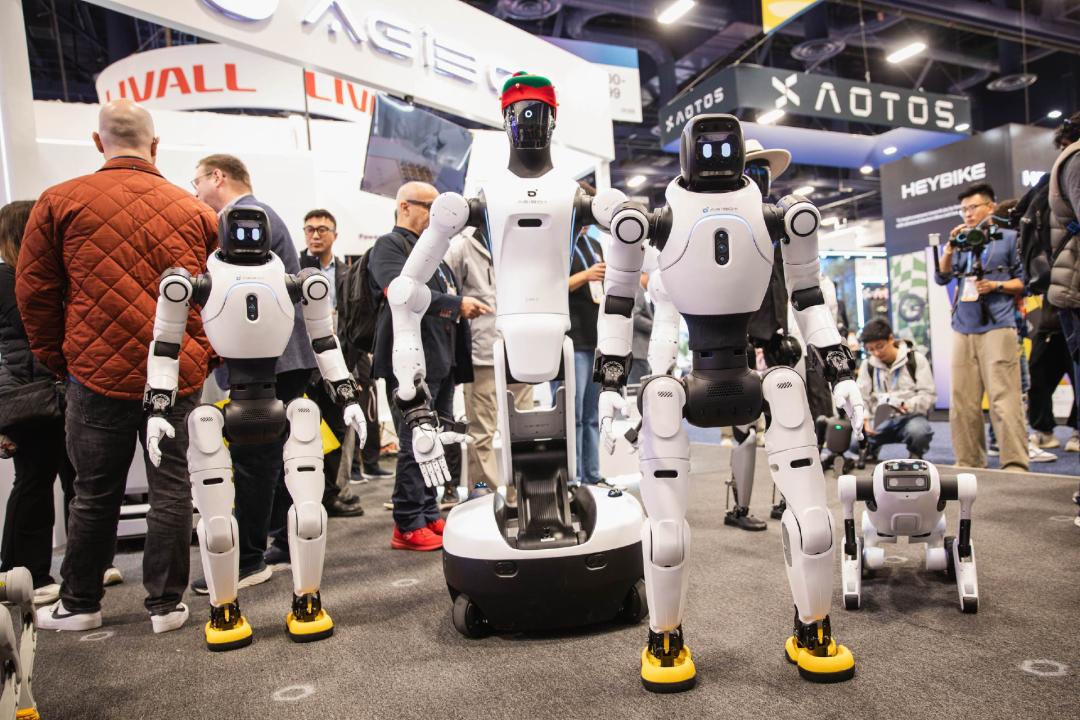
Core Insights - The CES 2026 showcased a significant presence of Chinese robotics companies, accounting for 58.8% of the total exhibitors, with 21 out of 38 companies being Chinese, highlighting the growing influence of China in the robotics sector [1][4] - AI has transitioned from conceptual to practical applications, with products demonstrating real-world utility, particularly in robotics, marking a shift towards functional integration of AI and hardware [2][14] - Boston Dynamics unveiled the second-generation Atlas robot, which features advanced capabilities such as 360-degree joint rotation and high adaptability for complex tasks, emphasizing the competitive landscape in robotics [3][4] Group 1: Chinese Robotics Companies - Notable Chinese exhibitors included Yushu Technology with its combat robot G1, Zhiyuan Robotics showcasing its interactive robots, and Fourier Intelligence presenting the GR-3 humanoid robot [5][7][8] - The event featured a variety of robots, including the Vbot from Vitan Power, which is designed for home use and can operate autonomously without remote control [9][17] - Companies like Robotin introduced the R2 Pro, a modular home robot capable of comprehensive cleaning tasks, while other firms showcased robots for outdoor companionship and AI-driven interactions for children [19][22] Group 2: Technological Advancements - The advancements in AI and robotics were evident, with products like the Booster series robots designed for specific applications in research and events, demonstrating high usage rates [14] - The integration of AI capabilities into various sectors was highlighted, with companies like Chasing Technology showcasing a range of smart cleaning robots and electric vehicles [16] - The CES 2026 marked a turning point for AI hardware, with a focus on practical applications rather than mere concepts, indicating a maturation of the market [30][31]
“科技界春晚”隆重开演参展商惊呼“没有AI展品等于白来”
Zheng Quan Shi Bao· 2026-01-06 18:24
Group 1 - The core theme of CES 2026 is the practical application of AI with a focus on "human-centered" technology, attracting over 4,500 companies from more than 150 countries, including around 1,400 startups, and covering an exhibition area of 2.6 million square feet [3] - AI has transitioned from being a mere showcase tool to a fundamental component in various smart hardware, including humanoid robots, smart glasses, smart appliances, AI smartphones, AI toys, and smart electric vehicles, indicating a significant shift in industry trends [1][2] - The presence of AI in nearly all hardware products at CES 2026 signifies an irreversible trend, with AI now playing a crucial role in decision-making processes across various sectors [2] Group 2 - Chinese companies have become a focal point at CES 2026, with 207 Chinese enterprises participating, covering a net exhibition area of over 4,900 square meters, showcasing their global industry leadership [4] - A notable trend is the increased participation of electronic supply chain companies at CES, demonstrating their capabilities in AI hardware manufacturing, assembly, and solutions, reflecting a shift in the industry's landscape [6] - Companies like Lingyi iTech and OFILM are using CES to showcase their advanced optical solutions and comprehensive services for humanoid robotics, indicating a strategic move towards global market engagement [6]
中国机器人独角兽集体“秀肌肉”
Zheng Quan Shi Bao· 2026-01-06 18:24
Group 1: Industry Overview - The 2026 CES is expected to be a pivotal year for the integration of AI technology in humanoid robots, transitioning from showcasing technology to practical applications [1] - Various types of embodied intelligent robots are anticipated to be among the most highlighted groups at CES 2026 [1] Group 2: Key Developments in Robotics - Zhiyuan Robotics showcased a full range of products at CES, including the G2 model, which has been integrated into over a thousand application stations within the Junsen Electronics system [1] - Zhongqing Robotics made its global debut with the T800 humanoid robot, featuring breakthroughs in torque, long-lasting stability, and dexterous hand control [1] Group 3: Advancements in Dexterous Hands - DexRobot introduced the DexHand021 Pro, a high-performance dexterous hand with 22 degrees of freedom and a maximum load of 50N, priced at one-fifth of similar international products [2] - The launch of DexHand021 Pro is expected to facilitate the adoption of robotics across various industries, including remote operations in power inspection and educational applications in universities [2] Group 4: AI and Data Challenges - The robotics industry faces a significant data imbalance, with a lack of real human action detail data necessary for training robots, which limits their dexterity [3] - Daimeng Robotics launched the DM-EXton2, the world's first force/touch feedback remote operation data collection system, addressing the core data challenges in robot training [3] Group 5: Participation of Startups - The CES featured participation from numerous startups, including the XbotPark platform initiated by Professor Li Zexiang, showcasing a variety of technology companies across multiple sectors [3]
科技界春晚”隆重开演 参展商惊呼“没有AI展品等于白来
Zheng Quan Shi Bao· 2026-01-06 18:24
Group 1: Core Themes of CES 2026 - The core theme of CES 2026 is "human-centered" AI applications, attracting over 4,500 companies from more than 150 countries, including around 1,400 startups, with an exhibition area of 2.6 million square feet [3] - AI has transitioned from a showcase tool to a fundamental component in various smart hardware, including humanoid robots, smart glasses, smart appliances, AI smartphones, AI toys, and smart electric vehicles [1][2] - The focus of AI is shifting from consumer-level toys to enterprise-level productivity tools, addressing real-world labor shortages in sectors like healthcare, logistics, and manufacturing [2] Group 2: Chinese Companies at CES 2026 - A total of 207 Chinese companies participated in CES 2026, with a net exhibition area exceeding 4,900 square meters, showcasing a significant presence in the global tech landscape [4] - Chinese companies, particularly in the robotics sector, are gaining attention for their global strategies, with firms like Fourier and Yushutech presenting advanced humanoid robots and industry solutions [4] - The participation of Chinese companies in CES has evolved from primarily consumer electronics to include a growing number of supply chain enterprises, demonstrating their capabilities in AI hardware manufacturing and assembly [7] Group 3: Supply Chain and Globalization - An increasing number of electronic supply chain companies are attending CES to showcase their full-stack capabilities in AI hardware manufacturing, assembly, and solutions [7] - Companies like Lianyi Zhizao and OFILM are using CES to communicate their core service positioning and deepen technical exchanges with global partners [7] - The active participation of supply chain enterprises at CES indicates a recognition of their manufacturing capabilities on a global scale, reflecting a confidence in expanding their supply chain management capabilities internationally [8]
深圳创投的25年,投对了什么
2 1 Shi Ji Jing Ji Bao Dao· 2025-12-30 08:34
Group 1: Shenzhen Venture Capital Landscape - Shenzhen has over 1,500 local venture capital firms with a management scale exceeding 1.5 trillion yuan and has nurtured over 1,000 listed companies [1] - The success of Shenzhen's venture capital industry is attributed to a unique combination of an encouraging innovation mindset and two supply chains: a robust product supply chain and a comprehensive financial support system [1][1] - The "accompanying philosophy" of Shenzhen's venture capital encourages innovation and supports companies through economic cycles [1] Group 2: Investment in Robotics and AI - Da Chen Capital has made multiple investments in Zhongqing Robotics, driven by a long-term belief in the embodied intelligence sector, with a target allocation of 30%-40% of their fund to AI-related industries [2][2] - Zhongqing Robotics' founder, Zhao Tongyang, has shown resilience through multiple failures, ultimately leading to the establishment of a successful robotics company [2][3] - The latest product from Zhongqing Robotics, the T800, has surpassed the physical capabilities of 90% of adult males, with plans for advanced functionalities in household tasks within six months [4] Group 3: Investment in Biotechnology - Zhenmai Biotechnology, known for its high-throughput sequencing instruments, faced skepticism but secured early investments that were crucial for its development [6][6] - The company has successfully navigated cash flow challenges and has seen significant growth, with a projected revenue of nearly 400 million yuan by 2025 [9] - The partnership between Zhenmai and Tongchuang Weiye exemplifies the importance of comprehensive support beyond just capital, emphasizing long-term investment in the medical sector [8] Group 4: Long-term Partnerships in Life Sciences - BGI Group, a leader in life sciences, has maintained a nearly 20-year partnership with Songhe Capital, which began with an unsuccessful project but evolved into a strong mutual trust [10][11] - The collaboration has led to significant advancements in the domestic gene technology sector, breaking the monopoly of international giants [11] - Both companies emphasize the importance of dual support and trust in fostering innovation within the life sciences industry [11]