便携式锂电池精密结构件

Search documents
315再曝电自行业乱象:“空牌”横生、时速失控
高工锂电· 2026-03-16 12:26
Core Viewpoint - The article highlights the ongoing issues in the electric bicycle industry, particularly focusing on the irregularities following the introduction of new national standards, including illegal practices in the rental market and the accumulation of licenses for non-compliant vehicles [3][4]. Group 1: Industry Issues - The 315 Gala has exposed industry chaos for two consecutive years, with last year's focus on the gray market for electric bicycle battery modifications and this year's emphasis on violations related to the new national standards [3]. - Some dealers applied for electric bicycle licenses before the new standards were officially implemented, allowing them to circumvent regulatory measures by stockpiling licenses for "ghost vehicles" [3]. - The new standards prohibit the production of old standard electric bicycles after September 1, 2025, yet demand for higher-speed old standard models has led to significant stockpiling of licenses by dealers [3]. Group 2: Market Dynamics - The core controversy revolves around battery modifications, with the new standards mandating a uniform voltage of 48V and prohibiting mixed installations, leading to a rise in demand for higher voltage and capacity electric bicycles [5]. - The electric bicycle market is characterized by intense price wars, with dealers struggling to maintain profitability, resulting in a shift towards rental and modification business models [5]. - The saturation of the electric bicycle market has made rental services an attractive option for dealers, as they provide a recurring revenue stream compared to one-time vehicle sales [8]. Group 3: User Demands and Regulatory Suggestions - Delivery riders, who constitute over 40% of the electric bicycle rental market, have specific needs for speed and range, often leading to the acquisition of licenses for over-speeding vehicles [8]. - There is a proposal to differentiate the management of electric motorcycles from traditional fuel motorcycles, which could provide delivery riders with better transportation options [9]. - The cost structure of electric motorcycles is heavily influenced by battery prices, with companies like Xingheng Power aiming to balance safety, performance, and cost in their battery offerings [10]. Group 4: Future Directions - The article suggests that the regulation of the lightweight power market should involve both strict limitations on certain applications while also expanding road rights in other markets to meet diverse user needs [11].

达沃斯首日:欧洲欢迎电动化投资
高工锂电· 2026-01-21 10:29
Group 1 - China's Vice Premier He Lifeng emphasized the country's commitment to expanding imports and domestic demand, rejecting the notion of pursuing a trade surplus and opposing the escalation of protectionism [4] - Over the past five years, China's economy has grown at an average annual rate of approximately 5.4%, with total imports exceeding $15 trillion, indicating a willingness to be both a "world factory" and a "world market" [4] - He Lifeng addressed criticisms regarding China's reliance on subsidies and overcapacity, asserting that China's development is primarily driven by reform, openness, and innovation rather than government subsidies [4] Group 2 - The European Union is intensifying its trade and industrial policy tools, aiming to shift competition in the electric vehicle sector from border tariffs to more controllable access mechanisms [8] - A draft proposal from the EU suggests setting minimum "European manufacturing" ratios for key green technologies in public procurement, including batteries and electric vehicles [8][9] - The EU's proposed regulations will require that battery systems be assembled within the EU and that key components meet EU sourcing requirements over time [9] Group 3 - The EU's anti-subsidy tax rates for Chinese electric vehicles are set to range from 7.8% to 35.3% starting in 2024, with potential implications for sales, pricing, and localization investments in the European market [13] - Germany plans to introduce new electric vehicle subsidies for low- to middle-income families, with amounts up to approximately $7,000, which will be open to all manufacturers, including Chinese brands [15] - Spain has announced approximately €1.3 billion in support for the electric vehicle market and industry to enhance production and penetration targets [16] Group 4 - The geopolitical tensions at the Davos forum are rising, with the EU Commission President discussing tariff threats related to Greenland and announcing plans to support Arctic security and related investments [19] - The emphasis on external uncertainties is reinforcing the political environment in Europe for more frequent use of industrial and trade tools [21] - For Chinese lithium battery companies and supply chain enterprises, uncertainties remain regarding the EU's price commitment mechanism and the execution of subsidy policies in Germany [22]
碳酸锂“包销”重启,内存条行情锂电复现?
高工锂电· 2026-01-13 15:57
Core Viewpoint - The price of lithium carbonate has surpassed 170,000 yuan per ton, with a significant increase in both futures and spot markets, indicating a shift in trading methods and the re-emergence of sales agreements in the industry [3][4][5]. Group 1: Price Trends - On January 13, the main contract for lithium carbonate futures on the Shanghai Futures Exchange hit a limit up, reaching 174,060 yuan per ton, with a cumulative increase of over 40% this month [3]. - The highest market price for battery-grade lithium carbonate exceeded 160,000 yuan per ton on January 13, continuing to rise from the previous trading day [4]. Group 2: Sales Agreements - Recent signals indicate that sales agreements, which were prevalent during the last upcycle and quiet during the downcycle, are making a comeback [6]. - Sales agreements typically grant buyers priority procurement rights for a certain percentage or all output from a project, with stricter performance obligations [7]. - The essence of sales agreements is not about lower prices but about greater certainty regarding supply [9]. Group 3: Characteristics of Sales Agreements - The strength of certainty in sales agreements is reflected in three aspects: higher coverage ratios, stronger rights, and flexible pricing mechanisms [10][11]. - A recent example includes a binding 10-year sales agreement between Lilac Solutions and Traxys North America for 50,000 tons of lithium carbonate, covering 100% of Lilac's planned capacity [12]. Group 4: Domestic Developments - Leading domestic lithium companies are also showing movements towards sales agreements, particularly in financing and asset integration transactions [13]. - Ganfeng Lithium announced a financial support agreement with Lithium Argentina, which includes a sales agreement for 6,000 tons of lithium carbonate equivalent [14]. Group 5: Market Dynamics - The current cycle shows that sales agreements are not only occurring at the resource end but also in demand-side strategies, as companies seek to manage risks amid rising costs [16][17]. - The return of sales agreements often coincides with periods of supply uncertainty and rising prices, as seen in previous cycles [18]. Group 6: Future Supply and Demand - The market is experiencing a shift in supply and demand expectations, with predictions of a potential shortage in 2026 amid strong growth in energy storage demand [20]. - The anticipated increase in lithium demand for energy storage is projected to grow by 71% in 2025 and an additional 55% in 2026 [20]. Group 7: Implications of Sales Agreements - The re-emergence of sales agreements may compress liquidity in the spot market, making prices more susceptible to marginal transactions [23]. - The arrangement of locking quantities without locking prices could redistribute risks and profits along the supply chain, with upstream securing sales and downstream providing financing support [24]. - When sales agreements are embedded in financing and asset integration terms, they evolve from procurement arrangements to transaction pricing, pushing the industry towards further integration and capitalization [25].
锂电年报预告集体转暖 紫金矿业、华友钴业等领衔
高工锂电· 2026-01-09 10:46
Core Viewpoint - The lithium battery industry chain is showing signs of recovery, with financial performance improving significantly in the resource and material sectors, indicating a potential investment opportunity [3]. Resource Sector - Salt Lake Co. expects a net profit of 8.29 to 8.89 billion yuan for 2025, with a year-on-year increase of nearly 91%, attributed to rising potassium fertilizer prices and a rebound in lithium carbonate prices [5]. - Zijin Mining anticipates a net profit of 51 to 52 billion yuan for 2025, reflecting a year-on-year growth of approximately 59% to 62%, driven by increased mineral product prices and operational efficiency [6]. - Zijin Mining has included lithium in its growth strategy, projecting a lithium carbonate equivalent production of about 25,000 tons for 2025 and a target of 120,000 tons for 2026, indicating a shift towards large-scale supply [7]. - Zijin Mining is expanding its lithium business beyond mining, with the establishment of Fujian Zixin Lithium Battery Materials Co., focusing on manufacturing and R&D of electronic materials [8]. - The recovery of profits in the resource sector is often the first sign of an early-stage recovery in the cycle [10]. Integrated Companies - Huayou Cobalt expects a net profit of 5.85 to 6.45 billion yuan for 2025, with a maximum year-on-year increase of about 55%, attributed to the advantages of industrial integration and the recovery of cobalt and lithium prices [11][12]. - The profit growth of integrated companies is linked to the ability to combine resource elasticity and manufacturing efficiency, leading to accelerated profit growth [13]. Material Sector - Tianqi Lithium expects a net profit of 1.1 to 1.6 billion yuan for 2025, with a potential year-on-year growth of over 230%, driven by demand from new energy vehicles and energy storage [14]. - Lichun Group reported that its lithium hexafluorophosphate business has turned profitable since November 2025, benefiting from price recovery [15]. - The profit recovery in the midstream material sector is transitioning from expectation to realization [16]. Market Dynamics - The rapid recovery of profits raises questions about future valuation methods, with a shift from growth narratives to cyclical profit pricing as a potential outcome [17]. - The focus is on the sustainability of excess profits rather than immediate profitability [18]. - Concerns exist regarding potential supply expansion and competition due to short payback periods in the industry [19][20]. Overall Outlook - The current scenario resembles a typical early-stage recovery, with leading companies showing profit improvements as the first signal [21].


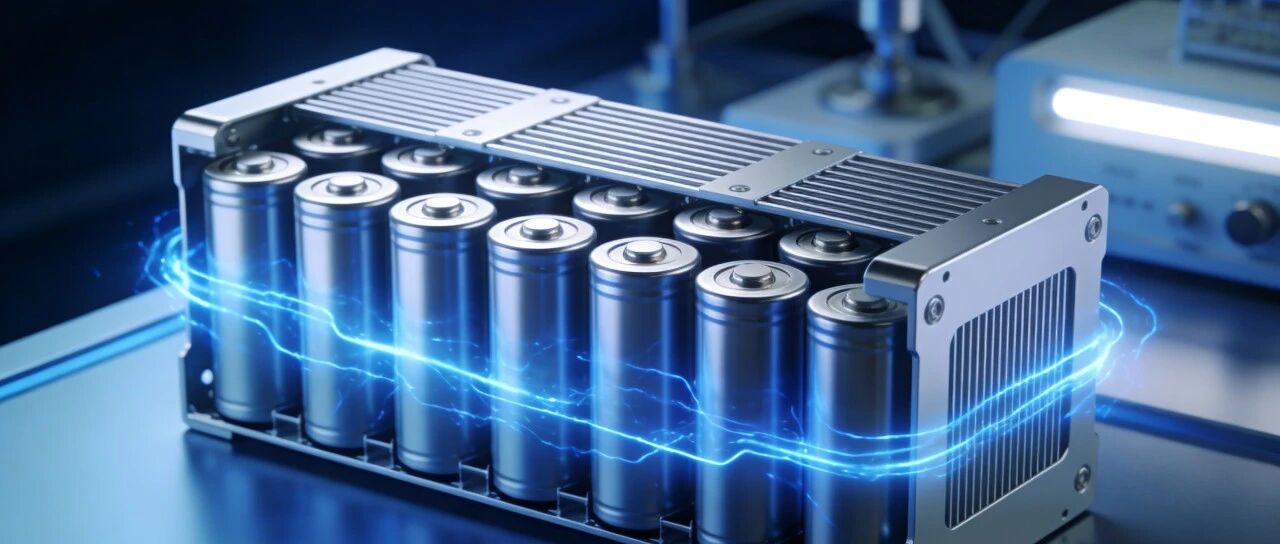
一周五起合作:固态电池量产攻坚指向核心装备
高工锂电· 2025-12-29 10:52
Core Insights - The article emphasizes the necessity of overcoming core equipment and common processes for the mass production of solid-state batteries, highlighting a trend of cross-industry collaborations focused on these challenges [3][4]. Group 1: Collaboration Trends - Recent collaborations in the solid-state battery sector have intensified, with at least five partnerships formed in the past week, all targeting the same core production challenges [3]. - Key partnerships include Tianyong Intelligent and Ruitian Technology, which plan to establish a joint venture focused on the development and production of core material equipment for solid-state batteries [4]. - Enli Power and Ion Energy have chosen to collaborate with intelligent equipment company Jinyinhe, indicating a systematic approach to building complete mass production capabilities from core processes to intelligent production lines [4]. Group 2: Specific Technological Innovations - Saike Power is collaborating with equipment manufacturer Ruisheng New Energy and Shanghai University of Technology to create a collaborative innovation model aimed at breakthroughs in online detection technology for vacuum drying of batteries [5]. - Weilan New Energy is working with Lema Precision Measurement to develop an online CT detection production line for solid-state batteries, addressing real-time detection of micron-level defects, which is crucial for battery safety and consistency [5]. Group 3: Differentiated Collaboration Strategies - The article notes that different technological routes (polymer vs. sulfide) exhibit distinct collaboration characteristics. For instance, Ion Energy's polymer-based solid-state battery route focuses on rapid engineering and production efficiency, while companies pursuing sulfide electrolyte routes are more focused on overcoming inherent production challenges [6][8]. - The anticipated timeline for small-scale deployment of all-solid-state batteries by 2027 suggests that current collaborative efforts will yield results in the next 1-2 years, significantly impacting the industrialization process and landscape of next-generation power batteries [8]. Group 4: Equipment Manufacturers' Ambitions - The partnership between Tianyong Intelligent and Ruitian Technology is particularly noteworthy as it transcends traditional battery manufacturer and equipment supplier frameworks, aiming to create a comprehensive intelligent production line solution for solid-state batteries [7]. - If successful, this "turnkey" model led by equipment manufacturers could significantly lower the mass production threshold for battery companies and alter the industry ecosystem [7].
GGII:市场驱动下, 磷酸铁锂装机份额仍有上行空间
高工锂电· 2025-12-28 11:07
Core Viewpoint - The article discusses the recent developments in the sodium-ion battery industry, particularly focusing on Xinsen Carbon Industry's IPO and its role in the production of hard carbon materials, which are crucial for sodium-ion batteries [2]. Group 1: Company Overview - Xinsen Carbon Industry has submitted its IPO application, with its main business being the research, production, and sales of high-performance porous carbon materials [2]. - The company’s hard carbon products are designed to meet the performance standards of imported products from Japan, utilizing raw materials such as palm shells, bamboo, coconut shells, and fruit shells sourced from multiple bases in Fujian and Jiangxi [2]. Group 2: Market Position and Collaborations - Xinsen Carbon Industry has signed a strategic cooperation agreement with Zhongna Energy for the mass production of sodium-ion battery anode materials [2]. - As of June, Baise Ge has successfully launched a production line for hard carbon anode materials, with plans to scale up to a production capacity of 20,000 tons [3]. Group 3: Industry Trends and Capacity Expansion - By 2025, Baise Ge has secured nearly 100,000 tons of cooperation orders for sodium-ion hard carbon anode materials, including a significant order from Chaowei for over 30,000 tons [4]. - The sodium-ion anode material production capacity is projected to exceed several hundred thousand tons, with significant projects underway, such as a 50,000-ton capacity facility in Guangxi and a 130,000-ton facility in Sichuan [5]. Group 4: Technological Development - The article highlights the ongoing challenges in the industrialization of sodium-ion anode materials, particularly the need to overcome engineering difficulties, which are currently seen as a major technical bottleneck [2]. - The exploration of anode-less technology is noted, which is not in direct conflict with existing anode materials but rather complements them, indicating a parallel development path in sodium-ion battery technology [6].
产业化加速,钠电负极材料拟冲击第一股?
高工锂电· 2025-12-28 11:07
Core Viewpoint - The article discusses the recent developments in the sodium-ion battery industry, particularly focusing on Xinsen Carbon Industry's IPO and its role in producing hard carbon materials, which are crucial for sodium-ion batteries [2]. Group 1: Company Overview - Xinsen Carbon Industry has submitted its IPO application, with its main business being the research, production, and sales of high-performance porous carbon materials [2]. - The company’s hard carbon products are designed to meet the performance standards of imported products from Japan, utilizing raw materials such as palm shells, bamboo, coconut shells, and fruit shells sourced from multiple bases in Fujian and Jiangxi [2]. Group 2: Market Position and Collaborations - Hard carbon accounts for 97.5% of the total production in the sodium-ion battery sector, indicating its dominance as a negative electrode technology [2]. - Xinsen Carbon has signed a strategic cooperation agreement with Zhongna Energy for the mass production of sodium-ion battery negative materials [2]. Group 3: Industry Trends and Challenges - The sodium-ion battery industry is facing engineering challenges, particularly in the development of negative materials, which are considered a significant technical bottleneck [2]. - Current raw material sourcing for sodium-ion negative materials is heavily reliant on coconut shells, which is affected by overseas imports. The industry is exploring alternatives such as bamboo carbon and coal-based materials [2]. Group 4: Production Capacity and Developments - Domestic high-capacity hard carbon has reached a specific capacity of 300-330 mAh/g, nearing international levels, with production capacity rapidly increasing from thousands of tons to tens of thousands of tons [2]. - In March, the first phase of a project by Baisige to produce 20,000 tons of sodium-ion hard carbon negative materials commenced trial production [3]. Group 5: Future Prospects - By 2025, Baisige has secured nearly 100,000 tons of cooperation orders for sodium-ion hard carbon negative materials, including a significant order from Chaowei for over 30,000 tons [4]. - The production capacity planning for sodium-ion negative materials has exceeded several hundred thousand tons, with new projects being initiated, such as a 50,000-ton capacity facility in Guangxi [5]. Group 6: Technological Developments - The acceleration of sodium-ion negative material industrialization is not in conflict with the emerging anode-free technology, as both can complement each other in advancing sodium battery technology [6].
聚焦通勤电摩锂电化,星恒电源加大布局
高工锂电· 2025-09-24 09:06
Core Viewpoint - The article highlights the rapid electrification of motorcycles, particularly focusing on electric scooters in the commuting segment, which is becoming a dominant market trend as lithium battery technology matures [2][3][4]. Industry Trends - The global trend towards lithium battery electrification in motorcycles is evident, with electric scooters gaining traction in markets traditionally dominated by fuel-powered motorcycles [3][6]. - In China, the transition to electric two-wheelers is nearly complete, with electric bicycles and scooters becoming mainstream, while fuel motorcycles are shifting towards recreational use [3][4]. Market Dynamics - Commuting electric scooters account for 90% of the electric scooter market, directly competing with the popular 125CC fuel motorcycles, which are favored for their performance and economic viability [6][4]. - The demand for electric scooters is driven by their high energy density and cost-effectiveness, making them suitable for daily commuting needs [4][6]. Company Focus - Star恒电源 is positioned as a leading player in the electric scooter lithium battery market, focusing on providing safe, reliable, and cost-effective battery solutions tailored for commuting users [9][10]. - The company has achieved a significant market share in domestic, South Asian, and Southeast Asian markets, with plans to expand into Africa and South America [11]. Safety and Standards - The industry faces potential risks due to a focus on extreme performance parameters, which may compromise safety. The upcoming national standards for electric scooter lithium batteries are expected to enforce strict safety requirements [12][14]. - Star恒电源's strategy aligns with these regulatory developments, emphasizing safety and reliability in their product offerings [13][14]. Future Outlook - As national standards are implemented and market demands become clearer, companies like Star恒电源, with solid technical foundations and manufacturing capabilities, are likely to lead the industry consolidation and promote sustainable growth in motorcycle electrification [14].
宁德时代退出芬兰Valmet:电动化放缓与自主战略的双重博弈
高工锂电· 2025-09-06 12:22
Core Viewpoint - CATL has recently sold its 20.6% stake in Valmet Automotive, marking the end of its 8-year overseas investment, which reflects a strategic shift in its European ambitions and the completion of Valmet's "nationalization" [3][9]. Group 1: Valmet Automotive's Transition - Valmet has accelerated its battery system (EVS) business, with its battery module production line in Salo starting operations in 2019, achieving a production capacity of 800,000 units in 2023 and surpassing 2 million units cumulatively [4][5]. - In 2023, Valmet's EVS business revenue exceeded €1 billion for the first time, despite a 21.8% year-on-year decline in its traditional automotive contract manufacturing (VCM) revenue due to the termination of the Mercedes GLC production line in June 2022 [5][6]. Group 2: Market Challenges and Opportunities - The demand for fuel vehicles in Europe is declining, and while electric vehicle contract manufacturing has higher profit margins, Valmet faces insufficient new orders due to slower electrification progress and an overall downturn in the European automotive market [6]. - In 2024, European BEV sales are projected to be 1.993 million units, a 1.3% year-on-year decrease, with Finland's BEV sales dropping by 30.3% [6]. - Finland's electric vehicle average price remains higher than traditional fuel vehicles, and the country offers less subsidy and tax incentives compared to neighboring countries like Sweden and Denmark, impacting growth [6]. Group 3: Finland's Strategic Positioning - Finland is among the first countries to release a national battery strategy, focusing on building a complete value chain from raw materials to battery manufacturing and recycling [7]. - The extreme environment in Finland has driven battery technology innovation, and the high penetration of renewable energy is promoting large-scale energy storage [8]. - Valmet plans to spin off its battery business into a separate subsidiary, IONCOR, which will further enhance its position as a leading independent battery system supplier in Europe [8]. Group 4: Government Involvement and Future Prospects - The nationalization of Valmet reflects the Finnish government's intention to gain greater influence in the electrification sector, with the government already holding a 70% stake in IONCOR and committing an additional €20 million investment [9]. - Collaborative projects, such as the Keliber lithium project, aim to establish local production of battery-grade lithium hydroxide, providing essential materials for electric vehicle battery production [10]. Group 5: Implications for Chinese Enterprises - The strategic adjustments in Finland suggest that Chinese companies need to adopt more flexible strategies to enter the European market, including joint ventures and technology licensing to meet EU localization requirements [11][12]. - Long-term strategies should involve integrating compliance requirements into the entire lifecycle of product design, production, and recycling, as well as establishing R&D centers and brand ecosystems [12].
全年预计建1000座换电站,宁德时代“盯上”租车行业
高工锂电· 2025-08-06 10:14
Group 1 - The article highlights the strategic partnership between CATL and Shenzhou Car Rental, aiming to expand the battery swap model into the rental car industry, with plans to operate over 100,000 battery swap vehicles this year [3][5] - CATL has set a goal to establish a nationwide battery swap network covering 80% of trunk transportation by 2030, with the recent launch of the standardized battery swap block and full-scenario chassis battery swap solutions [3][4] - As of July, CATL has built over 400 battery swap stations for passenger vehicles and approximately 100 for heavy-duty trucks, with plans to reach 1,000 and 300 stations respectively by the end of the year [4] Group 2 - In the first half of 2025, China's sales of new energy heavy-duty trucks reached approximately 79,000 units, a year-on-year increase of 185%, leading to a battery installation volume of about 31.7 GWh, with CATL holding a 66.6% market share [4] - CATL's collaboration with NIO will support the development of NIO's battery swap network, integrating CATL's battery swap standards into NIO's upcoming models [4][5] - The partnership with Shenzhou Car Rental will leverage over 2,000 offline locations to accelerate the construction of CATL's battery swap network, enhancing service efficiency for rental customers [5]