克而瑞·数字员工

Search documents
2500元/月雇个总监级AI数字员工,贵吗?
克而瑞地产研究· 2025-12-26 09:41
Core Viewpoint - A profound transformation in corporate structure is occurring in Silicon Valley, where AI agents are evolving from mere tools to autonomous colleagues, significantly impacting the real estate industry [1][3]. Group 1: AI Transformation in Real Estate - The real estate industry, characterized by high capital intensity and long decision chains, is becoming a breakthrough point for AI applications, with digital employees capable of performing tasks traditionally requiring multiple human roles [3][11]. - Deep Intelligence's "Kerry Digital Employee" has been recognized for its real industry value and scalable application capabilities, winning the "2025 Outstanding AI Product Award" [4]. - The introduction of digital employee teams, such as the "Gold Medal Case Field" team, showcases a collaborative approach to cover the entire process from market analysis to customer service in new housing projects [7][8]. Group 2: Cost Efficiency and Organizational Change - Traditional real estate marketing teams typically require 6-8 personnel with a monthly cost exceeding 150,000 yuan, while digital employees can cover the same functions for around 2,500 yuan, reducing labor costs by over 90% [11]. - The shift towards AI-native organizations emphasizes a model where human experts focus on high-value tasks while digital employees handle standardized, time-consuming tasks, creating a synergistic collaboration [11]. Group 3: Unique Industry Advantages - Deep Intelligence's AI solutions are tailored to the real estate sector, integrating industry knowledge, business processes, and proprietary data to create a specialized AI space that overcomes traditional barriers to high-end capabilities [13][16]. - The company has established four unique advantages: a vast structured database, a knowledge graph from unstructured documents, expert thinking encoding, and a stable multi-agent architecture for collaborative tasks [16]. Group 4: Broader Implications and Future Outlook - The trend of integrating digital employees is not limited to real estate; leading companies across various sectors are adopting similar strategies, with the AI digital human market in China projected to reach 4.12 billion yuan in 2024, growing by 85.3% [19]. - The future competitiveness of enterprises will depend on their ability to leverage top-tier professional capabilities through AI in a cost-effective and sustainable manner [20]. - The introduction of digital employees in real estate represents a significant opportunity for companies to break through the barriers of high-end capability scarcity, positioning them for success in the evolving market landscape [21].


2500元/月雇个总监级AI数字员工,贵吗?
量子位· 2025-12-25 11:51
Core Insights - A profound transformation in corporate structure is occurring in Silicon Valley, where AI agents are evolving from mere tools to autonomous colleagues, significantly impacting the real estate industry [1] - The shift from traditional software to AI-driven digital employee teams is redefining business processes and operational costs [2][3] Group 1: AI in Real Estate - The real estate sector, characterized by high capital intensity and complex decision-making, is becoming a breakthrough area for AI applications [3] - Deep Intelligence has launched the "Real Estate AI-Ready" strategy, introducing a digital employee team that covers decision-making, marketing, and service scenarios [3][4] - The digital employees can produce comprehensive market analysis reports with high accuracy and efficiency, comparable to senior analysts, at a fraction of the cost [3][11] Group 2: Cost Efficiency and Workforce Transformation - Traditional real estate marketing teams require 6-8 personnel with monthly costs exceeding 150,000 yuan, while digital employees can cover the same functions for around 2,500 yuan, reducing labor costs by over 90% [11] - The future organizational structure will focus on maximizing AI efficiency, allowing human experts to concentrate on high-value tasks while digital employees handle standardized, time-consuming tasks [11] Group 3: Unique Advantages of Specialized AI - Unlike general AI models, Deep Intelligence's digital employees are designed to meet specific job requirements, ensuring they can perform complex tasks without the need for extensive training [12][13] - The proprietary AI space developed by Deep Intelligence integrates industry knowledge, business processes, and private data, creating a robust operational foundation for real estate applications [13][16] Group 4: Industry Trends and Future Outlook - The digital employee market in China is projected to reach 4.12 billion yuan in 2024, with a year-on-year growth of 85.3%, indicating a strong trend towards AI integration in various industries [19] - Companies that leverage AI to enhance their intellectual capacity will have a competitive edge, as opposed to those relying solely on human resources [20][21]
深度智联“地产AI-Ready”战略落地:筑牢行业最“深”护城河
Huan Qiu Wang Zi Xun· 2025-12-15 14:46
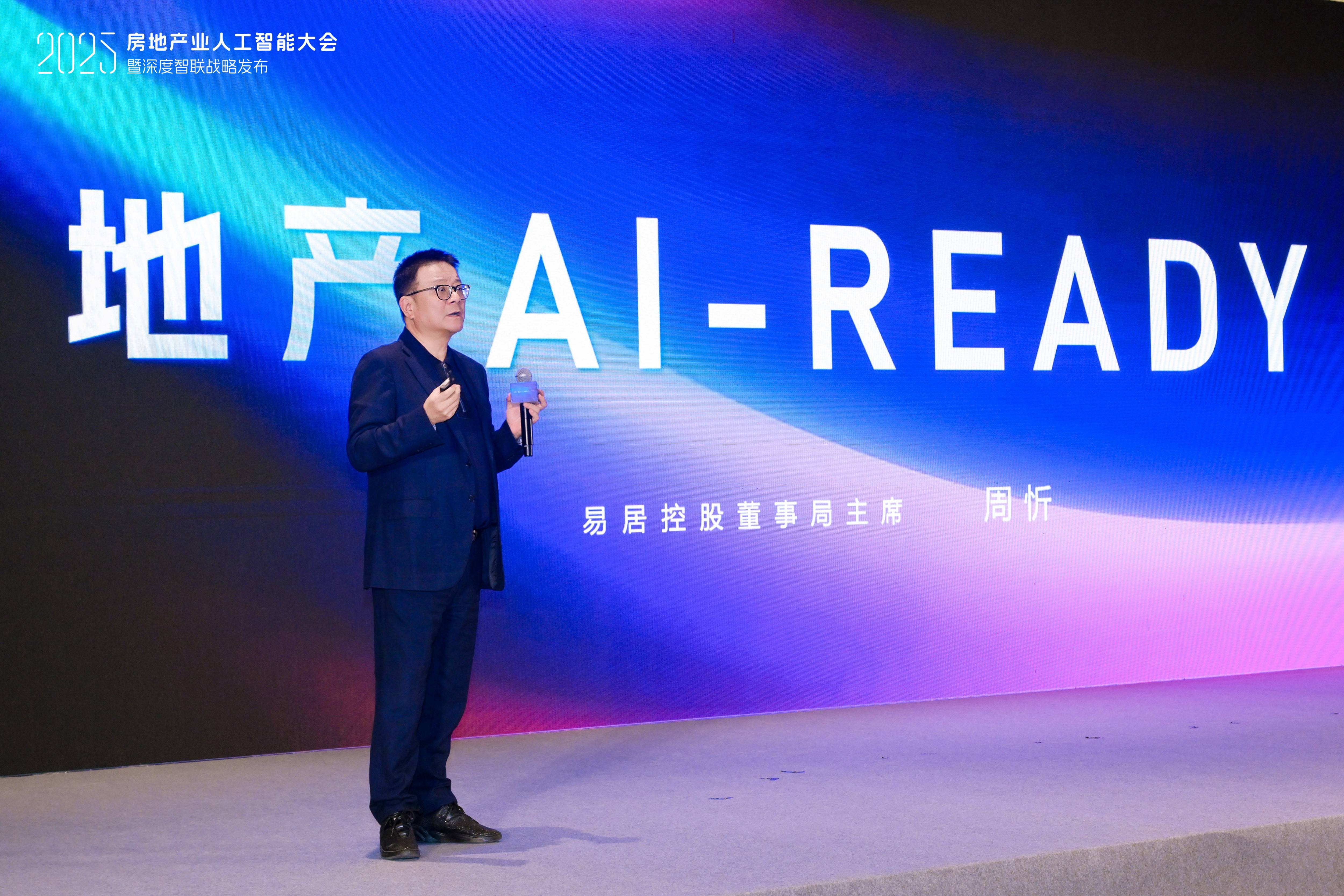
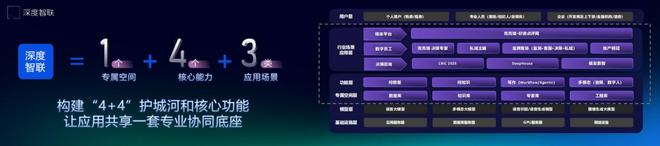
Core Insights - The focus of artificial intelligence is shifting from general models to "vertical intelligent agents" that can deeply engage with specific industries, marking a new competitive landscape in AI applications, particularly in the Chinese real estate sector [1] - Deep Intelligence has established a clear development path with its "AI + Real Estate" strategy, aiming to enhance quality and efficiency in the real estate industry [1][2] Group 1: Strategic Framework - Deep Intelligence introduced the "Real Estate AI-Ready" strategy, which is built on "one exclusive space, four core capabilities, and three application scenarios," presenting a comprehensive system-level solution [2][3] - The intelligent architecture supporting this strategy includes a "Real Estate Brain" that allows all AI applications to share and evolve, ensuring consistency and professionalism from strategy to execution [3] Group 2: Core Capabilities - The four core capabilities include a database, knowledge base, expert repository, and engineering capability, forming a dedicated AI space for real estate [4] - The data moat will upgrade a vast, multidimensional dataset accumulated over 20 years into a structured database that AI models can read, providing reliable data for intelligent decision-making [4] - The knowledge moat will transform unstructured knowledge into traceable, verifiable, and inferable "industry secrets," ensuring AI outputs reflect professional language [4] - The industry moat will incorporate expert "thinking models" into AI, enabling it to understand business at an expert level [4] - The technology moat will integrate cutting-edge AI capabilities, such as the Agentic architecture, into specific products [4] Group 3: Product Offerings - Deep Intelligence has launched eight products covering three major application scenarios in real estate, including the CRIC2025 platform for decision-making and the "Digital Employee" for talent structure optimization [5][4] - These products aim to transform traditional data querying and manual analysis into automated workflows that deliver deep analytical reports [5] Group 4: Industry Trends - The shift towards vertical industry models is seen as a precursor to a new wave of AI application, with AI becoming integral to various sectors [9] - Companies are realizing that the speed of AI's impact on business is determined by their own transformation pace rather than just technological advancements [9][10] - Data quality is identified as a significant barrier to AI implementation in the real estate sector, affecting the entire industry [11] Group 5: Future Outlook - Deep Intelligence aims to be a reliable "co-builder" and "enabler" in the industry, continuously strengthening its professional moat and iterating on application products [11] - The company plans to open its core capabilities and interfaces to allow broader access to AI tools, fostering more applications in real estate [11] - A prediction is made that 2026 will be a breakout year for vertical industry AI applications in China [11]
我们准备好了!深度智联“地产AI-Ready”
克而瑞地产研究· 2025-12-15 09:50
Core Viewpoint - The article emphasizes the transformative potential of AI in the real estate industry, highlighting the launch of the "AI-Ready" strategy by Deep Intelligence, which aims to integrate AI deeply into the real estate sector, marking a shift from efficiency tools to comprehensive system restructuring [1][4]. Group 1: Growth Path - The real estate industry in China is entering a "stock era," focusing on operational efficiency, with Deep Intelligence positioning itself as a leader in AI innovation for this sector [2]. - Deep Intelligence builds on a solid foundation from its parent companies, leveraging 30 years of industry experience and 20 years of big data expertise to establish a clear development path towards "AI + Real Estate" [2]. - The company has developed core products that match the capabilities of mid to senior-level employees, demonstrating a strong understanding of the real estate domain compared to other AI platforms [2]. Group 2: AI-Ready Framework - Deep Intelligence's "AI-Ready" framework signifies readiness across data, knowledge, technology, business, and organization, encapsulated in a structured intelligent architecture [3]. - This framework acts as a vertical "intelligent operating system," ensuring consistency and professionalism from strategy to execution, delivering value in efficiency, cost, and quality [3]. Group 3: Building a Strong Moat - Deep Intelligence constructs a robust moat through four core capabilities: data, knowledge, industry expertise, and technology, creating a dedicated AI space for real estate [7][8]. - The data moat involves upgrading extensive datasets into a structured database for AI model accessibility, while the knowledge moat transforms unstructured knowledge into verifiable and retrievable formats [7]. - The industry moat incorporates expert "thinking coding" into AI, enabling it to replicate expert-level business understanding, while the technology moat ensures the integration of cutting-edge AI capabilities into products [8]. Group 4: Application Scenarios - Deep Intelligence has launched a series of eight products covering three major real estate scenarios, marking a significant step in making AI a reliable productivity tool in the industry [9]. - The company has restructured decision-making workflows in real estate, allowing users to obtain comprehensive analysis reports in a fraction of the time previously required [10]. - The introduction of "digital employees" signifies a new organizational model where AI collaborates with human workers, enhancing efficiency in various real estate tasks [11]. Group 5: Future Collaboration - Looking ahead to 2026, Deep Intelligence aims to strengthen its core advantages, iterate on products based on industry feedback, and open its capabilities and data interfaces to foster more AI applications in real estate [14]. - The "AI-Ready" initiative is not just about technology readiness but also invites collaboration across the industry to co-create an intelligent future [14].

房地产开发数据同比降幅超10%,地产AI落地能给行业带来解法吗?
Guan Cha Zhe Wang· 2025-12-15 09:41
Core Insights - The real estate industry is facing significant challenges, with a need for new development models and the integration of AI to enhance efficiency and quality [1] - National statistics indicate a 15.9% year-on-year decline in real estate development investment, totaling 7.8591 trillion yuan, with residential investment down by 15% [1] - The central economic work conference emphasizes the importance of stabilizing the real estate market and promoting the construction of quality housing [1] Group 1: AI Integration in Real Estate - Real estate companies are exploring AI applications to address industry challenges, with a focus on five key trends: technology selection, marketing applications, privatization frameworks, deep use of intelligent agents, and improving data quality [2] - Deep Intelligence's "Real Estate AI-Ready" strategy aims to assist real estate practitioners by providing a systematic solution that includes a dedicated AI space built from extensive data accumulated over 20 years [2] - The AI space will feature a structured database for intelligent decision-making, transforming unstructured knowledge into a verifiable industry language for quick understanding by practitioners [2] Group 2: AI Product Offerings - Deep Intelligence has launched eight products tailored to three major application scenarios in the real estate sector, including CRIC2025 for decision-making and the "Kerry Digital Employee" for market analysis and strategic assessments [3][4] - The "Kerry Digital Employee" automates various tasks such as market monitoring, customer service, and marketing decision-making, enhancing operational efficiency for real estate marketing teams [4] - The "Good House Review Network" redefines traditional property evaluation and recommendation processes, providing a one-stop intelligent service for homebuyers through natural language interactions [4] Group 3: Future Outlook - The chairman of E-House Holdings predicts that 2026 will be a breakthrough year for vertical AI applications in China, with Deep Intelligence planning to open its core capabilities and data interfaces to users [4]

深度智联地产AI就绪,房地产智能化进入“交付时刻”
3 6 Ke· 2025-12-13 10:58
Core Insights - The real estate industry is in the early stages of AI transformation, with a need for more companies to implement AI in core areas [2] - Deloitte's research indicates that while some companies report unmet expectations from AI investments, none have ceased their investments, highlighting a growing emphasis on AI [1] Group 1: AI Trends and Characteristics - Companies recognize that the speed of AI's impact on business is not aligned with the rapid development of AI technologies [1] - The focus is shifting towards integrating AI into core business functions rather than just easy-to-implement areas [1] - There is a general lack of awareness regarding risk management associated with AI applications, which is crucial for internal and external business operations [1] - Companies are experiencing a transformation in roles, with management attitudes towards AI significantly influencing development speed and intensity [1] Group 2: Industry-Specific AI Developments - Deep Intelligence has launched the "Real Estate AI-Ready" strategy, marking a shift from fragmented tool empowerment to a systematic deployment of AI across the industry [3] - The strategy includes a comprehensive product matrix covering three business scenarios, aiming to facilitate a data-driven transformation in real estate [3] - The company emphasizes the importance of data quality as a major challenge for AI implementation in the real estate sector [5] Group 3: Product Innovations and Applications - Deep Intelligence has introduced eight products that cover three major application scenarios in real estate, aiming to redefine decision-making processes [8] - The "CRIC2025" platform and other AI-driven tools are designed to automate complex tasks traditionally performed by human analysts [8] - The introduction of digital employees signifies a new organizational model where human and AI collaboration enhances efficiency in real estate operations [8] Group 4: Market Positioning and Competitive Advantage - Deep Intelligence's products demonstrate significant advantages in knowledge depth, data breadth, and application capabilities compared to general and vertical AI platforms [7] - The company is building a "data moat" by upgrading its extensive data resources into a structured database that supports AI decision-making [9] - The integration of expert knowledge into AI models allows for the scalable transfer of professional insights, enhancing AI's business understanding [9]