
冬果梨

Search documents
文化中国行丨甘肃兰州:梨园待春时 秧歌舞春风
Ren Min Ri Bao· 2026-02-19 02:27
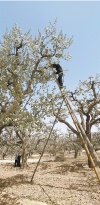
Core Viewpoint - The Gansu Lanzhou Gaolan Shichuan Ancient Pear Garden system has been recognized as a Globally Important Agricultural Heritage System by the Food and Agriculture Organization of the United Nations, highlighting the region's agricultural wisdom and cultural significance [1]. Group 1: Agricultural Heritage - The ancient pear garden spans thousands of acres and contains nearly 9,500 pear trees over 100 years old, with some exceeding 300 years, forming a rare living tree community [2]. - The ecological conditions, including an average altitude of 1,540 meters and abundant water supply from the Yellow River, contribute to the longevity and quality of the ancient pear trees [3]. - The traditional technique known as "Tianbashi," used for the care of tall ancient pear trees, has a history of over 300 years and is a key reason for the garden's recognition as a global heritage site [3]. Group 2: Cultural Significance - The "Tianbashi" technique involves seasonal tasks such as pollination in spring, branch protection in summer, harvesting in autumn, and pruning in winter, requiring skillful high-altitude work [4]. - The local government has implemented digital management for the ancient pear trees, enhancing protection and promoting educational visits from children across various regions [4]. Group 3: Local Economy and Employment - The Lanzhou beef noodle industry has rapidly developed, with over 1,200 noodle shops in Lanzhou and more than 69,900 shops nationwide, directly employing over 707,000 people and indirectly creating over 1 million jobs [7]. - The preparation of authentic Lanzhou beef noodles involves meticulous attention to detail, with specific requirements for each step, from dough preparation to soup seasoning [9]. - Recent government policies have been introduced to support the development of the beef noodle industry, ensuring high-quality growth and job security for workers in this sector [9].
黄河岸边的古梨园
Ren Min Ri Bao· 2025-10-25 22:12
Core Points - The ancient pear garden in Shichuan Town, Gansu Province, is recognized as the "world's first ancient pear garden" and is the origin of Chinese pear species, preserving the largest and highest quality ancient pear tree groups globally [1] - The garden features nearly 10,000 ancient pear trees, some over 500 years old, contributing to a sustainable agroforestry system alongside the Yellow River and the Loess Plateau [1] - In May of this year, the ancient pear garden system was designated as a globally significant agricultural cultural heritage site [1] Summary by Sections Historical Significance - The ancient pear garden is a vital historical site where pear cultivation originated, with a rich heritage linked to the local community's agricultural practices [1][3] - The introduction of waterwheels by local farmers around 500 years ago enabled irrigation from the Yellow River, facilitating the growth of ancient pear trees [3] Cultural Aspects - The garden is not only a natural wonder but also a cultural hub, where local traditions such as the performance of traditional instruments and unique farming techniques are preserved [4] - The "Tianbashi" technique, a unique farming skill developed by local pear farmers, showcases the blend of artistry and labor in pear cultivation [4] Agricultural Practices - The ancient pear trees, some reaching heights of 10 meters, require specialized tools like a sturdy wooden ladder for maintenance tasks such as pollination and harvesting [4] - The innovative design of the ladders reflects the ingenuity of local farmers, allowing them to work safely and effectively at great heights [4]

夜晚亮起来,消费火起来!兰州构建多元夜经济释放消费新活力
Sou Hu Cai Jing· 2025-07-19 06:03
Core Viewpoint - The night economy in Lanzhou is thriving, with various activities and events enhancing urban life and stimulating diverse consumer experiences during the summer season [1] Group 1: Night Economy Development - The night economy is becoming an essential part of urban commerce, with vibrant activities such as the Dazhong Alley New Light Night Market and cultural tourism streets attracting large crowds [1] - The "Night Tour of the Yellow River" has become a popular attraction, offering scenic views and cultural experiences along the river, showcasing Lanzhou's historical depth and modern vibrancy [3][5] Group 2: Consumer Behavior and Trends - The night shopping scene is bustling, particularly in Zhangye Road Pedestrian Street, where young entrepreneurs engage with customers through live streaming, highlighting the appeal of local products [6] - Traditional night markets are thriving, with vendors offering a variety of local delicacies, creating a lively atmosphere that draws both locals and tourists [12][13] Group 3: Cultural and Culinary Experiences - The night tour includes cultural events such as water-based music festivals, enhancing the overall experience for visitors [5] - Dining options are plentiful, with restaurants offering outdoor seating that allows guests to enjoy local cuisine while taking in the stunning night views of the Yellow River [10]

数量位居全球首位 我国新增三处全球重要农业文化遗产
Xin Jing Bao· 2025-05-22 06:34
Core Points - The United Nations Food and Agriculture Organization (FAO) announced the inclusion of six new global important agricultural heritage sites, with three located in China, bringing the total number of such sites worldwide to 95, of which China holds 25, the highest in the world [1][2][3] Group 1: Agricultural Heritage Sites in China - The three newly recognized agricultural heritage sites in China are the Deqing Pearl Cultivation System, the Fuding White Tea Culture System, and the Shichuan Ancient Pear Garden System [1][2] - The Deqing Pearl Cultivation System, which has been in practice for 800 years, utilizes a symbiotic relationship between fish and mussels, contributing to biodiversity protection and food security while providing stable livelihoods for over 22,000 residents [4][5] - The Fuding White Tea Culture System is recognized for its unique production process that combines ecological wisdom and craftsmanship, supporting rural livelihoods and preserving biodiversity through the cultivation of 18 tea tree varieties and over 120 other agricultural species [5][6] - The Shichuan Ancient Pear Garden System, known as the "world's first ancient pear garden," features over 9,000 ancient pear trees and integrates fruit cultivation with traditional agricultural practices, showcasing high historical, scientific, and cultural value [7][8] Group 2: Global Context and Significance - The FAO's initiative aims to establish a global network of important agricultural heritage sites to promote sustainable management and recognition of agricultural biodiversity and cultural practices [2][3] - The newly added sites from Brazil, Mexico, and Spain highlight diverse agricultural practices that enhance biodiversity, food sovereignty, and cultural identity, contributing to global efforts in sustainable agriculture [9][10][11]