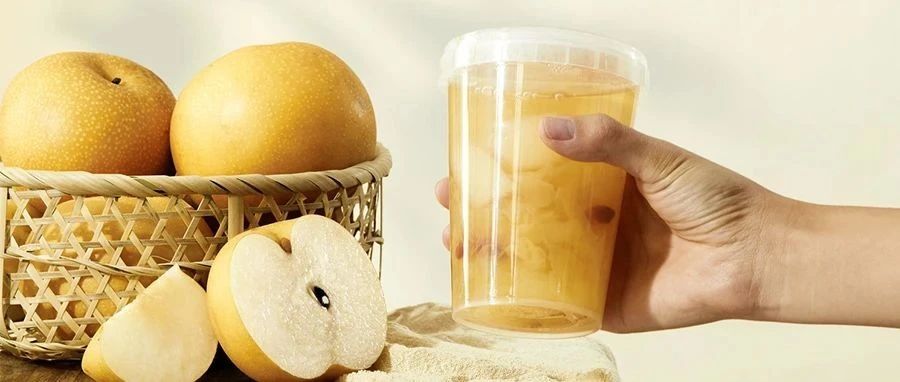
冰糖雪梨

Search documents
魏氏家族80后少帅接班,能拯救失血的康师傅帝国吗
首席商业评论· 2026-01-07 05:06
Core Viewpoint - The article discusses the transition of leadership at Master Kong (康师傅) as CEO Chen Yingrang retires, highlighting the challenges faced by the company in a changing market environment and the expectations for new CEO Wei Hongcheng to revitalize growth [7][8][11]. Company Transition - Chen Yingrang, who has led Master Kong for many years, will retire at the end of 2025, with Wei Hongcheng set to take over as CEO starting January 1, 2026 [7]. - Wei Hongcheng is the third son of the founder and is part of the Wei family, which has maintained control over the company [9]. Financial Performance - In the first half of 2025, Master Kong reported revenues of 40.092 billion yuan, a decrease of 1.109 billion yuan or 2.69% year-on-year [7]. - The number of distributors decreased from 67,215 at the end of 2024 to 63,806 in the first half of 2025, indicating a significant reduction from 76,875 at the end of 2023 [7][18]. Market Challenges - The rise of the food delivery industry has significantly impacted the demand for instant noodles, which were once a staple for consumers [13]. - Master Kong faces intense competition from major internet companies like Alibaba, Meituan, and JD.com, which have reshaped consumer habits [13]. - The company’s beverage segment, which contributes 65.74% of total revenue, saw a revenue decline of 2.61%, while the instant noodle segment, contributing 33.59%, experienced a 2.52% decline [17]. Strategic Adjustments - Master Kong is attempting to adapt by implementing a "one code for one item" strategy to enhance channel control and reduce gray market profits [18]. - The company has also seen a decline in customer prepayments, which dropped to 912 million yuan in the first half of 2025 from 1.25 billion yuan in 2024 and 1.521 billion yuan in 2023, indicating waning confidence among distributors [20][21]. Profitability Measures - Despite revenue declines, Master Kong reported a net profit of 2.271 billion yuan in the first half of 2025, up over 20% from 1.885 billion yuan in the previous year [23]. - The company has pursued strategies such as product premiumization and cost reduction, alongside price increases for key products, to maintain profitability [23]. Competitive Landscape - The competitive landscape for ready-to-drink tea has shifted, with Master Kong's market share in this segment decreasing from 29.5% to 27.7%, while competitors like Nongfu Spring's "Oriental Leaf" have increased their share from 19.9% to 24.8% [27]. - The article highlights the significant market capitalization gap between Master Kong and emerging tea brands, indicating a shift in consumer preferences [15][27].



一升装的「工地饮料」,成了打工人的营养液
36氪· 2025-09-18 00:19
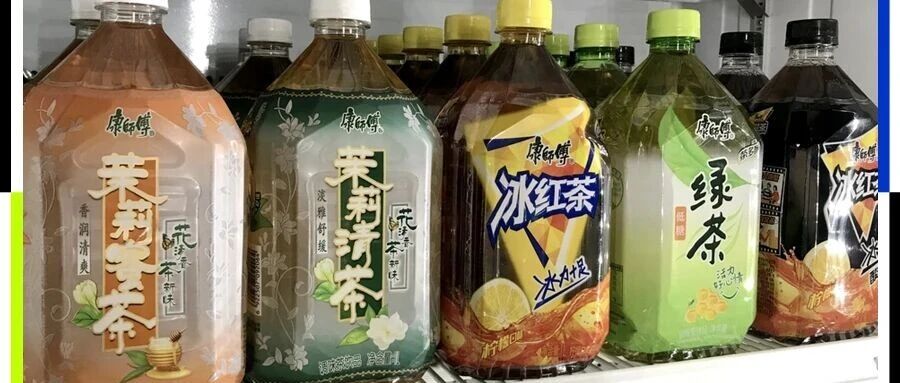
Core Viewpoint - The article discusses the rising popularity of 1L bottled drinks, referred to as "construction site drinks," among young white-collar workers, highlighting their affordability and perceived health benefits compared to other beverages [4][11][20]. Group 1: Market Dynamics - The 1L bottled drinks are seen as a cost-effective option, with prices as low as 2.9 yuan during group purchases, making them more appealing than smaller, more expensive bottles [11][8]. - As other beverages increase in price or decrease in quantity, the pricing of 1L drinks remains stable, attracting budget-conscious consumers [11][42]. - The competition among brands has intensified, with various companies launching their versions of "construction site drinks," including well-known brands like 康师傅 and 农夫山泉 [40][41]. Group 2: Consumer Behavior - Young professionals have shifted their preferences, finding comfort in the simplicity and nostalgia of 1L drinks, which were previously dismissed as childish [30][52]. - The consumption of these drinks has become a social currency, allowing individuals to participate in group purchases without the pressure of expensive options like milk tea [38][39]. - The article notes that while these drinks are not considered healthy, they are perceived as less harmful than other options laden with artificial sweeteners [18][22]. Group 3: Cultural Significance - The 1L bottled drinks have evolved into a symbol of practicality and straightforwardness for young workers, contrasting with the more elaborate marketing of coffee and tea [33][35]. - The drinks are associated with a no-frills lifestyle, where the focus is on work efficiency rather than indulgence [35][49]. - The article emphasizes that these drinks evoke a sense of nostalgia and familiarity, making them a preferred choice for hydration and energy during work hours [52][53].
娃哈哈的当务之急
3 6 Ke· 2025-07-27 06:22
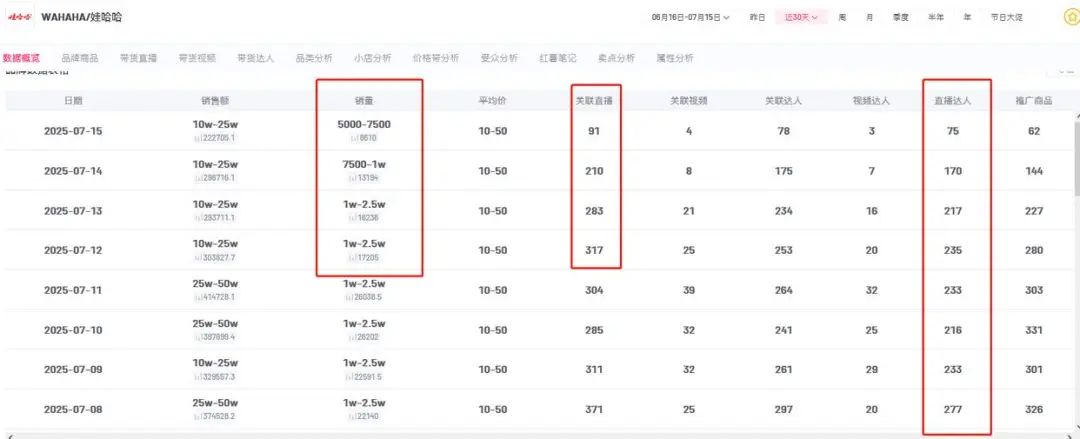
Group 1 - Wahaha is currently facing negative public opinion due to a heritage dispute, which has led to a significant decline in sales and live-streaming activities [1][3] - Sales on an e-commerce platform dropped from a range of 10,000 to 25,000 units to 5,000 to 7,500 units within two days, and the number of associated live streams fell from 371 to 91 in a week [1][2] - In contrast, the death of Wahaha's founder in 2024 previously resulted in a surge in both traffic and sales, with the market share of bottled water increasing from 4.17% to 20.04% in a few months [3] Group 2 - The company has struggled with product innovation for nearly 20 years, with no new major products launched since the Nutritional Fast Line in 2005 [4][5] - Competitors like Nongfu Spring and Uni-President have successfully developed strong single products, while Wahaha has failed to maintain its competitive edge in existing products [4][5] - The lack of new major products and increasing competition in the AD calcium milk segment poses a threat to Wahaha's market position [4][5] Group 3 - The company needs to refocus on normal operations and product innovation to address its long-standing issues [5] - Wahaha's previous successes were closely tied to the popularity of its AD calcium milk and purified water, which contributed to rapid growth in the early 2000s [6][7] - The company has attempted to innovate with new products but has faced challenges due to unclear market positioning and lack of differentiation [20][22][24] Group 4 - Recent internal conflicts and complex ownership structures have hindered Wahaha's ability to focus on core business issues [32] - The company must prioritize product development and innovation to regain its competitive edge in a rapidly evolving market [32]
无糖雪梨汁,给了我撑下去的勇气
半佛仙人· 2025-03-31 10:06
Core Viewpoint - The article reflects on the nostalgia and emotional connection to sugary drinks, particularly the author's fondness for a sugar-free version of a traditional drink, highlighting the struggle between health consciousness and the desire for indulgence [1][4][9]. Group 1: Personal Experience with Sugary Drinks - The author reminisces about enjoying sugary drinks like ice sugar pear when younger, associating them with carefree moments and happiness [4][6]. - A shift occurs when the author becomes health-conscious due to alarming health reports, leading to a rejection of sugary beverages [4][7]. - The emotional conflict arises from the love for these drinks versus the need to control sugar intake for health reasons [6][7]. Group 2: Introduction of Sugar-Free Alternatives - The introduction of a sugar-free drink, 桂香雪梨, brings back the familiar taste of ice sugar pear without the health risks associated with sugar [9][11]. - The author expresses excitement and relief at finding a drink that satisfies cravings while adhering to health guidelines [9][11]. - The experience of drinking 桂香雪梨 is described as a rediscovery of joy and indulgence, akin to a reunion with a long-lost friend [12].