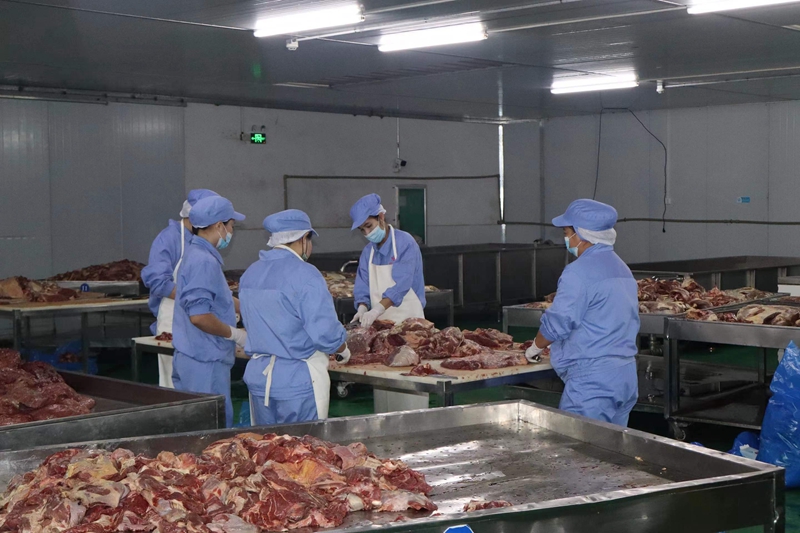
卤牛肉

Search documents
新鲜地道划算,游客爱上菜场和集市|新春走基层
Di Yi Cai Jing· 2026-02-23 07:22
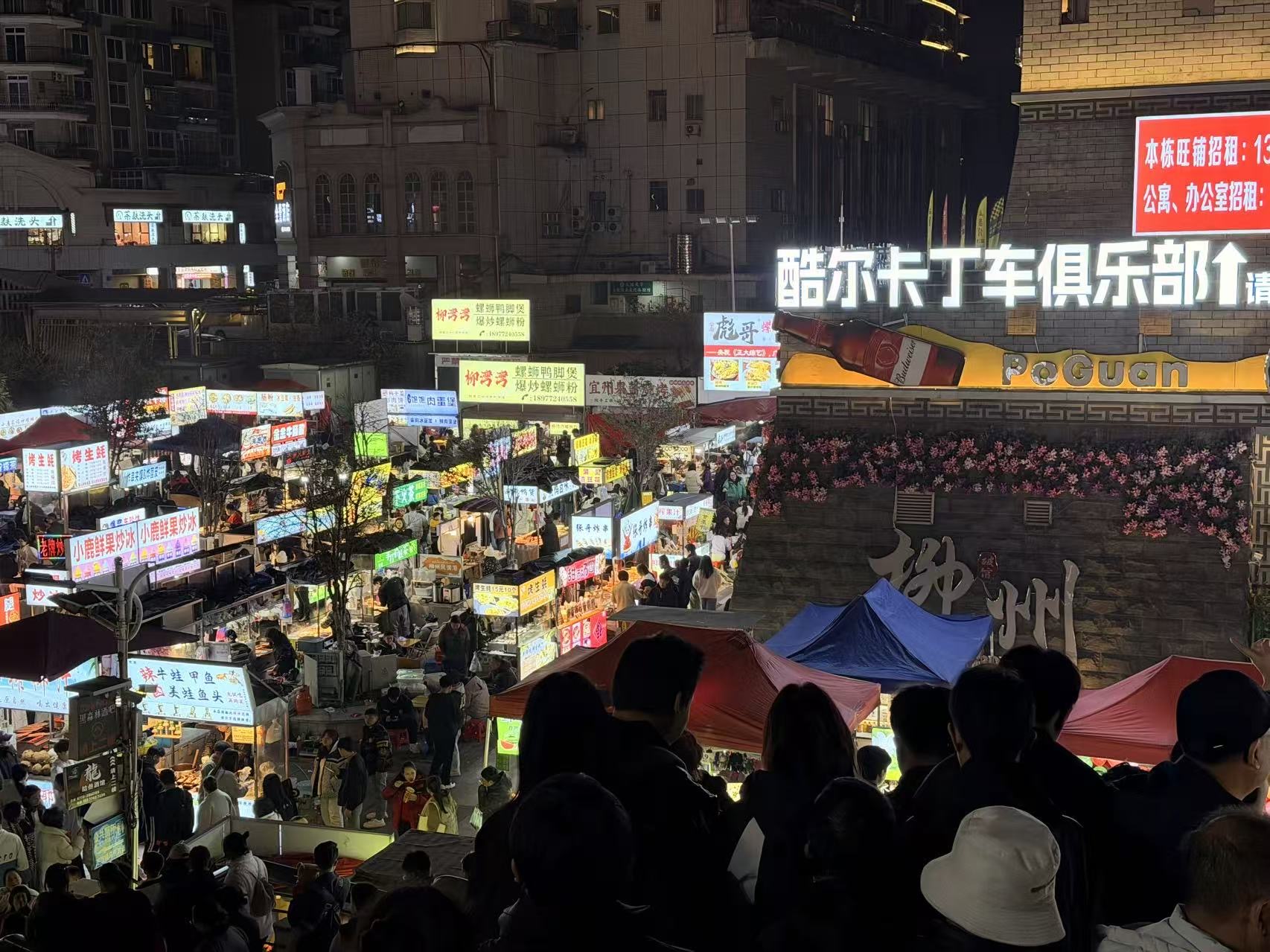
Core Insights - The rise of local markets and food stalls is attracting tourists, driven by their fresh, authentic, and affordable offerings, transforming them into popular destinations for visitors [1][4][8] Group 1: Market Trends - Local markets are becoming increasingly popular among tourists, with unique offerings and experiences that cater to the growing demand for authentic local culture [1][4] - The transformation of traditional markets into diverse business models that include fresh produce, ready-to-eat foods, and local specialties is essential for attracting visitors [4][8] - The success of markets like the Red Special Street in Harbin demonstrates the importance of effective management and regulatory practices to maintain quality and trust among tourists [11][13] Group 2: Consumer Behavior - Younger consumers are shifting their preferences towards experiential and localized shopping, seeking high-quality, culturally distinctive products [8][17] - The emergence of niche markets, such as pet supplies and senior products, reflects the deepening of consumer segmentation and the potential for targeted community engagement [14][17] - Tourists are increasingly interested in purchasing local specialties and souvenirs, indicating a trend towards experiential tourism that emphasizes local culture and products [6][16] Group 3: Management Challenges - The influx of tourists presents management challenges for local markets, including maintaining cleanliness and service quality, which are critical for sustaining visitor interest [9][13] - Effective management strategies, such as vendor registration and health certifications, are necessary to build trust and ensure food safety in popular markets [11][13] - The balance between commercialization and authenticity is crucial, as excessive commercialization may dilute the unique cultural experiences that attract visitors [8][9]

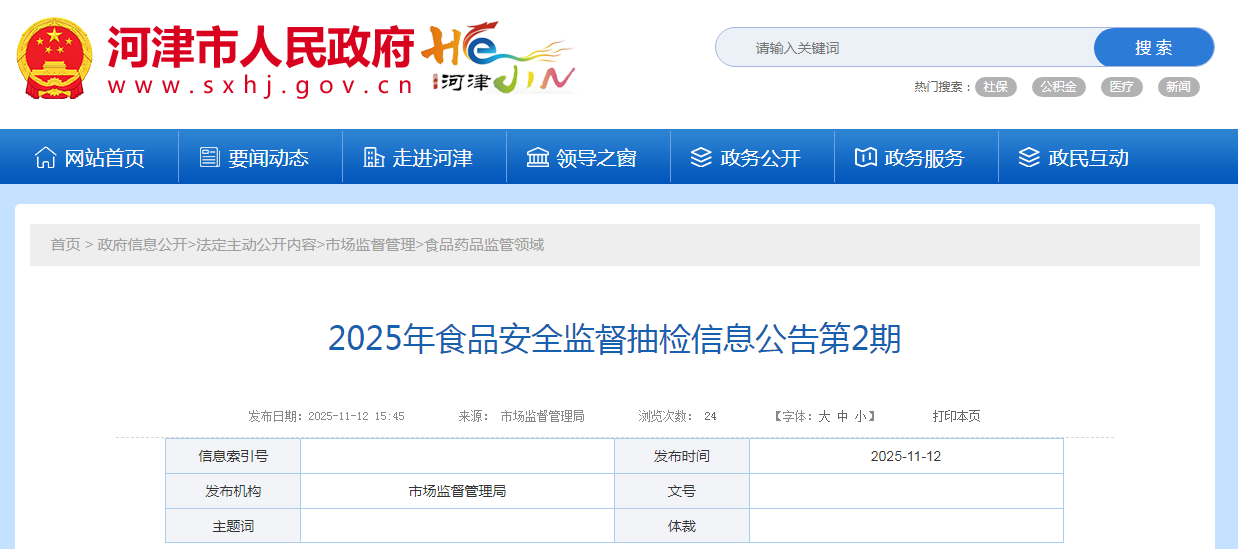
山西省 河津市市场监督管理局2025年食品安全监督抽检信息公告(第2期)
Zhong Guo Zhi Liang Xin Wen Wang· 2025-11-13 05:51
Core Points - The announcement details the results of the second phase of food safety supervision and random inspections conducted by the Hejin City Market Supervision Administration in 2025, covering 255 batches of various food products [3][4][5]. Summary by Category Inspection Results - A total of 255 batches were tested, with 250 batches deemed compliant and 5 batches found to be non-compliant, indicating a compliance rate of approximately 98.0% [3][4]. - The inspected food categories included biscuits, catering foods, tea and related products, nuts, egg products, starch and starch products, seasonings, bean products, convenience foods, honey products, pastries, canned foods, alcoholic beverages, grain processing products, meat products, dairy products, sugar, edible agricultural products, edible oils, vegetable products, frozen foods, candy products, beverages, and more [3][4]. Non-Compliant Products - The announcement specifies the non-compliant products, including details such as the name of the product, the sampling unit, the non-compliance item, and the test results, which exceeded the national food safety standards [4][5][6]. - For example, one product contained 0.60 mg/kg of pesticide residue (carbofuran), exceeding the allowable limit of 0.2 mg/kg [4][5]. Consumer Action - Consumers are encouraged to report any non-compliant products found in the market by calling the complaint hotline 12315 [3][4].
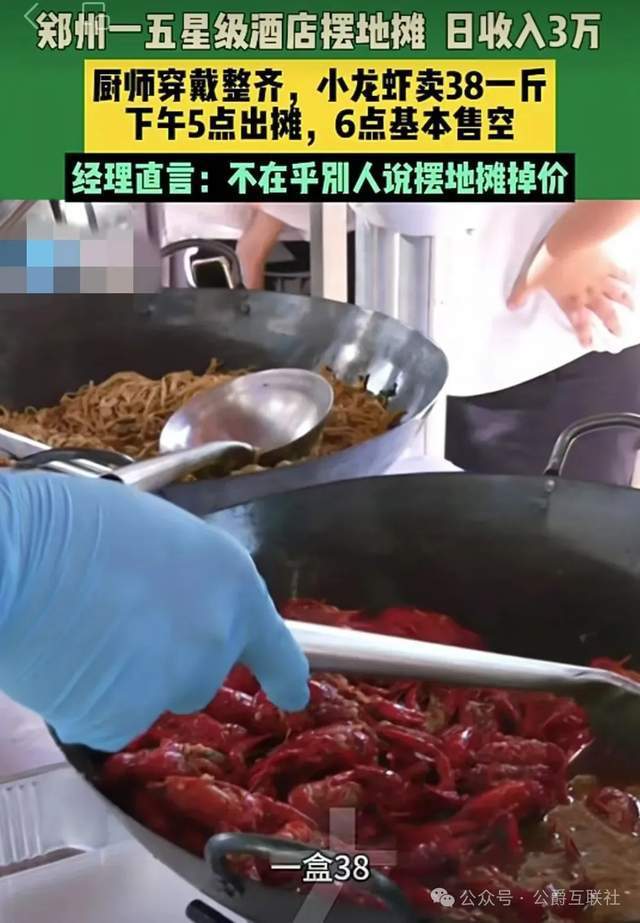
五星级大厨街头卖猪蹄:37分钟收入3万,酒店业向地摊低头
Sou Hu Cai Jing· 2025-07-10 14:48
Core Viewpoint - The high-end hotel industry in China is undergoing a significant transformation as luxury hotels adopt street food-style operations to attract customers and counter declining revenues. This shift reflects a broader trend of re-evaluating value in consumer spending, moving from exclusivity to accessibility in service offerings [1][12]. Industry Overview - The number of five-star hotels in China has decreased from 850 to 736 in less than five years, with a 4.1% decline in reception rates expected in 2024 [1][2]. - Average room prices have fallen below 600 yuan, currently at 599.72 yuan, with occupancy rates at a low 60.73% [2]. - High-end dining is facing dual pressures from policy changes and market shrinkage, with business banquet revenues dropping over 20% due to "ban on alcohol" policies and wedding registrations down 20.5% [2][3]. Case Studies - The Zhengzhou Yonghe Platinum International Hotel's "five-star street stall" has become a model for success, generating 30,000 yuan in a single day by selling affordable dishes like 38 yuan per jin (500g) crayfish [3][4]. - Other hotels, such as the Tianjin Ritz-Carlton and Hangzhou Zhijiang Hotel, have also adopted similar strategies, indicating a widespread trend among luxury hotels to engage in street food-style operations [5][6]. Consumer Behavior - 60% of customers at these new food stalls are first-time visitors to the hotels, indicating a shift in consumer perception where high-end dining is now seen as more accessible [4][5]. - The pricing strategy has been adjusted to match local street food prices, allowing consumers to enjoy high-quality meals at lower costs, thus enhancing perceived value [6][7]. Challenges and Risks - The sustainability of this new model is questioned due to low profit margins, with some hotels reporting only 15% gross margins and high labor and ingredient costs [8][9]. - The initial consumer excitement is waning, leading to concerns about the long-term viability of these operations as they struggle to maintain consistent customer traffic [9][10]. Future Directions - The industry is encouraged by local governments to explore new business models, with some hotels beginning to develop exclusive member markets and community services [10][11]. - Successful transformation will depend on balancing quality and scale, as well as redefining core competencies beyond just price competition [11][12].
海南自贸港封关在即,先行免税政策成效几何?
Di Yi Cai Jing· 2025-05-08 11:47
Core Policy - The processing value-added tax exemption policy is a core tax policy of Hainan Free Trade Port, allowing goods with over 30% processing value-added to be exempt from import duties when entering the mainland [3][4][11] - This policy aims to encourage deep processing and has been gradually implemented since its introduction in July 2021 [7][11] Company Benefits - Hainan Hongyan Food Co., Ltd. benefits from a 12% reduction in import duties due to this policy, significantly lowering production costs compared to processing in mainland China [3][4] - Jingrun Pearl Technology Co., Ltd. enjoys a 21% reduction in import duties, allowing for substantial cost savings and expansion plans for retail outlets [7][11] - The policy has led to a total of 43 companies benefiting, with a total exempted sales value of 75.5 billion yuan and tax reductions of 6.5 billion yuan by March 2025 [7][11] Challenges Faced - Companies face challenges in understanding how to meet the 30% value-added requirement, leading to confusion and operational difficulties [8][9] - The lack of clear standards for what constitutes deep processing complicates cost calculations and compliance with the policy [9][10] - Fluctuations in international raw material prices and domestic market acceptance add complexity to production processes, making it difficult for companies to adapt quickly to policy requirements [9][10] Future Considerations - There are calls from companies for adjustments in the calculation of value-added from domestic raw materials to better align with the policy's intent [10] - The Hainan customs authority is working to optimize the application experience for companies and provide support to help them better utilize the policy benefits [11]