
厚芋泥波波奶茶

Search documents
一份特色茶产品背后的文化消费升级密码
Xin Lang Cai Jing· 2026-02-01 01:44
Group 1 - The core idea of the articles emphasizes the cultural empowerment of tea, transforming it into a valuable commodity through innovative experiences and culinary integration [2][4][6] - In Fujian, the "Xiehui Tea Culture Museum" offers a unique menu that combines tea with various dishes, enhancing the dining experience and allowing consumers to engage with tea culture [2][3] - A survey indicates that 72% of respondents are willing to pay 20% more for brands with rich cultural connotations, highlighting the importance of cultural depth in branding [2] Group 2 - The integration of tea culture into modern lifestyles is evident in various innovative business models, such as "non-heritage tea spaces" and tea-themed cafes, which enhance consumer experiences [4][6] - In Yunnan, a tea-making experience center allows visitors to actively participate in the tea production process, fulfilling a deeper consumer desire for engagement and personal connection to the product [3][5] - The new tea beverage market is thriving, particularly among younger consumers, who are drawn to modern, stylish interpretations of traditional tea, blending it with contemporary flavors and cultural elements [6]
人文经济激活消费新动能丨一份特色茶产品背后的文化消费升级密码
Xin Hua Wang· 2026-01-31 10:54
Group 1 - The article highlights the cultural consumption upgrade in the tea industry, showcasing how traditional tea products are being integrated into modern lifestyles and consumer experiences [1][2]. - Innovative tea and food pairings, such as the "tea + meal" concept, are gaining popularity, with 72% of surveyed consumers willing to pay 20% more for culturally rich brands [2][3]. - The integration of tea culture into various consumer experiences, such as hands-on tea-making workshops, is enhancing consumer engagement and driving sales [3][4]. Group 2 - The new tea beverage market is thriving, particularly among younger consumers who are drawn to modern, stylish interpretations of traditional tea [7][8]. - The supply of base tea materials from Fujian is significant, with over 160,000 tons provided in 2023, accounting for more than half of the national supply, supporting innovation in new tea drinks [7][8]. - The tea industry is evolving through cultural integration, with brands leveraging unique cultural elements to differentiate themselves and avoid homogenization in the market [7][8].
越全球,越本土
Sou Hu Cai Jing· 2025-11-30 00:31
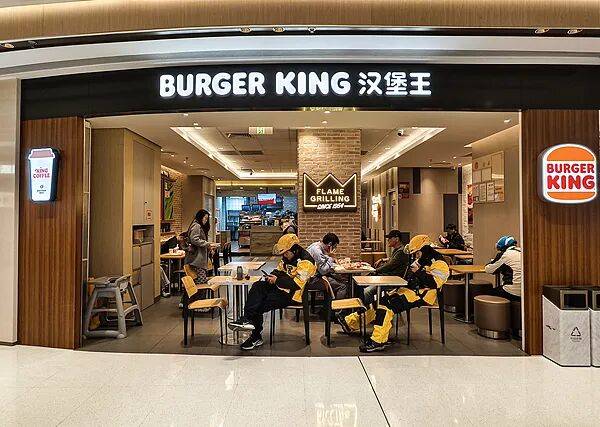
Core Insights - The partnership between Burger King China and private equity firm CPE Yuanfeng marks a shift in multinational companies' strategies in China, moving from replicating global models to focusing on local innovation [1] - This trend is reflected in similar collaborations among other major brands like Starbucks and McDonald's, indicating a systemic paradigm shift in the industry [1] Structural Motivations for Change - Regulatory environment pressures companies to deeply embed themselves in local markets, with new regulations demanding higher standards for data compliance and supply chain transparency [3] - Local capital's understanding of policy contexts provides a competitive edge, as they not only bring funding but also adaptability to local regulations [4] - The market competition is shifting towards a stock game, with local brands gaining significant market share, leading to a decline in pure foreign brand presence [4] Changing Consumer Demands - The Z generation has become the primary consumer group, with 78% preferring products that incorporate local cultural elements, and 65% viewing dining as a social experience [7] - Standardized global menus are increasingly unable to meet the complex demands of consumers, making localized adaptations more appealing [7] Localization Strategies - Product innovation is key, as seen with McDonald's "McNight Market" series, which tailored offerings to local tastes, resulting in a significant increase in nighttime sales [9] - Supply chain restructuring is also crucial, with Yum China establishing local sourcing to reduce costs and improve delivery times, leading to substantial growth in their coffee business [10] - Cultural integration is essential, exemplified by Starbucks' incorporation of traditional Chinese cultural elements into store designs, enhancing local cultural resonance and customer loyalty [10] Impact of Localization - The localization transformation is reshaping competitive dynamics, with foreign brands seeing an average market share increase of 12% through local capital involvement, while pure foreign brands decline by 8% [14] - Private equity firms are evolving from mere financial investors to entities that provide policy understanding and management expertise, creating a "capital + capability" empowerment model [14] - The trend is redefining globalization, shifting from a simplistic "Western model export" to a more nuanced "multi-center customization and global collaboration" approach [14] Future Directions - By the end of the year, it is expected that 70% of foreign dining brands will establish R&D centers in China, leveraging local technological advancements to enhance their offerings [15] - ESG practices are anticipated to become more localized, with a focus on sustainable packaging and energy-efficient equipment [15] - Cultural resonance will be a competitive battleground, with many foreign brands expected to launch product lines specifically designed for the Chinese market [15] - The success of multinational companies in China will increasingly depend on their ability to root themselves locally, moving from being "foreigners" to "co-builders" and "co-creators" [16]

沪上阿姨入选恒生指数,上半年营收18.18亿元彰显成长潜力
Bei Ke Cai Jing· 2025-08-28 04:16
Core Viewpoint - The new tea beverage company, Hushang Ayi, has reported strong revenue and net profit growth in its first financial report since going public, reflecting its successful expansion into lower-tier markets and robust supply chain management [1][2]. Financial Performance - For the first half of 2025, Hushang Ayi achieved a revenue of 1.818 billion yuan, a year-on-year increase of 9.7% - Gross profit reached 572 million yuan, up 10.4% - Net profit was 203 million yuan, growing by 20.9% - Adjusted net profit stood at 244 million yuan, a 14.0% increase - Basic earnings per share were 1.97 yuan, reflecting a 19.4% growth - The company plans to distribute an interim dividend of approximately 71.12 million yuan, pending shareholder approval [2][3]. Market Strategy - Hushang Ayi has focused on expanding its presence in lower-tier markets, with 51.1% of its stores located in third-tier cities and below as of June 30, 2025 - The company has increased its total number of stores to 9,436, adding nearly 1,000 stores year-on-year [3][4]. Supply Chain and Franchise Support - The company operates a comprehensive supply chain network, including 13 logistics bases, 4 equipment warehouses, 7 fresh produce warehouses, and 14 cold chain warehouses - Hushang Ayi supports its franchisees through a standardized and digitalized management system, providing assistance in site selection, store opening, and ongoing operational support [3][6]. Brand and Product Innovation - Hushang Ayi has developed a multi-brand strategy, including its main brand, Hushang Ayi, and two others: Tea Waterfall and Huka, targeting different market segments - The company launched 136 new products in the first half of 2025, focusing on health-oriented beverages that appeal to younger consumers [7][8]. - Marketing efforts have generated significant attention, with products like the "Dark Night Rose" series achieving approximately 300 million online exposures and strong sales [9]. Capital Market Recognition - Hushang Ayi has been included in the Hang Seng Composite Index, indicating strong market recognition of its business performance and value [1][9].