圣泽901

Search documents
福建公务员靠“做鸡”,干出351亿的商业帝国
Sou Hu Cai Jing· 2026-02-14 13:38
Core Insights - China is the world's largest consumer of broiler chickens, consuming approximately 7 billion white feather broilers annually [1] - Fujian Shengnong Holding Group is a leading player in the Asian poultry industry, accounting for nearly 50% of China's production and 70% of the global market [3] - Shengnong Group has developed a comprehensive supply chain, producing not only raw and cooked chicken but also utilizing by-products like blood, feathers, and manure [3][6] Company Overview - Shengnong Group's market capitalization once reached 20.5 billion yuan, with projected revenues of 35.113 billion yuan by 2025 [3] - The company has established itself as the largest listed company in the chicken farming sector in China [3] - The founder, Fu Guangming, initially started with a small chicken farm and has since transformed the business into a major commercial empire [10][12] Technological Advancements - Shengnong Group invested in imported automated processing equipment to improve hygiene and efficiency, which attracted major clients like KFC [6] - The company successfully developed a domestically bred chicken variety, "Shengze 901," which can be harvested in about 40 days with lower feed requirements [6][9] Global Market Expansion - Shengnong Group has established long-term partnerships with major retailers like Walmart and Carrefour, and has supplied chicken for significant events such as the G20 Summit and the Beijing Olympics [8] - The company exports over 20,000 tons of chicken to Japan annually and has also sold breeding eggs and chicks to countries like Tanzania and Tajikistan [9] Financial Performance - Shengnong Group's net profit is projected to reach 1.4 billion yuan by 2025, with a significant increase from 724 million yuan in 2024 [23] - The company has managed to reduce feed costs by approximately 300 million yuan annually due to its self-developed breeding stock [23] Industry Impact - The development of "Shengze 901" marks a significant shift in China's poultry industry, moving from reliance on imported breeding stock to self-sufficiency [23] - This transition has allowed China to gain core pricing power and development autonomy in the global poultry market, positioning the country as a strong player in the industry [23]


我们吃掉了全球30%的肉?官方:是真的!
Sou Hu Cai Jing· 2026-02-10 18:20
Core Insights - China's meat production is projected to exceed 100 million tons in 2025, marking a significant milestone in the country's agricultural development [1] - The total meat consumption in China accounts for nearly one-third of the global total, reflecting the country's substantial demand and production capabilities [1] Group 1: Pork Industry - Pork constitutes 59.38 million tons of the total meat production, representing nearly 60% of the overall output [4] - Technological advancements have significantly improved the efficiency and controllability of pig farming, with companies like Muyuan Foods utilizing over 1.9 million smart devices to enhance production efficiency by over 35% [4][6] - The breeding system has been modernized, with over 95% of pork produced from three main breeds, supported by a comprehensive breeding system [6] Group 2: Beef Industry - Beef production has increased from approximately 6.13 million tons in 2013 to 7.53 million tons in 2023, with an annual growth rate of about 2.1% [10] - Despite domestic production growth, there remains a significant supply-demand gap, leading to a 73% increase in beef imports from 2019 to 2024 [10][12] - The Chinese government has initiated trade relief investigations to stabilize the domestic beef market, implementing measures to protect local producers while ensuring market supply [12] Group 3: Sheep and Poultry Industries - Sheep meat production is stable, with an output of 5.18 million tons in 2024, contributing to dietary diversity and farmer income [10] - Poultry meat production is projected to reach 28.37 million tons in 2025, with a 6.7% year-on-year increase, playing a crucial role in stabilizing overall meat prices [14] - The poultry industry benefits from high efficiency and continuous improvements in breeding and disease control, with a 90% share of intensive farming practices [15] Group 4: Animal Disease Control - The stability of the meat industry is underpinned by a robust animal disease prevention system, which has effectively controlled major animal disease outbreaks [22] - The government has implemented a comprehensive regulatory framework to enhance disease monitoring and response capabilities, achieving a high compliance rate in mandatory vaccinations [19][21] - The focus on sustainable practices has led to significant reductions in feed usage and antibiotic application, contributing to the green development of the livestock sector [22]
揭秘“吃鸡自由”背后的科技力量
Zhong Guo Jing Ji Wang· 2026-02-05 08:01
Group 1 - Chicken is the second largest meat consumption product in China, with broiler chickens accounting for over 70% of chicken production [1] - By 2025, China is expected to consume over 9 billion broiler chickens, with domestic varieties holding over 30% market share and exports to countries like Tajikistan, Pakistan, and Tanzania [1] - The average weight of broiler chickens at market age exceeds 3 kg, requiring only 1.5 to 1.6 kg of feed for each additional kg of meat [1] Group 2 - Fujian Shengze Biotechnology Development Co., Ltd. is the birthplace of the "Shengze 901" breed, which has expanded its market share by promoting 47 million parent stock sets across 15 provinces [2] - "Shengze 901" has also begun exporting to Belt and Road countries, with nearly 10,000 parent stock sets and over 270,000 eggs exported, marking a significant entry into African and Central Asian markets [2] - The national breeding joint task force has accelerated research and development in molecular breeding and disease prevention technologies during the 14th Five-Year Plan period [2] Group 3 - The "Guangming 2" breed, supported by the Chinese Academy of Agricultural Sciences, has made progress in genomic breeding technology, reducing breeding cycles by 2 to 3 generations [3] - The "Wode 188" breed has also emerged in the market, with over 633,000 parent stock sets promoted and a complete disease purification barrier established [3] Group 4 - The broiler chicken industry has entered an intelligent farming phase, utilizing IoT, cloud computing, big data, and blockchain for management [4] - The "Shengze 901" breed employs advanced computational capabilities for genomic selection analysis and bioinformatics, maximizing social, economic, and ecological benefits [4]
华源证券:中国农业板块正站在周期底部与技术拐点交汇关键点 预计进入深度洗牌期
Zhi Tong Cai Jing· 2026-01-13 02:47
Core Viewpoint - The agricultural sector in China is at a critical juncture where technological advancements are reshaping cost structures, leading to a "survival of the fittest" scenario by 2026, with leading companies emerging as core assets that can navigate through cycles and focus on high-quality growth [1] Group 1: Industry Dynamics - The agricultural sector is experiencing a structural adjustment due to traditional overcapacity and capital misallocation, resulting in many inefficient entities facing debt and management crises [1] - New agricultural technologies, such as gene editing and precision feeding, are being rapidly adopted, allowing leading companies to expand market share and drive the industry towards higher efficiency and quality [1][2] - In the pig farming sector, leading companies have stabilized production costs at the lower end of the industry cost curve, while smaller firms struggle to upgrade technologically, widening the cost gap [2] Group 2: Technological Advancements - Leading companies are leveraging breeding technology to enhance efficiency, with examples including the collaboration between Muyuan and Topigs Norsvin to improve breeding performance [3] - Digital solutions, such as AI precision feeding and IoT environmental sensing, are becoming essential for large-scale farms, significantly improving production efficiency and management [4] Group 3: Market Trends and Pricing - The protein market is expected to enter a phase of capacity reduction by 2026, with structural price increases anticipated for beef and dairy products, while pork supply pressures are expected to persist [5] - The average price of feed ingredients like soybean meal and corn is at a low point, but potential upward pressure exists due to various uncertainties, impacting the midstream farming and feed sectors [6] Group 4: Capital and Investment Landscape - The capital landscape is shifting, with a significant reduction in external capital entering the industry, leading to a deep restructuring phase [7] - The industry is facing high vacancy rates and low rental costs, allowing capable companies to adopt lighter asset models and transition from production-focused to service-oriented business models [7]
“把当家品种牢牢攥在自己手里”——种业振兴行动五年成效回望
Huan Qiu Wang· 2025-12-11 07:27
Core Viewpoint - The Chinese government emphasizes the importance of seed industry development for food security, with significant initiatives and policies aimed at revitalizing the seed industry and ensuring self-sufficiency in seed production [1][2]. Group 1: Seed Industry Development - The seed industry is recognized as a cornerstone of food security, with a focus on self-reliance in seed production and the cultivation of domestic varieties [1]. - The "14th Five-Year Plan" has seen the implementation of the Seed Industry Revitalization Action Plan, leading to notable achievements such as over 95% of crop varieties being independently bred and domestic market shares for livestock and aquaculture seeds exceeding 80% and 85%, respectively [1][2]. Group 2: Resource Management - A nationwide agricultural germplasm resource survey, the largest since the founding of New China, has collected 139,000 crop resources and 1.07 million livestock genetic materials, aiding in the recovery of endangered species [2]. - The establishment of a national information service platform has facilitated the sharing and utilization of germplasm resources, benefiting over 1,500 breeding innovation entities [2]. Group 3: Crop and Livestock Innovations - New crop varieties such as disease-resistant wheat and high-yield soybeans have been developed, significantly contributing to increased grain production [3]. - The domestic market share for white feather broiler breeds has surpassed 28%, with successful exports to countries like Tanzania and Pakistan [3]. Group 4: Base Construction and Upgrades - The establishment of national seed production bases has been prioritized, with significant improvements in high-standard farmland coverage, reaching 86% for major crops [6][7]. - Advanced technologies such as IoT systems for rice seed production have been implemented, enhancing efficiency and traceability in seed production [8]. Group 5: Enterprise Support and Market Dynamics - The government has identified 270 key seed enterprises to strengthen the industry, with significant investments in R&D leading to improved competitiveness in international markets [9][10]. - The seed industry has seen a doubling of R&D investment since 2020, with a notable shift towards achieving a trade surplus in seed exports for the first time [10]. Group 6: Regulatory and Legal Framework - The government has strengthened the legal framework for seed protection, including revisions to the Seed Law and enhanced intellectual property protections [11]. - Continuous enforcement actions have led to a 20% decrease in seed-related infringement cases since 2020, improving market integrity [11].
“十四五”,我们见证这些硬核突破|从粒粒良种,到仓廪充盈
Ren Min Ri Bao Hai Wai Ban· 2025-11-04 07:41
Core Insights - China is implementing a seed industry revitalization action plan during the 14th Five-Year Plan period, achieving over 95% of crop breeding area with domestically bred varieties, including high-yield rice and disease-resistant wheat [1][3][4] Group 1: Crop Breeding Achievements - Breakthrough varieties of staple crops such as rice and wheat have been developed, with significant increases in yield; for instance, the combined yield of regenerated rice and mid-season rice in Sichuan reached over 1300 kg per mu [3][4] - The average yield of early rice is projected to exceed 400 kg per mu by 2025, marking a historical high [4] - New wheat varieties, such as "Yangmai 53," have been developed to combat diseases like Fusarium head blight, achieving a yield increase of 10.13% compared to control varieties [4][5] Group 2: Livestock and Aquaculture Innovations - The domestic breeding of white feather broilers has transitioned from 100% reliance on imports to the introduction of varieties like "Shenze 901," which has begun to penetrate international markets [6][7] - The market share of domestically bred white feather broilers has surpassed 25%, while the Huaxi cattle breed has achieved over 20% market share, reducing dependency on imported livestock [7] - The self-bred South American white shrimp varieties now hold over 30% of the market, previously costing millions in imports [7] Group 3: Genetic Resource Survey and Utilization - A comprehensive national agricultural germplasm resource survey has been conducted, collecting 139,000 new germplasm resources, which are crucial for breeding superior varieties [9][10] - The survey has identified and protected traditional local varieties and wild relatives, enhancing the foundation for breeding high-yield and resilient crops [10]
农作物自主选育品种占比超95%,多个品种打破国外种源依赖——从粒粒良种,到仓廪充盈
Ren Min Ri Bao Hai Wai Ban· 2025-11-04 07:40
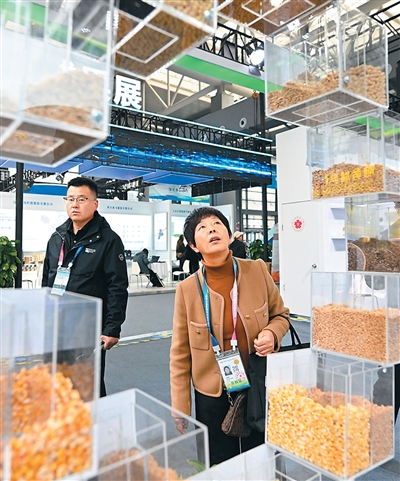
Core Insights - The article emphasizes the significant advancements in China's agricultural seed industry during the "14th Five-Year Plan" period, highlighting the development of high-quality and high-yield crop varieties, which have led to increased self-sufficiency in food production [1][2][3][4][5][6][7][8] Group 1: Crop Innovations - China has successfully bred a variety of high-yield rice, wheat, and other crops, with over 95% of the cultivated area consisting of self-bred varieties [1] - In Sichuan Province, the introduction of breakthrough rice varieties has led to an average yield of over 1300 kg per mu (approximately 2170 kg per hectare) [2] - The development of disease-resistant wheat varieties, such as "Yangmai 53," has resulted in a yield increase of 10.13% compared to traditional varieties [3] Group 2: Livestock and Aquaculture - The domestic breeding of white feather broilers has transitioned from complete reliance on imports to achieving over 25% market share, with significant exports to international markets [4][5][6] - The introduction of the Huaxi cattle breed has improved domestic beef production, achieving a market share exceeding 20% [6] - The self-bred varieties of South American white shrimp have also gained a market share of over 30%, reducing previous import costs significantly [6] Group 3: Genetic Resource Management - A comprehensive national agricultural germplasm resource survey has been conducted, collecting 139,000 new germplasm resources, which is crucial for breeding superior varieties [7][8] - The survey has identified and protected traditional local varieties and wild relatives, enhancing the genetic diversity available for breeding programs [8] - Over 6000 germplasm resources have already been applied in breeding innovation and industrial development, supporting the goal of enhancing self-innovation capabilities in the seed industry [8]
从粒粒良种,到仓廪充盈(“十四五”,我们见证这些硬核突破⑦)
Ren Min Ri Bao Hai Wai Ban· 2025-11-03 22:46
Core Insights - The article highlights China's significant advancements in agricultural seed breeding during the "14th Five-Year Plan" period, focusing on the development of high-yield and disease-resistant crop varieties, which have led to increased food security and market competitiveness [6][7][10]. Group 1: Crop Breeding Innovations - China has implemented a seed industry revitalization action plan, resulting in over 95% of crop varieties being independently bred, including high-yield rice, drought-resistant wheat, and high-oil soybeans [6][7]. - In Sichuan Province, the introduction of high-yield rice varieties has led to a combined yield of over 1300 kg per mu (approximately 0.067 hectares), showcasing the effectiveness of new breeding techniques [7][8]. - The development of disease-resistant wheat varieties, such as "Yangmai 53," has resulted in a yield increase of 10.13% compared to traditional varieties, marking a significant achievement in wheat breeding [8][9]. Group 2: Livestock and Aquaculture Breeding - The successful breeding of domestic white-feather broilers, which previously relied entirely on imports, has now achieved a market share exceeding 25%, ensuring a stable supply of poultry [10][11]. - The introduction of the Huaxi cattle breed has broken the dependency on imported beef cattle, with a market share surpassing 20% and an average daily weight gain of 1.36 kg [11]. - The development of 12 new varieties of South American white shrimp has led to a market share of over 30%, significantly reducing the reliance on imported shrimp [11]. Group 3: Genetic Resource Survey - A comprehensive national agricultural germplasm resource survey has been conducted, collecting 139,000 new germplasm resources, which are crucial for breeding high-quality crop varieties [13][14]. - The survey has identified and protected traditional local varieties and wild relatives, enhancing the genetic diversity available for future breeding efforts [14]. - Over 6000 germplasm resources have already been applied in breeding innovation and industrial development, supporting the goal of enhancing China's seed industry [14].

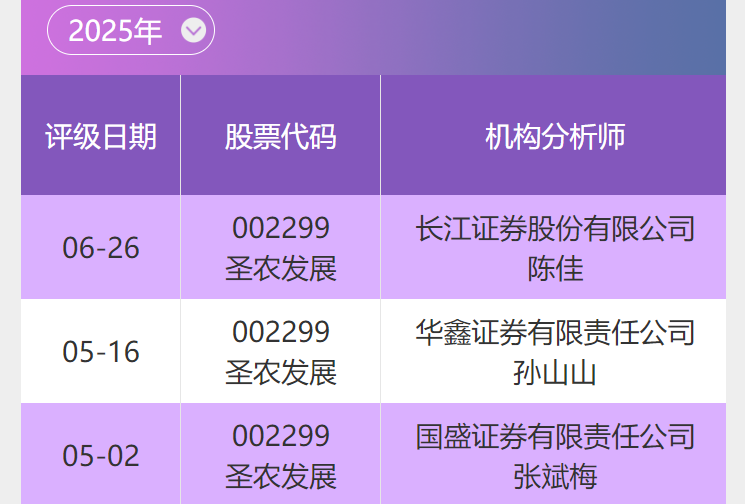
圣农发展产销两旺净利增超7倍 完善业务布局肉制品营收占41.7%
Chang Jiang Shang Bao· 2025-08-18 23:49
Core Viewpoint - Despite a challenging industry environment, the company achieved significant growth in revenue and net profit during the first half of 2025, indicating strong operational resilience and strategic positioning [1][2]. Financial Performance - The company reported a revenue of 8.856 billion yuan, a year-on-year increase of 0.22% [2]. - The net profit attributable to shareholders reached 910 million yuan, reflecting a remarkable year-on-year growth of 791.93% [2]. - The company's overall gross margin improved to 11.97%, up 2.73 percentage points from the same period in 2024 [3]. Production and Sales - The company experienced growth in both production and sales, with chicken sales volume reaching 660,900 tons, an increase of 2.50%, and processed meat product sales volume at 174,500 tons, up 13.21% compared to the first half of 2024 [2][3]. - The revenue structure shifted, with chicken business revenue decreasing from 57.59% to 52.77%, while processed meat business revenue increased from 35.09% to 41.70% [2]. Market Presence - The company primarily operates in the domestic market, generating 8.012 billion yuan from domestic sales, a 1.29% increase, while international sales reached 354 million yuan, growing by 26.71% [3]. - The company has established long-term strategic partnerships with major clients such as Yum China, McDonald's, and Walmart, leveraging its competitive advantages in the white feather chicken industry [5]. Strategic Initiatives - The company completed a significant acquisition of 54% of Sun Valley Food Technology Group for 1.126 billion yuan, enhancing its market position and adding an annual production capacity of 6.5 million chickens [5]. - The investment income from joint ventures surged by 1,097.95% to 620 million yuan, accounting for 66.72% of total profit [6]. Research and Development - The company has consistently invested in R&D, with total expenditures exceeding 397 million yuan over the past three and a half years, and a notable increase of 18% in R&D spending in the first half of 2025 [6]. - The company has made significant advancements in breeding technology, successfully developing the "Shenze 901plus" strain, which improves feed efficiency and overall breeding performance [6].
投研通分享|圣农发展 白羽肉鸡全产业链龙头企业
2 1 Shi Ji Jing Ji Bao Dao· 2025-08-06 07:31
Core Viewpoint - The article highlights the strong performance and growth potential of Shengnong Development, a leading company in the poultry industry, particularly in the production of white feather broilers and meat processing [1][2]. Group 1: Company Overview - Shengnong Development is the only company in China that has developed its own white feather chicken breed and achieved bulk sales, making it the largest integrated producer of white feather broilers in China [1][2]. - The company has established a comprehensive poultry industry chain, including feed processing, breeding, incubation, and meat processing, ranking first in Asia and sixth globally in the white feather chicken industry [2][3]. Group 2: Financial Performance - The company has achieved a net cash inflow from operations for 19 consecutive years, with an average net inflow of 2.23 billion yuan over the past three years [2]. - For 2024, the company expects a net profit attributable to shareholders of 720 million yuan, marking a significant recovery from previous years, with revenue reaching a historical high of 18.59 billion yuan [2]. - The forecast for the 2025 mid-year report anticipates a non-recurring net profit of 330 million to 420 million yuan, representing a year-on-year growth of 256.2% to 353.4% [2]. Group 3: Production and Capacity - The company has a breeding capacity of over 700 million white feather chickens and has established food processing capacity exceeding 500,000 tons, leading the nation in both categories [3]. - Shengnong Development has successfully developed the "Shengze 901" breed and its upgraded version "Shengze 901plus," enhancing breeding efficiency and reducing feed conversion ratios [3]. Group 4: Market Position and Client Relationships - The company has established long-term strategic partnerships with well-known clients such as Yum China, McDonald's, and Walmart, leveraging over 40 years of experience in the white feather chicken industry [3]. - The company is well-positioned to benefit from the current market dynamics, including potential supply shortages due to import restrictions and disease outbreaks in other countries [7]. Group 5: Analyst Ratings and Forecasts - Analysts have adjusted their profit forecasts for Shengnong Development, with expectations of revenue growth from 19.71 billion yuan in 2025 to 24.35 billion yuan in 2027, alongside net profits increasing from 977 million yuan to 1.369 billion yuan in the same period [7][8]. - The company has received positive ratings from various analysts, with a consistent "buy" recommendation based on its integrated business model and cost advantages [6][8].