
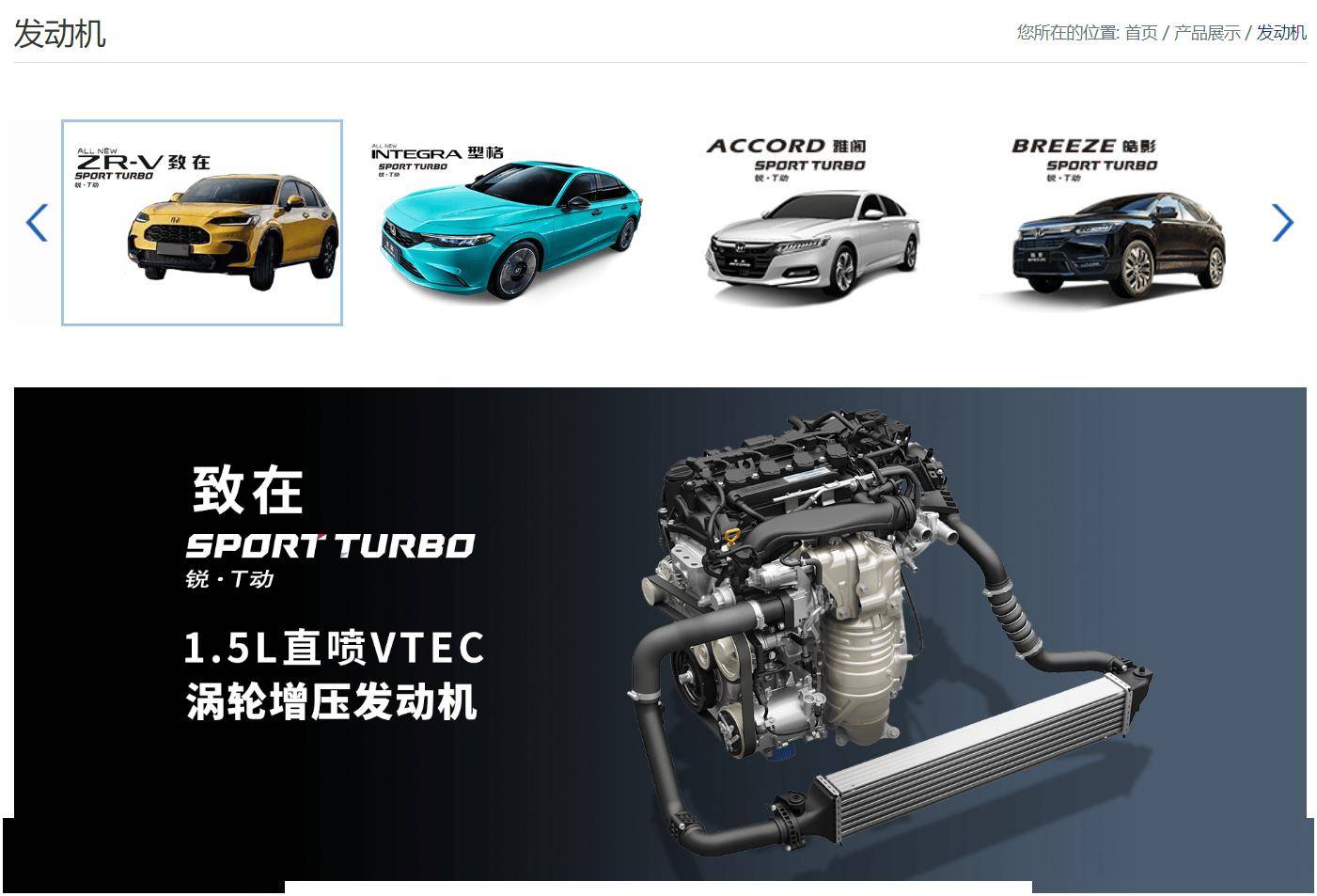
型格

Search documents
广汽集团(02238) - 海外监管公告
2026-03-29 10:46
香港交易及結算所有限公司及香港聯合交易所有限公司對本公告的內容概不負責,對其準確性或完整 性亦不發表任何聲明,並明確表示,概不對因本公告全部或任何部分內容而產生或因依賴該等內容而 引致的任何損失承擔任何責任。 GUANGZHOU AUTOMOBILE GROUP CO., LTD. 廣州汽車集團股份有限公司 ( 於中華人民共和國註冊成立的股份有限公司 ) (股份編號: 2238) 海外監管公告 本公告乃廣州汽車集團股份有限公司(「本公司」)按香港聯合交易所有限公司證券上市規 則第 13.10B 條發出。 以下文件乃本公司於二零二六年三月二十七日在中華人民共和國上海證券交易所網頁登載, 僅供參閱。 承董事會命 廣州汽車集團股份有限公司 馮興亞 董事長 中國廣州,二零二六年三月二十七日 於本公告日期,本公司的執行董事為馮興亞及閤先慶,本公司的非執行董事為陳小沐、鄧蕾、 周開荃、王亦偉及洪素麗,以及本公司的獨立非執行董事為趙福全、肖勝方、王克勤及宋鐵波。 1. 《廣州汽車集團股份有限公司 2025 年年度報告摘要》 2. 《廣州汽車集團股份有限公司 2025 年年度報告》 3. 《廣州汽車集團股份有限公司 2025 ...
电动化浪潮中的运动孤勇者,型格如何用硬核技术破局
Zhong Guo Qi Che Bao Wang· 2025-12-02 02:53
Core Viewpoint - The article emphasizes that true sports performance in vehicles requires a deep collaboration of chassis, power, and handling, rather than just fast acceleration figures, as demonstrated by the GAC Honda model, Xingge, amidst the electric vehicle trend [1][17]. Group 1: Performance Technology - The modern sports car's core is the linearity and controllability of power output, with the Xingge 1.5T gasoline version featuring a wide torque platform from 1700 to 4500 rpm, achieving a 22% optimization in shift damping for the manual version [3][7]. - The Xingge e:HEV hybrid version utilizes a fourth-generation i-MMD system with a thermal efficiency exceeding 41%, maintaining 203 horsepower while achieving an 80% share of pure electric drive [3][7]. - The CVT transmission in Xingge employs variable steering ratio technology, achieving a passing speed of 78 km/h in the moose test, significantly surpassing the class average [5][8]. Group 2: Chassis and Structure - The high rigidity and lightweight low center of gravity chassis is fundamental for performance, with the Xingge using Honda Architecture and 1500MPa hot-formed steel, enhancing torsional rigidity by 8% while keeping the vehicle weight between 1350-1500 kg [8][12]. - The rear multi-link suspension of Xingge, combined with aluminum components, provides precise lateral support during cornering, achieving a steering ratio of 2.25 turns for versatile driving experiences [10][12]. Group 3: Intelligent Features and Comfort - The Xingge is equipped with a comprehensive safety suite, including 10 airbags and Honda SENSING system for advanced driver assistance, enhancing safety during sporty driving [13][17]. - The high-end version features a Bose 12-speaker audio system with active noise cancellation, maintaining a cabin noise level of 62 decibels at 120 km/h, which is lower than competitors [15][17]. - The Honda CONNECT 4.0 system supports dual connectivity options and includes features like a 9-inch central control screen and wireless phone charging, improving comfort during performance driving [17]. Group 4: Market Positioning - The Xingge is positioned to meet a wide range of consumer needs, from driving enthusiasts to daily commuters, with current market discounts ranging from 30,000 to 40,000 yuan, redefining the value standard of sports performance through robust technology [17].


“油”又回来了?纯电车企重拾油箱 燃油巨头要做下一代油车
Nan Fang Du Shi Bao· 2025-11-22 15:28
Core Insights - The automotive industry is witnessing a shift where electric vehicle (EV) manufacturers are reintroducing fuel-powered vehicles, indicating a trend towards hybrid and range-extended technologies [1][4][6] - Major automakers, including joint ventures and independent brands, are adopting a dual approach of fuel and electric vehicles, emphasizing the coexistence of both technologies in the market [3][7][11] Group 1: Market Trends - At the 2025 Guangzhou Auto Show, several brands that previously identified as "pure electric" are now showcasing range-extended models, such as the Xiaopeng X9 and Zeekr 9X, highlighting a return to fuel technology [1][4] - The trend is supported by industry experts who predict that internal combustion engine vehicles will still account for about one-third of new car sales by 2040, as per the "Energy Saving and New Energy Vehicle Technology Roadmap 3.0" [10][11] Group 2: Consumer Demand and Technology - The re-emergence of fuel vehicles is driven by consumer concerns over range anxiety, charging infrastructure, and seasonal performance, which hybrid models can effectively address [8][9] - Companies like Xiaopeng and Geely are emphasizing the profitability of hybrid models, with Xiaopeng's X9 range-extended version promising significant cost savings compared to traditional fuel vehicles [4][8] Group 3: Strategic Responses from Automakers - Automakers such as GAC Toyota and Chery are reaffirming their commitment to fuel vehicles while also enhancing their hybrid offerings, indicating a strategic pivot rather than a complete shift to electric [3][7] - The automotive market is expected to maintain a diverse energy structure, with both electric and hybrid vehicles playing crucial roles in meeting consumer needs and adapting to varying regional infrastructure [9][12]

东风集团回应拟卖掉东本发动机 50% 股权:加快新能源转型
Sou Hu Cai Jing· 2025-08-18 23:12
Core Viewpoint - Dongfeng Motor Group is selling a 50% stake in Dongfeng Honda Engine Co., Ltd. to optimize its fuel vehicle asset structure and accelerate its transition to new energy vehicles amid challenges in the expanding NEV market in China [1] Group 1: Company Overview - Dongfeng Honda Engine Co., Ltd. was established on July 1, 1998, as a joint venture between Dongfeng Motor Company and Honda Motor Co., Ltd. [2] - The company is responsible for the development, production, and sales of engines and related components for passenger vehicles, primarily supplying products for GAC Honda's series of models [2] Group 2: Financial Performance - For 2024, Dongfeng Honda Engine is projected to have a revenue of approximately 9.566 billion yuan, with a net loss of about 228 million yuan [1] - In the first half of this year, the company reported a revenue of 3.807 billion yuan, achieving a net profit of approximately 371 million yuan [1] Group 3: Market Context - In the first half of this year, GAC Honda's sales decreased by 25.63% year-on-year, while Dongfeng Honda's sales fell by 37.4% year-on-year [4]

跨国车企“渡劫”
Xin Jing Bao· 2025-08-15 08:07
Core Viewpoint - Honda's financial performance in the first quarter of FY2026 shows a significant decline in both operating profit and net profit, primarily due to U.S. tariffs on Japanese imports, alongside challenges in the Chinese market and the electric vehicle transition [1][2][5]. Financial Performance - Honda's operating profit fell by 49.6% to 244.17 billion yen, while net profit decreased by 50.2% to 196.67 billion yen in the first quarter [1]. - The company estimates a total loss of 450 billion yen for the fiscal year due to tariffs [1]. Market Challenges - The automotive industry is facing a complex global challenge, including the impact of U.S. tariffs, fluctuating yen exchange rates, and poor performance in the electric vehicle sector [2]. - Honda's sales in China dropped by 14.74% year-on-year in July, with cumulative sales for the first seven months also showing a double-digit decline [3]. Competitor Performance - Other major automakers, including Toyota and Nissan, also reported declines in profits, with Toyota's operating profit down 11% and Nissan experiencing its first quarterly loss in five years [5][6]. - BMW, Mercedes-Benz, and Ford reported significant drops in net profits, with Ford's decline exceeding 80% [6]. Importance of the Chinese Market - The Chinese market is increasingly critical for multinational automakers, with many facing intense competition and declining sales [7]. - Honda and Nissan both saw substantial sales declines in China, with Honda's sales down nearly 40% in the first half of the year [7]. Strategic Adjustments - Honda plans to continue adjusting production capacity in China, although no concrete discussions have taken place yet [2]. - Executives from Honda and other automakers acknowledge the need for significant internal reforms and a shift in strategy to better align with local market demands [4][8].

2万买大品牌新车,15万能进“豪门”!6月车市促销有点猛
Nan Fang Du Shi Bao· 2025-06-11 04:29
Group 1 - The automotive market is experiencing a significant price reduction, with new car prices reaching historical lows due to various subsidy policies and promotional discounts from manufacturers [1][2][5] - Major brands are offering substantial discounts, such as GAC Aion providing up to 35,000 yuan in trade-in subsidies and Chery's Tiggo 3X starting at 34,900 yuan, marking a historical low [2][6] - Luxury brands are also seeing price drops, with models like the Cadillac XT4 now available for under 160,000 yuan, and entry-level BMW electric models priced around 150,000 to 160,000 yuan [10][12] Group 2 - The promotional activities are intensified during June, coinciding with regional auto shows, leading to a flurry of limited-time offers from various manufacturers [2][4] - Despite aggressive pricing strategies, some dealers report that consumer interest has not significantly increased, with some experiencing lower sales during the holiday period compared to the previous year [9][13] - The second-hand car market is witnessing a rise in transaction volume, with some dealers reporting a 20% increase in sales, indicating a potential shift in consumer preference towards used vehicles amid new car price reductions [13]
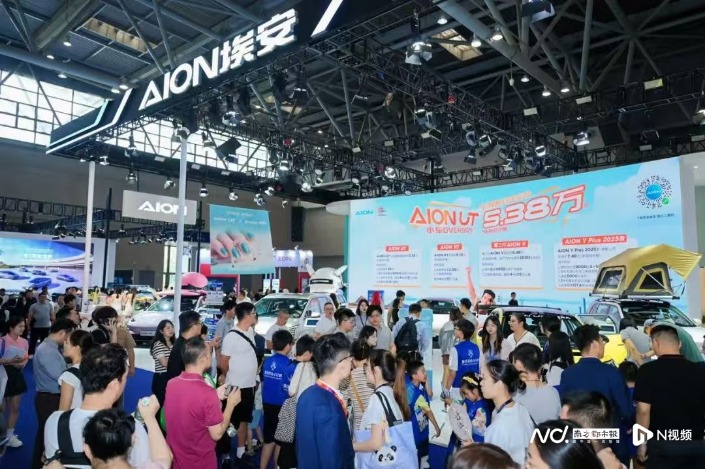
智电转型、“一口价”狠降:合资品牌如何让消费者买单
2 1 Shi Ji Jing Ji Bao Dao· 2025-04-03 11:46
Core Viewpoint - The market share of domestic brands in China has surpassed 60%, indicating the decline of the "golden era" for joint venture brands, which are struggling to maintain sales and market presence [1]. Group 1: Joint Venture Brands Performance - In the first two months of 2024, joint venture brands in China saw a total sales volume of 810,894 vehicles, a year-on-year decline of 22.9%, with no joint venture automaker achieving positive growth [1]. - Notably, major Japanese automakers are experiencing significant sales declines, with Toyota's sales down 4.5% to 201,115 units, Honda down 31.2% to 101,316 units, and Nissan down 44.7% to 64,908 units [1]. Group 2: Transition to Electric Vehicles - Joint venture brands are increasingly focusing on electric vehicles (EVs) as traditional fuel vehicles fail to attract consumers, with GAC Honda launching its first pure electric model, the P7, marking a significant shift towards electric mobility [2][3]. - GAC Honda's new factory, with a total investment of 3.5 billion yuan and an annual capacity of 120,000 units, is a crucial step in its transition to smart electric vehicles [3]. Group 3: Pricing Strategies and Market Competition - The automotive market is undergoing intense price competition, with joint venture brands adopting a "one-price" strategy to stimulate consumer interest and clear inventory, often resulting in price reductions averaging around 40,000 yuan [5][6]. - GAC Toyota's new electric SUV, the Platinum 3X, has seen over 15,000 pre-orders within a month of its launch, indicating a positive reception to its competitive pricing and features [4]. Group 4: Consumer Behavior and Market Dynamics - The "one-price" strategy is designed to reduce consumer hesitation and encourage purchases by providing a straightforward pricing model across dealerships, enhancing the customer experience [8]. - However, the effectiveness of price reductions is diminishing as consumers become desensitized to frequent price changes, leading to a more cautious purchasing approach [9].