油电同强

Search documents
【周度分析】车市扫描(2025年12月1日-12月7日)
乘联分会· 2025-12-10 08:39
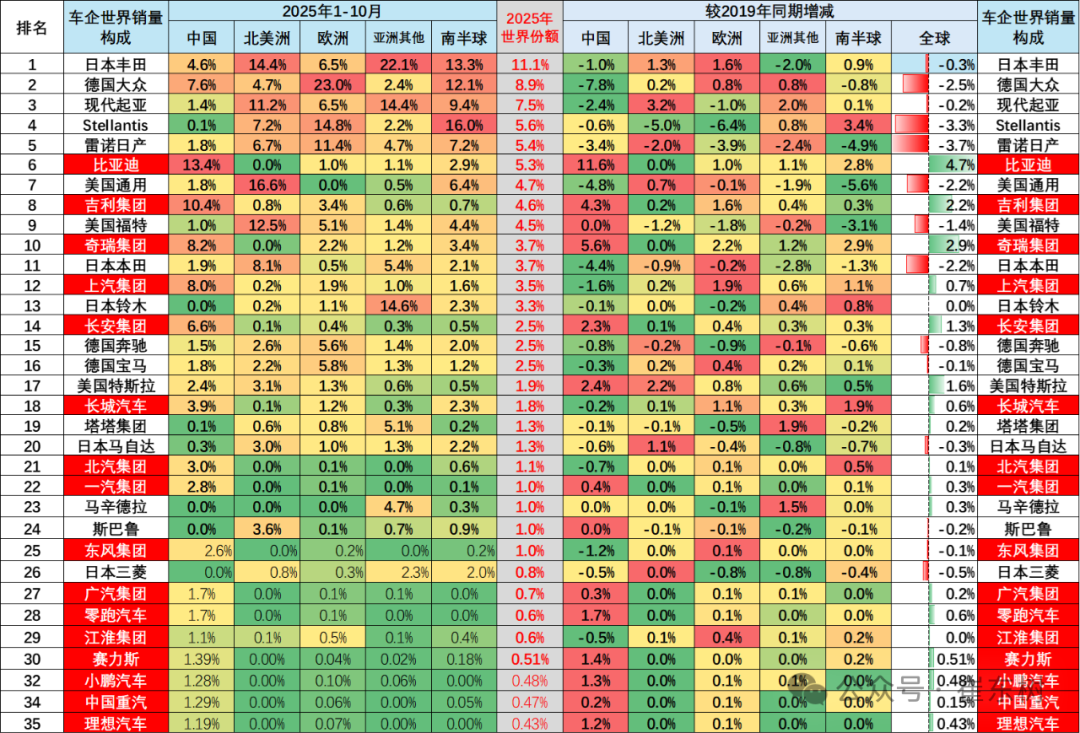
Group 1: Market Overview - From December 1-7, the national retail sales of passenger cars reached 297,000 units, a year-on-year decrease of 32% and an 8% decline compared to the previous month. Cumulatively, retail sales for the year reached 21.781 million units, a 5% increase year-on-year [2][5] - During the same period, wholesale sales of passenger cars amounted to 298,000 units, down 40% year-on-year and 18% month-on-month, with a cumulative total of 27.063 million units for the year, reflecting a 10% year-on-year growth [2][8] Group 2: New Energy Vehicles (NEVs) - Retail sales of new energy vehicles from December 1-7 totaled 185,000 units, a 17% decrease year-on-year and a 10% decline from the previous month. Year-to-date retail sales reached 11.657 million units, up 19% year-on-year [2][3] - Wholesale of new energy vehicles during the same week was 191,000 units, down 22% year-on-year and 20% month-on-month, with cumulative wholesale reaching 1.3947 million units for the year, a 27% increase year-on-year [2][3] Group 3: Market Trends and Consumer Behavior - The first week of December saw a daily average retail of 42,000 units, reflecting a 32% year-on-year decline and an 8% decrease from the previous month. The retail performance is weaker compared to the previous year due to a lack of strong demand and the impact of policy changes [5][6] - The tightening of trade-in and scrappage subsidy policies has led to a cautious attitude among dealers, contributing to a slowdown in retail sales. The urgency for consumers to purchase vehicles is heightened by the impending expiration of tax exemptions for new energy vehicles [6][9] Group 4: International Market Dynamics - The automotive energy strategy in Europe and the U.S. is shifting, with a growing recognition of the need for a balanced approach between electric and traditional fuel vehicles. This shift is seen as a validation of China's "oil-electric dual strong" strategy, which is gaining traction globally [10][11] - The European Union has legislated a ban on the sale of new internal combustion engine vehicles by 2035, but there is increasing pushback from member states advocating for a more flexible approach to hybrid and alternative fuel technologies [11] Group 5: Pricing and Promotions - In November 2025, the number of models experiencing price reductions decreased significantly, indicating a return to rational pricing strategies within the market. The average price reduction for new energy vehicles was 11.7% for the year-to-date, with November seeing a higher reduction of 13.8% [12][13] - The promotion rate for new energy vehicles rose to 10.1% in November, while traditional fuel vehicles remained stable at 24%, reflecting a more balanced promotional environment [13] Group 6: Used Car Market - The used car market in 2025 saw a transaction volume of 16.49 million units, a 3.5% increase year-on-year, with a transaction value of 105.72 billion yuan, up 0.6% [13][14] - The penetration rate of used new energy vehicles reached 11.2%, with a significant year-on-year growth of 42% in transaction volume for the month of October [13][14]


特朗普松绑油耗标准:全球车企抢跑“油电同强时代”
智通财经网· 2025-12-06 09:08
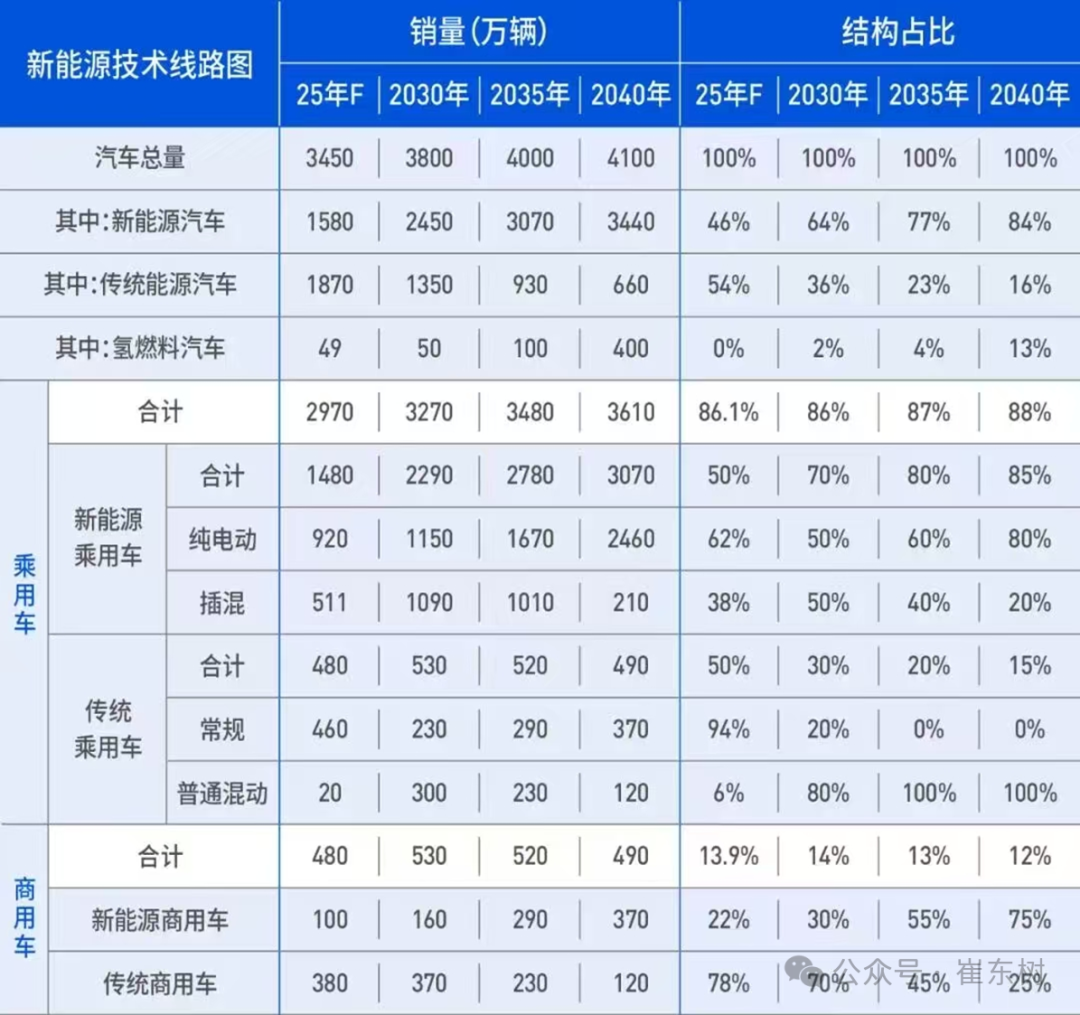
Core Viewpoint - The proposal by former President Trump to terminate strict fuel economy standards set by the Biden administration poses a significant challenge to Europe's aggressive policies on banning fuel vehicles, highlighting a shift in the automotive industry's dynamics towards a more sustainable and diversified future led by China's oil-electric hybrid strategy [1][9]. Group 1: Policy Changes and Impacts - Trump's proposal aims to reduce the average cost of purchasing new cars by $1,000, potentially saving Americans $109 billion over five years [3]. - The new fuel efficiency standard proposed by Trump's administration requires vehicles to achieve approximately 34 miles per gallon by 2031, compared to Biden's target of 50 miles per gallon [2]. Group 2: Industry Dynamics - The automotive industry's core profits are derived from fuel vehicles, and the transition to electric vehicles represents a significant restructuring of interests, with traditional automakers facing survival pressures due to lost profits from engine manufacturing and after-sales services [4]. - The shift in stance among U.S. automakers from supporting electric vehicle initiatives to opposing stringent regulations reflects the industry's struggle with profit erosion amid changing policies [4]. Group 3: European Market Challenges - European automakers are under severe pressure from the EU's legislation to ban fuel vehicles by 2035, which is seen as overly ambitious and detrimental to businesses [5]. - The EU's "Fit for 55" plan aims for a 55% reduction in new car carbon emissions by 2030, with a complete transition to zero emissions by 2035, but this has led to some companies planning to abandon engine development altogether [5]. Group 4: Global Automotive Trends - The trend of oil-electric hybrid strategies is gaining traction globally, with Asian automakers, particularly Chinese brands like BYD, Geely, and Chery, significantly increasing their market share [7][8]. - The global automotive market remains predominantly fuel-based, with 73% of vehicles still using fuel, indicating that a rapid transition to electric vehicles is unlikely in the short term [8]. Group 5: China's Strategic Position - China's oil-electric hybrid strategy is viewed as a successful model, with the recent release of the 3.0 roadmap emphasizing the continued importance of internal combustion engines alongside electric vehicles [10]. - By 2040, it is projected that 85% of new passenger vehicles in China will be electric, with a significant market still remaining for non-pure electric models, positioning Chinese automakers as key players in the global automotive technology landscape [10].




广州车展新趋势:新能源大六座排队登场 纯电车企回手拥抱油箱
Nan Fang Du Shi Bao· 2025-11-24 23:16
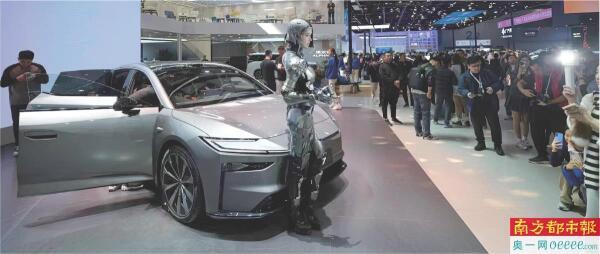
Core Viewpoint - The 2025 Guangzhou Auto Show highlights a surge in the launch of large six-seat SUVs by various automakers, reflecting both market demand and a potential lack of innovation in the industry [2][3][7]. Group 1: Large Six-Seat SUVs - Numerous automakers are introducing large six-seat SUVs at the Guangzhou Auto Show, indicating a competitive market segment with varying price points and features [3][4]. - The entry price for these SUVs is below 300,000 yuan, with models like the Geely Galaxy M9 starting at 180,000 yuan and offering advanced features such as the new generation Raytheon electric hybrid system [4]. - Higher-end models above 300,000 yuan include the Zhiji LS9 priced at 322,800 yuan, showcasing futuristic designs and advanced technology [5][6]. Group 2: Market Dynamics and Concerns - Industry insiders express skepticism about the practicality of large six-seat SUVs, suggesting that many features may not align with consumer needs, leading to potential forced consumption [7][8]. - The competitive landscape is described as "overheated," with automakers rushing to enter the large six-seat SUV market to avoid missing out on perceived opportunities [8]. Group 3: Return of Traditional Fuel Vehicles - A noticeable trend at the auto show is the return of traditional fuel vehicles, with many brands that previously focused on electric vehicles now introducing hybrid and fuel models [9][11]. - The market is expected to see a coexistence of electric and hybrid vehicles, with predictions indicating that internal combustion engine vehicles will still account for about one-third of new car sales by 2040 [10][15]. - Companies like Chery and Geely emphasize their commitment to maintaining a strong presence in the fuel vehicle market, even as they expand their electric offerings [12][14]. Group 4: Consumer Preferences and Market Viability - The rise of hybrid and extended-range vehicles is seen as a response to consumer concerns over range anxiety and charging infrastructure, particularly in regions where electric vehicle adoption is slower [13]. - The profitability of hybrid models is highlighted, with companies like Li Auto achieving financial success through their hybrid offerings [13][14]. - The automotive industry is expected to maintain a diverse energy mix, with both electric and hybrid vehicles playing significant roles in the market [16][17].


“油”又回来了?纯电车企重拾油箱 燃油巨头要做下一代油车
Nan Fang Du Shi Bao· 2025-11-22 15:28
Core Insights - The automotive industry is witnessing a shift where electric vehicle (EV) manufacturers are reintroducing fuel-powered vehicles, indicating a trend towards hybrid and range-extended technologies [1][4][6] - Major automakers, including joint ventures and independent brands, are adopting a dual approach of fuel and electric vehicles, emphasizing the coexistence of both technologies in the market [3][7][11] Group 1: Market Trends - At the 2025 Guangzhou Auto Show, several brands that previously identified as "pure electric" are now showcasing range-extended models, such as the Xiaopeng X9 and Zeekr 9X, highlighting a return to fuel technology [1][4] - The trend is supported by industry experts who predict that internal combustion engine vehicles will still account for about one-third of new car sales by 2040, as per the "Energy Saving and New Energy Vehicle Technology Roadmap 3.0" [10][11] Group 2: Consumer Demand and Technology - The re-emergence of fuel vehicles is driven by consumer concerns over range anxiety, charging infrastructure, and seasonal performance, which hybrid models can effectively address [8][9] - Companies like Xiaopeng and Geely are emphasizing the profitability of hybrid models, with Xiaopeng's X9 range-extended version promising significant cost savings compared to traditional fuel vehicles [4][8] Group 3: Strategic Responses from Automakers - Automakers such as GAC Toyota and Chery are reaffirming their commitment to fuel vehicles while also enhancing their hybrid offerings, indicating a strategic pivot rather than a complete shift to electric [3][7] - The automotive market is expected to maintain a diverse energy structure, with both electric and hybrid vehicles playing crucial roles in meeting consumer needs and adapting to varying regional infrastructure [9][12]

直击2025广州车展|自主“百花齐放”:鸿蒙智行定下“200万辆”交付周期 长城坚持“油电同强”战略
Xin Lang Cai Jing· 2025-11-22 07:55
Core Insights - The Guangzhou Auto Show marks the end of 2025 and the beginning of a new year for the automotive market, showcasing a diverse range of domestic automakers with innovative strategies and products [1] Group 1: Electric Vehicle Developments - Seres, the first new energy vehicle company listed on both A-shares and Hong Kong stocks, announced over 900,000 deliveries and introduced the Seres Magic Cube Technology Platform 2.0, which includes upgrades in smart energy and intelligent chassis [2] - BYD remains a leading player in the Chinese automotive industry, showcasing luxury models like the U9 Xtreme supercar and plans to promote the "Yangwang" brand globally starting in early 2026 [2] - In October, new energy vehicle sales surpassed 50% of total new car sales for the first time, reaching 51.6%, indicating a significant shift towards electric vehicles [2] Group 2: Hybrid and Traditional Vehicles - The "Energy-saving and New Energy Vehicle Technology Roadmap 3.0" emphasizes that internal combustion engines will remain a key power source, with a projected one-third of new passenger car sales still involving internal combustion engines by 2040 [3] - The strategy of "oil-electric synergy" is gaining traction, with a focus on enhancing user experience through intelligent upgrades in traditional vehicles [3] Group 3: Traditional Automaker Strategies - Great Wall Motors is implementing a multi-brand strategy centered on "oil-electric synergy," featuring models like the Tank 500 with impressive performance metrics [4] - The Haval brand has developed a comprehensive product matrix based on hybrid technology, while the 2026 Great Wall Cannon series includes smart cockpit features [4] Group 4: New Energy Vehicle Startups - New energy vehicle startups like Huawei's Aito, Xiaomi, and others are increasingly prominent, with Aito achieving over 1 million cumulative deliveries and launching new models at the auto show [5] - Leap Motor introduced the A10 model, completing its product matrix and aiming for mainstream market coverage by mid-2026 [5] - Xiaopeng Motors is set to launch multiple super-range models in early 2026, while Li Auto plans to enhance its models with advanced features [6]
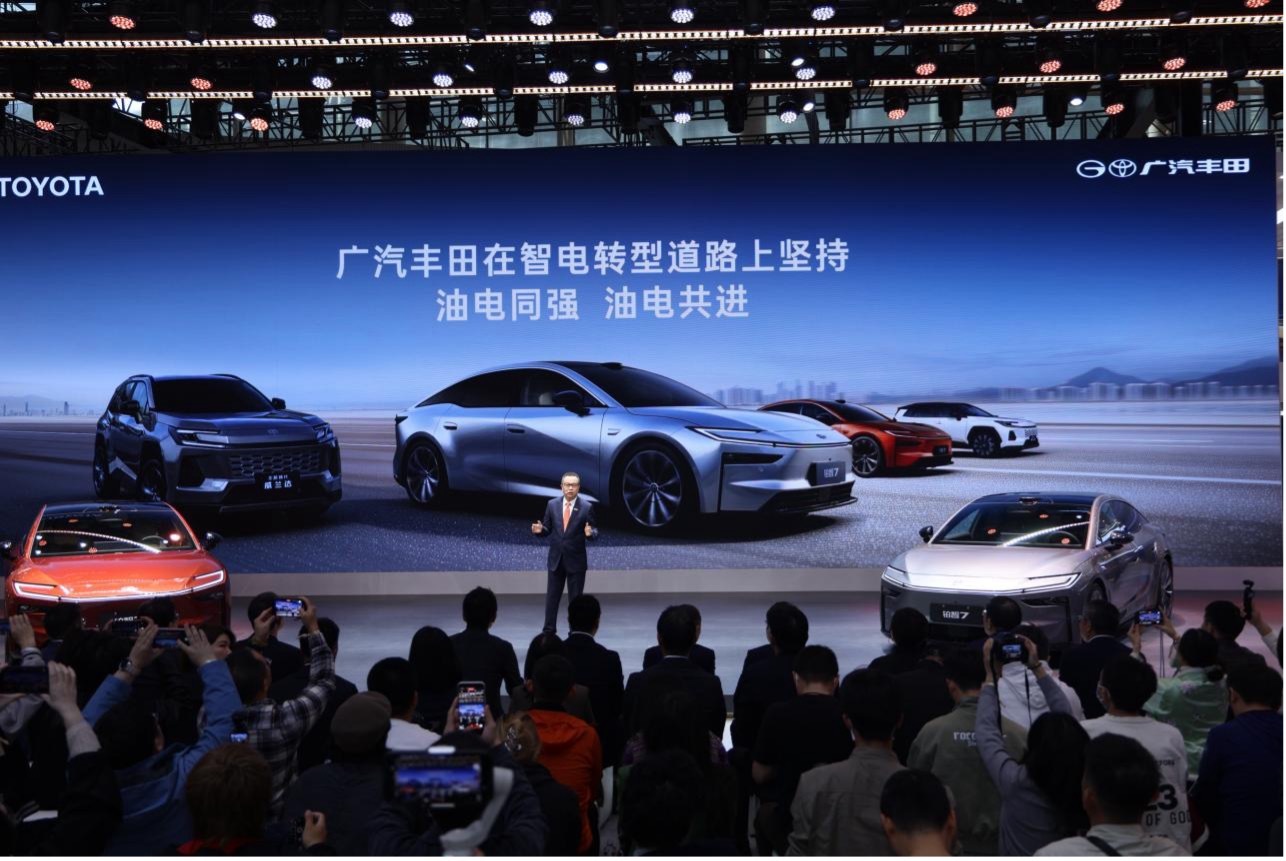
广汽丰田以“油电同强”破局 2028年全面达成百万产销
Cai Jing Wang· 2025-11-22 07:53
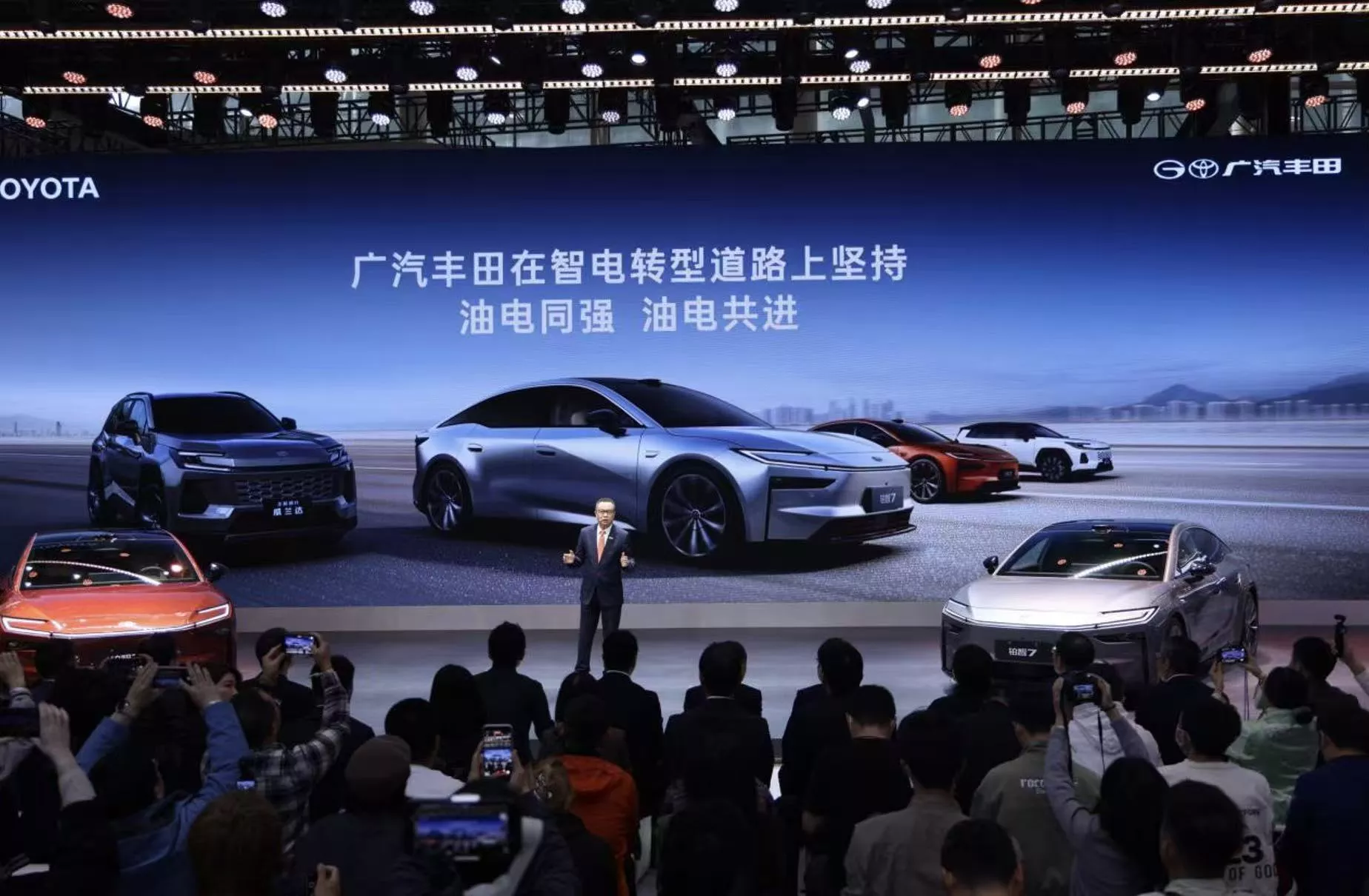
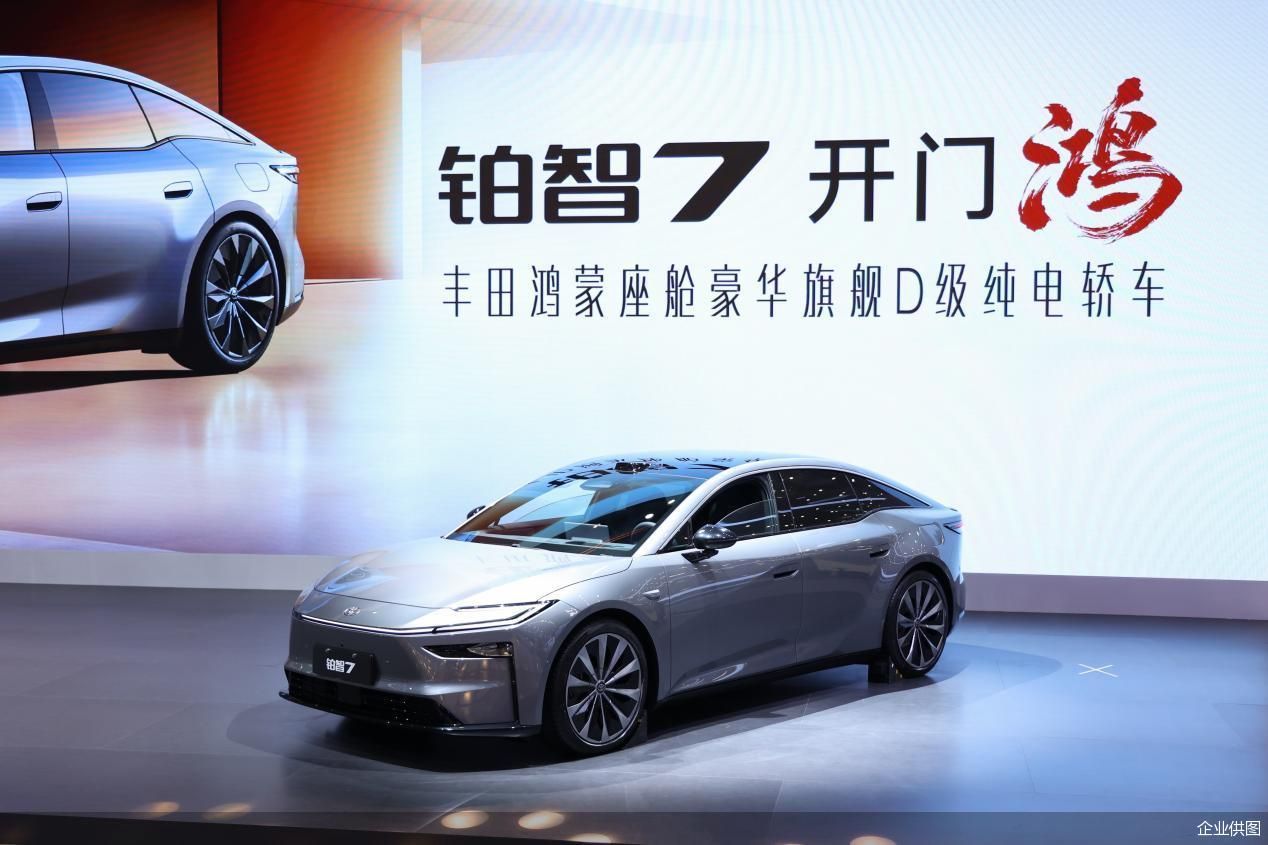
Core Viewpoint - GAC Toyota has fully implemented its "oil-electric dual strong" strategy, showcasing new models at the 2025 Guangzhou International Auto Show, including the all-new generation Venza and the luxury electric sedan, the Platinum 7, which reflects Toyota's understanding of luxury electric vehicles [1][3][12] Group 1: Product Strategy - The all-new generation Venza retains its global vehicle heritage and incorporates Toyota's first "domain control" fuel SUV technology, enhancing its computing power and communication efficiency [3][4] - The Platinum 7 integrates local Chinese technologies such as Huawei's Drive ONE electric drive and HarmonyOS cockpit, representing a fusion of "Chinese smart electric technology" and "Toyota's global technological foundation" [4][5] - The market performance of the Platinum 3X, which achieved over 10,000 monthly sales for the first time, indicates the success of GAC Toyota's strategy in the electric vehicle segment [4][7] Group 2: Technological Integration - GAC Toyota's approach to integrating Huawei's HarmonyOS cockpit is not merely a simple adoption but a deep fusion with Toyota's standards, ensuring a smooth and reliable user experience [5][6] - The all-new generation Venza features Toyota's self-developed electronic architecture, tailored for the Chinese market, showcasing a model of "Chinese innovation, global standards" [5][6] - GAC Toyota has made significant strides in smart upgrades over the past eight months, launching three major industry innovation products and achieving three "firsts" in smart technology [7] Group 3: Market Positioning and Goals - GAC Toyota aims to achieve annual production and sales of over 800,000 units by 2026, with a target of over 10% sales growth in 2027, ultimately striving for a million-unit sales goal by 2028 [10][12] - The company is focusing on user needs and has established a mechanism to convert user demands into product development, moving from "pragmatism" to "emotional resonance" in product offerings [10][12] - GAC Toyota anticipates that the sales proportion of new energy vehicles will exceed 20% in 2026 and 40% in 2027, reflecting its commitment to electric vehicle development [10][12]
24小时双车上市,广汽丰田以“油电同强”之势加速重回百万辆
Zhong Guo Jing Ji Wang· 2025-11-22 02:17
Core Insights - GAC Toyota has launched its "oil-electric dual strong" strategy, aiming to return to a production and sales scale of one million vehicles by 2028 [1][3] - The company has introduced two new models: the all-new generation Venza and the luxury electric sedan Platinum 7, showcasing its commitment to both traditional and electric vehicle markets [1][7] Group 1: Sales Performance - From January to October, GAC Toyota sold 613,683 vehicles, marking a year-on-year increase of 4.39%, making it the only company under GAC Group to achieve positive growth [3] - The company aims to achieve annual production and sales of over 800,000 vehicles by 2026, with a target of over 10% sales growth by 2027 [3] Group 2: New Model Launches - The all-new generation Venza features a new electronic and electrical architecture, enhancing computing power and communication efficiency, positioning it as a high-value vehicle under 200,000 yuan [5][8] - The Platinum 7 integrates advanced technologies such as Huawei's Drive ONE electric drive and HarmonyOS cockpit, demonstrating a blend of Chinese and global technological strengths [7][8] Group 3: Strategic Partnerships and Innovations - GAC Toyota's approach combines global expertise with local innovation, utilizing a "nurturing procurement" model rather than full self-research or supplier bundling [7] - The collaboration with Huawei ensures deep integration of technologies, enhancing the user experience and establishing a foundation for long-term competitiveness [7][10] Group 4: Customer Support and Service Enhancements - GAC Toyota is enhancing its customer service capabilities, offering lifetime warranties on key components and establishing a more responsive service network [10] - The company plans to expand its market coverage through a combination of dealership and direct sales models, along with the establishment of experience stores [10]
不是all in纯电,也非死守燃油,广汽丰田走出第三条路!
Zhong Guo Qi Che Bao Wang· 2025-11-21 08:19
Core Viewpoint - GAC Toyota's "oil-electric dual strength" strategy is fully realized, showcasing its commitment to both fuel and electric vehicles through innovative product launches at the 2025 Guangzhou International Auto Show [2][4][5]. Group 1: Product Innovation - The all-new generation of the Venza retains its global vehicle heritage while introducing Toyota's first "domain control" fuel SUV technology, enhancing its computing power and communication efficiency [8][21]. - The Platinum 7, a luxury pure electric sedan, integrates advanced technologies such as dual-chamber air suspension and laser radar driving, marking a significant entry into the smart electric vehicle market [10][21]. - GAC Toyota's product strategy emphasizes the simultaneous advancement of both fuel and electric vehicles, with the Venza and Platinum 7 representing new categories rather than mere additions to existing product lines [4][5]. Group 2: Market Performance - The Platinum 3X achieved over 10,000 monthly sales for the first time in October, indicating strong market acceptance and positioning as a key model for Toyota's electric vehicle strategy [10][21]. - GAC Toyota aims to produce and sell over 800,000 vehicles in 2026, with a target of over 10% sales growth in 2027, ultimately striving for a million-unit sales goal by 2028 [25]. Group 3: Strategic Partnerships - GAC Toyota's approach combines global expertise with local Chinese technology, exemplified by its collaboration with Huawei for the integration of the HarmonyOS cockpit, ensuring a seamless user experience [13][17]. - The company adopts a "育成式采购" (nurturing procurement) model, differentiating itself from competitors by focusing on collaborative innovation rather than solely in-house development [11][17]. Group 4: User-Centric Focus - GAC Toyota is enhancing its service capabilities, providing comprehensive support for both fuel and electric vehicle users, including lifetime warranties on key components and proactive customer service initiatives [23][29]. - The company is shifting towards a more user-responsive service model, with plans to transform its dealership network and improve customer engagement through direct communication and co-creation activities [29][31]. Group 5: Industry Impact - GAC Toyota's "oil-electric dual strength" strategy is seen as a new paradigm in the industry, demonstrating that the transition to electrification does not negate the value of traditional vehicle manufacturing [17][31]. - The company's commitment to innovation and user experience is setting a benchmark for joint ventures in the automotive sector, highlighting the potential for a new model of collaboration in the industry [31].

铂智7开启预定,广汽丰田入局20万级纯电轿车领域
Bei Jing Shang Bao· 2025-11-21 07:57
Core Insights - The Guangzhou International Auto Show 2025 marked the debut of Toyota's luxury flagship D-class electric sedan, the Platinum Smart 7, which was fully unveiled and opened for reservations on November 21 [1] - GAC Toyota promises to cover any additional costs incurred by users who reserve the Platinum Smart 7 before December 31 due to changes in the 2026 vehicle purchase tax policy [1] - The Platinum Smart 7 is positioned as a strategic product for GAC Toyota's entry into the 200,000 RMB electric sedan market, featuring advanced technologies such as dual-chamber air suspension, Harmony cockpit, and laser radar intelligent driving [1] - The launch of the Platinum Smart 7 represents a significant milestone in GAC Toyota's "Fusion 2030" strategy, showcasing the latest achievements in their "oil-electric dual strong" approach and marking a key move in the electric vehicle sector [1]
崔东树:“下一代油车”的核心是“油电同智”
智通财经网· 2025-11-20 08:44
Core Insights - The article emphasizes the significant breakthroughs in China's automotive industry as outlined in the "Energy-saving and New Energy Vehicle Technology Roadmap 3.0," highlighting the dual focus on quantity and the integration of traditional and electric vehicles [1][2] Summary by Sections Breakthroughs in Automotive Industry - The "14th Five-Year Plan" aims for a total of 38 million vehicles in China by 2025, with a notable increase in new energy vehicles (NEVs) from 15.8 million in 2025 to 34.4 million by 2040, representing a rise from 46% to 84% of total vehicle sales [2] - Traditional energy vehicles are projected to decrease from 18.7 million in 2025 to 6.6 million by 2040, dropping from 54% to 16% of the market share [2] Strategic Importance of Hybrid Vehicles - The roadmap indicates that by 2035, traditional energy passenger vehicles will achieve full hybridization, with internal combustion engine vehicles still accounting for about one-third of new car sales by 2040 [2][3] - The coexistence of hybrid and electric vehicles is seen as strategically important for ensuring a smooth transition in China's automotive industry and energy security [3] Next Generation of Traditional Vehicles - The concept of "next-generation oil vehicles" focuses on achieving parity in user experience with electric vehicles through intelligent upgrades while maintaining core advantages such as reliability and range anxiety [4] - Major automotive companies like Toyota and Mercedes-Benz are advancing their traditional vehicles with smart cockpit and driving assistance technologies, enhancing the user experience to be comparable to that of electric vehicles [5] Consumer Demand and Market Dynamics - There is a notable differentiation in consumer demand across different demographics in China, with urban consumers often seeking the latest electric vehicle technologies, while others prioritize reliability and a stress-free driving experience [6][7] - The article suggests that the rise of the "next-generation oil vehicle" is not a backlash against electrification but rather a necessary evolution in the industry, with both hybrid and electric vehicles expected to coexist in the market [7]