小鹏X9增程版

Search documents
净利暴跌86%,李想要把“增程神话”换成AI+机器人
阿尔法工场研究院· 2026-03-13 08:04
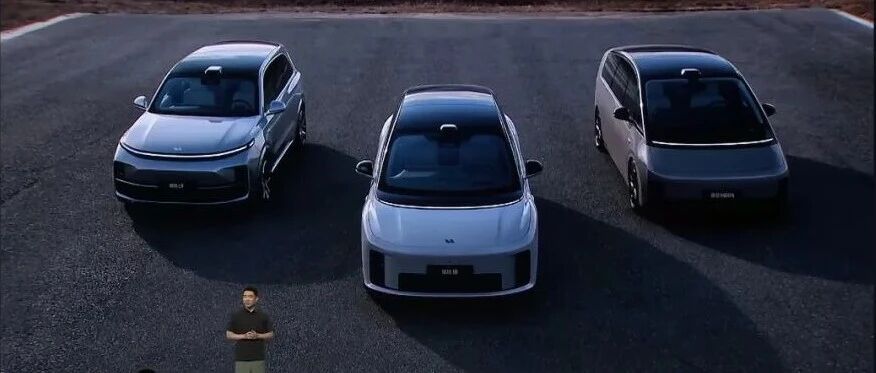
Core Viewpoint - Li Auto is facing significant challenges as its competitive advantage in range-extended technology diminishes, leading to a sharp decline in profits and revenues, while the market becomes increasingly saturated with competitors and pure electric vehicles [2][3][7]. Financial Performance - In 2025, Li Auto reported a net profit of 1.139 billion yuan, a staggering decline of 85.8% year-on-year, with revenue dropping 22.3% to 112.3 billion yuan [2][3]. - The total vehicle deliveries for 2025 were 406,300 units, down 18.8% from the previous year, failing to meet both the initial target of 700,000 and the revised target of 640,000 [3][4]. - The gross margin for 2025 fell to 18.7%, down from 20.5% in 2024, with vehicle gross margin decreasing from 19.8% to 17.9% [4]. Market Competition - The range-extended vehicle market has become increasingly competitive, with multiple automakers introducing similar technologies, diminishing Li Auto's previous advantage [7][8]. - In 2025, the sales of pure electric vehicles reached 7.877 million units, a 24.4% increase year-on-year, while range-extended vehicle sales only grew by 6% to 1.235 million units [8][9]. Internal Challenges - Li Auto has experienced significant management turnover, with several key executives leaving the company, raising concerns about operational stability [5]. - A recall of 11,000 units due to safety issues has negatively impacted the brand's image and consumer trust, further complicating its recovery efforts [5][6]. Strategic Initiatives - To combat declining sales, Li Auto aims to achieve a sales target of 500,000 units in 2026, focusing on both range-extended and pure electric vehicles [9][10]. - The company plans to launch a new range-extended model, the Li L9 series, in the second quarter of 2026, featuring advanced charging technology and improved electric range [10]. - Li Auto is heavily investing in AI technology, with 50% of its 11.3 billion yuan R&D budget in 2025 allocated to AI, indicating a strategic pivot towards integrating AI into its vehicle offerings [10][11].

宜家宜商 新能源MPV车型盘点
Zhong Guo Zhi Liang Xin Wen Wang· 2026-02-05 08:22
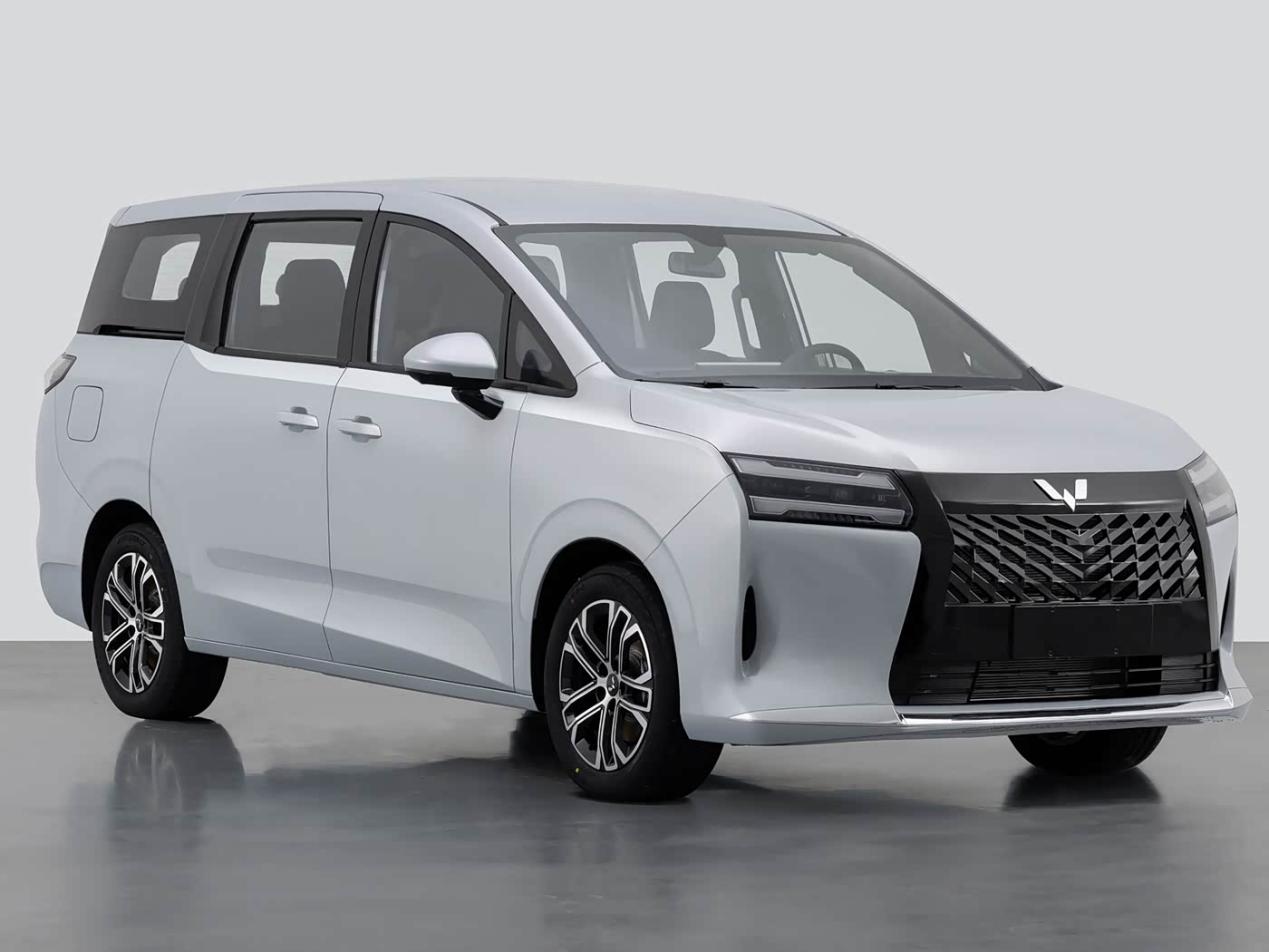
Core Insights - The new energy MPV market is experiencing significant growth, with a wide range of models available to cater to different budgets and usage scenarios, from affordable family options to luxury vehicles. Group 1: Market Overview - The new energy MPV market is witnessing a comprehensive explosion due to advancements in technology and evolving travel needs for families and businesses [1] - A review of 10 mainstream new energy MPVs is provided to assist consumers in making informed purchasing decisions [1] Group 2: Vehicle Summaries - **Wuling Xingguang 730 PHEV**: Priced at 103,800 yuan, it features a compact design, practical configurations, and a spacious interior with a total power output of 197 horsepower and a WLTC range of 1,100 km [2][4] - **BYD Xia DM-i**: Ranging from 206,800 to 277,800 yuan, this mid-large MPV offers a maximum power of 115 kW from its 1.5T engine and 200 kW from its electric motor, achieving a fuel consumption of 4.9 L/100 km [5][7] - **GAC Trumpchi E8**: Priced between 216,800 and 238,800 yuan, it features a 2.0L engine with a maximum power of 140 horsepower and an electric motor with 182 horsepower, achieving a fuel consumption of 5.7 L/100 km [8][10] - **Weipai Gaoshan 7**: Starting at 285,800 yuan, this model offers a spacious interior and a powerful hybrid system with a total power output of over 1200 km range and a 0-100 km/h acceleration time of 5.7 seconds [13][15] - **Xpeng X9 Extended Range**: Priced between 309,800 and 329,800 yuan, it boasts a comprehensive range of 1,602 km and a pure electric range of 452 km, with a maximum power output of 210 kW [18][20] - **Buick Zhijing Shijia**: Ranging from 339,900 to 419,900 yuan, it features a hybrid system with a total power of 292 kW and a fuel consumption of 6.68 L/100 km, along with advanced smart cabin technology [22][24] - **Denza D9**: Priced between 309,800 and 600,600 yuan, it offers a maximum range of 1,100 km and a spacious interior with a maximum cargo capacity of 2,310 L [26][28] - **Lantu Dreamer**: Ranging from 349,900 to 709,900 yuan, it features a powerful dual-motor system with a maximum power of 551 horsepower and a 0-100 km/h acceleration time of 5.9 seconds [30][32] - **Li Auto MEGA**: Priced between 529,800 and 559,800 yuan, it is designed for family use with a spacious interior and a dual-motor system providing a maximum power of 520 kW [34][36] - **ZEEKR 009**: Ranging from 439,000 to 899,000 yuan, it features a powerful dual-motor system with a maximum power of 789 horsepower and a range of 702 to 900 km [38][40]
2026年MPV市场乱战升级:新车扎堆入市,全维博弈白热化
Bei Jing Shang Bao· 2026-02-01 10:41
Core Viewpoint - The MPV market in China is undergoing significant transformation, with at least six new models set to launch by 2026, driven by evolving family vehicle demands and advancements in new energy technology [1] Group 1: Market Dynamics - The MPV segment has shifted from a niche market to a competitive battleground, influenced by the increasing demand for family-oriented vehicles and the rise of new energy technologies [1] - The emergence of large six-seat SUVs is diverting demand away from MPVs, necessitating a focus on enhancing space comfort and accelerating the transition to family-oriented designs [6][8] - The MPV market is experiencing a structural explosion in demand, with family usage surpassing business use, as evidenced by 58% of MPV sales being for family purposes in 2025 [6] Group 2: New Model Launches - Multiple new MPV models are set to enter the market, including the Leap Motor D99, which features an 80.3 kWh battery for extended range, and the Galaxy V900, which offers a spacious trunk [3] - High-end models are also being introduced, such as the Lantu flagship MPV with L3-level autonomous driving capabilities and the Huawei-powered Zhijie V9, which is expected to launch in spring 2026 [3] Group 3: Sales Performance - In December 2025, 70% of the top ten MPV sales were from new energy vehicles, with the Wey brand's Gaoshan leading at 10,558 units sold [4] - Traditional brands like Toyota and Buick continue to dominate, with the Toyota Granvia and Sienna ranking second and third in sales, while Honda's models are experiencing a decline [5] Group 4: Competitive Strategies - Companies are focusing on differentiated features to enhance their competitive edge, such as the Zhijie V9's rotating second-row seats and the D99's advanced driving assistance systems [7] - The trend towards multifunctional MPVs is emerging, with some models designed for camping and outdoor activities, showcasing the versatility of MPVs [7] Group 5: Future Outlook - The MPV market is expected to see increased concentration, with the top ten manufacturers accounting for 78.3% of total sales in 2025, indicating a trend towards market consolidation [8] - The competition in the MPV sector is anticipated to intensify, with a focus on smart technology and electric upgrades as key differentiators for companies aiming to capture market share [8]
小鹏X9增程版用户画像:90后占比57.2%,女性车主占比22%
Guan Cha Zhe Wang· 2026-01-26 11:21
Core Insights - The high-end MPV market is shifting from traditional business use to becoming a primary mode of transportation for young families, as stated by XPeng Motors [1][2] Group 1: User Demographics - The XPeng X9 extended range version has a user profile that significantly deviates from traditional MPV demographics, with over 50% of buyers being post-90s generation [1] - Among XPeng X9 users, 21% are first-time car buyers, nearly double the industry average [1] - The percentage of users aged 90s is 57.2%, while those from the 00s account for 13.7%, indicating a younger average age compared to the overall MPV market [1] Group 2: Market Performance - The test drive conversion rate for the XPeng X9 extended range version is 50%, with about 80% of replacement buyers coming from luxury brands, particularly BBA [2] - Over 70% of consumers opted for the Ultra version of the XPeng X9, reflecting the brand's reputation in the smart technology sector and user preference for advanced driving assistance [2] - In the northern market, the XPeng X9 has seen significant growth, with sales in core cities increasing by over 300% year-on-year [2] Group 3: Sales Data - In December 2025, the XPeng X9 delivered 5,424 units, marking a year-on-year growth rate of 289.1% [2] - Nearly 80% of the XPeng X9 extended range deliveries were to individual users, highlighting its appeal to personal buyers [2] - The XPeng X9 was the best-selling MPV in Hong Kong for the second half of the year and also topped the sales charts for pure electric MPVs in Indonesia in December 2025 [2]

何小鹏再变策略:用增程赌现在,用AI搏未来
Xin Lang Cai Jing· 2026-01-12 04:12
Core Viewpoint - Xiaopeng Motors' CEO He Xiaopeng believes that 2026 will mark the true beginning of fully autonomous driving in both China and the U.S., positioning the company to transition from an automotive manufacturer to a physical AI enterprise [1] Group 1: Company Strategy and Performance - Xiaopeng Motors has undergone a three-year internal restructuring, focusing on cost reduction and efficiency, with a return to core automotive manufacturing principles [1] - In 2022, Xiaopeng Motors delivered 429,000 vehicles globally, a 126% year-on-year increase, surpassing competitors like Li Auto and Xiaomi, making it the second-largest among new car manufacturers [1] - The company plans to launch seven range-extended models this year, including the P7+ and G7 range-extended versions, which maintain pricing below 200,000 yuan [13] Group 2: Technological Advancements - He Xiaopeng emphasizes the rapid evolution of AI technology, predicting that software capabilities will increase from 10% to 50% of vehicle value over the next decade, significantly altering transportation methods [5] - The second-generation VLA (Vision-Language-Action) model, which eliminates the "language translation" step, is expected to enhance the vehicle's ability to respond to real-world interactions, improving decision-making in unfamiliar scenarios [6] - Xiaopeng Motors' self-developed Turing chip has begun mass production, with the new models featuring varying configurations of this chip to support advanced AI functionalities [10] Group 3: Market Challenges and Consumer Behavior - Despite advancements, the market perception of AI in vehicles has not yet aligned with the technological vision, as consumers remain focused on practical factors like range and cost-effectiveness [11] - The dual sales strategy of range-extended and pure electric vehicles may complicate the company's manufacturing and supply chain processes, potentially leading to brand confusion among consumers [14] - The market for range-extended vehicles is projected to decline, with a 1.1% drop in wholesale sales expected by 2025, indicating a shift in consumer preference towards pure electric vehicles [13]
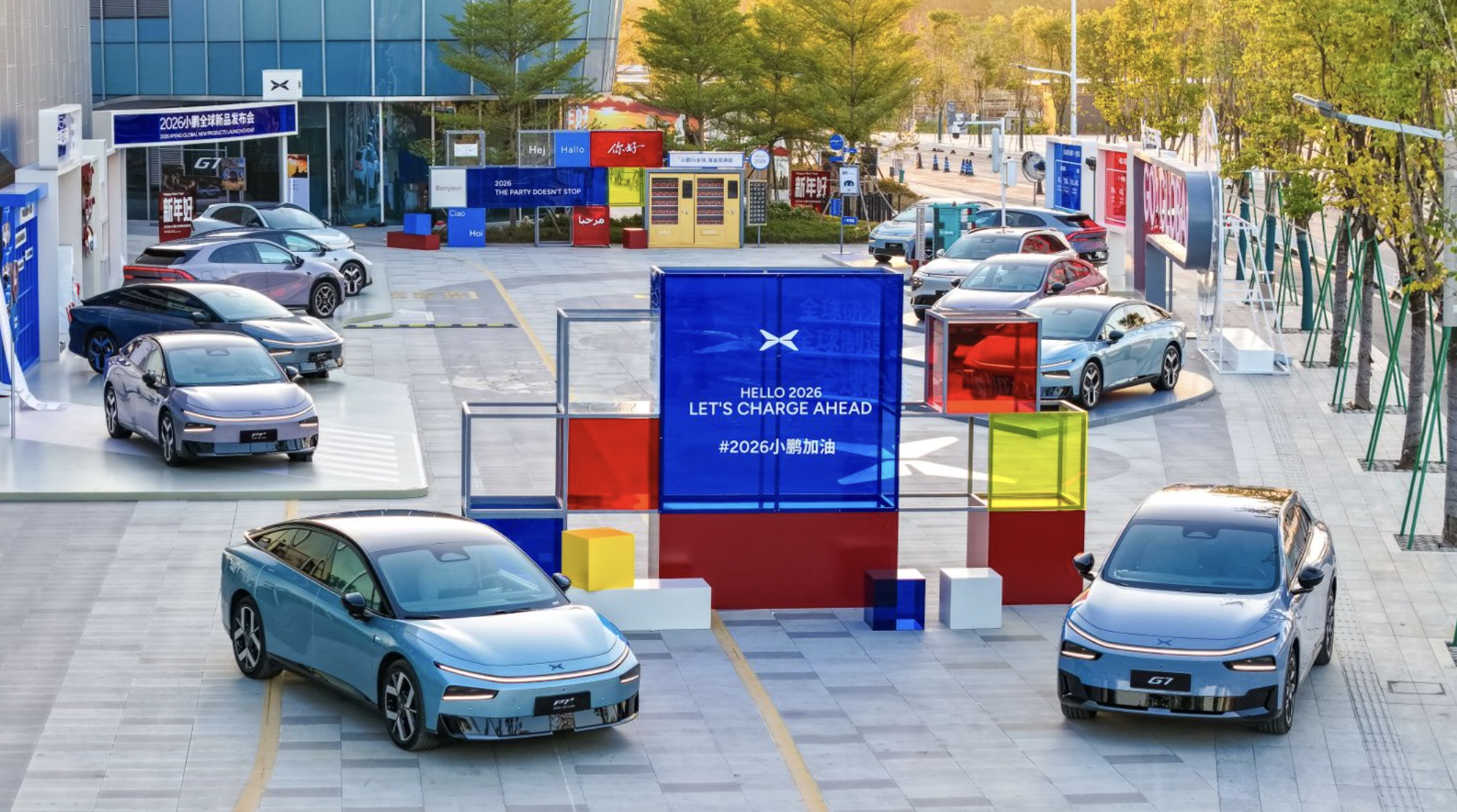
2026,卖车更难了
创业邦· 2026-01-12 03:27
Core Viewpoint - The automotive market in 2025 is characterized by intense competition, price wars, and a shift in consumer behavior towards value-driven purchases, leading to significant challenges for manufacturers [5][39]. Group 1: Market Dynamics - BYD, Geely, and Tesla dominated the sales rankings, with BYD maintaining a significant lead in the new energy vehicle sector, selling 4.545 million vehicles in 2025 [7][12]. - The overall sales of new energy vehicles in China reached 14.78 million units, a year-on-year increase of 31.2%, but BYD's growth rate was only 11% [11][12]. - Consumers are increasingly price-sensitive, often comparing prices across cities, which has benefited brands that offer high value for lower prices [7][10]. Group 2: Competitive Landscape - Geely has adopted aggressive pricing strategies, successfully positioning its models against BYD's offerings, resulting in a total of 1.687 million new energy vehicles sold in 2025 [13][14]. - New entrants like Leap Motor have carved out a niche in the budget segment, achieving sales of 596,600 units, and have become profitable, contrasting with many competitors still struggling [16][17]. - Xiaomi's foray into the automotive market has been successful, with its vehicles achieving significant sales and profitability, highlighting the potential for tech companies to disrupt traditional automotive players [21][22]. Group 3: Challenges and Future Outlook - The automotive industry is facing a bottleneck, with many companies struggling to innovate and maintain profitability amid ongoing price wars [39][40]. - The market is expected to become more challenging in 2026, with changes in tax policies and increased competition from established players like Xiaomi and Tesla [45][46]. - Companies are focusing on cost control and operational efficiency as key strategies to survive in a tightening market [41][39].







比亚迪破41万,蔚来超4.8万,小米破5万,鸿蒙智行近9万!12月新能源销量公布,2025圆满收官!
电动车公社· 2026-01-01 17:21
Core Viewpoint - The article highlights the impressive performance of various automotive companies in December, particularly in the electric vehicle (EV) sector, showcasing significant sales growth and market competition among Chinese brands. Group 1: BYD - In December, BYD sold 414,784 passenger vehicles, with a total annual sales of 4,545,423 units [1] - The average monthly sales for BYD exceeded 370,000 units this year, maintaining its position as the leading domestic brand in the EV market [6] - BYD's export volume surpassed 1 million units for the year, indicating strong international demand [6] Group 2: Geely - Geely's December sales reached 236,817 units, with 154,264 units being electric vehicles [2] - The Galaxy brand contributed significantly with 100,694 units sold, while the Lynk & Co and Zeekr brands also performed well [2] - Geely is narrowing the sales gap with BYD and is expected to enhance the influence of Chinese automotive brands globally [9] Group 3: SAIC-GM Wuling - SAIC-GM Wuling sold 96,196 electric vehicles in December, contributing to an annual total of 1,635,066 units, with 1,000,066 being electric [3] - The Hongguang MINI EV family remains a key product for Wuling, and a new brand in collaboration with Huawei is set to launch next year [11] Group 4: Huawei's HarmonyOS - HarmonyOS delivered 89,611 units in December, with a total of 589,107 units for the year [4] - The strong performance is attributed to the successful launch of models like the AITO series and the implementation of Huawei's ADS 4.0 technology [13] Group 5: Chery - Chery's December sales totaled 232,308 units, with 83,323 being electric vehicles [14] - The company has shown a commitment to the EV sector, achieving over 50% year-on-year growth in this category [17] Group 6: Leap Motor - Leap Motor delivered 60,423 units in December, with a total of 596,555 units for the year [6] - The company is expanding its product line and aims to reach annual sales of 1 million units [20] Group 7: Xiaomi - Xiaomi's December deliveries exceeded 50,000 units, with annual sales surpassing 411,000 units [21] - The company is facing production capacity challenges but is expected to ramp up with new factory operations [23] Group 8: NIO - NIO delivered 48,135 units in December, with a total of 326,028 units for the year [24] - The company has seen significant growth in the second half of the year, particularly with the ES8 model [27] Group 9: Li Auto - Li Auto delivered 44,246 units in December, totaling 407,343 units for the year [9] - The company is optimistic about its dual strategy of pure electric and range-extended vehicles despite facing competitive pressures [31] Group 10: GAC Aion - GAC Aion sold 40,066 units in December [32] - The brand is transitioning from B2B to B2C markets, with new models expected to drive future growth [35] Group 11: Great Wall Motors - Great Wall Motors sold 124,020 units in December, with 38,922 being electric vehicles [36] - The company is accelerating its transition to electric vehicles, achieving significant year-on-year growth [39] Group 12: XPeng Motors - XPeng Motors delivered 37,508 units in December, with total annual deliveries of 429,445 units [40] - The company is expanding its product offerings and maintaining steady growth in both domestic and international markets [41] Group 13: BAIC New Energy - BAIC New Energy sold 35,205 units in December, with annual sales reaching 209,576 units [42] - The brand's high-end model has shown strong sales growth, contributing to its overall performance [44] Group 14: Deep Blue Automotive - Deep Blue Automotive delivered 30,999 units in December, totaling 333,117 units for the year [46] - The company has achieved over 30% year-on-year growth and is preparing for advancements in autonomous driving technology [46] Group 15: Lantu Automotive - Lantu Automotive delivered 16,169 units in December, with total annual deliveries of 150,169 units [48] - The brand is focusing on technological upgrades and partnerships to enhance its market position [48] Group 16: FAW Bestune - FAW Bestune sold 22,880 units in December, with 20,493 being electric vehicles [49] - The brand is successfully targeting young consumers with its affordable and well-designed models [50] Group 17: Avita - Avita delivered 10,470 units in December, surpassing 120,000 units for the year [51] - The brand has made significant strides in product development and market presence [52] Group 18: IM Motors - IM Motors delivered 11,684 units in December, with total annual deliveries of 81,017 units [53] - The brand is expanding its product line and exploring new technology routes [56] Group 19: Extreme Stone Automotive - Extreme Stone Automotive delivered 2,528 units in December, with total annual deliveries of 15,318 units [59] - The brand is gaining traction in international markets and plans to introduce more models [60]

乘联分会:11月全国乘用车整体市场价格变化指数为-0.39 市场成交价15.79万
智通财经网· 2025-12-29 09:04
Core Insights - The overall passenger car market price index in November 2025 is -0.39, with an average transaction price of 157,900 yuan, reflecting a month-on-month increase of 7,757 yuan or 5.17% [1] - The overall discount index for the market in November is -1.3, with an average discount of 25,700 yuan, which is a decrease of 841 yuan or 3.17% from the previous month [1] Passenger Car Market - The sedan market price index is -8.16, with an average transaction price of 122,600 yuan, showing a month-on-month increase of 5,266 yuan or 4.49% [1] - The SUV market price index is 6.62, with an average transaction price of 183,500 yuan, reflecting a month-on-month increase of 10,035 yuan or 5.78% [2] - The MPV market price index is -5.01, with an average transaction price of 260,300 yuan, indicating a month-on-month decrease of 11,942 yuan or 4.39% [2] Discounts in Passenger Car Market - The sedan market discount index is -0.17, with an average discount of 27,700 yuan, which is an increase of 77 yuan or 0.28% from the previous month [2] - The SUV market discount index is -2.31, with an average discount of 24,100 yuan, showing a decrease of 1,609 yuan or 6.25% from the previous month [2] - The MPV market discount index is 0.14, with an average discount of 20,700 yuan, reflecting a decrease of 1,406 yuan or 6.36% from the previous month [3] New Energy Vehicle Market - The overall new energy vehicle market price index is -0.82, with an average transaction price of 161,600 yuan, indicating a month-on-month increase of 9,516 yuan or 6.26% [3] - The new energy sedan market price index is -11.06, with an average transaction price of 107,000 yuan, reflecting a month-on-month increase of 7,031 yuan or 7.03% [3] - The new energy SUV market price index is 6.75, with an average transaction price of 205,600 yuan, showing a month-on-month increase of 9,611 yuan or 4.91% [4] Discounts in New Energy Vehicle Market - The overall new energy vehicle market discount index is -0.13, with an average discount of 9,700 yuan, which is a decrease of 86 yuan or 0.88% from the previous month [3] - The new energy sedan market discount index is 0.87, with an average discount of 10,000 yuan, reflecting an increase of 409 yuan or 4.28% from the previous month [4] - The new energy MPV market discount index is -0.32, with an average discount of 12,700 yuan, indicating a decrease of 623 yuan or 4.67% from the previous month [5]
【联合发布】2025年11月价格/优惠指数走势报告
乘联分会· 2025-12-29 08:38
Overall Market Trends - The overall price change index for the national passenger car market in November 2025 is -0.39, with an average transaction price of 157,900 yuan, reflecting a month-on-month increase of 7,757 yuan or 5.17% [4] - The overall discount change index for the market is -1.3, with an average discount of 25,700 yuan, which is a decrease of 841 yuan or 3.17% from the previous month [4] Sedan Market - The price change index for the sedan market in November is -8.16, with an average transaction price of 122,600 yuan [3] - The overall transaction price for the sedan market increased by 5,266 yuan, or 4.49% month-on-month [5] - The discount change index for the sedan market is -0.17, with an average discount of 27,700 yuan [6] SUV Market - The price change index for the SUV market is 6.62, with an average transaction price of 183,500 yuan, reflecting a month-on-month increase of 10,035 yuan or 5.78% [10] - The discount change index for the SUV market is -2.31, with an average discount of 24,100 yuan, which is a decrease of 1,609 yuan or 6.25% from the previous month [10] MPV Market - The price change index for the MPV market is -5.01, with an average transaction price of 260,300 yuan, showing a month-on-month decrease of 11,942 yuan or 4.39% [10] - The discount change index for the MPV market is 0.14, with an average discount of 20,700 yuan, which is a decrease of 1,406 yuan or 6.36% from the previous month [8] New Energy Market - The overall price change index for the new energy market is -0.82, with an average transaction price of 161,600 yuan, reflecting a month-on-month increase of 9,516 yuan or 6.26% [11] - The discount change index for the new energy market is -0.13, with an average discount of 9,700 yuan, which is a decrease of 86 yuan or 0.88% from the previous month [12] New Energy Sedan Market - The price change index for the new energy sedan market is -11.06, with an average transaction price of 107,000 yuan, reflecting a month-on-month increase of 7,031 yuan or 7.03% [15] - The discount change index for the new energy sedan market is 0.87, with an average discount of 10,000 yuan, which is an increase of 409 yuan or 4.28% from the previous month [15] New Energy SUV Market - The price change index for the new energy SUV market is 6.75, with an average transaction price of 205,600 yuan, reflecting a month-on-month increase of 9,611 yuan or 4.91% [15] - The discount change index for the new energy SUV market is -0.71, with an average discount of 9,300 yuan, which is a decrease of 561 yuan or 5.71% from the previous month [15] New Energy MPV Market - The price change index for the new energy MPV market is -12.98, with an average transaction price of 291,400 yuan, showing a month-on-month decrease of 23,385 yuan or 7.43% [15] - The discount change index for the new energy MPV market is -0.32, with an average discount of 12,700 yuan, which is a decrease of 623 yuan or 4.67% from the previous month [18]
第二十一届长沙国际车展开幕,近千款新车亮相
Chang Sha Wan Bao· 2025-12-10 07:55
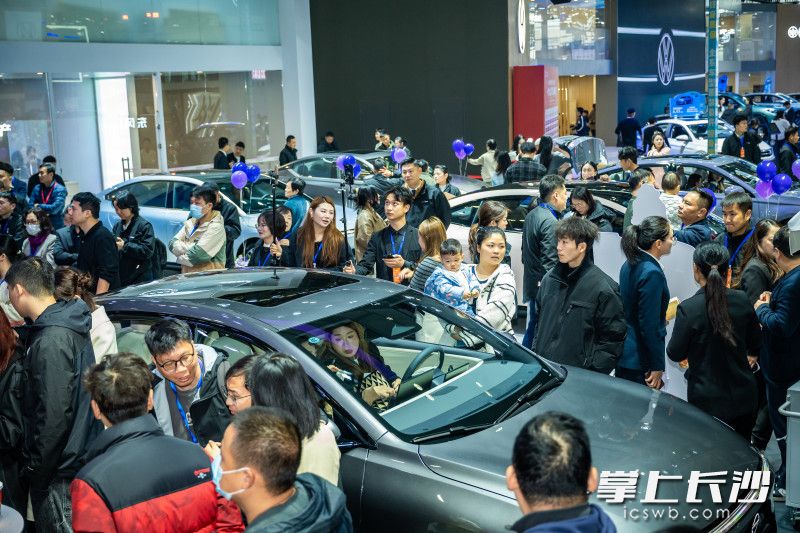
Group 1 - The 21st China (Changsha) International Auto Expo opened on December 10, 2023, at the Changsha International Convention and Exhibition Center, attended by notable figures from the China Automobile Industry Association and local government [1] - The auto show features 71 well-known automotive brands and nearly 1,000 new car models, covering an exhibition area of 80,000 square meters [3] - Major new energy vehicle brands such as Hongmeng Zhixing, NIO, and Li Auto participated, while domestic brands like BYD and Chery showcased their strengths, and joint ventures like SAIC Volkswagen and FAW Toyota offered significant discounts [3] Group 2 - The event serves as a "showcase" for new models and technologies, with over 20 debut vehicles including the Yangwang U9 Xtreme and Deep Blue L06 making their first appearance in Central China [3] - BYD presented its technological capabilities with a 1,500 square meter booth, while Hongmeng Zhixing showcased cutting-edge intelligent driving technology [3] - The third "Ten Thousand People Auto Group Purchase Event" has been upgraded to integrate brand resources and provide multiple discounts, alongside various themed experiences such as the "Super Intelligent Driving Conference" and "AI Technology Camp" [3]