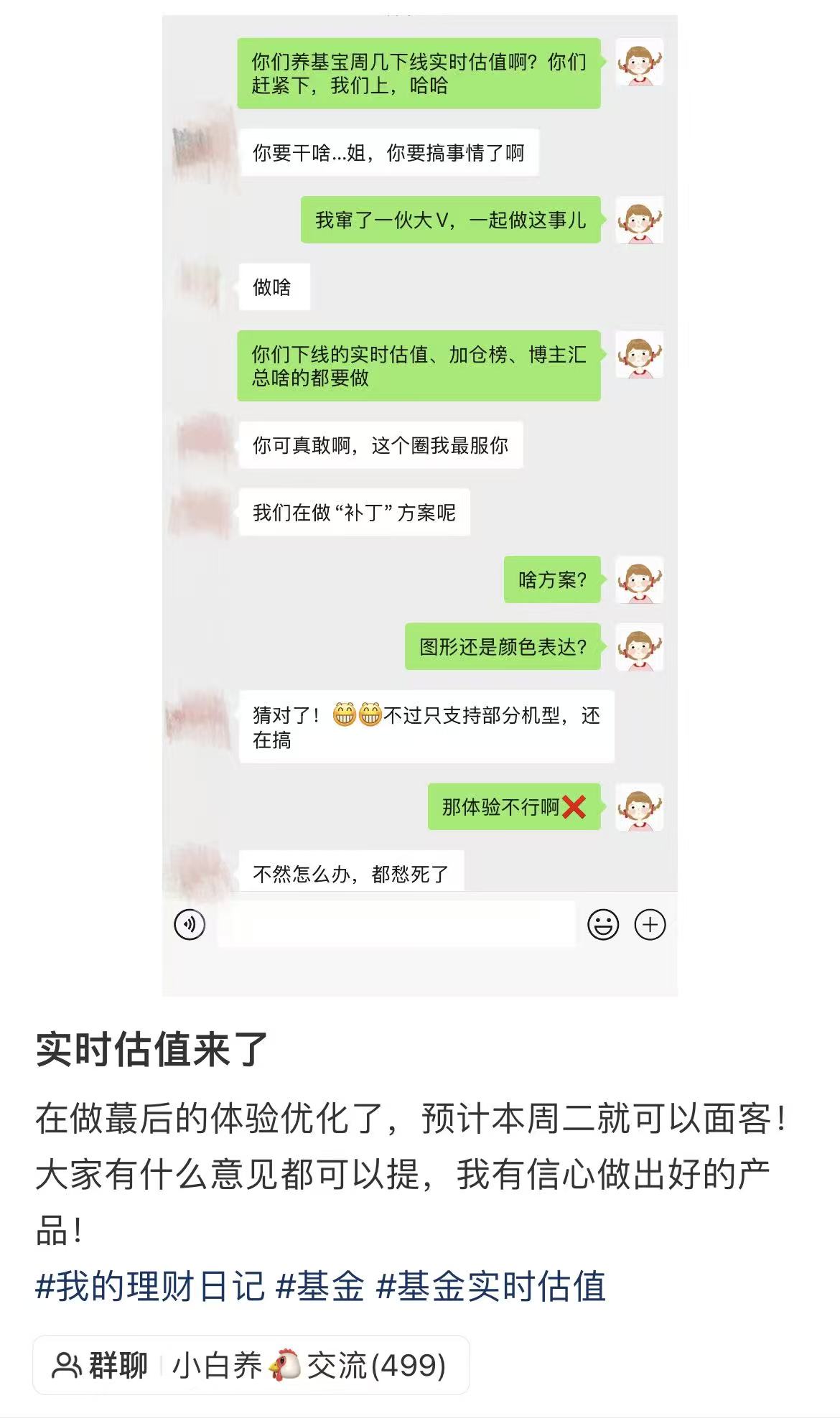
基金实时估值

Search documents
基金实时估值叫停 灰色工具售卖暗流涌动 谁在贩卖投资焦虑?
Nan Fang Du Shi Bao· 2026-02-12 23:13
Core Viewpoint - The China Securities Regulatory Commission (CSRC) has issued a notice mandating the removal of real-time fund valuation tools and related features from major platforms, aiming to rectify misleading practices in the fund industry and promote long-term investment strategies [2][6][16] Regulatory Actions - The CSRC's notice on January 29 clearly delineated compliance boundaries for fund sales, requiring the removal of features like "real-time valuation," "buying list," and "real trading list" from sales platforms and third-party networks [2][3] - Major platforms, including Ant Wealth, JD Finance, and Tencent Licai, swiftly complied by removing these functionalities, indicating a rapid and extensive industry response to regulatory demands [3][4] Market Reactions - The removal of real-time valuation tools has sparked significant discussion among investors on social media, with many expressing confusion and concern over how to assess fund performance without these tools [4][5] - Some experienced investors feel the loss of a critical market sentiment observation tool, while novice investors are particularly perplexed by the difference between "valuation" and "net value" [5][6] Expert Insights - Experts suggest that the regulatory crackdown aims to correct the distorted investment ecosystem characterized by short-term speculation and to guide investors back to the fundamental nature of fund investments [6][7] - Real-time valuations are based on outdated quarterly reports and do not reflect the dynamic adjustments made by fund managers, leading to potential misinterpretations and investment risks [7][8] Investment Risks - The average deviation between real-time valuations and actual net values can reach 0.8%, with extreme cases exceeding 3%, posing significant risks for investors who rely on these estimates for decision-making [7][8] - Investors using real-time valuations for trading decisions may incur losses due to discrepancies between estimated and actual net values, highlighting the dangers of short-term trading strategies in a long-term investment context [8][14] Gray Market Developments - Despite the regulatory actions, a gray market for real-time valuation tools has emerged on social media platforms, where users seek alternative, often unregulated, solutions to fulfill their information needs [9][10] - Platforms like Xiaohongshu have become hotspots for the sale of these tools, with users being directed to private groups for access to unofficial valuation services [10][12] Underlying Investor Psychology - The persistence of gray market demand reflects deep-seated investor anxieties about information asymmetry and a desire for control over their investments, often leading to reliance on unofficial data sources [12][13] - Many investors have developed a habit of monitoring real-time data, which has become their primary method for evaluating fund performance, despite the risks associated with such practices [13][14] Recommendations for Investors - Experts recommend that investors shift their focus from short-term data to long-term evaluation metrics, emphasizing the importance of understanding fund performance through comprehensive analysis rather than relying on real-time valuations [16] - Suggested strategies include focusing on risk-adjusted returns, maximum drawdown recovery capabilities, and long-term excess returns against benchmarks to better assess fund managers' performance [16]

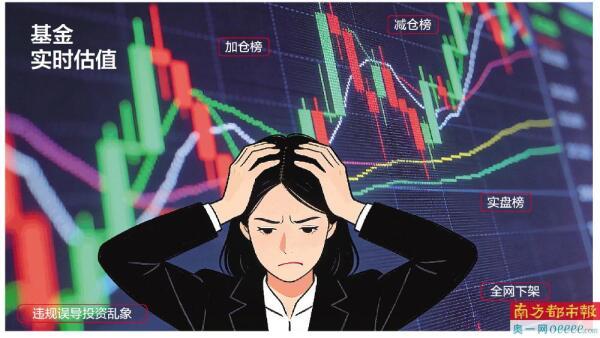
基金实时估值全网下架后,投资者该如何科学评估基金价值?
Nan Fang Du Shi Bao· 2026-02-09 13:20
Core Viewpoint - The China Securities Regulatory Commission (CSRC) has issued a significant notice regarding the regulation of the fund industry, emphasizing the need for compliance and the cessation of misleading functions such as real-time valuation tools, which have been deemed to mislead investors [2][5]. Industry Rectification - The CSRC's notice clearly delineates compliance boundaries for fund sales, mandating the removal of functions like "real-time valuation," "buying list," and "actual trading list" from sales platforms and third-party networks [2][3]. - Major platforms, including leading sales and third-party tool platforms, have swiftly responded by taking down these functions, indicating a rapid and extensive industry-wide rectification [2][3]. Investor Reactions - The rectification has sparked significant reactions among millions of fund investors, with discussions on social media platforms about the implications of losing real-time valuation tools [4]. - Experienced investors express discomfort over losing a "window" to observe market sentiment, while many novice investors are confused about the difference between "valuation" and "net value" [4]. Regulatory Intent - Experts suggest that the regulatory crackdown aims to correct the distorted ecology of fund investment, which has shifted towards short-term speculation rather than long-term investment [5]. - Real-time valuation is criticized for its inherent information bias, as it is based on outdated quarterly reports and does not reflect the fund manager's dynamic adjustments [5][6]. Differences Between Valuation and Net Value - Real-time valuation is not the same as the official net value disclosed by fund companies; it is a simulated estimate based on outdated data, leading to potential discrepancies [6][7]. - Studies indicate that the average deviation between estimated and actual net values can reach 0.8%, with extreme cases exceeding 3%, posing significant investment risks [6]. Gray Market for Valuation Tools - Despite the removal of real-time valuation functions from mainstream platforms, a gray market for these tools has emerged on social media, reflecting investors' ongoing anxiety about information access [8][9]. - Platforms like Xiaohongshu have become venues for selling real-time valuation tools, with users seeking alternatives despite the risks involved [9][12]. Investor Psychology and Market Issues - The persistent demand for gray market tools highlights investors' desire to overcome information asymmetry and reflects a broader trend of seeking control over investments through real-time data [14][15]. - Many investors have developed a reliance on real-time data, which has become their primary metric for evaluating fund performance, leading to anxiety when such tools are removed [15]. Recommendations for Investors - The removal of real-time valuation tools is intended to guide investors towards more rational and compliant methods of evaluating funds [17]. - Investors are encouraged to adopt a long-term perspective, focusing on core indicators such as risk-adjusted returns and maximum drawdown, rather than short-term fluctuations [17][18].

小红书禁言基金实时估值博主?教程帖文仍不断,少数还能查询
Bei Jing Shang Bao· 2026-02-05 08:20
Core Viewpoint - Xiaohongshu has implemented a ban on certain "real-time fund valuation bloggers," indicating regulatory scrutiny on platforms providing fund valuation services [1] Group 1: Regulatory Actions - The regulatory body highlighted concerns in a report on January 29, 2026, regarding the reintroduction of "real-time fund valuation" features by some fund sales institutions and unlicensed third-party platforms [1] - These features, which include "net value reference" and "sector rise and fall," may mislead investors and dilute fund product returns, prompting the need for regulation [1] - The report emphasized that fund sales institutions and third-party platforms must enhance self-inspection and remove misleading features like "real-time valuation," "increased positions leaderboard," and "real trading leaderboard" [1] Group 2: Current Platform Activity - Despite the ban on certain bloggers, many new posts related to "real-time fund valuation" have been published on Xiaohongshu since February, guiding investors to check fund valuations [1] - Some posts provide links to third-party platforms, such as "Estimate Assistant," allowing users to view real-time estimated gains and net values by entering fund codes [1]
传小红书禁言部分基金实时估值博主,官方暂无回应
Xin Lang Cai Jing· 2026-02-05 07:49
Group 1 - The core message indicates that Xiaohongshu has implemented a ban on certain "real-time fund valuation bloggers" following regulatory guidance [1][3] - Regulatory authorities have emphasized the need for fund sales institutions and third-party platforms to enhance self-examination and rectify issues, specifically by removing features that may mislead investors, such as "real-time fund valuation," "increased positions leaderboard," and "actual trading leaderboard" [1][3] Group 2 - As of the time of reporting, Xiaohongshu has not provided an official response to inquiries regarding the ban [2][4]
基金估值科普|什么是实时估值?监管叫停背后引导行业回归长期投资
Xin Lang Cai Jing· 2026-02-05 06:14
Core Viewpoint - The recent regulatory crackdown on the "real-time valuation" feature of mutual funds across major platforms aims to address industry chaos and promote long-term investment principles [5][13]. Regulatory Actions - Major platforms have removed features like "real-time valuation," "live rankings," and "increased holdings rankings" in response to regulatory requirements [1][15]. - The China Securities Regulatory Commission (CSRC) issued a notice mandating the removal of these features by January 30, 2026, highlighting two main violations: collaboration with unqualified internet influencers and the reintroduction of previously banned features [15][16]. Reasons for Regulation - The core reasons for the removal of the "real-time valuation" feature include: 1. **Inherent Data Errors**: The data provided by third-party platforms is based on outdated reports, leading to discrepancies with actual net values, which can mislead investors and cause disputes [5][13]. 2. **Encouragement of Short-term Trading**: The feature promotes a short-term trading mentality, contrary to the fundamental principle of long-term investment, resulting in lower returns for frequent traders compared to long-term holders [5][13]. 3. **Marketing Malpractices**: Some fund companies have exploited the feature in collaboration with unqualified influencers, leading to misleading promotions and significant losses for investors [6][14]. 4. **Industry Ecosystem Upgrade**: The regulation aims to shift the focus from stimulating transactions to providing professional services, thereby enhancing investor protection [6][14]. Impact on Investors - Investors are advised to adjust their strategies post-removal of real-time valuation by focusing on: 1. **Understanding Actual Holdings**: Analyzing periodic reports for insights into the fund's top holdings and management strategies rather than relying on real-time estimates [8][16]. 2. **Evaluating Long-term Risk and Return**: Establishing performance evaluation mechanisms over longer periods to assess the fund's ability to generate excess returns and manage risks [9][16]. 3. **Implementing Dollar-Cost Averaging**: Adopting a disciplined investment approach to mitigate emotional trading and benefit from market fluctuations over time [9][17].

蚂蚁、京东、同花顺,下架基金实时估值和相关短期排行榜
新华网财经· 2026-02-04 13:00
Group 1 - Major distribution channels such as Ant Wealth, Tonghuashun Fund, and JD Finance have removed real-time valuation and related short-term ranking features [2][5] - Regulatory authorities have mandated that fund sales institutions and third-party platforms conduct self-inspections and remove features that may mislead investors, such as "real-time valuation" and "ranking lists" [4][6] - The removal of these features is part of a broader regulatory effort to discourage short-term trading behaviors and promote the core purpose of mutual funds as long-term investment tools [9] Group 2 - Some platforms have attempted to disguise the removal of real-time valuation by presenting similar information under different names, such as "net value reference" and "sector fluctuations" [4][9] - The industry is currently undergoing a compliance review, with companies assessing the qualifications of their partners and ensuring adherence to regulatory requirements [7] - The regulatory push aims to stabilize the market by preventing behaviors that could lead to increased volatility, such as frequent redemptions triggered by real-time valuation changes [9]

纠偏短期交易行为 代销渠道下架“惹争议”功能
Zhong Guo Zheng Quan Bao· 2026-02-03 22:16
Core Viewpoint - The regulatory authorities have mandated fund sales institutions and third-party platforms to conduct self-examinations and remove misleading features that could confuse investors, aiming to promote long-term investment strategies over short-term trading behaviors [1][2][4]. Group 1: Regulatory Actions - Regulatory bodies have observed that some fund sales institutions and unlicensed third-party platforms have reinstated "real-time valuation" features, which could mislead investors and dilute fund product returns [2][4]. - Fund sales institutions and third-party platforms are required to remove features such as "real-time valuation," "increased position rankings," and "actual performance rankings" to prevent misleading investor behavior [2][3]. - Major platforms like Ant Wealth and Tonghuashun have already complied by suspending these features, with specific timelines for adjustments announced [2][3]. Group 2: Industry Response - Many platforms have taken steps to comply with regulatory requirements, including the removal of various ranking features that could mislead investors [3][4]. - Some platforms continue to display real-time valuations under different formats, indicating a need for further compliance and adjustment within the industry [4][5]. - The industry is undergoing a self-assessment process to ensure compliance with regulations, with companies actively checking the qualifications of their promotional partners [3][5]. Group 3: Market Implications - The removal of misleading features is part of a broader effort to guide fund sales away from transactional behaviors and encourage investors to focus on long-term asset management [4][5]. - The use of real-time valuation has been criticized for fostering short-term trading behaviors, which contradicts the fundamental purpose of mutual funds aimed at ordinary investors [5]. - Regulatory actions are intended to stabilize the market and mitigate risks associated with investor behavior during periods of market volatility [5].
纠偏短期交易行为代销渠道下架“惹争议”功能
Zhong Guo Zheng Quan Bao· 2026-02-03 20:27
Core Viewpoint - The regulatory authorities have mandated fund sales institutions and third-party platforms to conduct self-examinations and remove misleading features that could confuse investors, aiming to promote long-term investment strategies over short-term trading behaviors [1][2][4]. Group 1: Regulatory Actions - Regulatory bodies have observed that some fund sales institutions and unlicensed third-party platforms have reinstated "real-time valuation" features, which could mislead investors and dilute fund product returns [2][4]. - Fund sales institutions and third-party platforms are required to remove features such as "real-time valuation," "increased position rankings," and "actual performance rankings" to prevent misleading investor behavior [2][3]. - Major platforms like Ant Wealth and Tonghuashun Fund have already announced the suspension of real-time valuation and related ranking features, with specific timelines for these adjustments [2][3]. Group 2: Industry Response - Various platforms have begun to remove features that could negatively impact investor behavior, such as "simulated valuation" and "ranking lists" [3][4]. - Despite regulatory requirements, some platforms continue to display real-time valuations under different formats, indicating a need for further compliance [4][5]. - The industry is undergoing a self-assessment process to ensure compliance with new regulations, including reviewing partnerships with unqualified internet influencers for fund sales activities [3][4]. Group 3: Market Implications - The removal of real-time valuation and ranking features is part of a broader effort to guide fund sales away from short-term trading and encourage investors to focus on long-term asset management [4][5]. - The use of real-time valuation has been criticized for facilitating frequent trading and market speculation, which contradicts the fundamental purpose of public funds aimed at ordinary investors [5].
蚂蚁、京东、同花顺,下架这些功能
Zhong Guo Zheng Quan Bao· 2026-02-03 14:47
Group 1 - The core issue revolves around a fund company's violation of sales regulations, leading to major distribution channels like Ant Wealth and Tonghuashun removing real-time valuation and related short-term ranking features [1][3] - Regulatory authorities have mandated that fund sales institutions and third-party platforms conduct self-inspections and remove misleading features that could confuse investors, such as "real-time valuation" and "ranking lists" [3][4] - Many institutions have already begun to comply with these regulations by suspending features that could mislead investors, including real-time valuation and various ranking lists [4][5] Group 2 - The industry is undergoing a self-check process regarding the qualifications of influencers (referred to as "DVs") collaborating with fund companies, ensuring they possess the necessary qualifications for fund sales [2][5] - Despite regulatory actions, some platforms continue to display modified versions of real-time valuation, using alternative methods to indicate fund performance, which could still mislead investors [6][7] - The regulatory push aims to discourage short-term trading behaviors and promote the fundamental purpose of mutual funds as long-term investment tools, thereby stabilizing the market [6][7]
仍有平台、博主“顶风”,“基金实时估值”悄转私域
2 1 Shi Ji Jing Ji Bao Dao· 2026-02-03 13:23
Core Viewpoint - The recent incident involving Debang Fund's rapid capital inflow of 12 billion yuan has highlighted the chaotic internet marketing practices within the fund industry, prompting regulatory scrutiny on misleading tools like real-time valuation and ranking lists [1][19]. Group 1: Regulatory Response - Regulators have emphasized the need for fund sales institutions and third-party platforms to conduct self-examinations and remove misleading tools that could mislead investors [1]. - This is not the first regulatory action; in June 2023, regulators had already mandated the removal of real-time valuation features due to risks of significant discrepancies between estimated and actual net values [13][19]. - The case of Debang Fund serves as a catalyst for renewed regulatory focus on the potential harm caused by misleading valuation data and its impact on investor behavior [19][20]. Group 2: Market Dynamics - Since February, there has been a surge in posts sharing fund valuation tools on social media platforms, with some influencers directing followers to private groups for access [4][12]. - Some self-media accounts have begun selling real-time valuation software, with prices ranging from a few yuan to over ten yuan [4]. - Despite regulatory requirements to remove certain features, some platforms have continued to offer modified versions of these tools, indicating a reluctance to fully comply with regulations [9][10]. Group 3: Investor Behavior and Risks - The rapid dissemination of distorted valuation data through social networks can create herd behavior among investors, leading to irrational trading decisions [18]. - The discrepancy between real-time valuation and actual net value can mislead investors, as seen in the case of Debang Fund, where the reported real-time increase was significantly higher than the actual net value increase [19]. - There is a strong demand from investors for more data and tools to bridge the information gap, which may lead to further regulatory challenges as platforms seek to meet this demand while remaining compliant [16][22].