堡垒2.0

Search documents
大电量增程时代开启,80kWh成新起点?
高工锂电· 2026-03-01 10:51
Core Viewpoint - The trend of high-capacity range-extended electric vehicles (EREVs) has become a definitive direction in the automotive industry, with increasing competition and innovation in battery technology driving this shift [1][7]. Market Dynamics - Consumer habits significantly influence marketing strategies, with over 80% of EREV owners preferring to use their vehicles as pure electric cars [2]. - A new form of range anxiety has emerged for EREVs, prompting manufacturers to introduce models with battery capacities comparable to pure electric vehicles, leading to a surge in range capabilities [3][6]. - By October 2025, several brands, including Xiaomi and Li Auto, are expected to launch 80kWh EREV models, marking a new starting point for high-capacity EREVs [5][7]. Competitive Landscape - The current market features over 40 EREV models, with competition not only from smaller-capacity EREVs but also from high-capacity pure electric vehicles [8][9]. - The average capacity of EREVs has reached around 60kWh, closely aligning with mainstream pure electric vehicles, while strategies regarding fuel tank sizes vary among manufacturers [6][9]. Technological Advancements - The cost of power batteries has significantly decreased from approximately 2000 RMB/kWh in 2013 to around 300 RMB/kWh today, making it feasible to enhance range through increased battery capacity [9]. - Battery technology advancements, such as the 80kWh "Fortress 2.0" battery from Honeycomb Energy, support rapid charging and improved safety, addressing consumer demands for high-capacity and fast-charging solutions [11][14]. Consumer Expectations - Users are increasingly expecting EREVs to deliver performance and experience comparable to pure electric vehicles without compromising safety due to higher battery capacities [15]. - The market for EREVs is anticipated to focus on the mid-to-high-end segment, with a clear price differentiation from pure electric vehicles [10]. Future Outlook - The evolution of high-capacity EREVs is just beginning, with expectations for stricter requirements on battery technology and performance as the market matures [17].

全世界都在抢的车,中国却开始嫌弃
汽车商业评论· 2026-02-04 23:06
Core Viewpoint - The article discusses the significant decline in the growth rate of plug-in hybrid vehicles (PHEVs) in the Chinese automotive market, highlighting the competitive pressure from pure electric vehicles (EVs) and the changing consumer preferences that have led to this shift [4][6][7]. Group 1: Market Trends - In 2025, the growth rate of PHEVs dropped to 8.8%, with range-extended vehicles seeing a mere 6% increase, marking the first instance of consecutive monthly declines in this segment [6][7]. - The penetration rate of PHEVs in the new energy vehicle market surged from 17% in 2021 to 40% in 2024, but the market dynamics shifted dramatically in 2025 [4][6]. - The average price of pure electric vehicles fell by 15% from 168,000 yuan in 2024 to 143,000 yuan in 2025, while mainstream PHEVs remained in the 150,000 to 180,000 yuan range, erasing the price advantage previously held by PHEVs [11]. Group 2: Consumer Behavior - The average range of pure electric vehicles exceeded 528 kilometers in 2025, with many mainstream models surpassing 600 kilometers, significantly reducing consumer anxiety regarding range [15]. - The rapid development of charging infrastructure, with a car-to-charging station ratio of 2.5:1 and a total of 20.09 million charging facilities by the end of 2025, has made pure electric vehicles a more reliable choice for consumers [15]. - Consumers are increasingly viewing pure electric vehicles as a dependable option, leading to a decline in the perceived necessity of PHEVs, which were initially chosen to alleviate range anxiety [15][19]. Group 3: Technological Shifts - PHEVs are experiencing a shift towards larger battery capacities and faster charging solutions, with many manufacturers adopting battery sizes exceeding 60 kWh to enhance their appeal [27][29]. - The introduction of 800V high-voltage platforms and ultra-fast charging technologies is becoming standard, allowing for significant improvements in charging efficiency [15][27]. - The trend of integrating larger batteries into PHEVs is raising production costs, which could undermine their competitive pricing advantage [32][35]. Group 4: Regulatory Environment - New regulations set to take effect in 2026 will tighten the eligibility criteria for tax exemptions for PHEVs, making it more challenging for lower-end models to compete [39][40]. - The shift from a "universal" tax exemption policy to one that favors stronger models will further complicate the market landscape for PHEVs [37][41]. Group 5: Future Outlook - Despite the current challenges, the article suggests that PHEVs will maintain a significant market share, with a projected penetration rate of 36% in 2025, corresponding to 4.669 million units [51]. - The global market for PHEVs is expected to grow, with predictions indicating that their growth rates will surpass those of pure electric vehicles in the coming years [60][66]. - The unique energy structure and market conditions in China suggest that PHEVs will continue to play a crucial role in the automotive landscape, particularly in regions with less developed charging infrastructure [52][54].


拆解蜂巢“堡垒2.0”:6C快充、双倍抗撞与不起火电芯如何炼成
Xin Lang Cai Jing· 2026-01-22 06:52
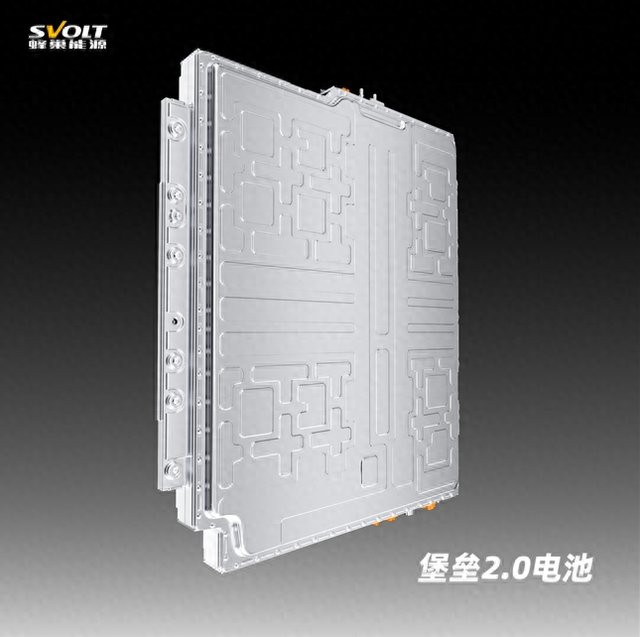
Core Insights - The article highlights the launch of the "Fortress 2.0," the world's largest 80kWh plug-in hybrid battery pack by Honeycomb Energy, addressing user expectations beyond fuel efficiency to include quiet operation, rapid response, extended electric range, fast charging, and uncompromised safety [1][6] Group 1: Battery Technology - The "Fortress 2.0" enables D-class plug-in hybrid vehicles to achieve over 400 kilometers of pure electric range through advanced technological innovations [1][6] - The system's high integration technology improves both volume utilization and energy density by 6%, allowing for more energy storage without compromising cabin or trunk space [3][6] Group 2: Charging Efficiency - The battery pack features ultra-fast charging technology, supporting peak charging rates of 6C, allowing the battery to charge from 10% to 80% in just 10 minutes, comparable to the time taken for a coffee break [4][6] Group 3: Safety Features - The "Fortress 2.0" emphasizes safety with a unique pultruded composite design that exceeds national standards for side impact resistance, providing a robust first line of defense for passengers [4][6] - The battery cells are designed to withstand severe testing conditions without catching fire or exploding, effectively managing thermal runaway risks [4][6] Group 4: Market Positioning - The introduction of the "Fortress 2.0" not only sets a record for the largest plug-in hybrid battery pack but also systematically addresses the challenges of range, charging, and safety from the perspective of real-world user scenarios [6] - This technology offers a high-value option for consumers prioritizing family travel quality and safety, aiming to redefine user expectations for plug-in hybrid batteries [6]
新技术、新产品集中亮相,蜂巢能源以差异化破局动力电池红海市场
Jing Ji Wang· 2026-01-19 07:28
Group 1 - The core viewpoint of the articles highlights the rapid growth and technological advancements in the Chinese electric vehicle (EV) market, particularly in the context of new energy vehicles (NEVs) becoming the preferred choice for consumers in 2026, with a retail penetration rate of 59.1% in December 2025 [1] - The introduction of innovative technologies such as high-capacity plug-in hybrid electric vehicles (PHEVs), 800V high-voltage technology, thermal-electric separation, and semi-solid batteries is shaping consumer purchasing decisions [1][6] - The company Hive Energy is confident in achieving profitability in 2026, supported by the launch of new products and manufacturing processes showcased at their sixth Battery Day [3] Group 2 - The Fortress 2.0 battery, designed specifically for the Chinese market, is recognized for its high reliability and safety, having won multiple awards and successfully completing extreme endurance tests [4][6] - The Fortress 2.0 battery pack has a total capacity of 80 kWh, making it the largest plug-in hybrid battery globally, and features advanced charging capabilities that allow for rapid charging [6] - The Dragon Scale 3.0 battery system incorporates cutting-edge safety features and has gained popularity among high-end luxury brands, establishing itself as a competitive product in the premium battery market [7] Group 3 - The semi-solid battery technology has gained attention for its superior performance and safety, with Hive Energy pioneering innovations to overcome cost and stability challenges, leading to the introduction of the world's first large-capacity semi-solid battery [8] - The company has developed a new ion oscillation technology that enhances charging efficiency while maintaining battery safety and longevity, making it accessible to a broader range of consumers [9] - The energy storage market is emerging as a new growth driver for the lithium battery industry, with Hive Energy launching high-capacity storage batteries and focusing on international market expansion [11] Group 4 - The advancements in technology and product offerings from Hive Energy are expected to drive the transition of the lithium battery industry from price competition to value competition, reinforcing China's leadership in the new energy sector [12]
蜂巢能源2025年出货41GWh
起点锂电· 2026-01-16 10:17
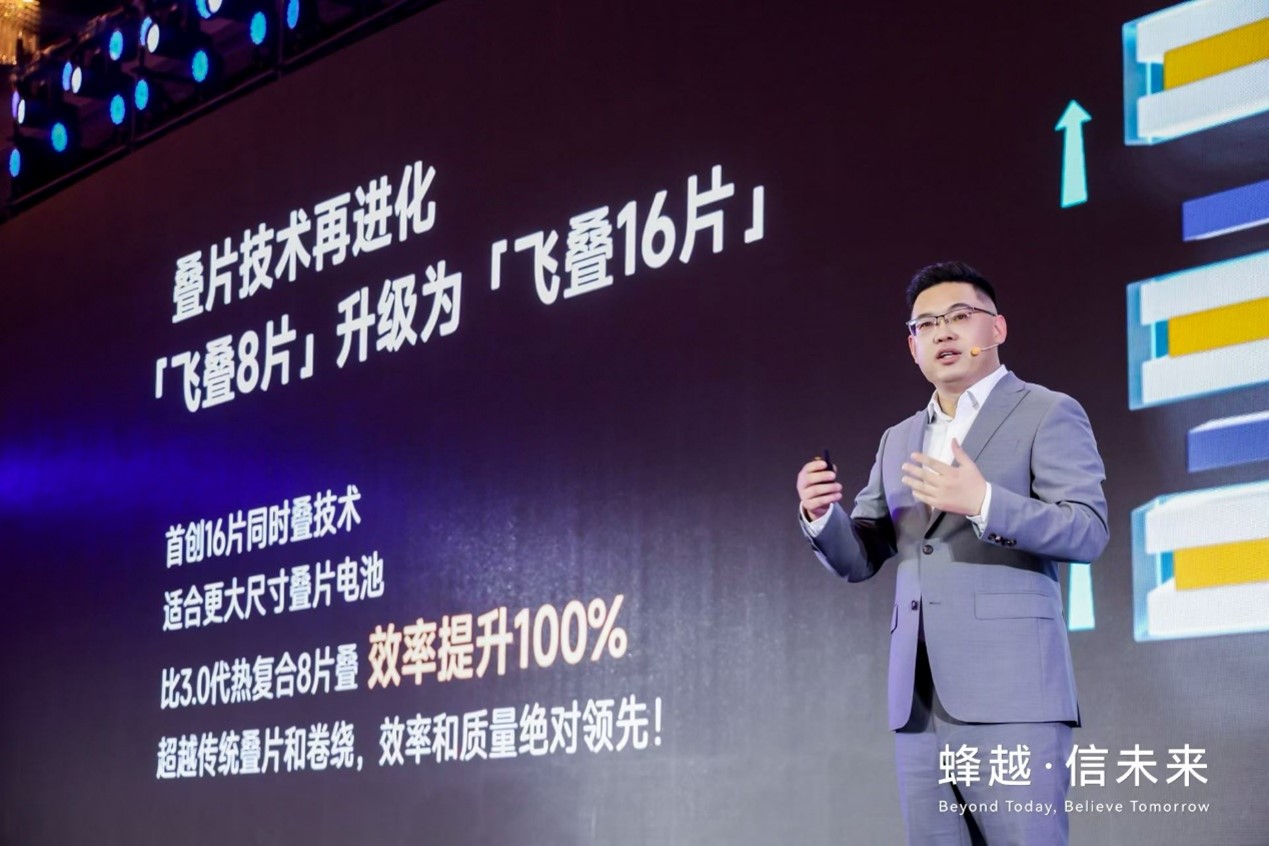
Core Viewpoint - The article highlights the significant achievements of Honeycomb Energy, including its first quarterly profit in Q4 2025 and a total shipment volume of 41 GWh, representing a 53% year-on-year growth compared to 2024, surpassing the industry average growth rate [2]. Group 1: Performance Metrics - In the first eleven months of 2025, Honeycomb Energy ranked ninth globally in power battery installation, with overseas installation growth reaching 321%, making it one of the fastest-growing battery companies worldwide [2]. - The company secured over 7 new designated customers and more than 25 new projects in 2025, including partnerships with Hyundai, Vinfast, Smart, and others, with deliveries starting in 2025 [2]. Group 2: Product Highlights - The "Short Blade" battery, launched in 2022, has gained significant market recognition, with cumulative shipments exceeding 1 million units, making it one of the fastest-growing battery categories [3]. - Notable vehicle deliveries include over 80,000 units of Haval plug-in hybrids and over 30,000 units of Ora pure electric vehicles [3]. Group 3: Global Expansion and Strategy - Honeycomb Energy has signed strategic cooperation agreements in Germany and India to establish localized supply chains and service systems, aiming to reduce transportation and operational costs [5]. - The company targets a battery shipment of 61 GWh in 2026, a 50% increase year-on-year, and aims to achieve profitability for the full year [7]. Group 4: Technological Innovations - New product developments include the Fortress 2.0, a hybrid battery pack with a capacity of 80 kWh and a peak fast charging capability of 6C, suitable for D-class hybrid vehicles [8]. - The company is also focusing on the energy storage market with advanced battery cells, such as the 588Ah and 684Ah cells, which have high cycle life and efficiency [9]. Group 5: Future Outlook - The global electric vehicle market is expected to exceed 30 million units in 2026, with increasing penetration rates, while emerging markets in Southeast Asia and South America are anticipated to experience rapid growth [6]. - Honeycomb Energy expects to maintain high growth in orders, with over 30 new vehicle models and a continued overseas shipment ratio exceeding 30% [10]. Group 6: IPO Plans - Honeycomb Energy is actively advancing its latest IPO plans, indicating a strategic move towards capital market engagement [11].