
小商AI设计

Search documents
【申万宏源研究春节见闻】从“鸡毛换糖”到“全球数贸中心”,见证义乌人基因里的生意经
Xin Lang Cai Jing· 2026-02-22 05:21
Core Viewpoint - The article highlights the transformation of Yiwu from a traditional trading hub to a global digital trade center, emphasizing its resilience and adaptability in the face of changing market dynamics [1][2][4]. Group 1: Global Digital Trade Center - The Yiwu Global Digital Trade Center officially opened on October 14, 2025, marking a significant shift from traditional trade to a digital trade ecosystem [4][31]. - The center covers an area of 1.25 million square meters, with 410,000 square meters dedicated to market space, housing merchants from eight new industries, including fashion jewelry and smart equipment [4][31][32]. - The center's development strategy includes a high-energy digital trade port and three digital trade platforms, aiming to empower commodity trade through data and cloud services [4][32][5]. Group 2: Industry Upgrade and Digital Trade - Yiwu's approach to digital trade is guided by decades of development experience, positioning it as a pioneer in applying digitalization to the trade sector [9][37]. - The essence of commodity trade is viewed as a competition of supply chains, with digitalization aimed at reducing information barriers and enhancing trade experiences [10][37]. - Despite market challenges, Yiwu's business entities have shown rapid growth, indicating that opportunities still exist, particularly in new industries and sectors [10][38]. Group 3: Cultural and Economic Significance - Yiwu's participation in the Spring Festival Gala as a sub-venue reflects its cultural significance and international engagement, showcasing its evolution from local markets to a global stage [18][46]. - The gala's themes highlight Yiwu's journey and its representation of modern China, emphasizing the blend of traditional culture with contemporary business practices [18][50]. - The integration of technology and intellectual property in Yiwu's branding is becoming a distinctive feature, enhancing its appeal as a global trade hub [50][54]. Group 4: Future Prospects - The article concludes that Yiwu is poised to enter a new chapter in its development, with the Global Digital Trade Center symbolizing its commitment to innovation and global trade [54][55]. - The ongoing evolution of Yiwu's market dynamics and the emergence of new business models suggest a promising future for the region as it aligns with China's broader industrial trends [54][55].



小商品乘上大模型东风
Jing Ji Ri Bao· 2026-02-07 22:03
Group 1 - The core concept of the news is the introduction of the "World Yiwu" trade model, a digital business assistant that is transforming the operational logic of small commodity foreign trade in Yiwu, China [1][3] - The "World Yiwu" trade model, launched in October 2025, has registered over 56,000 users and serves more than half of the merchants daily [1] - Merchants are leveraging AI tools to enhance operational efficiency and reach global customers through new channels like short videos and social media [1][3] Group 2 - The AI design module has enabled merchants to increase their monthly new product launches from 100 to over 200, while reducing costs by 50% [2] - The AI independent station tool has empowered 8,000 merchants to establish overseas e-commerce platforms, with a daily traffic of over 200,000 visits [2] - The independent station allows sellers to have complete decision-making power, avoid risks of product downgrading, and eliminate high commission and promotion fees [2] Group 3 - AI has facilitated three major transformations for Yiwu merchants: shifting from experience-driven to data-driven approaches, upgrading from single-point efficiency to full-chain empowerment, and moving from passive order-taking to proactive customer acquisition [3]
小商品城(600415):AI赋能商贸新生态
GOLDEN SUN SECURITIES· 2026-01-16 02:46
Investment Rating - The report maintains a "Buy" rating for the company [3][5]. Core Insights - The company is transitioning from a traditional foreign trade platform to an AI-driven digital trade ecosystem, with significant growth potential and a unique application of AI [1]. - The collaboration with Alibaba is deepening, with a complete closed-loop system established from AI tool development to trade scene implementation, significantly enhancing merchant operational efficiency and platform value [1]. - The "World Yiwu" trade model, developed in partnership with Alibaba, is tailored for the Yiwu market, integrating 13 self-developed AI tools into the World Yiwu APP, leading to centralized and intelligent service upgrades [2]. Financial Performance - The CG platform achieved revenue of 257 million yuan and a net profit of 155 million yuan in the first half of 2025, marking a 110% increase [3]. - The company projects net profits for 2025-2027 to be 4.24 billion yuan, 5.76 billion yuan, and 6.91 billion yuan, respectively, with year-on-year growth rates of 37.9%, 35.9%, and 20.0% [3]. - Financial forecasts indicate a steady increase in operating revenue from 11.3 billion yuan in 2023 to 33.42 billion yuan in 2027, with a compound annual growth rate of 48.3% in 2023 [4]. AI Application Impact - AI tools have significantly reduced costs and improved efficiency for merchants, with over 280,000 users benefiting from AI products by the end of October 2025 [2]. - The "Small Business AI Design" tool has shortened the design cycle from nearly one month to 7-10 days, reducing overall operating costs by approximately 30% [2].

从买卖全球到链接全球 浙江商品市场探索转型新路径
Zhong Guo Xin Wen Wang· 2025-11-28 09:01
Core Insights - Zhejiang province is experiencing a transformation in its commodity market, with a total transaction volume expected to exceed 1.8 trillion yuan in 2024, reflecting a year-on-year growth of 4.73% [1] - The market is evolving from a traditional trading model to an integrated ecosystem that encompasses the entire industrial chain, driven by "digital intelligence integration" [1][2] Group 1: Market Performance - In 2024, Zhejiang's 786 specialized markets are projected to achieve a total transaction volume of 1.77 trillion yuan, with 1.28 trillion yuan already recorded in the first three quarters of the year [1] - Zhejiang boasts two markets with transaction volumes exceeding 100 billion yuan, 31 markets over 10 billion yuan, and 451 markets over 1 billion yuan, holding 29 positions in the "Top 100 Chinese Commodity Markets" [1] Group 2: Digital Transformation - Over 25% of operators in Zhejiang's commodity markets have engaged in e-commerce, with an average annual transaction volume of 3.62 million yuan per operator [2] - The live-streaming e-commerce sector in Zhejiang is projected to generate 80.75 billion yuan in transaction volume in 2024, marking an impressive year-on-year increase of 89% [2] - More than 50% of commodity markets in Zhejiang have completed digital transformation by the end of 2023, with total investments exceeding 3.4 billion yuan [2] Group 3: Quality and Brand Development - The focus on quality has become essential for gaining consumer trust, with Zhejiang's markets enhancing brand incubation and implementing differentiated management for quality protection zones [3] - Zhejiang is advancing mandatory and recommended standards for quality control, with some markets establishing unified quality inspection and supply chain platforms [3] - The establishment of intellectual property protection offices in many markets aims to safeguard original designs, trademarks, and patents [3] Group 4: Innovative Market Models - Haining China Leather City has transitioned from a "selling goods" model to leading fashion lifestyle trends, with over 60% of new leather designs originating from this market [4] - Pinghu China Garment City has integrated into local tourism initiatives, attracting family visitors and achieving annual sales exceeding 50 billion yuan [4] Group 5: Global Integration - Zhejiang's commodity markets are shifting from a simple distribution model to a hub ecosystem that efficiently integrates global resources [6] - Yiwu Small Commodity City has developed its own brand "Yi Payment," collaborating with over 400 banks globally and covering more than 100 countries [6] - The establishment of overseas warehouses and logistics systems aims to enhance global circulation capabilities, with new international stations set up in Russia and Turkey [6] Group 6: Future Development Strategies - The Zhejiang Market Regulatory Bureau emphasizes five key trends: full-chain integration, digital intelligence, quality enhancement, experiential scenarios, and internationalization [8] - Recommendations include creating new market-industry synergies, developing new consumption benchmarks, activating comprehensive service platforms, and leveraging AI for market innovation [8]
小商品城:截至10月底,AI系列产品累计服务用户超28万人
Ge Long Hui· 2025-11-25 09:09
Core Insights - The collaboration between the company and Alibaba Cloud, particularly with its Tongyi model series, is deep and strategic, focusing on the development of a specialized trade model for Yiwu, known as the "World Yiwu" trade model [1] Summary by Sections Partnership and Model Development - The "World Yiwu" trade model is a core outcome of the partnership, designed specifically for the Yiwu market, leveraging Alibaba Cloud's technology and the company's insights into small commodity trade [1] Implementation and Results - The model has led to the integration of 13 self-developed AI application tools into the World Yiwu APP, enhancing service centralization and intelligent upgrades [1] - As of the end of October, AI products have served over 280,000 users and benefited more than 30,000 market merchants [1] Efficiency Improvements - The "Small Business AI Design" tool has reduced the traditional design cycle from nearly one month to 7-10 days, resulting in a 30% decrease in overall operating costs for merchants [1] - The "Small Business AI Vision Creation" tool enables merchants to generate multilingual marketing videos at zero cost within minutes, significantly lowering barriers for international expansion [1] - The "Small Business AI Business Card" creates digital avatars for merchants, facilitating a shift from passive customer waiting to proactive customer acquisition [1] Future Plans - The company plans to deepen its collaboration with Alibaba Cloud, focusing on building a dedicated corpus and continuously training and iterating the model to enhance its intelligence and understanding of small commodity trade [1]
小商品城(600415.SH):截至10月底,AI系列产品累计服务用户超28万人
Ge Long Hui· 2025-11-25 08:23
Core Viewpoint - The collaboration between the company and Alibaba Cloud focuses on developing a specialized trade model tailored for the Yiwu market, enhancing digital trade capabilities and efficiency [1] Group 1: Collaboration and Model Development - The partnership with Alibaba Cloud is described as deep and close, resulting in the "World Yiwu" trade model, which is not a general model but a vertical industry model specifically designed for Yiwu's small commodity trade [1] - The collaboration has achieved significant milestones, including the integration of 13 self-developed AI application tools into the World Yiwu APP, enhancing service centralization and intelligent upgrades [1] Group 2: User Impact and Efficiency Gains - As of the end of October, AI products have served over 280,000 users and benefited more than 30,000 market merchants [1] - The "Small Business AI Design" tool has reduced the traditional design cycle from nearly one month to 7-10 days, leading to a 30% decrease in comprehensive operating costs for merchants [1] - The "Small Business AI Vision Creation" tool allows merchants to generate multilingual marketing videos at zero cost within minutes, significantly lowering the barriers for international expansion [1] - The "Small Business AI Business Card" creates digital avatars for merchants, facilitating a shift from passive waiting to proactive customer acquisition [1] Group 3: Future Plans - The company plans to deepen its collaboration with Alibaba Cloud, focusing on building a dedicated corpus and continuously training and iterating the model [1] - The goal is to enhance the "World Yiwu" trade model, making it smarter and more attuned to small commodity trade, thereby driving sustained growth in Yiwu's digital trade [1]
9平米格子间的义乌女老板,老市场里的“新”生意
经济观察报· 2025-10-24 10:58
Core Viewpoint - The article highlights the adaptability and resilience of business owners in Yiwu, particularly female entrepreneurs, in response to changing international trade dynamics, including the impact of U.S. tariff policies and the introduction of AI technologies in their operations [2][10][14]. Group 1: Impact of U.S. Tariff Policies - U.S. customers have not completely stopped placing orders despite the imposition of tariffs, but there has been a reduction in order volume [2][14]. - Business owners like Yao Baojuan are cautious about accepting orders if profit margins are significantly compressed due to tariffs [14]. - The diverse customer base of Yiwu merchants mitigates the impact of U.S. tariffs, as they are not solely reliant on a few markets [10][14]. Group 2: Language and Skills Development - Yiwu merchants are increasingly learning new languages to better communicate with international clients, recognizing that English alone is insufficient [3][4]. - Training programs in various languages, including Spanish and Arabic, have been implemented to enhance trade capabilities [3][4]. - Entrepreneurs like Yao Baojuan and Fu Jiangyan have successfully transitioned from basic communication methods to fluently negotiating in multiple languages [4][5]. Group 3: Innovation and Technology Adoption - The introduction of AI tools in Yiwu has transformed how businesses operate, allowing for efficient communication and marketing through multilingual videos [8][9]. - Entrepreneurs like Sun Lijuan have leveraged AI to enhance product visibility and streamline customer interactions, resulting in a significant increase in sales [9][10]. - The launch of the sixth-generation market, which includes a digital trade center, represents a shift towards a more integrated and modern trading environment [20][21]. Group 4: Market Expansion Strategies - Yiwu merchants are actively exploring new markets to diversify their customer base and reduce dependency on any single market [10][21]. - Sun Lijuan has successfully penetrated markets in the Middle East and South America, while Fu Jiangyan is focusing on the African market due to its growing demand [10][21]. - The sixth-generation market is seen as a new opportunity for growth, with some entrepreneurs already securing positions there [20][21].
“世界超市”义乌将全力打造全球贸易标杆地
Zheng Quan Shi Bao Wang· 2025-10-21 00:42
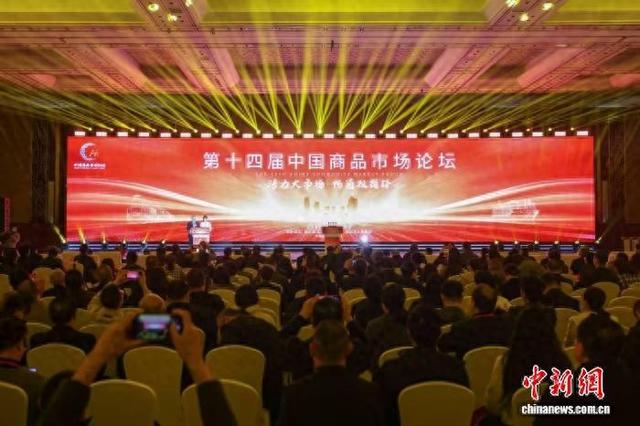
Core Insights - Yiwu, known as the "world supermarket," hosted the 2025 Yiwu Trade Conference, attracting over 1,000 domestic and international buyers, trade association representatives, and e-commerce platforms [1] - The city aims to establish itself as a global trade benchmark and innovation hub through its "146" development strategy, focusing on marketization, internationalization, digitalization, and integration [1] - The Yiwu Global Digital Trade Center, a key project under the listed company Yiwu Small Commodity City, has a total investment of approximately 8.3 billion yuan and aims to enhance the digital capabilities of trade [1] Trade and Logistics Development - The conference theme "New Patterns, New Opportunities, New Benchmarks" addressed global economic trends and trade rules, alongside the second China Logistics Hub Development Conference and an AI-enabled trade forum [2] - Yiwu is enhancing its logistics capabilities through four main channels: land (Zhejiang-Europe Railway), sea (integration with Ningbo-Zhoushan Port), online (digital trade), and air (global air cargo network) [2] - From January to September this year, the Zhejiang-Europe Railway (Yixinou) operated 2,427 trains, a year-on-year increase of 18.3%, while the sea-rail intermodal transport saw a 22.6% increase in heavy container shipments [2] Digital Economy and AI Integration - Yiwu is recognized as a pioneer in the digital economy, developing a comprehensive trade model that includes 13 AI applications focused on small commodity trade [3] - The model has over 30,000 registered users and has recorded over 1 billion AI product calls, with businesses utilizing AI seeing order increases of over 30% [3]
AI重塑小商品贸易 “世界超市”迸发新动能
Zheng Quan Shi Bao· 2025-09-18 17:50
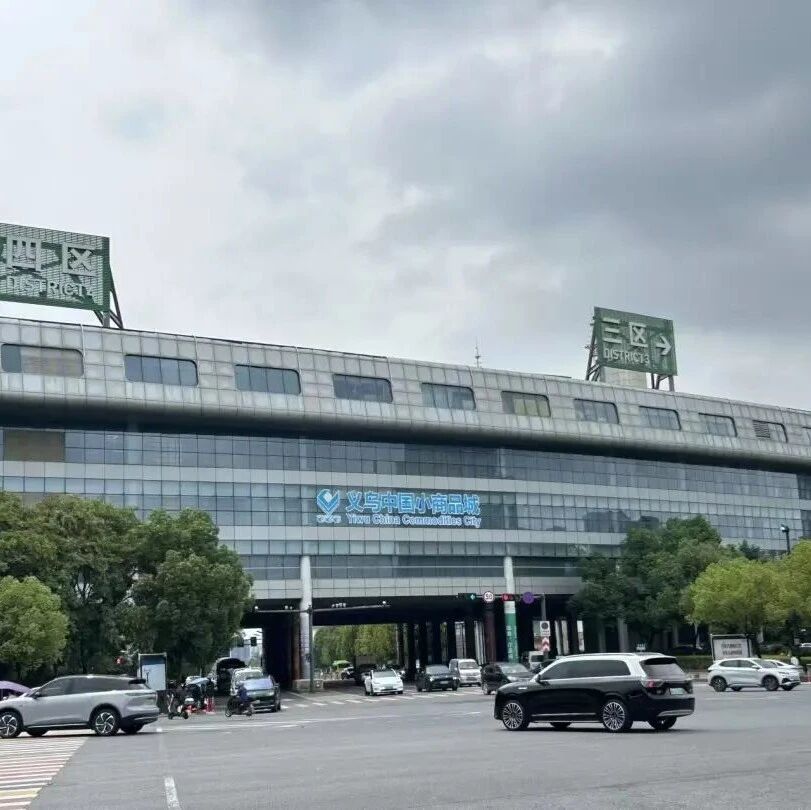
Core Insights - Yiwu International Trade City, known as the "world supermarket," continues to thrive amid global trade fluctuations, with a total import and export value of 554.26 billion yuan in the first eight months of this year, representing a year-on-year growth of 24.9% [2] - The integration of AI tools in the Yiwu market has significantly enhanced operational efficiency, with over 30,000 merchants adopting AI technologies, leading to an order growth of over 30% for those deeply utilizing AI [4][6] Trade Performance - In the first eight months of this year, Yiwu's exports reached 486.6 billion yuan, up 23.7% year-on-year, while imports totaled 67.66 billion yuan, marking a 34.0% increase [2] - The strong performance is attributed to the robust supply chain and continuous upgrades by the operators in the Yiwu market [2] AI Integration - AI tools have become a new driving force for customer acquisition in Yiwu, with merchants reporting order increases of over 40% due to AI assistance in product design and marketing [3] - The Chinagoods platform has launched various AI applications to support merchants in production design, content generation, and transaction facilitation, enhancing the overall trade chain [4][7] Strategic Collaborations - Yiwu Small Commodity City has partnered with Qunhe Technology to create a digital ecosystem aimed at supporting 10,000 merchants in leveraging AI for international trade [6] - The collaboration with Tencent Smart Retail aims to accelerate the digital transformation of Yiwu, positioning it as a global digital trade center [8] Market Evolution - Yiwu is transitioning to its sixth-generation market, with the Global Digital Trade Center project set to open in October 2025, featuring an investment of 8.3 billion yuan and a construction area of 1.25 million square meters [8][10] - The new market will focus on innovative services for merchants, including global brand incubation and supply chain finance, promoting a digital upgrade across the trade ecosystem [9][10]
小商品城智变——每个摊位都是AI实验室 每笔订单都在训练算法
Zhong Guo Jin Rong Xin Xi Wang· 2025-07-29 23:33
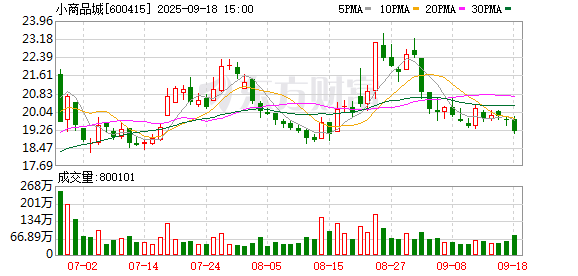
Core Viewpoint - Yiwu's small commodity city is transforming its trade service ecosystem through globalization and digitalization, aiming to become a globally recognized international trade service provider [1][5]. Group 1: Digital Transformation and AI Integration - The company has invested heavily in AI and research since 2023, launching a series of AI products to enhance digital commerce [2]. - AI tools have penetrated the entire trade chain, significantly improving efficiency; for instance, the time to list products has been reduced from 2 hours to 12 minutes, and marketing video generation is now automated in 36 languages [2][3]. - The AI system analyzes global consumer data to provide merchants with market preference maps and predict trending products, effectively upgrading traditional stalls into "smart trade bases" [3]. Group 2: Market Development and Infrastructure - The new global digital trade center, with an investment of 8.3 billion yuan and a construction area of 1.25 million square meters, is set to open in October 2025, attracting significant interest from both individual and corporate investors [3]. - The bidding prices for retail spaces in the new market have surged, indicating a revaluation of market assets and a shift towards a new era of digital trade [3]. Group 3: Payment Solutions and Financial Services - The launch of "Yiwu Pay" has facilitated cross-border payments, with a reported transaction volume of $2.58 billion in the first half of 2023, marking a 46% year-on-year increase [4]. - The company is establishing offshore subsidiaries to enhance its financial services, aiming to leverage the financial openness of Hong Kong [4]. Group 4: Financial Performance and Shareholder Returns - The company anticipates a net profit of 1.63 to 1.7 billion yuan for the first half of 2025, reflecting a year-on-year increase of 12.57% to 17.40% [6]. - The operating cash flow for 2024 is projected at 4.49 billion yuan, a 143.43% increase, supporting strategic investments [6]. - The dividend payout has increased, with a proposed distribution of 3.3 yuan per 10 shares in 2024, totaling 1.81 billion yuan, representing a 58.87% payout ratio [6]. Group 5: Future Outlook and Strategic Goals - The company aims to enhance trade facilitation through financial technology, leveraging its extensive cross-border trade network with over 230 countries [7]. - The strategic goal is to simplify trade processes and create greater value for global customers [7].