巡逻机器人

Search documents
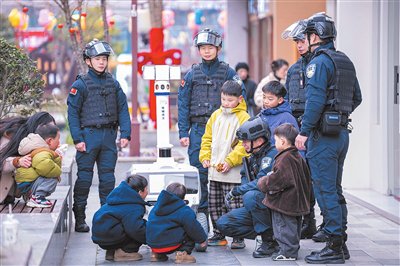
机器人巡街
Xin Lang Cai Jing· 2026-02-12 23:43
Group 1 - The article highlights the efforts of the Changxing County Public Security Bureau's patrol police team in ensuring safety during the pre-Spring Festival period [3] - A notable feature of the patrol is the use of a patrol robot, which has attracted the attention of children, indicating a community engagement aspect [3]


财经观察:“向中国学习”成韩国高科技产业新选项
Huan Qiu Shi Bao· 2026-01-12 23:01
Core Insights - South Korea is increasingly looking to China for insights into advanced technologies such as AI and robotics, as China leads in these sectors, making it a crucial reference point for South Korea's strategic development in these areas [1][4]. Group 1: Industry Observations - A delegation from the Korea Trade Association visited China to explore cutting-edge technologies, emphasizing the strong impact of witnessing advanced technologies firsthand [2]. - The CES event highlighted the competitive pressure on South Korea, as Chinese companies that once imitated Korean products are now seen as leaders in technology [3]. - The Korean media has reported extensively on the performance of Chinese robotics companies at CES, reflecting a mix of competitive anxiety and opportunities for collaboration [2][3]. Group 2: Structural Challenges - South Korea's manufacturing sector, while significant at 28% of GDP, faces challenges with low value-added rates and slow industrial upgrades, prompting a need for transformation [4]. - Key industries in South Korea are experiencing intensified global competition, particularly in robotics, electric vehicles, and semiconductors, where China has gained a competitive edge [4]. Group 3: Strategic Shifts - The Korean industry is not only interested in learning high-end technologies from China but also in adopting comprehensive industrial strategies, including policy support and integrated research and development ecosystems [5]. - Recent exchanges between China and South Korea in the tech sector have increased, with multiple delegations visiting to foster collaboration in AI and robotics [5]. Group 4: Government Initiatives - The South Korean government has identified AI, semiconductors, and humanoid robots as national strategic priorities, aiming to become a global leader by 2030 [7]. - Significant financial commitments have been made, including a proposed sovereign wealth fund and a national growth fund to support investments in advanced technologies [7]. Group 5: Collaborative Opportunities - There is a recognition of mutual benefits in AI and robotics, with South Korea's strengths in specific technologies complementing China's market size and talent pool [6]. - New cooperative frameworks have been established to facilitate discussions on AI standards and technology certification between the two countries [8].
在深圳龙岗机器人技能大赛看产业“上岗”之路
Xin Hua Wang· 2025-12-30 02:23
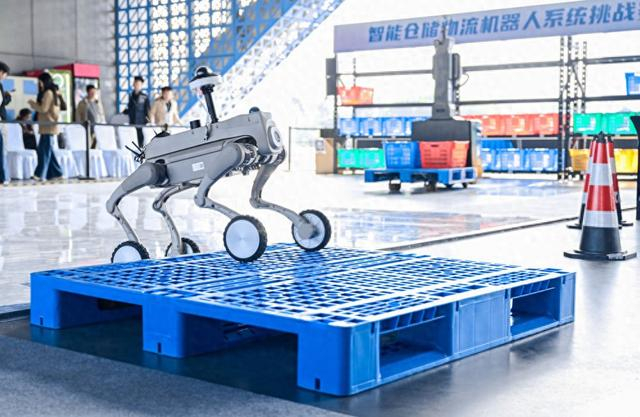
Core Insights - The 2025 Robot Skills Competition held in Longgang, Shenzhen, showcases the practical application of robotics in various industries, emphasizing the transition from competition to real-world implementation [1][15][20] - Longgang District is establishing itself as a core hub for artificial intelligence and robotics, driven by systematic innovation and a comprehensive industrial ecosystem [1][23] Group 1: Event Overview - The competition took place from December 26 to 30, 2025, featuring high-precision industrial assembly and intelligent logistics challenges [1] - Robots demonstrated capabilities such as precise screw fastening and autonomous path planning for sorting and handling tasks [1][20] Group 2: Institutional Innovation - Longgang established the first government-affiliated agency in the AI sector, the Longgang District AI (Robotics) Bureau, to streamline industry management and support [5][10] - A comprehensive policy framework has been developed, including action plans for creating an AI demonstration zone and fostering talent [7][8] Group 3: Resource Aggregation - Longgang is enhancing its manufacturing base and data resources to support the robotics industry, aiming for robots to be capable of production, operation, optimization, and iteration [12] - The district has created a public computing power pool, providing nearly 10,000 P of computing resources to alleviate "computing anxiety" for startups [12][13] Group 4: Application Scenarios - Longgang has identified 564 specific application scenarios across 21 fields, facilitating quick deployment of technologies by enterprises [18] - Successful applications include a forest fire monitoring system that reduced manual alerts by approximately 80% and a smart pool monitoring system for 254 pools [18][22] Group 5: Industry Impact - The competition serves as a "testbed" for innovation, connecting academia and industry to address real-world challenges [20] - Over 600 AI-related companies have established operations in Longgang, contributing to significant growth in the sector's added value [22][23]
民警的硬核“巡逻搭子” 机器人成全运会安保助手
Yang Shi Wang· 2025-11-15 17:12
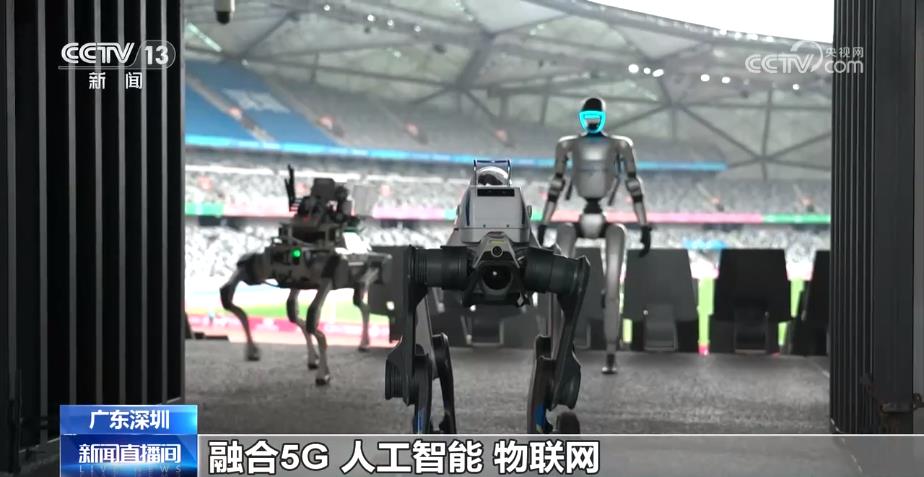
Group 1 - The 15th National Games are currently being held in the Guangdong-Hong Kong-Macao Greater Bay Area, showcasing advanced security measures including police robots and inspection dogs to enhance safety and power supply efficiency [1] - In the Shenzhen Universiade Center, a patrol robot and two quadruped robots are working together for auxiliary patrols, equipped with advanced obstacle avoidance radar and emergency alarm systems connected to the command center for quick assistance [1][3] - The integration of technologies such as 5G, artificial intelligence, the Internet of Things, cloud computing, and big data allows police to monitor patrol activities in real-time through cameras on the robots [3] Group 2 - Outside the competition venues, inspection robots from the Shenzhen Power Supply Bureau are efficiently performing tasks such as infrared temperature measurement, meter reading, and abnormal sound detection, with all data being transmitted in real-time to the backend [5] - The AI intelligent diagnosis system enables staff to quickly and accurately locate potential hazards, facilitating early detection and resolution of power supply issues [5]
“智”力超凡!AR导览、AI数字人、巡逻机器人……科技加持为十五运会添活力
Yang Shi Wang· 2025-11-11 07:02
Core Insights - The current National Games not only serve as a sports competition but also showcase various technological innovations that enhance the event experience for both participants and spectators [1] Group 1: Venue and Infrastructure - The Shenzhen Bao'an Sports Center can accommodate approximately 40,000 people and hosts the men's U20 and U18 football matches for this year's National Games [3] - No new large venues were constructed for this edition of the National Games, with over 90% of the competition venues being renovated from existing facilities [3][8] - The sports venues have undergone significant upgrades, focusing on digitalization and intelligence, including the establishment of a smart operations center utilizing big data, cloud computing, and IoT technologies [5] Group 2: Technological Integration - The upgraded venues feature AR navigation systems and AI digital assistants, allowing spectators to easily access information about venue layouts, match schedules, and ticket purchasing through interactive methods [5] - Robots have been integrated into various aspects of the event, from torch relay participants to performers at the opening ceremony, enhancing the overall experience [5] - The Shenzhen Public Security Bureau deployed various types of robots for security purposes, including patrol robots equipped with 5G, AI, IoT, cloud computing, and big data technologies to assist in maintaining safety [6] Group 3: Regional Innovation and Future Potential - The successful application of technology at the National Games highlights the potential of the Guangdong-Hong Kong-Macao Greater Bay Area as a global hub for technological innovation, attracting more global tech talent [8] - The transformation of older venues into modern facilities demonstrates the region's commitment to revitalizing existing infrastructure while embracing new technologies [10][12]


1-9月广东离境退税销售额大增,广交会首设离境退税专区
Sou Hu Cai Jing· 2025-10-21 12:12
Core Insights - The 138th China Import and Export Fair (Canton Fair) has successfully concluded its first phase, introducing a new "immediate refund" tax service for overseas consumers, enhancing the shopping experience in Guangzhou [1][3]. Tax Refund Services - The Guangdong Provincial Taxation Bureau has launched a new "immediate refund" service for overseas travelers, allowing them to shop in Guangdong and receive tax refunds at any designated exit point, breaking regional restrictions [3][5]. - The tax refund service area at the fair featured multilingual volunteers assisting foreign consumers with the refund process, significantly improving service efficiency [4][5]. Economic Impact - In the first nine months of 2025, the tax refund sales in Guangdong (excluding Shenzhen) increased by 133.83%, with the number of transactions growing by 372% year-on-year [1]. - The introduction of the "immediate refund" service aims to convert inbound traffic into consumer spending, promoting a positive cycle of shopping and tax refunds [5]. Technology and Innovation - The fair showcased advancements in the artificial intelligence sector, with the industry size exceeding 900 billion yuan in 2024, reflecting a 24% year-on-year growth [6]. - Over 5,300 AI companies are now operating in China, accounting for 15% of the global total, indicating the sector's growing importance in the economy [6]. Compliance and Tax Benefits - Companies like Guangzhou Yingbo Intelligent Technology Co., Ltd. have improved their internal tax compliance processes, allowing for quicker tax refund applications and significant tax savings [7][8]. - The fair highlighted the importance of compliance in securing tax benefits, with many companies reporting substantial reductions in tax liabilities through effective management of R&D expenses [8]. Market Expansion - Approximately 85% of Chinese export companies are also engaging in domestic sales, with domestic sales accounting for nearly 75% of total revenue, indicating a trend towards integrated domestic and foreign trade [9]. - The fair included a dedicated area for connecting foreign trade products with domestic markets, facilitating a platform for integrated trade strategies [9]. Trade Performance - China's total import and export volume reached 29.6 trillion yuan in the first eight months of this year, reflecting a 3.5% year-on-year increase despite global trade challenges [10]. - Companies are adapting to the changing international trade environment by leveraging policy support to enhance their domestic and international market strategies [10]. International Operations - Wanli Tire Co., Ltd. has established its first overseas smart factory in Cambodia, benefiting from export tax refund policies that significantly enhance their operational efficiency [11]. - The Guangdong Provincial Taxation Bureau has streamlined export tax refund policies to assist companies in navigating cross-border tax compliance [11].

第138届广交会含“新”量十足 服务机器人专区满满“科技范儿”
Yang Shi Wang· 2025-10-16 06:00
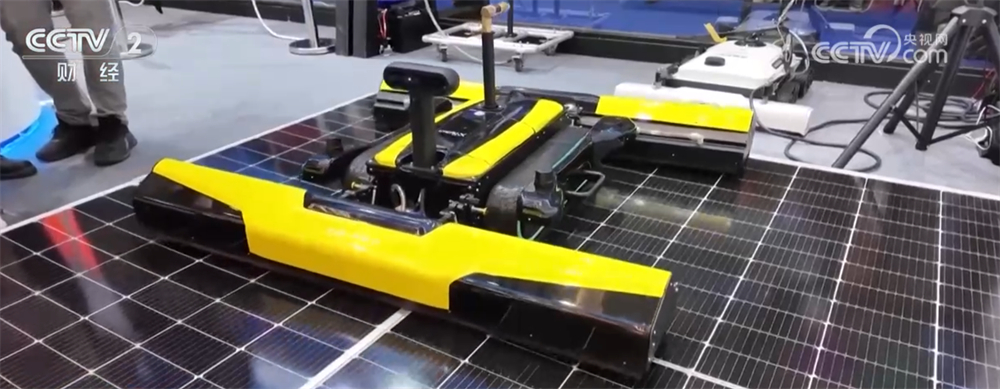
Core Insights - The 138th Canton Fair commenced on October 15, showcasing a variety of new products from both established and new exhibitors in the service robotics sector [1] Group 1: Product Innovations - Numerous exhibitors presented advanced products, including humanoid robots, robotic dogs, spherical inspection robots, exoskeleton robots, coffee art robots, lawn mowing robots, and photovoltaic cleaning robots [1] - A company that previously focused on reception robots has expanded its product line to include patrol robots and robotic dogs to meet market demand [1][4] - A new tactile dexterous hand has been developed to improve grip control, addressing limitations of previous models [6] Group 2: Market Demand and Growth - Some robotics companies are focusing on cost reduction and efficiency improvements by developing lower-cost products to capture market share [6] - Exhibitors reported a significant increase in orders, with some experiencing a three to five-fold increase compared to the first half of the year [8]
诺科达科技(00519) - 自愿性公告智能机器人业务落地更新
2025-10-08 12:01
香港交易及結算所有限公司及香港聯合交易所有限公司對本公告之內容概不負責, 對其準確性或完整性亦不發表任何聲明,並明確表示,概不對因本公告全部或任何 部分內容而產生或因倚賴該等內容而引致之任何損失承擔任何責任。 NOVAUTEK TECHNOLOGIES GROUP LIMITED 諾科達科技集團有限公司 (於百慕達註冊成立之有限公司) (股份代號:519) 自願性公告 智能機器人業務落地更新 諾科達科技集團有限公司(「本公司」,連同其附屬公司統稱「本集團」)董事會自願作 出本公告,以向本公司股東及潛在投資者提供本集團的最新業務情況。 二零二五年度,本集團智能機器人業務完成由一到十的突破,由點到面的跨越,正 式邁向由十至百的規模化增長新階段,業務創新及擴張成效全面顯現。 香港市場作為戰略基石,已實現新場景、新應用、新客戶三重突破。智慧解決方案已 成功進入皇后山邨、嘉褔邨等公共屋邨,以及多個大型屋苑、醫院、核心商場、康樂 公園等多元場景。創新應用中,搬運機器人承接垃圾分類及轉運等重體力工作,有 效降低工人受傷風險並提升作業效率,安防、清潔、禮賓等機器人的本土化設計及 應用亦獲廣泛認可。憑藉優質服務與產品實力,集團 ...
中国创投何建军:机器人未必非得像“人”,重要的是实现智能化功能
Feng Huang Wang Cai Jing· 2025-09-10 09:18
Group 1 - The event "25th Investment Fair · Phoenix Network Wutong Night Talk" focused on investment opportunities and industry trends under the theme "Waves of the Future" [1] - He Jianjun, President of China Venture Capital Asset Management Co., emphasized that robot development should be closely tied to specific scenarios rather than grand concepts [1] - The robotics industry is still in its early development stage, with some concept speculation present; practical applications should drive technological iteration [1] Group 2 - The company has established a robot operation company that leases products to clients, collaborating with property management companies for various scenarios such as fire prevention, cleaning, and patrolling [2] - Different scenarios will mature at significantly different speeds; simple scenarios like patrolling and cleaning are expected to achieve unmanned operations within three years, while complex scenarios like home elderly care may take five years or longer [2] - The industry presents high technical and application barriers, making it difficult for ordinary individuals to directly participate; general investors are advised to engage indirectly through stocks [2]
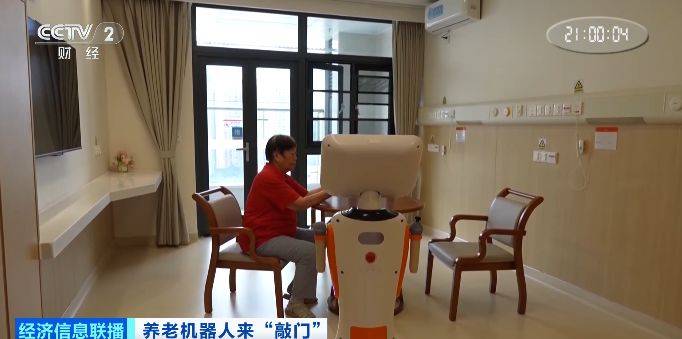
智能机器人会艾灸能跳舞,科幻片里的养老院真的来了!
Sou Hu Cai Jing· 2025-09-04 15:52
Core Viewpoint - The aging population in China is creating a significant demand for smart elderly care solutions, leading to the increased presence of multifunctional elderly care robots in nursing homes [1][9]. Group 1: Market Demand and Trends - The traditional elderly care model is facing challenges due to the increasing aging population, which is driving the need for innovative solutions [1]. - Smart elderly care robots are being introduced in various nursing homes, offering functions such as health monitoring, therapy, and companionship [1][7]. Group 2: Technological Implementation - In a nursing home in Bao'an District, Shenzhen, a health monitoring robot autonomously navigates to assist elderly residents with blood pressure measurements [3]. - Entertainment robots are also being utilized in nursing homes, engaging residents in activities like dancing to music [5]. - Various types of robots, including patrol robots and hair-washing robots, are being deployed in nursing homes, indicating a trend towards the accelerated implementation of smart technology in elderly care [7]. Group 3: Policy Support - The Chinese government has introduced several policies to promote the healthy development of the smart elderly care industry, including pilot programs for the application of service robots in homes, communities, and nursing institutions [9].