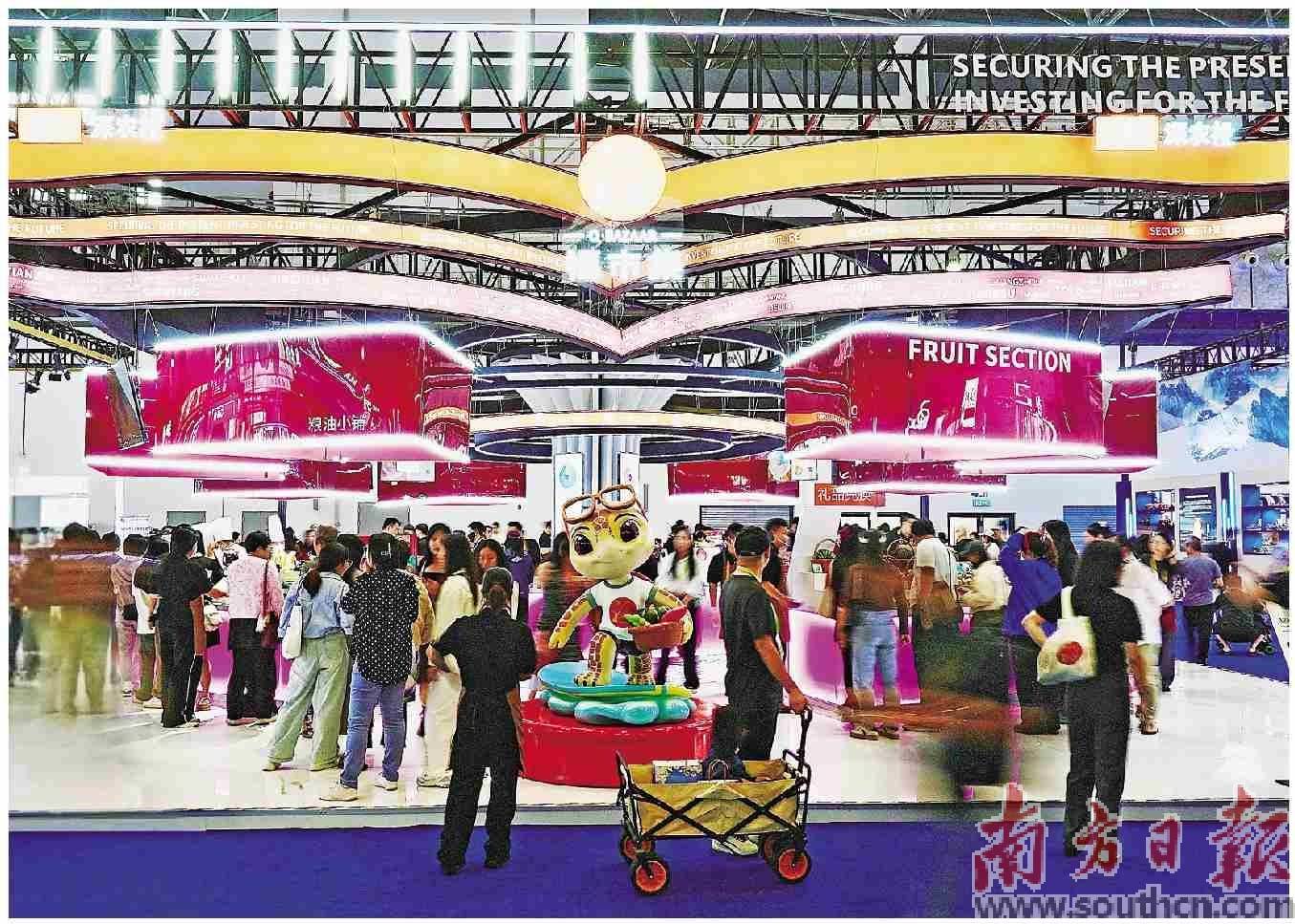
巴西牛肉

Search documents
【宏观经济】一周要闻回顾(2026年3月25日-3月31日)
乘联分会· 2026-03-31 08:21
Core Insights - China's e-commerce sector showed stable growth in January and February 2026, with digital consumption improving and industrial e-commerce driving digital transformation [3] - The "Silk Road E-commerce" initiative enhanced global brand effects and achieved a strong start for high-quality development [3] E-commerce Development - Digital consumption remained active, with national online retail sales of goods and services increasing by 9.2% year-on-year in January and February [5] - Notable growth in smart products was observed, with smart glasses and window-cleaning robots seeing increases of 183.5% and 130.8% respectively [5] - The tourism and catering sectors experienced significant online retail growth, with increases of 36.1% and 27.3% respectively [5] Industrial E-commerce - Industrial e-commerce facilitated enterprise connections and deepened digital empowerment for industrial transformation [5] - Online retail of agricultural products grew by 17.6%, while industrial e-commerce transactions for metals and industrial goods increased by 63.8% and 8.8% respectively [5] - The logistics and AI sectors benefited from industrial e-commerce, with daily express delivery volumes exceeding 590 million packages in January [5] Silk Road E-commerce - The "Silk Road E-commerce" initiative linked domestic and international markets, showcasing products from Central Asia and ASEAN countries [6] - Key e-commerce import platforms reported a 7.6% increase in global product sales, with Icelandic salmon, Thai durian, and Brazilian beef seeing growth rates of 510.9%, 443.6%, and 156% respectively [6] Power Market Transactions - In January and February 2026, the total electricity market transaction volume reached 11,925 billion kilowatt-hours, marking a year-on-year increase of 25.5% [8] - Intra-provincial transactions accounted for 9,543 billion kilowatt-hours, up 29.2%, while inter-provincial transactions reached 2,382 billion kilowatt-hours, increasing by 12.7% [8] Industrial Profit Growth - Profits of large-scale industrial enterprises totaled 10,245.6 billion yuan in January and February, reflecting a year-on-year growth of 15.2% [11] - The manufacturing sector saw profits rise by 18.9%, while the mining industry reported a profit increase of 9.9% [11] - Notable profit growth was recorded in the computer and electronic equipment manufacturing sector, which saw a 200% increase [12] Purchasing Managers' Index (PMI) - The manufacturing PMI for March 2026 was reported at 50.4%, indicating a recovery in manufacturing activity [15] - The production index rose to 51.4%, and the new orders index increased to 51.6%, suggesting improved market demand [17][18] - The non-manufacturing PMI was at 50.1%, indicating a slight improvement in the non-manufacturing sector [21]


巴西牛肉产业预期2026年仍将保持强劲的出口量
Shang Wu Bu Wang Zhan· 2026-01-28 17:11
Core Insights - Brazil's beef exports increased by 21% in 2025, reaching 3.5 million tons [1] - The Brazilian Beef Exporters Association (Abiec) forecasts that exports will remain stable in 2026, estimated between 3.3 to 3.5 million tons [1] - The growth is attributed to expanding exports to Asian markets, particularly Japan, South Korea, Turkey, and Vietnam [1] Export Market Dynamics - Brazil's government aims to enhance access to the Japanese, South Korean, and Turkish markets while increasing exports to Vietnam [1] - Despite the significant size of the Chinese market, Brazil exported to 177 countries in 2025, maintaining rapid growth in other Asian markets [1] - The trade agreement between Mercosur and the EU is expected to boost beef exports to Europe by 5% to 7%, with 128,000 tons exported to the EU in 2025 [1]
进博会农食展区见证消费升级
Zhong Guo Jing Ji Wang· 2025-11-14 09:58
Group 1 - The 8th China International Import Expo (CIIE) showcased a diverse range of global food products, enhancing the vitality of China's high-level opening-up [1][2] - The food products exhibition area was the largest in history, featuring over 2,000 participating companies [2] - Norway's fresh live crab has been approved for entry into the Chinese market, with expectations for Norwegian seafood exports to China to exceed 12.5 billion Norwegian Krone by the end of the year [2] Group 2 - Brazil has become the primary destination for its beef exports, with 47.3% of total beef exports going to China this year [2] - Colombian chocolate brand Lok has adapted its products to Chinese consumer preferences, focusing on health and new flavors [3] - Malaysia's participation in the expo has facilitated local businesses in connecting with the Chinese market, showcasing a variety of products including bottled water and traditional delicacies [4] Group 3 - The expo introduced initiatives like the "cross-border e-commerce selection platform" and "CIIE direct train" to simplify processes for small and medium enterprises entering the Chinese market [5][6] - The participation of 163 companies from 37 least developed countries increased by 23.5%, highlighting the growing interest from African and Belt and Road countries [7] - The establishment of the QianKai Port in Peru has improved shipping efficiency, reducing transport time by approximately 10 days, benefiting trade between China and Latin America [7] Group 4 - Canada's agricultural food pavilion at the expo has doubled in size, reflecting the confidence of Canadian food companies in the Chinese market [8] - Norway views China as a key trading partner for seafood, with ongoing efforts to enhance bilateral trade and meet the growing demand for high-quality seafood in China [8] - The CIIE serves as a platform for countries, especially developing nations, to access the Chinese market and share development opportunities [8]
巴西牛肉对华出口大增,弥补美国关税影响
日经中文网· 2025-11-13 08:00
Core Viewpoint - Despite the 50% tariff imposed by the U.S. on Brazilian beef, Brazil's beef exports reached a historical high in October, driven by increased exports to China and other markets [2][4]. Group 1: Export Performance - In October, Brazil's beef export volume was approximately 357,000 tons, a 19% increase year-on-year, and a 2% increase from the previous month, which was the highest since 1997 [4]. - The export value also saw significant growth, reaching around $1.9 billion, a 40% increase compared to the same month last year [4]. - China was the largest importer, accounting for 187,000 tons, followed by the U.S. at 12,900 tons and Chile at 12,700 tons [6]. Group 2: Impact of U.S. Tariffs - The U.S. tariffs led to a 54% year-on-year decrease in Brazil's beef exports to the U.S., with export value dropping by 48% [6]. - The U.S. market's share in Brazil's beef exports fell from approximately 10% to 3.7% by October 2024 [6]. - The tariffs were implemented in August under the Trump administration, raising concerns about the impact on Brazil's beef industry [6]. Group 3: Market Diversification - Brazil's beef export strategy has shifted towards diversification, with significant increases in exports to Mexico (up 3.1 times), the EU (up 2.1 times), and a 76% increase to China from January to October [6][9]. - The Lula government has successfully opened new markets for Brazilian beef, including Mexico, Vietnam, and Indonesia [9]. Group 4: Global Market Dynamics - Global beef prices are at historical highs due to climate factors reducing pasture availability and increased demand in Asia [9]. - The high tariffs on Brazilian beef have contributed to rising prices for imported goods in the U.S., affecting inflation [9]. Group 5: Future Prospects - The Brazilian Beef Exporters Association plans to establish an office in China by 2025 to strengthen its presence in Asia [10]. - Brazil's beef industry is expected to impact the Japanese market, although Japan remains cautious about low-priced beef imports [10].
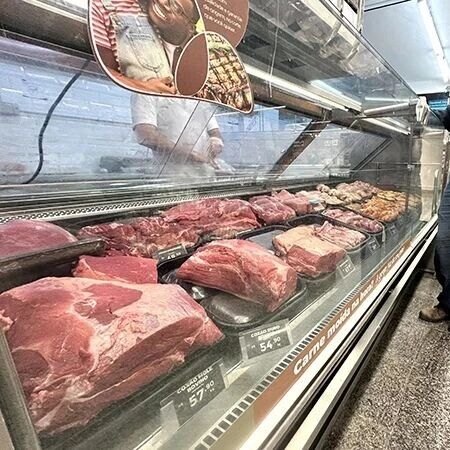
第十八届中拉企业家高峰会收获累累硕果
Zheng Zhou Ri Bao· 2025-11-05 00:53
Core Insights - The 18th China-Latin America Entrepreneurs Summit concluded in Zhengzhou, facilitating extensive cooperation between Henan, Zhengzhou, and participating countries in various sectors [1][2] - The summit emphasized practical, precise, and efficient collaboration, resulting in the signing of multiple strategic agreements and memorandums of understanding [2][3] Group 1: Cooperation Agreements - A strategic cooperation memorandum was signed between the China (Henan) Free Trade Zone Zhengzhou Area and the Chilean Iquique Free Trade Zone, focusing on sectors like new energy vehicles, cross-border e-commerce, and logistics [2] - Agreements were made between Henan Agricultural Investment Group and Uruguayan authorities to establish agricultural technology demonstration bases and conduct research on unconventional feed [2] - A tripartite strategic cooperation agreement was signed involving the Chinese Academy of Social Sciences, Zhengzhou Research Institute, and Henan Provincial Council for the Promotion of International Trade [2] Group 2: Trade Achievements - Over 20 cooperation intentions were reached during the summit, with a total trade volume of 28.26 billion yuan, including orders for Chilean cherries and Brazilian beef [3] - The summit facilitated direct negotiations between high-level executives of leading companies, enhancing the resource complementarity and win-win cooperation between China and Latin America [3] Group 3: Zhengzhou's Role - Zhengzhou serves as an international comprehensive transportation hub and a center for advanced manufacturing and trade logistics, enhancing its role in China-Latin America trade [4] - The city has established friendly relations with multiple Latin American cities and has actively promoted economic cooperation through trade delegations [4] - Zhengzhou has opened 45 international cargo routes, connecting with 48 international cities, which strengthens its trade network with Latin America [4]

最美时节见友人
Zheng Zhou Ri Bao· 2025-11-04 00:43
Core Viewpoint - Zhengzhou is enhancing its international status through the hosting of events like the China-Latin America Entrepreneurs Summit and the "Brazilian Beef Road" initiative, which signifies a deepening economic cooperation between Zhengzhou, Henan, and Latin America [1][2][4] Economic Cooperation - Zhengzhou's import and export volume with Brazil reached 7.18 billion yuan in the first three quarters of this year, marking a 110.7% year-on-year increase [2] - The total import and export volume between Henan and Latin America was 68.56 billion yuan, with a year-on-year growth of 10.5% [2] - Strategic partnerships have been established with leading Brazilian companies like JBS through a multi-modal logistics network [2] Cultural Exchange - The events in Zhengzhou not only focus on economic ties but also emphasize cultural exchange, showcasing the blend of Brazilian and Chinese cultures [3][4] - The city is leveraging its historical and cultural richness to attract international guests, enhancing its image as a welcoming and vibrant center [3] Future Outlook - Zhengzhou and Henan are positioning Latin America and the Caribbean as key areas for expanding high-level openness, aiming to build a community of shared destiny [2][4] - The successful hosting of international events is expected to foster deeper economic and cultural ties, creating more opportunities for collaboration [4]
9月巴西牛肉出口创历史新高
Shang Wu Bu Wang Zhan· 2025-10-17 17:29
Core Insights - Brazil's beef exports reached a record high in September, totaling 314,000 tons, a year-on-year increase of 25.1%, surpassing the previous record of 276,000 tons set in July [1] - Despite the 50% tariff imposed by the U.S. on Brazilian beef in August, Brazil managed to achieve this export milestone, indicating resilience in its beef export sector [1] - The Brazilian Beef Exporters Association (Abiec) noted strong global demand for protein and highlighted a restructuring in international trade due to tariff pressures and livestock supply shortages in the U.S. [1] Market Dynamics - Brazil's strategy to diversify its export markets is showing positive results, with increased beef exports to countries like Mexico and a continued expansion of exports to China [1] - In September, there was also a rebound in Brazilian beef exports to the U.S., suggesting a recovery in trade relations despite previous tariff challenges [1]
特朗普始料未及,不止输了美国大豆,还有一件事,也让他面子挂不住
Sou Hu Cai Jing· 2025-10-11 02:09
Core Viewpoint - The trade dynamics in the agricultural sector are shifting dramatically, with the U.S. facing challenges in maintaining its dominance in the soybean and beef markets due to competitive pricing and strategic moves from Brazil [1][12]. Group 1: Soybean Market Dynamics - U.S. soybeans initially regained some orders through price reductions, but Chinese buyers quickly shifted to Brazilian suppliers, indicating a significant change in purchasing behavior [3]. - Brazil's port expansions and increased crushing capacity have positioned it as a formidable supplier in the global soybean market [3]. Group 2: Beef Market Competition - Brazilian grass-fed beef is gaining market share in China, leveraging price advantages that challenge the previously premium status of U.S. beef [4]. - Latin American countries are ramping up beef production, potentially driving prices down significantly [4]. Group 3: Policy Risks - The volatility of U.S. tariff policies creates uncertainty for Chinese buyers, who now factor in "policy risk" into their pricing strategies, making U.S. agricultural products less competitive [6]. - The unpredictability of U.S. government actions is likened to a relationship where one partner is frequently absent, leading to buyer frustration [6]. Group 4: Brazilian Agricultural Strategy - Brazilian farmers have developed a competitive edge by ensuring predictability in their supply chain, contrasting with U.S. farmers who are often reactive to market signals [7]. - The focus on controllable factors from planting to shipping has made Brazil a more reliable supplier [7]. Group 5: Changing Procurement Logic - Chinese buyers have updated their procurement strategies to prioritize stability over the lowest price, effectively relegating U.S. agricultural products to a secondary option [9]. - This shift in purchasing logic reflects a broader trend towards risk management in supply chain decisions [9]. Group 6: U.S. Government Subsidy Challenges - U.S. government attempts to use subsidies to regain market share are seen as ineffective, as modern agricultural competition relies more on reliability than on financial incentives [10]. - The ability to secure long-term contracts is becoming a more critical factor than the amount of subsidies received [10].
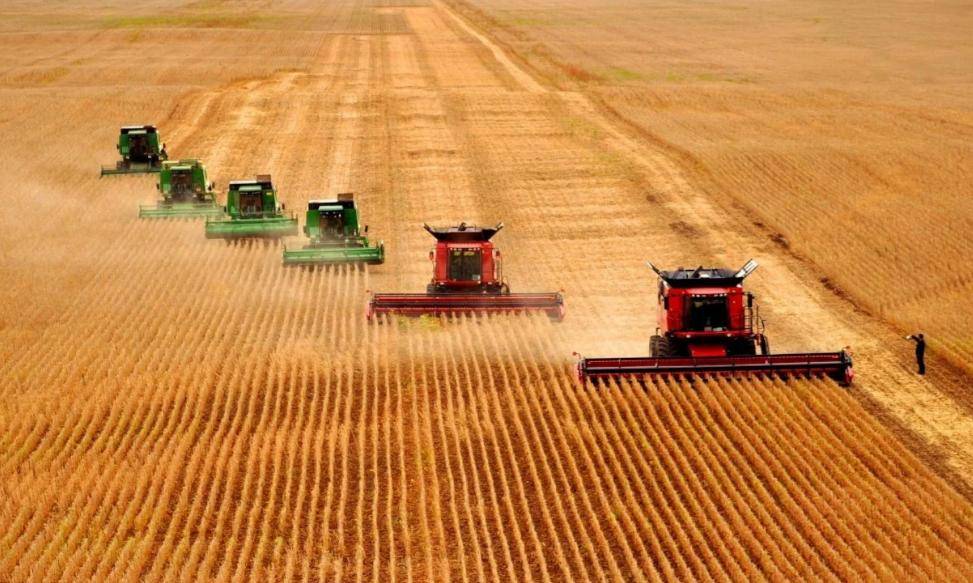
【环球财经】巴西牛肉7月出口量价均创新高
Xin Hua Cai Jing· 2025-08-14 05:33
Group 1 - In July, Brazil's beef industry achieved record highs in both export value and volume, with export revenue reaching $1.726 billion, a year-on-year increase of 48.4%, and export volume at 366,920 tons, up 27.4% year-on-year, marking the highest monthly figures in history [1] - For the first seven months of the year, Brazil's total beef export revenue was $9.17 billion, a 31.3% increase year-on-year, with total export volume at 2.0553 million tons, up 19% year-on-year [1] - China remains the largest buyer of Brazilian beef, importing 790,300 tons, a 14.6% increase year-on-year, with a total import value of $4.082 billion, accounting for 44.5% of Brazil's total beef export revenue [1] Group 2 - The United States is the second-largest buyer of Brazilian beef, with an import value of $1.468 billion and a volume of 484,000 tons; however, exports to the U.S. have been declining since April [1] - A new 40% tariff imposed by the U.S. on Brazilian beef has resulted in a total tariff of 76.4% for sales outside of quotas, leading some companies to suspend production aimed at the U.S. market since the announcement on July 9 [2]
全力书写中国农企全球化链接新方案
Sou Hu Cai Jing· 2025-04-21 07:09
Core Insights - The new brand "Fushijiji" from Shenzhen Agricultural and Food Investment Holdings (Shenzhen Nongtou) became a highlight at the 5th China International Consumer Products Expo, attracting over 20,000 visitors daily and achieving an intended transaction amount exceeding 10 million yuan [2][3]. Group 1: Brand and Market Positioning - "Fushijiji" integrates resources from four major business sectors of Shenzhen Nongtou and aims to create a national and global platform for high-quality agricultural products and services [3][4]. - The brand's slogan "Fushijiji·Get Beauty" emphasizes both the acquisition of quality products and the necessity of meeting high standards to enter the platform [4]. Group 2: Quality Assurance and Consumer Trust - Shenzhen Nongtou employs a unique "three-wheel standard system" for quality control, which includes food safety, nutritional quality, and taste evaluation, ensuring a comprehensive quality assurance process [4][5]. - A report indicates that quality (75.0%) and price (72.3%) are the top factors influencing consumer choices, highlighting a shift from price wars to value-driven consumption [4]. Group 3: Supply Chain and Operational Efficiency - The brand's success reflects a transformation in the agricultural industry from scale expansion to value enhancement, supported by a robust supply chain that includes 400,000 acres of demonstration farms and a network of over 60,000 partner merchants globally [6][7]. - Shenzhen Nongtou's integration of production, processing, and distribution allows for a one-stop service capability, enhancing its appeal to buyers at the expo [7][8]. Group 4: Global Reach and Strategic Positioning - The brand serves as a "super connector" in the global agricultural food industry, facilitating trade and distribution of both domestic and international products [8][10]. - Shenzhen Nongtou is developing a comprehensive logistics network to support its dual circulation strategy, enabling efficient distribution of global products within China and vice versa [10].