手电筒

Search documents
这个春运,他们要为400多辆火车“体检”
Zhong Guo Qing Nian Bao· 2026-02-15 02:12
Core Insights - The article highlights the critical role of train maintenance in ensuring safety and punctuality during the Spring Festival travel rush in China, focusing on the work of Gu Haitao, a skilled technician at the Qiqihar North Vehicle Depot [2][10] Group 1: Role and Responsibilities - Gu Haitao leads a team of 45, including 12 recent university graduates, responsible for inspecting and maintaining 430 passenger trains during the Spring Festival [2] - The maintenance process involves using tools like a long-handled inspection hammer to detect issues through sound, showcasing the importance of auditory skills in identifying potential hazards [3][4] Group 2: Training and Mentorship - Gu Haitao emphasizes hands-on training for new employees, allowing them to observe and participate in critical maintenance tasks to build their skills and knowledge [5][6] - He employs a systematic approach to task management, using color-coded electronic spreadsheets to prioritize maintenance tasks, ensuring that the entire team is aware of critical issues [3][5] Group 3: Challenges in Maintenance - The maintenance work is physically demanding, requiring technicians to work in confined spaces and under challenging conditions, which tests their endurance and attention to detail [4][5] - Technicians must be vigilant in identifying subtle signs of wear and tear, such as rust or loose bolts, which can lead to significant safety risks if overlooked [4][5] Group 4: Evolution of the Industry - The article reflects on the advancements in China's railway system, noting the shift towards domestic production of key components, which has improved operational efficiency and reduced reliance on foreign suppliers [10] - Gu Haitao's experience over decades illustrates the transformation of the railway industry, highlighting the progress made in technology and maintenance practices [10]


王敏:冲突的根源与发展的出路——走近埃塞俄比亚
Xin Lang Cai Jing· 2026-01-26 11:45
Core Insights - The research focuses on Ethiopia as a significant case study for understanding the challenges and opportunities faced by countries in the Global South, particularly in the context of industrialization and economic growth [3][5][6]. Group 1: Research Background - Chinese enterprises have experienced a historic wave of "going global" over the past 20 years, facing numerous challenges that require in-depth research on key countries to mitigate risks [3]. - Ethiopia, as a pivotal country in East Africa, has a population of approximately 130 million and plays a leading role in regional economics and military affairs, despite having a low per capita GDP of $1,000 [3][4]. Group 2: Economic Growth and Challenges - From 2004 to 2018, Ethiopia had the highest economic growth rate globally, often compared to China's growth during the same period [5]. - The country has adopted an East Asian development model, particularly emulating China's approach to industrialization through initiatives like industrial parks [5][6]. - However, since 2018, Ethiopia's development has faced significant setbacks due to political turmoil, war, and the pandemic, leading to a per capita GDP that remains below $1,000 [5][6]. Group 3: Industrialization Challenges - Four main challenges to industrialization in Ethiopia have been identified: capital shortages and infrastructure financing constraints, insufficient human capital, macroeconomic fragility, and weak governance [6][7]. - Despite low labor costs, productivity remains low, and the country struggles with a lack of skilled labor, which complicates the industrialization process [6][7]. - The macroeconomic instability, characterized by significant currency depreciation, further complicates foreign investment and economic growth [6][7]. Group 4: Research Methodology and Findings - The research involved extensive field studies, including a 2023 survey that engaged various stakeholders, including government officials, international organizations, and local businesses [10][11]. - The book is structured into nine chapters, covering topics such as Ethiopia's historical context, economic development, industrialization challenges, and the impact of external factors like foreign exchange controls [11][12]. Group 5: Key Themes in the Book - The first chapter discusses Ethiopia's historical evolution and contemporary challenges, emphasizing the complexity of its ethnic composition and the implications for national unity [12][13]. - The second chapter explores the relationship between Ethiopia's ethnic federalism and its economic development, highlighting the tension between local autonomy and central planning [15]. - The fourth chapter outlines the industrialization process and the various obstacles faced, including debt-related currency depreciation and infrastructure deficits [17]. - The eighth chapter details the international domestic service industry, which has become a significant source of foreign exchange for Ethiopia, emphasizing the economic impact of remittances [23]. - The ninth chapter analyzes Ethiopia's reliance on Djibouti as its sole port and the strategic need for diversifying its access to maritime trade routes [24].

来这里“碰一下” 听听老物件的故事
Hang Zhou Ri Bao· 2025-12-22 02:24
Group 1 - The core idea of the event is to preserve memories through family heirlooms, showcasing items that represent personal and collective histories [1] - The exhibition features various nostalgic items, such as 1960s grain tickets, 1970s wedding luggage, and vintage household appliances, highlighting the significance of these objects in family narratives [1] - The event is organized by the Shenggen Life Care Development Center in Hangzhou, aiming to create a space for remembering and sharing stories associated with these old items [1] Group 2 - The exhibition also serves as a reflection of societal changes over the past 40 years, with items like old razors and portable cassette players representing the evolution of technology and daily life [2] - According to the Director of the Social Affairs Department of Hangzhou Civil Affairs Bureau, these heirlooms act as anchors of family memory and transmit spiritual values, providing a stable foundation in the fast-paced modern life [2] - The micro-exhibition is set to continue until mid-January next year, with plans to extend similar activities to nursing homes and communities to foster a shared spiritual home among residents [2]
中国对古巴紧急人道主义援助首批物资运抵
Shang Wu Bu Wang Zhan· 2025-11-26 16:26
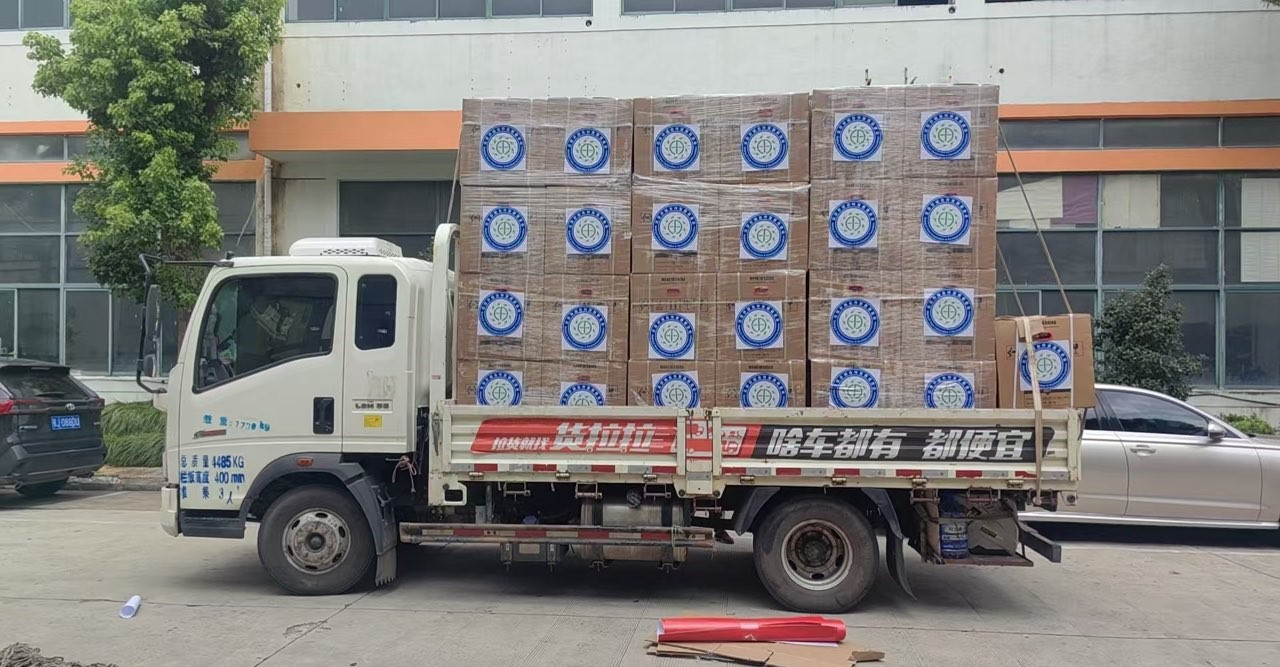
Core Points - China has delivered the first batch of emergency humanitarian aid to Cuba, consisting of 30 tons of food, to assist residents affected by Hurricane "Melissa" [1] - The aid is a demonstration of the strong friendship and solidarity between China and Cuba, with commitments to further support through air and sea transport of additional supplies [1] Group 1: Humanitarian Aid - The first batch of aid includes 30 tons of food aimed at helping residents in eastern provinces of Cuba impacted by Hurricane "Melissa" [1] - China plans to conduct six air shipments of food and three sea shipments of various supplies, including mattresses, flashlights, roofing materials, and photovoltaic equipment [1] Group 2: Diplomatic Relations - The event was attended by officials from both countries, highlighting the solid bilateral relationship and mutual support [1] - Chinese Ambassador to Cuba expressed empathy for the hardships faced by the Cuban people due to the hurricane, reinforcing the commitment to building a shared future between the two nations [1]
光暖径南:“浪花曙光计划”落地兴宁径南镇,为长者居家安全添“防护盾”
Nan Fang Nong Cun Bao· 2025-11-07 08:37
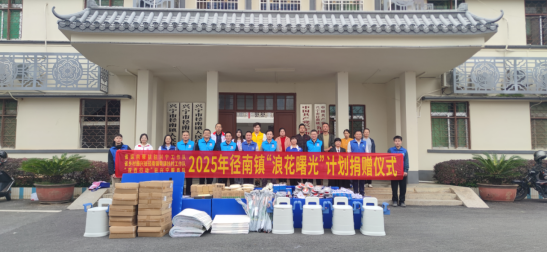
Core Points - The "Waves of Dawn Plan" public welfare project has been officially launched in Jingnan Town, Xingning City, focusing on home safety for elderly individuals at high risk of falls [1] - The project involves home lighting modifications to enhance safety for elderly residents [1][6] Group 1 - The project is organized by multiple teams including the provincial assistance team, the "Double Hundred Action" service team, and the Guangzhou Waves Smart Elderly Service Center [1][3] - A donation ceremony took place where essential elderly care items such as movable toilets, walking sticks, and LED lights were provided to meet the needs of rural elderly households [3][5] - The first phase of the project has successfully completed home modifications for 15 elderly households, optimizing over 100 lighting points to address safety concerns [6] Group 2 - A long-term service mechanism named "Renovation-Return Visit-Optimization" has been established to ensure ongoing support for the elderly [8] - Volunteers will conduct regular home visits to check on the use of lighting equipment and assess the elderly's adaptation and new needs, allowing for dynamic optimization of the renovation plans [8]
掌握防汛避险知识,提前做好科学防范
Shan Xi Ri Bao· 2025-10-02 00:00
Group 1 - The article emphasizes the importance of disaster preparedness and response in the face of heavy rainfall and potential flooding in Shaanxi Province [1][2] - It highlights specific safety measures for travel during heavy rain, including avoiding flooded areas and ensuring vehicle safety [1] - The article outlines the risks of geological disasters in certain regions, advising on actions to take during landslides and mudflows [1] Group 2 - The article discusses the diverse terrain of Shaanxi and the associated flood risks, recommending timely evacuation and the use of floating objects for escape [2] - It provides guidelines for home protection against flooding, including sealing windows and doors and preparing emergency supplies [2] - A representative from the provincial emergency management department stresses the need for public awareness and education on flood prevention and self-rescue skills [2]
曾经“土掉渣”的手电筒,在海外杀疯了
Feng Huang Wang Cai Jing· 2025-09-19 13:48
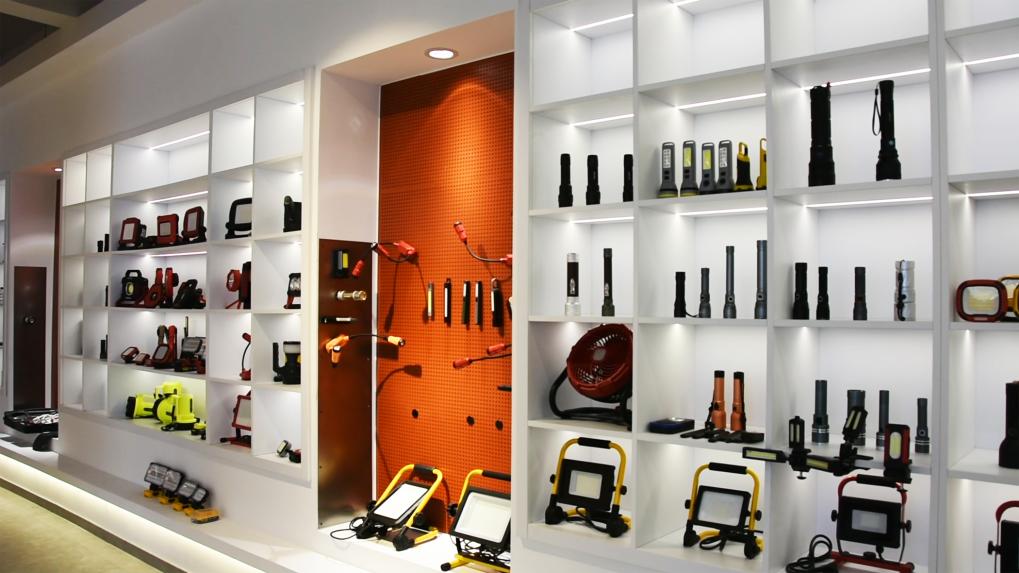
Core Insights - The traditional flashlight has seen a decline in demand in China due to the rise of smartphones and improved urban lighting, leading to its status as a non-essential item [3][4] - Conversely, in North America and Europe, high-end flashlights are experiencing a resurgence, with significant sales driven by outdoor and tactical markets [4][7] Market Overview - The global flashlight market is projected to reach $7.52 billion by 2025 and $10.29 billion by 2030, with a compound annual growth rate (CAGR) of 6.48% [9] - North America is the largest market segment, driven by the demand for high-end, professional-grade flashlights [9] Company Performance - Chinese companies Olight and Nitecore are leading the high-end flashlight market, with Olight achieving over 1.2 billion yuan in sales in 2023, 99% of which came from overseas [11] - Nitecore reported annual revenue of $20 million from its independent sales channels, with products sold in over 100 countries [11] Product Innovation - Olight's Prowess flashlight features 5000 lumens, USB-C charging, and multiple lighting modes, catering to various user needs from outdoor adventures to emergency situations [12] - Nitecore employs targeted marketing strategies, collaborating with outdoor athletes and influencers to promote their products within niche communities [12][14] Consumer Trends - The demand for flashlights has shifted from basic illumination tools to multifunctional lighting solutions that cater to specific lifestyles and activities [14][15] - Companies are innovating by creating lightweight, portable products for everyday users and high-performance models for outdoor enthusiasts and tactical applications [14]

曾经“土掉渣”的手电筒,在海外杀疯了
凤凰网财经· 2025-09-19 12:35
Core Viewpoint - The article discusses the resurgence of high-end flashlights in overseas markets, particularly in North America and Europe, where they are now considered essential tools for outdoor activities and emergency situations, contrasting with their declining popularity in China [5][25]. Group 1: Market Dynamics - The global flashlight market is projected to reach a value of $7.52 billion by 2025 and $10.29 billion by 2030, with a compound annual growth rate (CAGR) of 6.48%, driven primarily by high-end, professional-grade products [16]. - In the U.S. market, high-end flashlights are selling at prices significantly higher than basic models, with examples including a flashlight priced at $79.96 selling over 100 units in a month [18][20]. Group 2: Company Performance - Olight, a company based in Shenzhen, reported sales exceeding 1.2 billion yuan in 2023, with 99% of its revenue coming from overseas markets, approximately 1.195 billion yuan [23]. - Nitecore, another company from the Greater Bay Area, achieved annual revenue of $20 million from its independent sales channels, distributing products to over 100 countries [23]. Group 3: Product Innovation - Modern flashlights are equipped with advanced features such as high-lumen LEDs, waterproof designs, and smart dimming capabilities, transforming them into "professional portable lighting systems" rather than mere emergency tools [15][26]. - Olight's Prowess flashlight, for instance, boasts a brightness of 5000 lumens and supports multiple charging methods, catering to various user needs from outdoor adventures to professional security [26]. Group 4: Marketing Strategies - Chinese companies are focusing on targeted marketing strategies, engaging with key opinion consumers (KoC) in the outdoor community rather than relying on celebrity endorsements [27][28]. - By understanding consumer needs, these companies have developed lightweight, portable products for everyday users and high-performance models for outdoor enthusiasts and tactical markets [32].

中国经济样本观察·“镇”了不起|一支手电筒,“照”出80多亿元移动“亮”产业
Xin Hua Wang· 2025-09-02 03:32
Core Viewpoint - The flashlight industry in Xidian Town, Ningbo, has evolved from a simple household necessity to a significant player in the global mobile lighting market, with over 800 companies and an annual output value of 8 billion yuan [1][3][8]. Industry Development - The demand for flashlights surged with the electrification of rural areas, leading local enterprises to transition from hardware and plastic mold production to flashlight manufacturing [3][5]. - The production of flashlights in Xidian Town shifted from manual to electric processes, enhancing efficiency and fostering a vibrant industrial atmosphere [3][5]. - The local industry faced challenges such as high labor costs, lack of standardized operations, and intense competition, prompting a need for innovation and market expansion [3][5]. International Market Expansion - A pivotal moment for the industry occurred in 2000 when 50 local companies collectively participated in the Canton Fair, significantly boosting their international presence and resulting in an export value of 45 million USD that year [5][7]. - The success at the Canton Fair established "China Xidian" as a recognized brand in the flashlight sector, facilitating further international orders and market penetration [5][7]. Product Innovation and Market Adaptation - Modern flashlights from Xidian Town are designed to meet diverse consumer needs, including emergency use, outdoor activities, and specialized applications, showcasing a shift towards innovation [7][8]. - Companies are developing products tailored to specific environments, such as solar-powered flashlights for regions with unreliable electricity, demonstrating adaptability to market demands [7][8]. Intellectual Property and R&D - As of May this year, Xidian Town has registered 8,575 effective patents, including 302 invention patents, indicating a strong focus on research and development within the industry [8].
凝聚力量 同心抗灾紧急向灾区捐赠急需物资
Bei Jing Wan Bao· 2025-08-01 14:18
Core Viewpoint - The article highlights the rapid response and collaboration between Beijing Yicheng Foundation and Kanglong Chemical to provide essential supplies to areas affected by severe rainstorms in Beijing and Hebei, showcasing the effectiveness of public-private partnerships in disaster relief efforts [2][4]. Group 1: Emergency Response - The first batch of relief supplies, funded by donations, was delivered to the emergency areas in Miyun and Huairou districts within 48 hours, demonstrating a highly efficient "donation-procurement-shipment" model [2]. - The supplies included essential items such as toilet paper, rain boots, flashlights, drinking water, and portable gasoline generators, which were identified through a digital procurement platform [2][4]. Group 2: Organizational Collaboration - The rapid delivery of supplies filled local emergency needs and encouraged more companies in the Beijing Economic-Technological Development Area to participate in the relief efforts [4]. - The Yicheng Foundation has established a special donation channel to continuously gather support from businesses and the community for ongoing assistance to the disaster-stricken areas [4]. Group 3: Transparency and Accountability - The Yicheng Foundation utilized digital tools to ensure transparent management of the donation process, allowing for traceability and supervision of fund usage, which sets a standard for efficient disaster relief [4]. - The foundation has implemented over 200 projects in emergency relief and technology education, emphasizing its commitment to building a collaborative platform among enterprises, society, and government [4].