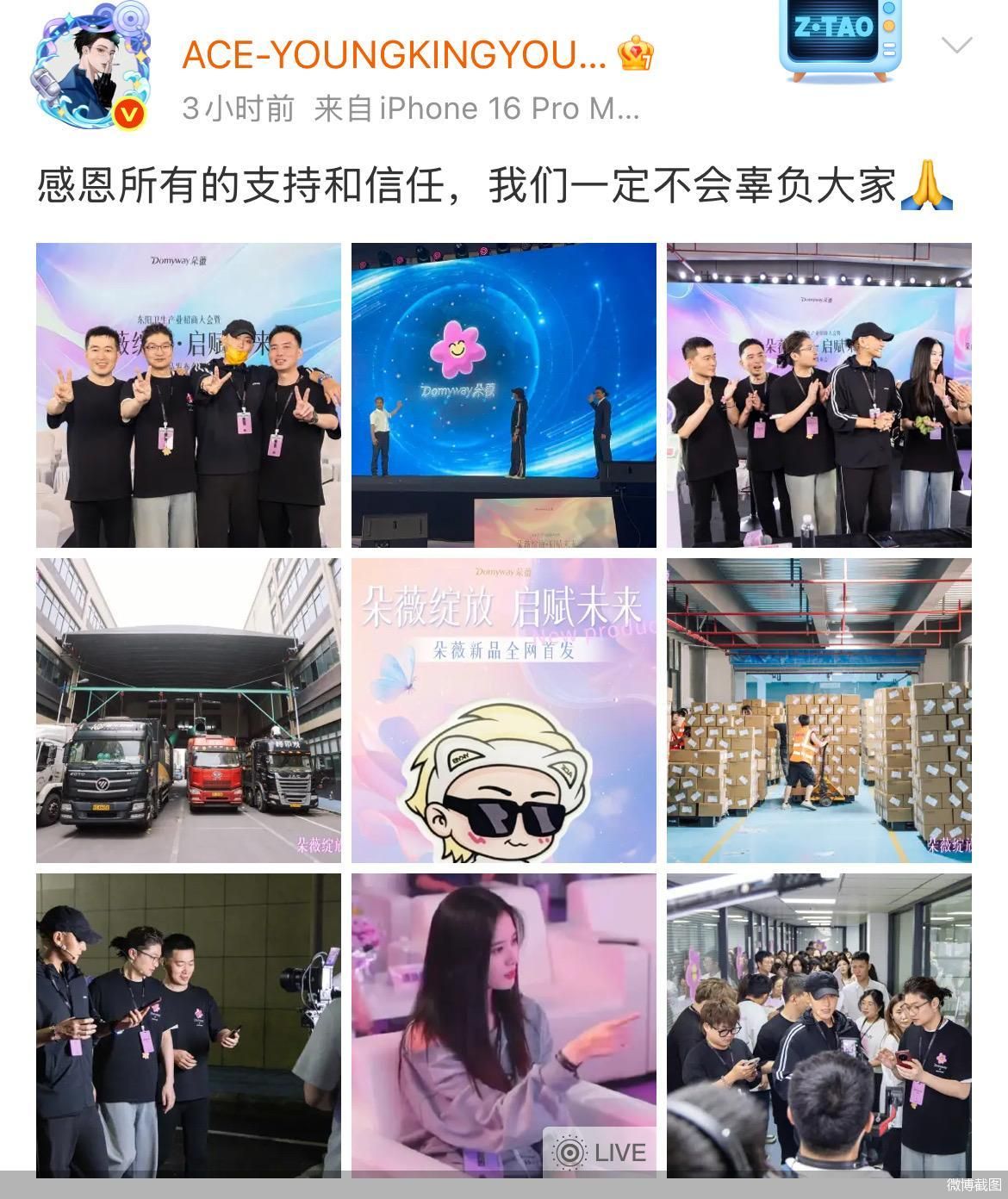
护舒宝卫生巾

Search documents
凤凰网财经《知行》深度对话宝洁:在进博会,看见消费创新的未来
Feng Huang Wang Cai Jing· 2025-11-19 12:49
Core Viewpoint - Procter & Gamble (P&G) emphasizes innovation as a core driver for its sustained leadership in the Chinese market, focusing on consumer insights and long-term value creation rather than short-term gains [1][17]. Group 1: Innovation Strategy - P&G has participated in the China International Import Expo for the seventh consecutive year, highlighting its commitment to the Chinese market [2]. - The company identifies three key elements of innovation: product innovation for better experiences, AI for efficient and agile innovation, and continuous innovation contributing to sustainable development [3][4]. - P&G's approach to innovation is centered around understanding Chinese consumers, maintaining a "Day 1 mindset" to combat complacency from past successes [4][5]. Group 2: Market Insights - The Chinese cosmetics market is identified as an incremental growth market, with the total transaction value surpassing 1 trillion yuan in 2023, projected to reach 1.0738 trillion yuan in 2024 [6][7]. - P&G believes that industry collaboration is essential for driving growth, moving from "wild growth" to a "high-level competition and cooperation" market [7]. Group 3: Technology Integration - P&G has integrated AI across its entire value chain, aiming to enhance consumer experiences while ensuring that AI serves as a tool for better living rather than an end goal [9][10]. - The company has established a comprehensive data feedback system to gather real-time consumer insights, which has significantly influenced its operational strategy and culture [8]. Group 4: Product Philosophy - P&G's innovation focuses on user experience rather than mere technological showcase, exemplified by products that address specific consumer needs, such as improved absorption in hair care products [10][11]. - The company recognizes the importance of catering to diverse consumer needs, adapting products to regional differences, such as climate variations affecting skincare [11]. Group 5: Sustainability Commitment - P&G aims for net-zero emissions by 2040, viewing green investment as a commitment to the future rather than a cost [13]. - The company has implemented various initiatives to promote sustainability, including a project that has recycled over 30,000 tons of plastic in collaboration with industry partners [13]. Group 6: Globalization and Localization - P&G's "Glocal" strategy focuses on making China an innovation hub, leveraging local consumer insights to drive global product development [14][15]. - The company is helping Chinese supply chain enterprises enter international markets, emphasizing the importance of localizing products to meet specific consumer needs [15]. Group 7: Future Industry Outlook - The future of the Chinese daily chemical industry is expected to shift from zero-sum competition to high-level cooperation, leading to long-term prosperity [16]. - The industry is anticipated to offer higher quality, more segmented, and safer beauty and health products, with an emphasis on collaborative development across various sectors [16].

凤凰网财经《知行》深度对话宝洁:在进博会,看见消费创新的未来
凤凰网财经· 2025-11-19 12:45
Core Viewpoint - Procter & Gamble (P&G) emphasizes continuous innovation and consumer-centric strategies to maintain its leadership in the Chinese market, which is now its second-largest globally, amidst evolving consumer demands and market dynamics [1][17]. Group 1: Innovation as a Core Strategy - P&G's innovation is rooted in three key elements: product innovation for better experiences, AI for efficient and agile innovation, and sustainable practices contributing to green development, all centered around Chinese consumers [3][4]. - The company adopts a "Day 1 mindset" to combat the burden of success, focusing on understanding and meeting the evolving needs of Chinese consumers [4][5]. - P&G's long-term strategy involves planning over 5-10 years, prioritizing brand and category growth rather than short-term sales metrics, and enhancing consumer engagement through increased research and communication [6][7]. Group 2: Market Insights - The Chinese cosmetics market is identified as a growth market, with a total transaction value surpassing 1 trillion yuan in 2023, projected to reach 1.07 trillion yuan in 2024, indicating a broadening consumer base [7][8]. - The industry is transitioning from "wild growth" to "high-level competition," necessitating collective efforts in innovation, regulatory support, and consumer education to drive market expansion [8][9]. Group 3: Technology Empowerment - P&G has integrated AI across its entire value chain, aiming to enhance consumer experiences while ensuring that AI serves as a tool for better living rather than an end in itself [9][10]. - The company has established a robust online presence, leveraging e-commerce as a platform for consumer interaction and feedback, which has significantly influenced its operational strategies [8][9]. Group 4: Product Philosophy - P&G's innovation focuses on user experience rather than mere technological showcase, exemplified by products that address specific consumer needs, such as improved absorption in hair care products [10][11]. - The company recognizes the importance of catering to diverse consumer segments, adapting products to meet regional differences in consumer preferences [11][12]. Group 5: Sustainability Initiatives - P&G is committed to achieving net-zero emissions by 2040, with a focus on climate, water resources, waste, and nature, integrating sustainability into every aspect of its operations [12][13]. - The company has implemented significant recycling initiatives, such as recovering over 30,000 tons of plastic through collaborative efforts within the industry [12][13]. Group 6: Globalization and Localization - P&G's "Glocal" strategy aims to transform China from a market to an innovation hub, emphasizing local consumer needs while leveraging global resources and technology [13][14]. - The company supports Chinese supply chain enterprises in entering international markets, highlighting the importance of localized service to meet specific consumer demands [14][15]. Group 7: Future of the Industry - The future of the Chinese daily chemical industry is expected to shift towards high-quality competition, with an emphasis on collaboration and innovation to meet diverse consumer needs [16][17]. - The industry is anticipated to see increased product quality and safety, driven by regulatory support and a focus on consumer-centric development [16][17].

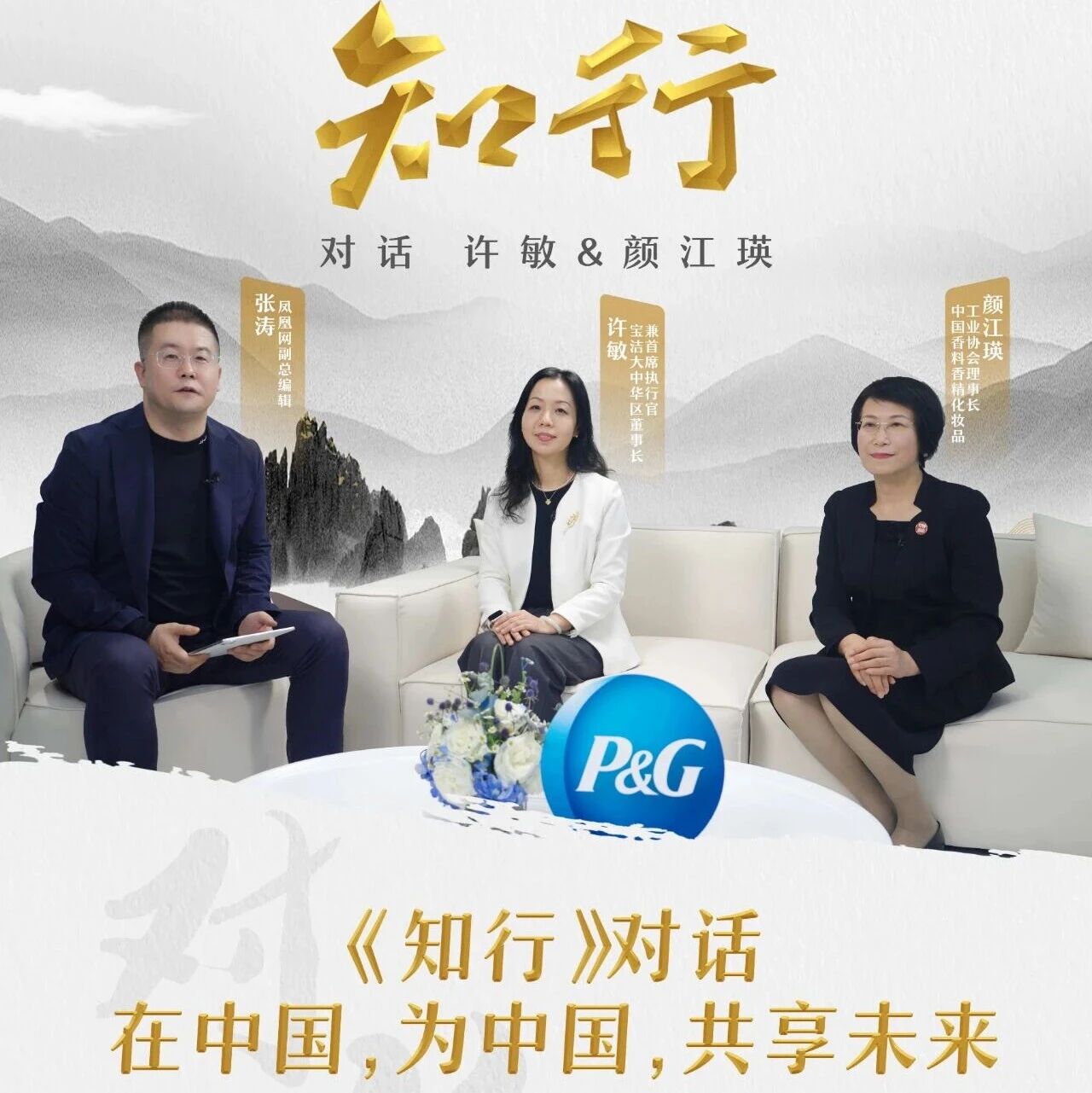
凤凰网财经《知行》深度对话宝洁:创新点亮美好生活,解码全球化新范式
Feng Huang Wang Cai Jing· 2025-11-19 04:14
Core Insights - The core theme of the discussion revolves around Procter & Gamble's (P&G) continuous innovation and adaptation in the Chinese market, emphasizing the importance of consumer-centric strategies and long-term growth over short-term gains [1][17]. Group 1: Innovation Focus - P&G has participated in the China International Import Expo for the seventh consecutive year, highlighting its commitment to innovation as a core aspect of its business DNA [2][3]. - The company emphasizes three key elements of innovation: product innovation for better consumer experiences, the use of AI for efficient and agile innovation, and continuous innovation contributing to sustainable development [3][4]. - P&G's approach to innovation is driven by a "Day 1 mindset," focusing on understanding and meeting the needs of Chinese consumers rather than resting on past successes [4][5]. Group 2: Market Dynamics - The Chinese cosmetics market is identified as a growth market, with the total transaction value surpassing 1 trillion yuan in 2023, projected to reach 1.07 trillion yuan in 2024 [6][7]. - The market is characterized by an expanding consumer base, including the elderly and health-conscious individuals, indicating a shift towards a more inclusive consumer landscape [7]. - P&G's strategy involves not just competing for market share but also collaborating with the industry to expand the overall market size [7][8]. Group 3: Technology Empowerment - P&G has integrated AI across its entire value chain, aiming to enhance consumer experiences and operational efficiency [9][10]. - The company views AI as a tool to improve life quality rather than an end goal, emphasizing the importance of foundational scientific data for effective AI application [9][10]. Group 4: Product Philosophy - P&G's innovation is centered on user experience rather than mere technological showcase, with products designed to address specific consumer needs [10][11]. - The company recognizes the importance of catering to diverse consumer preferences, as evidenced by tailored products for different demographics and regional needs [11]. Group 5: Sustainability Commitment - P&G aims for net-zero emissions by 2040, viewing green investments as a commitment to the future rather than a cost [12][13]. - The company has implemented various initiatives to promote sustainability, including significant plastic recycling efforts and collaboration with industry partners [13]. Group 6: Globalization Strategy - P&G's "Glocal" strategy focuses on leveraging local consumer insights to drive global innovation, positioning China as a key innovation hub [14][15]. - The company aims to balance global and local needs by ensuring high-quality products that meet local consumer standards [15]. Group 7: Industry Future - The future of the Chinese daily chemical industry is expected to shift towards high-quality competition and collaboration, moving away from zero-sum games [16]. - The industry is anticipated to see increased product quality and safety, with a focus on meeting diverse consumer demands [16].
安徽省亳州市市场监管局公示2025年“春节”及冬春季节重点工业产品质量市级专项监督抽查结果
Zhong Guo Zhi Liang Xin Wen Wang· 2025-07-02 05:43
Group 1 - The Anhui Bozhou Market Supervision Administration announced the results of the 2025 Spring Festival and winter-spring season key industrial product quality supervision and inspection [1] - The inspection results include various products, highlighting issues related to electrical safety and compliance with standards [1][2] - Specific products listed include heating appliances and electrical devices, with several identified as non-compliant [1][3] Group 2 - The inspection revealed that certain heating appliances failed to meet safety standards, raising concerns about consumer safety [2][4] - Companies involved in the inspection include well-known brands, indicating a widespread issue across the industry [2][5] - The results may impact consumer trust and purchasing decisions in the heating appliance market [3][6]
黄子韬卖卫生巾,一晚4000万,但真相很残酷
3 6 Ke· 2025-05-19 23:26
Core Insights - Huang Zitao's sanitary napkin brand "Duo Wei" launched on May 18, achieving over 400 million yuan in GMV within a short time, indicating strong market demand and consumer interest [1][2] - The sanitary napkin market in China is highly competitive and fragmented, with major brands holding less than 30% market share collectively, suggesting opportunities for new entrants despite challenges [2][4] - The industry faces significant barriers to entry, including high marketing costs and reliance on established supply chains, making it difficult for startups to survive [4][5] Company Overview - "Duo Wei" is co-founded by Huang Zitao, Xie Ruidong, and Wu Yue, with production facilities located at Qianzhiyah, which has invested 275 million yuan in automated production lines [2] - Xie Ruidong is the CEO of Yaowang Technology, a leading player in live-streaming e-commerce, while Wu Yue has over 20 years of experience in the maternal and infant industry [2] Market Dynamics - The sanitary napkin market in China has reached a saturation point with a penetration rate of 100%, making it challenging for new players to gain traction [4][5] - The overall market size is estimated at 96.3 billion yuan in 2023, which may not be attractive enough for significant capital investment [5] Consumer Behavior - Consumers prioritize safety and hygiene when choosing sanitary products, often opting for established brands, which limits the potential for new entrants to differentiate their products [5] - There is a segment of consumers who are price-sensitive, indicating a potential market for lower-cost alternatives if effective distribution channels can be established [6]
黄子韬赌上全部身家卖卫生巾,能否撕开行业暴利黑幕?
凤凰网财经· 2025-05-19 14:12
Core Viewpoint - Huang Zitao's entry into the female hygiene market represents a significant shift, as he bets his reputation and future on the success of the brand, aiming to be recognized as an entrepreneur rather than a celebrity [1][2] Group 1: Brand and Market Performance - The launch of the Duoweiwei sanitary napkin series was met with overwhelming demand, selling 195,000 units within 15 minutes and reaching 1.258 million units on Douyin [1] - Huang Zitao has invested 275 million yuan in the brand, which currently operates three production lines [8] - The sanitary napkin market in China has surpassed 120 billion yuan in 2023, with projections to reach 178.5 billion yuan by 2030, indicating a compound annual growth rate of approximately 4% [16] Group 2: Company Structure and Ownership - Duoweiwei is not a new brand; it operates under Zhejiang Duowei Care Products Co., Ltd., which was established in June 2021 and previously focused on OEM production [3] - Huang Zitao is not the major shareholder; the company is primarily owned by Hangzhou Hengyan Technology Co., Ltd. and Hangzhou Longzelin Network Technology Co., Ltd. [3][6] Group 3: Industry Challenges and Trust Issues - The sanitary napkin industry has faced a long-standing trust crisis due to issues like "black heart cotton" and contamination, leading to consumer skepticism [11] - Huang Zitao aims to address these concerns by promoting transparency in production and ensuring that products meet medical-grade standards [9][12] - The industry is characterized by high profit margins, with major companies reporting gross margins exceeding 50%, highlighting the lucrative nature of the market despite trust issues [15] Group 4: Competitive Landscape - The market is dominated by foreign brands like Procter & Gamble and local brands like Seven Degrees Space, with the top five brands holding over 50% market share [16][17] - The competition has led to a phenomenon of "involution," where brands engage in aggressive marketing and pricing strategies to capture limited consumer attention [18] Group 5: Social Impact and Future Outlook - Huang Zitao's entry is seen as a catalyst for change in the industry, potentially prompting a reevaluation of quality and safety standards in the female hygiene market [19] - The market's growth and the increasing focus on women's health underscore the importance of addressing quality concerns to rebuild consumer trust [19]
黄子韬赌上全部身家卖卫生巾,能否撕开行业暴利黑幕?
Feng Huang Wang Cai Jing· 2025-05-19 13:45
Core Viewpoint - The entry of celebrity Huang Zitao into the feminine hygiene market is seen as a significant move, aiming to capture a share of the 4 billion people market, with a strong commitment to transparency and quality [1][17]. Company Summary - Huang Zitao's brand, Duoweiwei, launched its sanitary napkin series at a starting price of 49.8 yuan, selling 195,000 orders within 15 minutes of its release [1]. - The brand's total investment has reached 275 million yuan, and it currently operates three production lines [8]. - Huang Zitao is not the major shareholder of Duowei, which is primarily owned by Hangzhou Hengyan Technology Co., holding 80% of the shares, and Hangzhou Longzelin Network Technology Co., holding 20% [4][8]. Industry Summary - The Chinese sanitary napkin market has surpassed 120 billion yuan in 2023, with projections to reach 178.5 billion yuan by 2030, reflecting a compound annual growth rate of approximately 4% [15]. - The market is characterized by high profit margins, with leading companies reporting gross margins exceeding 50%, and some reaching as high as 63.7% [14]. - The industry faces significant trust issues due to past scandals involving substandard products, leading to a demand for greater transparency and quality assurance [10][16]. - The competitive landscape is intense, with foreign brands holding nearly 60% of the high-end market, while domestic brands focus on cost-effectiveness in the mid to low-end segments [15].
黄子韬卫生巾品牌一晚卖出4000万元,明星效应背后的流量能否持久
Bei Jing Shang Bao· 2025-05-19 11:13
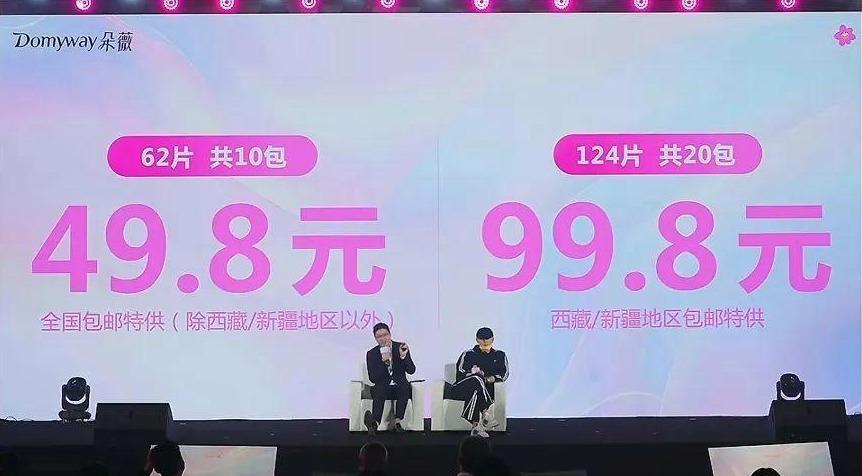
Company Overview - The brand "Duo Wei" launched by celebrity Huang Zitao achieved significant sales success during its live broadcast debut, with a gross merchandise value (GMV) exceeding 400 million yuan and over 800,000 orders placed [3] - Duo Wei's product offerings include a combination pack of 62 pieces, priced at 49.8 yuan, positioning it in the mid-range price segment compared to competitors [3] - The company behind Duo Wei, Zhejiang Duo Wei Care Products Co., Ltd., was established in June 2021 and has a registered capital of 10 million yuan [4] Market Context - The domestic sanitary napkin market is becoming increasingly competitive, with major players like Hengan International reporting challenges due to aggressive pricing strategies from both domestic and international brands [6] - The total investment in the Duo Wei brand has reached 275 million yuan, and the brand currently operates three production lines [6] - Quality and safety are critical in the sanitary napkin sector, and any quality issues can lead to significant risks for brands [6] Celebrity Influence - Huang Zitao's collaboration with Yao Wang Technology in 2021 facilitated the live-streaming sales channel for Duo Wei [5] - The trend of celebrities launching their own brands has been observed in various sectors, but the sustainability of such brands depends on product quality and market acceptance beyond their fan base [5]