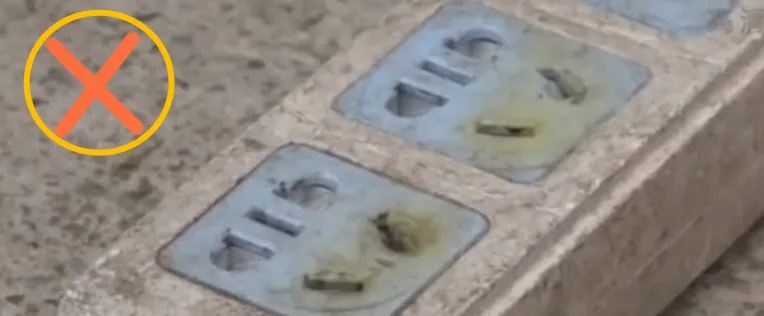
插座

Search documents
高铁站里的“极限挑战”
Xin Lang Cai Jing· 2026-02-15 23:23
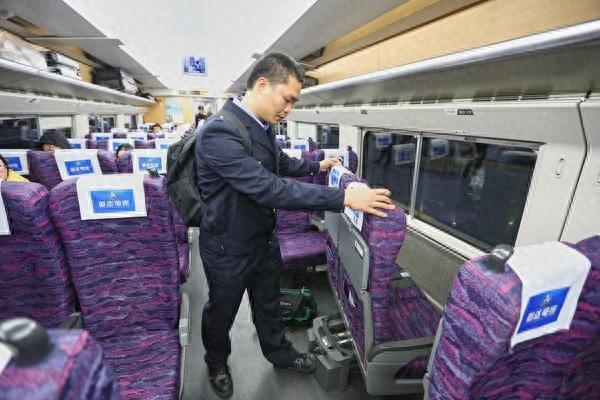
Core Viewpoint - The article highlights the critical role of diagnostic engineers like Wei Rongli in ensuring the smooth operation of train services during peak travel periods, particularly during the Spring Festival travel rush in China. Their expertise and quick response to technical issues significantly enhance passenger comfort and safety. Group 1: Role and Responsibilities - Wei Rongli, a diagnostic engineer, is tasked with quickly resolving technical issues on trains, such as fixing a seat in just four minutes during a train stop [1][4] - The role of diagnostic engineers is distinct from that of on-board mechanics, as they specialize in addressing service facility malfunctions that require professional judgment and equipment replacement [6][11] - Engineers like Wei must complete their tasks within the limited time frame of train stops, emphasizing the importance of speed and precision in their work [11][12] Group 2: Personal Experience and Development - Wei Rongli's experience during the 2022 Spring Festival, where he faced a significant challenge with a malfunctioning electric tea kettle, motivated him to improve his skills and physical fitness [8][9] - His involvement in the Blue Sky Rescue Team has enhanced his ability to maintain composure under pressure, which is crucial for his role as a diagnostic engineer [9][11] - Wei's personal life, including becoming a father, has deepened his empathy for passengers, influencing his approach to ensuring travel comfort [11][13] Group 3: Impact and Recognition - The work of diagnostic engineers is often unseen, yet it plays a vital role in maintaining the quality of travel experiences for passengers, as they address issues that could disrupt journeys [13] - Wei Rongli and his team are described as "invisible guardians" who ensure that every repaired seat and functioning appliance contributes to a comfortable journey for travelers [13][12] - The article emphasizes the dedication and expertise of these engineers, comparing their work to that of sculptors who meticulously craft a seamless travel experience [13]

华之杰700万元项目环评获原则同意
Mei Ri Jing Ji Xin Wen· 2026-02-04 10:28
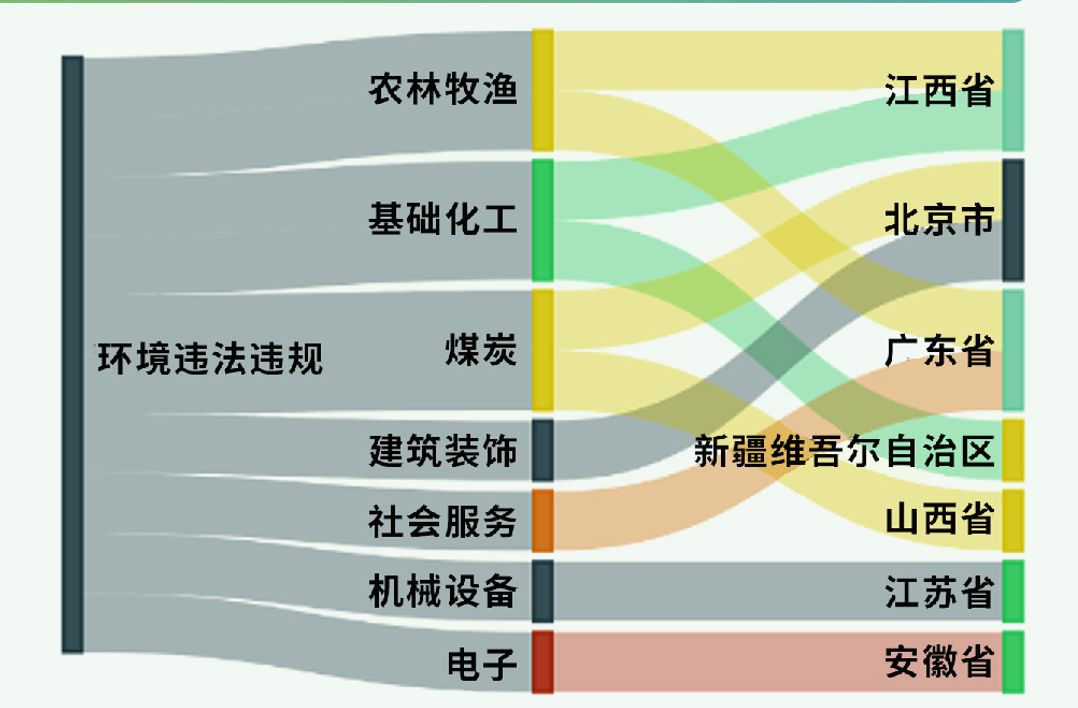
Group 1 - The core viewpoint of the news is that Huazhi Jie (SH603400) has received preliminary approval for its environmental impact assessment for expansion projects related to lithium battery intelligent control technology modules and other components, with a total investment of 7 million yuan [1] - The expansion project includes the production of 4 million lithium battery intelligent control technology modules, 500,000 connectors, 25 million sockets, 18,000 AC charging guns, and 18,000 dual charging pile panels [1] - The "A-share Green Report" project aims to enhance transparency in environmental information of listed companies, utilizing authoritative environmental regulatory data from 31 provinces and 337 cities [1] Group 2 - Huazhi Jie focuses on providing intelligent, safe, and precise key functional components for electric tools and consumer electronics [3] - The company's market capitalization is 5.733 billion yuan, with projected revenues of 1.230 billion yuan for 2023 and 1.031 billion yuan for 2024 [4] - The net profit attributable to the parent company is expected to be 735 million yuan for 2023 and 1.259 billion yuan for 2024, with a return on equity of 23.19% for 2023 [4]
日本PSC与PSE的区别:消费品安全与电气用品安全法不同标识
Sou Hu Cai Jing· 2026-02-02 23:43
Group 1 - The core distinction between PSC and PSE is that they are two separate mandatory safety compliance systems in Japan, governed by different legal frameworks and applicable to different product categories [1][9] - PSC (Product Safety for Consumer Products) focuses on the overall safety of consumer products, while PSE (Product Safety of Electrical Appliance & Materials) specifically regulates the safety of electrical appliances and materials [5][9] - The PSC mark indicates compliance with the Consumer Product Safety Act, while the PSE mark signifies compliance with the Electrical Appliance and Material Safety Law [4][6] Group 2 - The PSC mark is used for a wide range of consumer products, including non-electrical items, while the PSE mark is exclusively for electrical products [6][9] - High-risk electrical products must undergo third-party certification to obtain the PSE mark, whereas medium-risk products can self-declare compliance [6][7] - Examples illustrate that a product like an electric toy may require both PSC and PSE marks depending on its components, while a non-electrical item like a helmet only needs the PSC mark [8][9]
华荣股份(603855):中标中国能源建设集团浙江火电建设有限公司采购项目,中标金额为398.65万元
Xin Lang Cai Jing· 2026-01-27 12:24
Group 1 - Company Huaron Technology Co., Ltd. won a procurement project from China Energy Construction Group Zhejiang Thermal Power Construction Co., Ltd. with a bid amount of 3.9865 million yuan [1][2] - In 2024, Huaron Technology's operating revenue was 3.964 billion yuan, with a growth rate of 24.01%, and a net profit attributable to the parent company of 462 million yuan, reflecting a growth rate of 0.26% [2] - The company's return on equity (ROE) for 2024 was 23.25% [2] Group 2 - In the first half of 2025, Huaron Technology's operating revenue reached 1.639 billion yuan, with a growth rate of 16.93%, while the net profit attributable to the parent company was 198 million yuan, showing a decline of 1.15% [2] - The company operates in the industrial sector, with its main product types being specialized equipment and components [2] - The revenue composition for 2024 included explosion-proof products at 60.6%, engineering income at 28.14%, and professional lighting products at 11.25% [2]

因“10户中国家庭,7户用公牛”广告语对簿公堂,公牛索赔420万元
Xin Lang Cai Jing· 2026-01-23 12:57
Core Viewpoint - The controversy surrounding the advertisement slogan "7 out of 10 Chinese households use Bull" highlights the tension between marketing innovation and legal boundaries, prompting companies to reassess their communication strategies and compliance with advertising laws [2][3]. Group 1: Background of the Dispute - The dispute began when the company "Home Appliance" raised public concerns about Bull Group's advertisement slogan in August 2025, leading to a series of legal exchanges and escalating into a lawsuit by December 2025 [3][6]. - Bull Group, headquartered in Ningbo, Zhejiang, holds a dominant position in the residential electrical appliance sector, particularly in the socket market, with the controversial slogan widely used across various advertising materials [3][13]. - The slogan's compliance with advertising laws has been questioned, as it was previously deemed misleading by the Hubei market supervision bureau, which imposed a fine of 100,000 yuan on Bull Group in 2023 [4][15]. Group 2: Legal Proceedings and Arguments - The legal battle intensified when Home Appliance published over 200 videos criticizing the "big font, small print" advertising strategy, which they argue misleads consumers [6][16]. - Bull Group filed a lawsuit on December 5, 2025, seeking 4.2 million yuan in damages for commercial defamation and unfair competition, while Home Appliance countered with its own lawsuit on December 16, 2025, alleging false advertising [7][17]. - Home Appliance's legal representatives argue that the slogan implies market leadership and violates advertising laws by using absolute terms, while also questioning the validity of the survey data used to support the claim [8][18]. Group 3: Market Impact and Industry Implications - The ongoing legal dispute reflects the competitive tension between leading and mid-sized players in the market, with potential implications for advertising practices across the industry [3][9]. - If Bull Group is found to have violated advertising regulations, it may face significant costs related to rebranding and rectifying its advertising materials, while a loss for Home Appliance could severely impact its financial stability [9][19]. - The outcome of this case may set a precedent for future advertising standards and practices within the industry, highlighting the need for clearer regulations regarding marketing claims [9][19].

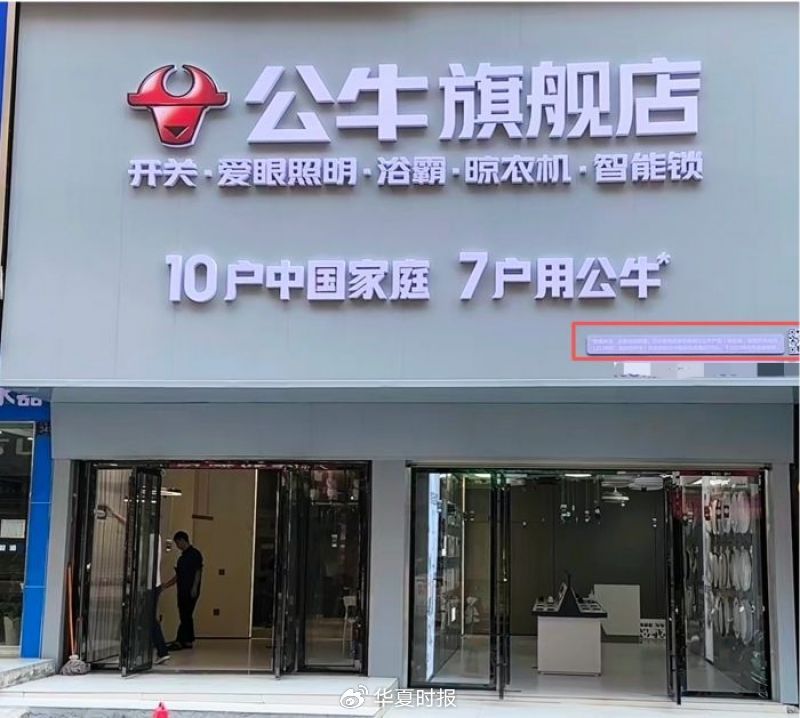
因“10户中国家庭,7户用公牛”广告语对簿公堂,公牛索赔420万元,家的电器诉其涉虚假宣传
Hua Xia Shi Bao· 2026-01-23 09:57
Core Viewpoint - The controversy surrounding the advertisement slogan "7 out of 10 Chinese families use Bull" highlights the tension between marketing innovation and legal boundaries, prompting companies to reassess their communication strategies and compliance with advertising laws [2][4]. Group 1: Background of the Dispute - The dispute began with the advertisement slogan "7 out of 10 Chinese families use Bull," which escalated from social media criticism to a legal battle involving commercial defamation [2][3]. - Bull Group, a leading player in the household electrical sector, has a significant market share in the socket market, while the competitor, Home Appliance, faces brand pressure from Bull [4][5]. - The slogan has been widely used in various advertising materials and has raised questions about compliance with advertising regulations, particularly regarding the "big font, small print" marketing tactic [4][5]. Group 2: Legal Proceedings and Claims - Home Appliance initiated a public campaign against Bull's advertisement, claiming it misrepresents market conditions and violates advertising laws [6][7]. - In November 2025, Bull Group filed a lawsuit against Home Appliance for commercial defamation, seeking 4.2 million yuan in damages [8][9]. - Home Appliance countered with its own lawsuit, alleging that Bull's advertisement constitutes false advertising and unfair competition, which was accepted by the court [9]. Group 3: Market Impact and Consumer Behavior - Despite the presence of other brands, Bull maintains a strong market presence, with consumers expressing loyalty due to the brand's reliability [5][6]. - The ongoing legal battle may have significant implications for both companies, affecting Bull's advertising strategy and Home Appliance's financial stability if they lose the case [10].
吐槽公牛集团广告语被起诉索赔420万,家的电器已提起反诉
Xin Lang Cai Jing· 2026-01-23 01:15
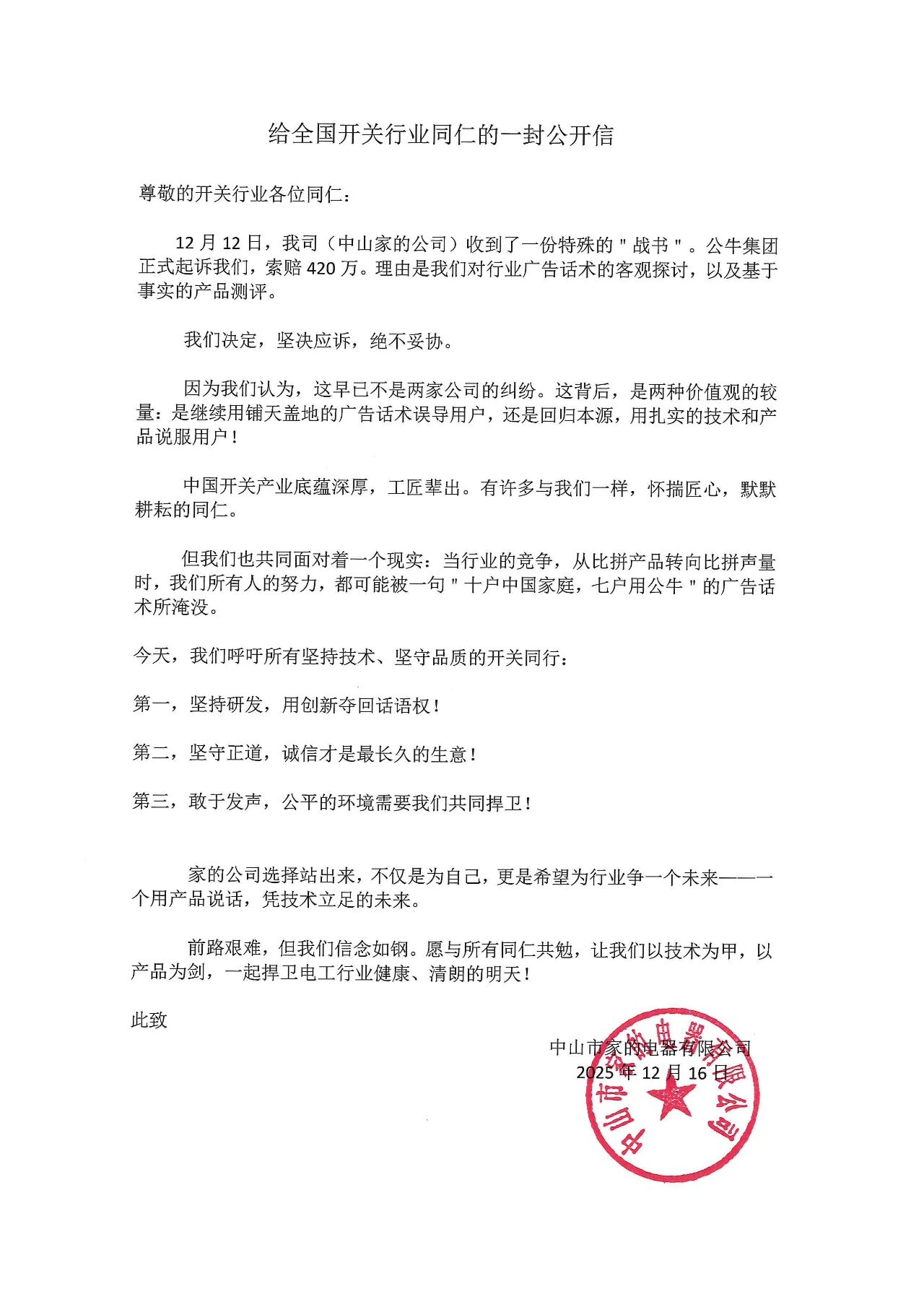
Group 1 - The core issue revolves around a legal dispute between Bull Group and Jia's Electric, with Bull Group suing for 4.2 million yuan over alleged misleading advertising claims [1][4] - Jia's Electric held a media conference to address accusations of "hitching a ride on traffic," asserting that their intentions were to maintain fair competition and consumer rights, rather than to create hype [1] - Jia's Electric's legal counsel indicated that they have raised jurisdictional objections to Bull Group's lawsuit, which is currently under review, and have filed a separate lawsuit alleging compliance issues with Bull Group's advertising [1] Group 2 - Jia's Electric's public letter to industry peers described the lawsuit as a clash of values, emphasizing the choice between misleading advertising and relying on solid technology and products to win over consumers [4] - Bull Group defended its advertising slogan, stating it is backed by rigorous third-party research and complies with Chinese advertising laws, while expressing a commitment to consumer feedback and ongoing optimization of their messaging [4] - Jia's Electric was founded in March 2007 with a registered capital of 30 million yuan, focusing on the production and sale of lighting fixtures, electrical switches, sockets, and home appliances [4]
宜家关店潮,从来不买的人最伤心
3 6 Ke· 2026-01-09 08:24
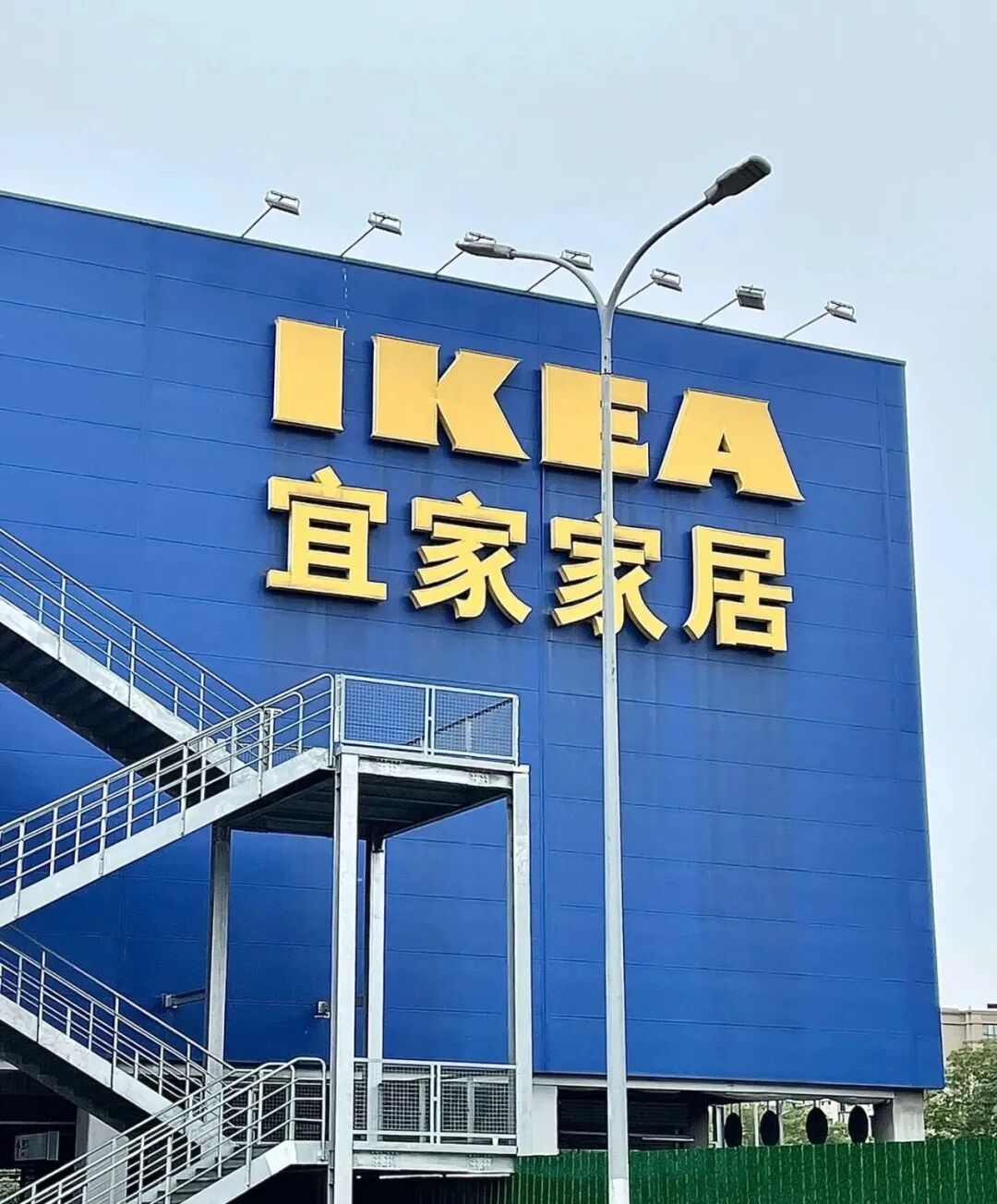
Core Viewpoint - IKEA is undergoing a significant transformation, closing seven stores in China as part of a strategic shift to adapt to global economic uncertainties, digitalization, and changing consumer behaviors. This marks the largest store closure wave since its entry into China in 1998, representing one-sixth of its total stores in the country [1][6]. Group 1: Store Closures and Financial Performance - IKEA announced the closure of seven stores in Shanghai, Guangzhou, Tianjin, Nantong, Xuzhou, Ningbo, and Harbin, effective February 2, marking a major shift in its operational strategy [1]. - For the fiscal year 2024, IKEA's sales in China are projected to be approximately 11.15 billion RMB, a decrease of nearly 1 billion RMB compared to the previous fiscal year and a decline of nearly 30% from its peak in 2019 [6][8]. Group 2: Changing Consumer Perception - The brand, once a symbol of middle-class aspirations, is now perceived as a "poor man's paradise," a "family restaurant," and a "dating spot for the elderly," reflecting a shift in consumer sentiment and usage [1][21]. - The once-appealing IKEA experience has transformed into a space where consumers seek value over brand prestige, with many now viewing it as a discount store rather than a lifestyle choice [21][28]. Group 3: Competitive Landscape and Market Challenges - The decline in the real estate market has cooled the demand for home furnishings, shifting the market from growth to competition for existing customers [11]. - Local competitors have gained an edge over IKEA by offering faster product development cycles and better service, such as free delivery and assembly, which IKEA struggles to match [14][16]. Group 4: Strategic Responses and Future Directions - In response to declining sales, IKEA has implemented aggressive pricing strategies, with over 500 products marked down in the fiscal year 2024, but this has led to a perception of the brand as a discount retailer [8][10]. - IKEA is shifting its focus from large-scale stores to smaller, centrally located "design inspiration centers," planning to open over 10 new small stores in key markets like Beijing and Shenzhen [10][28].
从英国站到14国!武汉工厂依托亚马逊实现插座出海跃迁
Sou Hu Cai Jing· 2026-01-06 12:40
Core Insights - The article discusses the transition of cross-border e-commerce from an "opportunity-driven" approach to a "capability-driven" one, emphasizing the need for manufacturing companies to adapt to global standards and compliance requirements in order to succeed in overseas markets [1][6]. Group 1: Company Strategy and Operations - The company, Chuangtong Yigou, has strategically positioned itself in the cross-border e-commerce space by focusing on Amazon as its primary channel, starting from the UK and gradually expanding to Europe and North America [1][6]. - The management team began researching cross-border e-commerce models around 2018, influenced by the visible success of peers who had launched small teams on Amazon and achieved significant revenue growth [8][9]. - Initial sales in the UK exceeded expectations, with daily order volumes quickly surpassing 300, indicating a strong and stable demand for their standardized products [11][13]. Group 2: Challenges and Adaptation - As the company expanded into new regions, it faced challenges related to compliance and product adaptation, particularly due to the fragmented standards for electrical products across Europe [15][17]. - The importance of compliance was highlighted by an incident where multiple product listings were taken down due to compliance complaints, leading to a potential loss of hundreds of thousands of yuan [17]. - The company learned to leverage Amazon's support system effectively, which provided clear guidance during critical moments, thus reducing the trial-and-error cycle in their operations [19][22]. Group 3: Future Plans and Brand Development - Building on its experience in established markets, the company plans to enter emerging markets such as Brazil, Australia, and the Middle East, with a more systematic approach to replicating successful operational strategies [24]. - The company recognizes the need to elevate brand building as a priority, moving beyond reliance on price and functionality to create long-term consumer preferences [27]. - The relationship with Amazon has evolved from basic support to a more strategic partnership, focusing on long-term collaboration and shared goals [26].


小心你家的“通电搭子” 收好这份安全手册→
Xin Lang Cai Jing· 2026-01-02 09:15
Group 1 - The article highlights the safety hazards associated with electrical sockets, emphasizing the importance of understanding these risks to ensure electrical safety [1][8] - Common causes of socket fires include the use of universal sockets, which have inadequate contact surfaces leading to overheating [1][3] - Overloading power strips by connecting multiple high-power devices can exceed current limits, increasing the risk of fire [3] Group 2 - The article warns against using low-quality products, as some manufacturers use non-flame-retardant materials in power strips, making them susceptible to fire during short circuits or when near heat sources [5] - Recommendations for selecting safe sockets include checking for CCC certification on product packaging [5] - The article suggests that individuals should be aware of the proper steps to take in case of a power strip fire [7]