智能轮胎

Search documents
出海2035:接下来是最有希望的十年,可能也是最难的十年 || 大视野
Sou Hu Cai Jing· 2026-02-16 00:45
Core Insights - The article emphasizes the importance of understanding the impact of national security and geopolitical factors on Chinese companies' overseas expansion, which may exceed the companies' capabilities to address [3][4][10]. Group 1: Future Predictions for Chinese Companies Going Abroad - Chinese companies are expected to succeed in localizing products and services, creating consumer welfare in host countries, and some have already reached the stage of creating globally competitive products [5]. - Compliance with local laws and regulations, as well as building good relationships with stakeholders, will also lead to positive outcomes for Chinese companies [5][6]. - The article highlights the need for deep localization and community engagement, as demonstrated by Zijin Mining's proactive approach in Serbia and China Minmetals' efforts in Peru [6][9]. Group 2: Challenges from Geopolitical Factors - Geopolitical issues and national security concerns pose significant challenges for Chinese companies, especially in sensitive markets, which could threaten their operational existence [10][11]. - Companies may seek assistance from government institutions and industry associations when facing geopolitical pressures, but it is difficult for a single company to withstand national and international pressures alone [11][12]. Group 3: Structural Changes in International Business Environment - The article discusses the structural changes in the international business environment, where national security and geopolitical factors have become a standard consideration for many countries, leading to increased intervention in markets [28][29]. - The U.S. and EU have adopted policies that prioritize economic security, viewing China as a significant threat, which has resulted in a shift towards protectionism and increased regulatory scrutiny [29][30][31]. Group 4: Recommendations for Chinese Companies - Companies are advised to enhance their awareness of controllability, especially in mergers and acquisitions, and to consider alternative strategies such as technology or service collaborations to mitigate risks [40][41]. - There is a strong emphasis on compliance with local laws and understanding local cultures to avoid conflicts and ensure sustainable operations [42][43]. - A dynamic balance between exports and overseas expansion is crucial, leveraging China's advantages while responding to global changes [43][44]. Group 5: National-Level Strategies - The article suggests that the government should integrate overseas expansion into national development strategies, fostering communication with companies to create a comprehensive roadmap for internationalization [45]. - It is essential to recognize the disruptive impact of national security and geopolitical factors and to deploy systematic support measures for companies venturing abroad [46].

美国将审查中国汽车硬件,芯片怎么办?
半导体行业观察· 2026-02-15 01:37
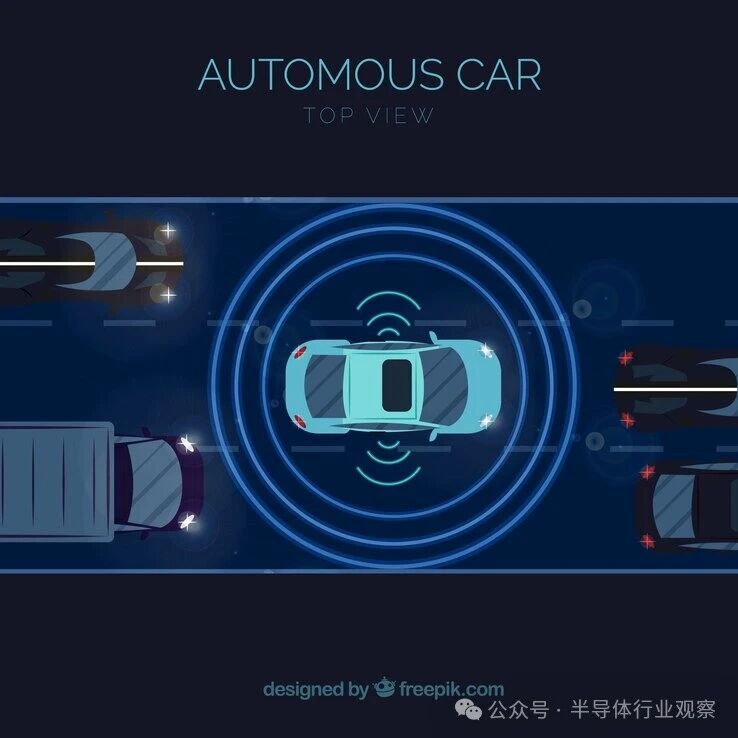
Group 1 - The article discusses the compliance challenges faced by automotive manufacturers due to U.S. regulations limiting the use of Chinese technology in connected vehicles, requiring tracking of embedded software sources before a key deadline in March [2][3] - The U.S. Department of Commerce's new rules mandate that as of March 17, automakers must prove that core vehicle systems connected to the cloud do not contain software written by Chinese companies, impacting advanced driver-assistance systems and extending to connected hardware by 2029 [3] - The regulations aim to mitigate risks associated with sensitive data transmission through systems like cameras and GPS, complicating the supply chain for automakers who may struggle to trace embedded code from Chinese joint ventures or subcontractors [3] Group 2 - The regulatory shift presents opportunities for U.S. suppliers, such as Eagle Wireless, which is positioning itself as an alternative supplier for cellular modules, previously dominated by Chinese manufacturers with an 87% global market share in the first half of last year [4] - Eagle Wireless is collaborating with original equipment manufacturers to migrate software before the compliance deadline while building domestic manufacturing capabilities, indicating a significant shift in software development and manufacturing back to the U.S. [5] - European suppliers are also affected, with companies like Pirelli evaluating options due to their major shareholder being a Chinese group, potentially leading to divestment or separation of U.S. operations [5]
倍耐力硬刚大股东:中化方案遭全盘否决!
Xin Lang Cai Jing· 2026-02-10 06:44
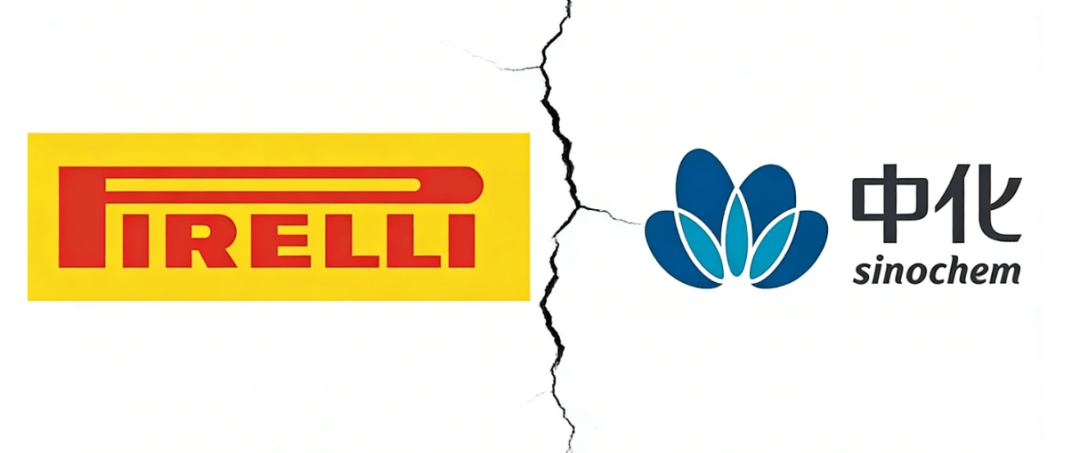
Core Viewpoint - The conflict between Pirelli and its Chinese controlling shareholder, China National Chemical Corporation (CNRC), has escalated sharply, particularly regarding the proposal to spin off the smart tire business, which was rejected by Pirelli's board on February 5, 2023 [1][9]. Group 1: Board Decision and Management Stance - The board voted 9 in favor and 5 against the proposal to separate the smart tire business, affirming CEO Andrea Casaluci's view that this business must remain integrated within the group [3][12]. - Pirelli's management stated that any form of separation would "irreversibly damage the integrated business model," leading to delays in R&D, increased costs, and loss of synergies, potentially resulting in significant value destruction [3][12]. Group 2: Regulatory Challenges and Market Implications - The focus of the conflict is Pirelli's smart tire technology, which is crucial for future autonomous driving and has been adopted by several high-end car manufacturers and Italian transport authorities [5][14]. - The U.S. government's import ban on key hardware and software for connected vehicles will take effect in March 2026, posing a risk of Pirelli's smart products being banned from the U.S. market, which accounts for 25% of Pirelli's global revenue [5][14]. Group 3: Shareholder Dynamics and Future Prospects - Due to unmet U.S. regulatory requirements, Pirelli's second-largest shareholder, Camfin, and MTP & C. SpA, have decided not to renew their shareholder agreement with CNRC, which expires on May 18 [7][15]. - CNRC's influence within Pirelli is diminishing, as the Italian government has restricted CNRC's access to strategic data and CEO appointments, while a €500 million debt-to-equity swap in early 2026 will further dilute CNRC's stake [7][15]. - CNRC is now considering reducing its stake to below 10% or even exiting Pirelli entirely, reflecting a shift from a controlling position to a more pragmatic exit strategy [7][15][16]. Group 4: Historical Context and Future Outlook - The partnership between Pirelli and CNRC, which began in 2015 with a €7.1 billion investment, is now facing dissolution due to U.S. national security concerns [9][16]. - With the impending U.S. ban and the expiration of the shareholder agreement, time is running out for both Pirelli and CNRC, raising questions about the future dynamics of the global tire industry [9][16].
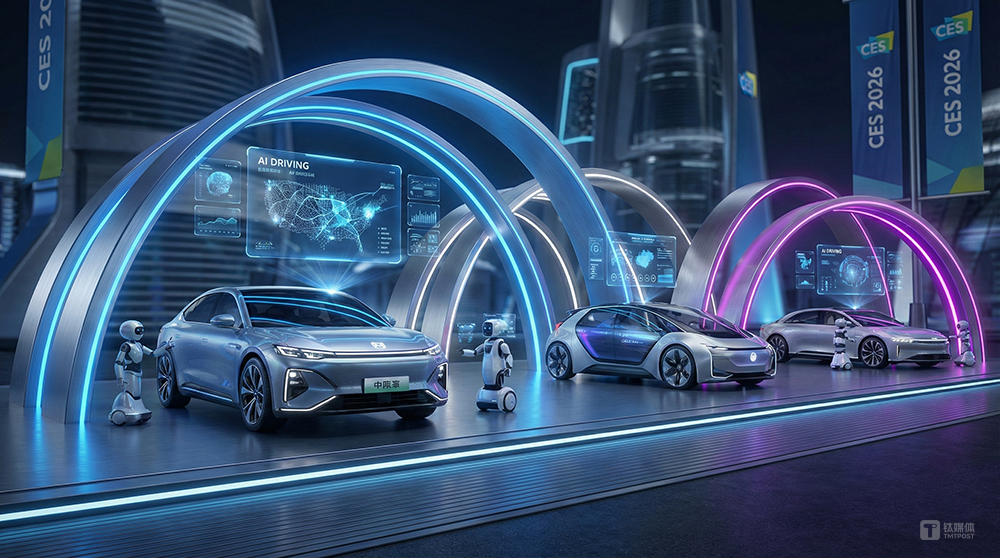
CES 2026前瞻:中国车企领衔,AI与新能源技术重构出行
Tai Mei Ti A P P· 2026-01-04 09:13
Group 1: CES 2026 Overview - The CES 2026 will focus on the automotive sector, showcasing advancements in new energy and intelligent connected technologies, with significant participation from global automakers and supply chain giants [2] - Chinese automakers are expected to collectively impact the global automotive industry's competitive landscape through their innovations and AI technology integration [2] Group 2: Great Wall Motors - Great Wall Motors will present its full product line and core technology matrix under the theme "GO With More Life," aiming to enhance global brand recognition [4] - The company will showcase key technologies including Hi4-Z architecture, semi-solid batteries, and hydrogen fuel cell engines, along with the ASL 2.0 intelligent agent and VLA large model [4] - Challenges include the current lack of hydrogen refueling infrastructure and the cost control of semi-solid battery mass production [4] Group 3: Geely Automotive - Geely will display its comprehensive AI technology achievements, focusing on breakthroughs in its "smart car full-domain AI" technology system, particularly the Raytheon AI hybrid 2.0 [6] - The Raytheon AI hybrid 2.0 improves engine thermal efficiency to 47.26% and achieves a low fuel consumption of 2.67L [6] - The company aims to address market concerns regarding the transition from laboratory efficiency to stable mass production experiences during the exhibition [6] Group 4: Hyundai Motor Group - Hyundai will highlight its "technology crossover" theme, featuring the new generation Atlas humanoid robot and its AI interaction capabilities [8] - This marks Hyundai's shift from a traditional automaker to a "mobility solutions provider," although specific collaboration plans between robots and automotive ecosystems remain unclear [8] Group 5: Faraday Future - Faraday Future will hold a special shareholder meeting at CES 2026 to announce the complete production, sales, delivery, and service plans for the FX Super One [10] - The FX Super One has already received over 13,000 orders, marking a critical transition for the brand [10] - Financial data indicates continued negative net profits from 2020 to 2024, making the announcement of a profitable path crucial for market confidence [10] Group 6: Kosmera - The new Chinese automaker Kosmera will make its global debut at CES 2026, introducing two high-performance models, including a 1903 horsepower electric supercar [11] - The supercar features aerospace-grade composite materials and a 3D-printed chassis, aiming for a 1:1 power-to-weight ratio [11] Group 7: Sony Honda - Sony Honda will present a new concept car, continuing the integration of Sony's technology with Honda's manufacturing capabilities [13] - The previous AFEELA 1 model has established a market presence, and the new concept aims to enhance user experience through advanced audio and AI interaction [13] Group 8: Honda - Honda will preview the Honda 0 series production models at CES 2026, focusing on L3-level autonomous driving features and a new self-developed operating system [15] - The rear-wheel-drive model will have a maximum power of 241Ps, while the all-wheel-drive version will reach 308Ps, with an EPA-rated electric range of approximately 482km [15] Group 9: Automotive Supply Chain Innovations - The competition among automotive suppliers will intensify, with laser radar and intelligent chassis technologies being key highlights at CES 2026 [22] - Hesai Technology will showcase its upgraded ATX laser radar, achieving significant performance improvements and securing over 400,000 orders [17] - ZF will introduce a new active noise cancellation feature for automotive chassis, while LG will present an AI cockpit platform based on Qualcomm's Snapdragon [19][21] Group 10: Industry Trends - The automotive sector at CES 2026 will serve as a showcase for global automotive technology achievements and a clear indicator of future industry directions [22] - The deep integration of AI and new energy is reshaping automotive product logic and the competitive landscape, with Chinese automakers leading the charge [22]

产业协同提速,中国智能汽车迈向“认知驱动”新时代
Tai Mei Ti A P P· 2025-07-24 02:58
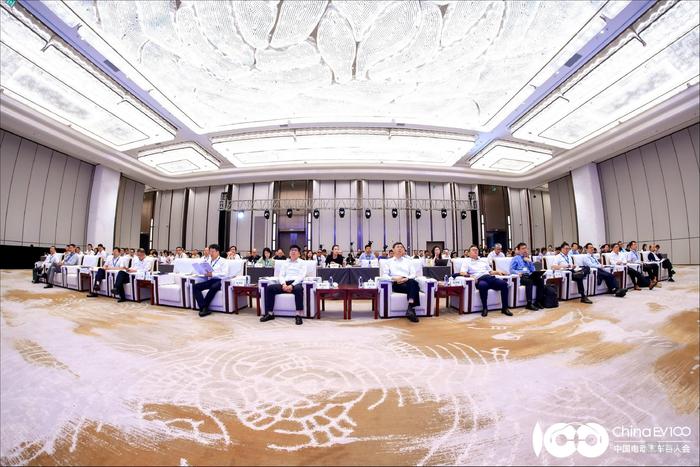
Group 1: Core Insights - The "2025 New Energy Smart Vehicle New Quality Development Forum" was successfully held in Changchun, focusing on the theme of "New Quality Leading, Intelligent Creation of the Future" and discussing the technological evolution, ecological reconstruction, and future trends of new energy smart vehicles [2] - The forum highlighted the rapid development of new energy vehicles and the deep restructuring of the global automotive landscape, emphasizing the need for open cooperation and collaborative innovation to secure future success [4] - Key tasks identified include accelerating the popularization of assisted driving from 2025 to 2030 and setting ambitious goals for L3 and higher-level autonomous driving technology [4][10] Group 2: Technological Innovations - Experts discussed the dual paths of safety technology in smart vehicles: rule-driven and data-driven approaches, with a proposed "cognitive-driven" route to overcome key technological bottlenecks [6] - The shift towards higher voltage charging systems (1000V to 1500V) and the adoption of wide bandgap power devices like silicon carbide were noted as trends in electric drive systems [8] - The automotive industry's competitive focus is shifting towards smart and AI capabilities, with mechanical costs expected to drop from 70% to below 30% while electronic and software costs rise to 70% [10] Group 3: Industry Practices and Strategies - Automotive companies are urged to innovate technologically, manage relationships as partnerships, and build long-term brand trust to transition from low-level competition to high-quality development [14] - The collaboration between Jianghuai Automobile and Huawei exemplifies deep integration across the entire value chain, aiming for breakthroughs in the ultra-luxury smart new energy sector [16] - The evolution of AI in automotive applications is leading to a transition from traditional software-defined vehicles to "AI-defined vehicles," presenting challenges in hardware and software compatibility [18] Group 4: Supply Chain and Ecosystem Collaboration - AI's impact on the automotive industry is seen as an incremental enhancement rather than a replacement, with the software supply chain maturing to meet rapid iteration demands [22] - The importance of software in defining vehicles is highlighted, with trends in electric vehicles, smart driving, and personalized features becoming increasingly significant [24] - The interaction between vehicles and the grid is viewed as a means to alleviate pressure from large-scale electric vehicle adoption and support the transition to a low-carbon energy structure [30] Group 5: Future Directions - The forum showcased the collaborative trends in smart vehicle development across four dimensions: intelligence, localization, software integration, and ecological fusion, indicating a vibrant and innovative landscape in China's new energy smart vehicle industry [34] - The integration of heterogeneous information fusion technologies is expected to enhance the safety performance of smart driving systems, making advanced technology more accessible to a broader market [34]