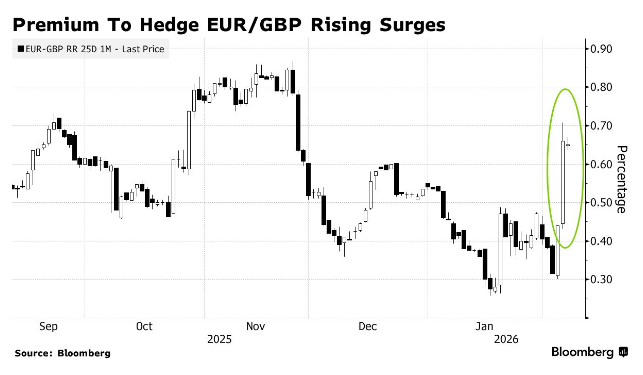
欧元兑英镑期权

Search documents
英国股债汇齐跌
Bei Jing Shang Bao· 2026-02-10 16:54
Core Viewpoint - The resignation of key officials in UK Prime Minister Starmer's office has triggered a political crisis, impacting financial markets and raising concerns about Starmer's leadership stability [1][2][3]. Group 1: Political Developments - Tim Allen, the public relations director for Prime Minister Starmer, resigned on February 9, marking the second senior official to leave within 24 hours [1]. - Morgan McSweeney, the chief of staff, resigned due to the controversy surrounding former ambassador Peter Mandelson's involvement in the Epstein case, which he admitted was a mistake [1][2]. - Starmer publicly apologized to Epstein's victims, acknowledging he was misled by Mandelson [1]. Group 2: Market Reactions - The FTSE 100 index and GBP/EUR exchange rate experienced significant declines, while the yield on UK 10-year government bonds rose, nearing its highest point since November [1][2]. - Hedge funds are heavily betting on further depreciation of the pound through options markets, with a notable increase in bullish positions on EUR/GBP [2][4]. - The trading volume for EUR/GBP options reached its highest level since 2019, with bullish options outpacing bearish ones by 50% [2]. Group 3: Future Outlook - Analysts predict a potential decline of 6% in GBP/EUR over the next 12 months, with some expecting a 3% drop by the end of April [2]. - The political crisis may lead to earlier leadership challenges for Starmer than previously anticipated, with significant pressure from within the party [4].
深夜!“黑天鹅”突袭,全线跳水!发生了什么?
券商中国· 2026-02-09 14:43
Core Viewpoint - The resignation of key officials in the UK Prime Minister's office has triggered a political crisis, leading to significant declines in the UK financial markets, including the FTSE 100 index and the British pound against the euro [2][3][4]. Group 1: Political Developments - Tim Allen, the communications director for Prime Minister Starmer, resigned on February 9, marking the second senior official to leave the Prime Minister's office within 24 hours [2][3]. - Morgan McSweeney, the Chief of Staff, also resigned due to the fallout from the involvement of former UK ambassador to the US, Peter Mandelson, in the Epstein case, which he admitted was a mistake [3][4]. - Starmer publicly apologized for trusting Mandelson and acknowledged the damage caused to the Labour Party and the UK [3][4]. Group 2: Market Reactions - Following the resignations, the FTSE 100 index fell by 0.32%, and the British pound against the euro dropped by 0.4%, reaching its lowest level since January 22 [4]. - The yield on UK 10-year government bonds rose, nearing its highest point since November of the previous year, indicating increased market uncertainty [4][11]. - Hedge funds are heavily betting on further declines of the pound through the options market, with a significant increase in call options for euro against pound, reaching the highest trading volume since 2019 [6][11]. Group 3: Future Implications - Analysts suggest that Starmer's political future is precarious, with indications that he may face leadership challenges sooner than expected, potentially before the local elections in May [12]. - The market is showing a preference for buying euro against pound positions, reflecting concerns about the pound's further depreciation [11][12]. - The resignation of senior advisors may provide temporary relief for Starmer, but dissatisfaction among backbench MPs and poor polling results contribute to significant uncertainty regarding his leadership [11].


英国股债汇齐跌!核心幕僚深陷爱泼斯坦丑闻,内阁大臣集体反水“逼宫”斯塔默辞职
Hua Er Jie Jian Wen· 2026-02-09 12:08
Core Viewpoint - The political career of UK Prime Minister Keir Starmer is at a critical juncture due to the appointment of Peter Mandelson, linked to the Epstein case, as ambassador to the US, leading to resignations within his core team and calls for his resignation from cabinet ministers [1][6][10]. Group 1: Political Crisis and Resignations - Starmer's chief of staff, Morgan McSweeney, resigned, taking full responsibility for the Mandelson appointment, followed by communications chief Tim Allan, indicating a significant loss of political support for Starmer [6][7]. - The crisis has led to a turbulent political environment, with cabinet ministers privately demanding Starmer's resignation or threatening to resign themselves, creating uncertainty about his leadership [8][9]. Group 2: Market Reactions - The political turmoil has negatively impacted financial markets, with the FTSE 100 index experiencing a slight decline and the British pound dropping 0.5% against the euro, reaching its lowest level since January 22 [1][7]. - Hedge funds are heavily betting on further declines of the pound, with a significant increase in options trading, particularly in euro-pound options, which reached the highest volume since 2019 [7][11]. Group 3: Future Leadership Concerns - There are speculations about potential successors to Starmer, including Health Secretary Wes Streeting and former Deputy Prime Minister Angela Rayner, as internal party dynamics shift amid the crisis [6][9]. - The upcoming by-election and local elections are critical tests for Starmer, with polls indicating potential losses for the Labour Party, raising concerns about his ability to maintain leadership [10][11].
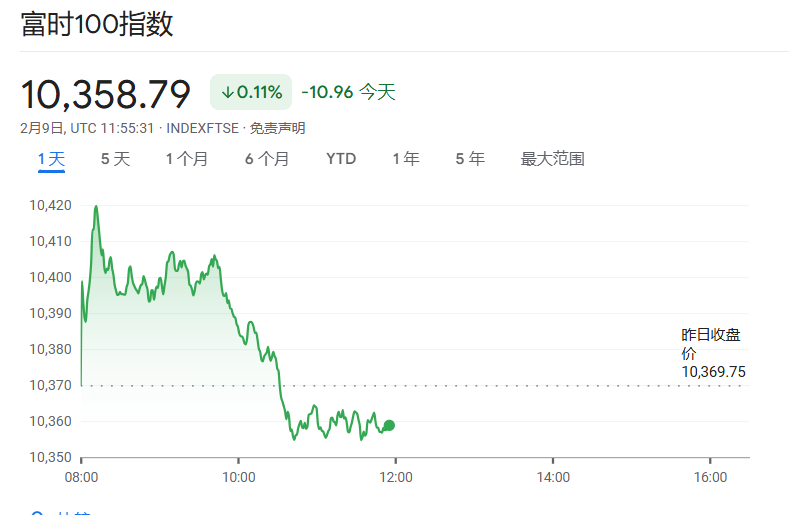
双重利空压垮英镑!央行决议与首相危机触发对冲基金疯狂做空
Zhi Tong Cai Jing· 2026-02-09 02:45
Core Viewpoint - The British pound is facing significant downward pressure due to dual negative factors, including increased bearish positions by hedge funds in the options market and political instability surrounding Prime Minister Keir Starmer's administration [1][3]. Group 1: Market Reactions - On February 5, the pound fell to a two-week low against both the euro and the dollar, with a close vote against a rate cut by the Bank of England contributing to this decline [1]. - The demand for bullish options on the euro against the pound surged, with trading volumes reaching a peak for the year, indicating a strong market sentiment against the pound [1][3]. - The implied volatility for the euro-pound currency pair has been significantly re-priced to a "markedly higher level" due to the increased demand for bullish options [3]. Group 2: Economic Predictions - Goldman Sachs predicts a further 6% decline in the pound against the euro over the next 12 months, while Nomura Holdings expects a 3% drop by the end of April [3]. - Analysts from the Royal Bank of Canada noted that Starmer's precarious political position has already placed pressure on the pound even before the Bank of England's rate decision [3]. Group 3: Political Factors - The market is highly sensitive to political developments, particularly regarding the potential for a left-wing Labour Party leader to succeed Starmer, which could exacerbate concerns about political instability [3]. - The upcoming local elections in May are seen as a critical point for Starmer's leadership, with the possibility of challenges to his position emerging sooner than expected [3]. Group 4: Short-term Outlook - Despite recent declines, the pound showed signs of rebound against the euro and dollar, suggesting that its downward trajectory may not be straightforward [4]. - Upcoming U.S. non-farm payroll and inflation data are anticipated to be short-term market risk events, while political news remains a core driver of the pound's movements [4].