民族乐器

Search documents
博州年货大集开集啦!
Sou Hu Cai Jing· 2026-02-08 07:48
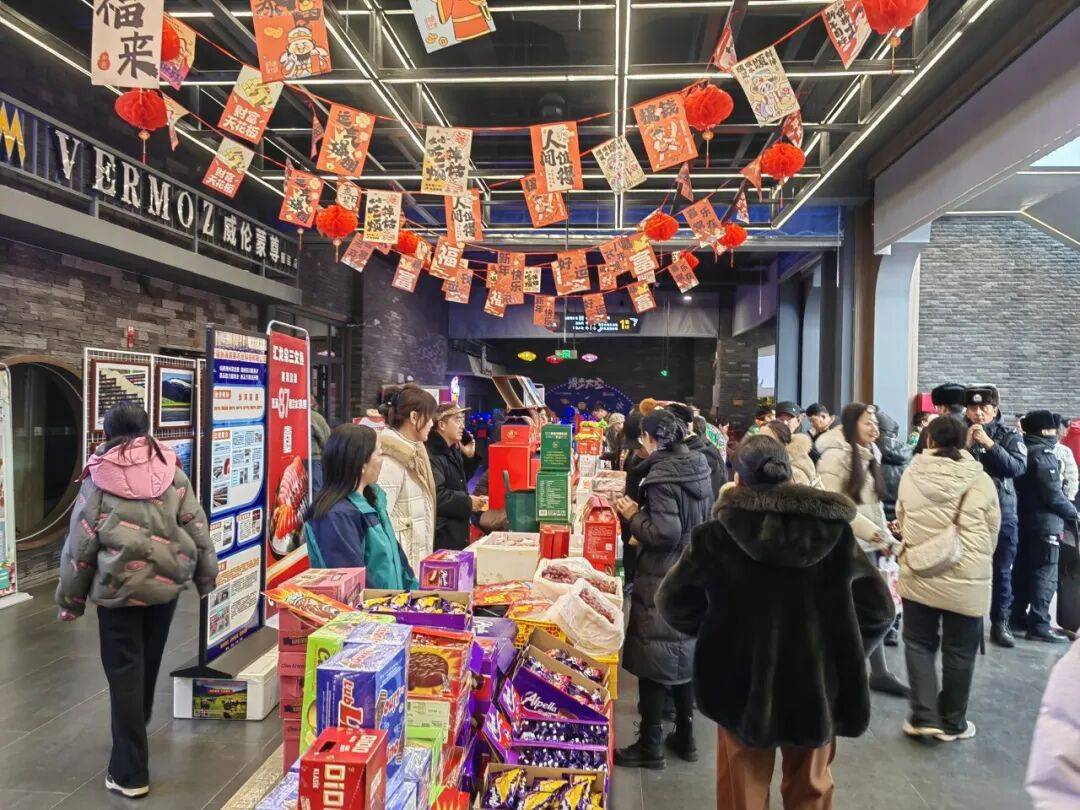
Core Viewpoint - The "Non-Heritage New Year Celebration: Taste of Chinese New Year" event in Bole City aims to stimulate consumer spending through various promotional measures and cultural activities, enhancing the local economy and community engagement [1][3]. Group 1: Event Overview - The event commenced on February 7 and will last until February 15, featuring a variety of themed booths including non-heritage crafts, local agricultural products, brand goods, and specialty foods [7]. - The "hi购博乐" initiative, launched in January, includes nine consumer promotion measures designed to boost spending in key sectors such as real estate and automotive, while also benefiting related industries like home appliances and dining [1][3]. Group 2: Consumer Engagement - The event provides a platform for local merchants to showcase and sell their products, enhancing consumer choice and experience [3]. - Interactive activities such as red envelope giveaways and lucky draws are incorporated to increase festive engagement and stimulate consumer spending [3][7]. Group 3: Local Products and Cultural Integration - The event highlights local agricultural products, including Bole rice and specialty snacks, attracting significant consumer interest [3][5]. - Non-heritage cultural displays, such as traditional crafts and performances, are featured, allowing attendees to experience local culture firsthand [3][5].

文化激活乡村,产业赋能振兴
Ren Min Ri Bao· 2025-12-07 11:21
Core Insights - The transformation of Yuanqiao Village in Dengfeng City, Henan Province, showcases a new path for cultural industry empowering rural development, turning historical sites into open-air museums and micro-drama filming locations [1] - The growth of the micro-drama industry in Zhengzhou has provided opportunities for Yuanqiao Village to revitalize its "old resources" and develop new business models, leading to talent, capital, and service aggregation, as well as rural environment improvement and internal-external linkages [1] - During the "14th Five-Year Plan" period, the implementation of rural revitalization strategies has resulted in effective policies supporting rural cultural development, with Henan Province emerging as a leader in cultural empowerment for rural revitalization [1] Industry Developments - Various villages in Henan, such as Xu Chang Village and Yi Chuan Village, have leveraged traditional intangible cultural heritage and historical sites to create unique products, enhancing farmers' income and reshaping rural landscapes [1] - Cultural products with heritage attributes, like Gushi Liu Bian and Nanzhao silk carpets, have successfully entered international markets, indicating a growing cultural export potential [1] - Looking ahead to the "15th Five-Year Plan," the focus will be on fully revitalizing rural areas by prioritizing protection and rational use of cultural and natural resources, promoting the integration of primary, secondary, and tertiary industries [2] Recommendations - It is suggested to cultivate influential and competitive cultural industry brands and distinctive villages through creative design, film production, and intangible cultural heritage research, encouraging more villages to follow Yuanqiao's example in promoting cultural wealth [2]
文化激活乡村,产业赋能振兴(延伸阅读)
Ren Min Ri Bao· 2025-12-05 22:03
Group 1 - The core viewpoint of the articles highlights the transformation of Yuanqiao Village in Dengfeng, Henan, through cultural industry empowerment, turning it into a new path for rural development by leveraging historical resources and modern media opportunities [1][2] - The development of the micro-short film industry in Zhengzhou has provided a significant opportunity for Yuanqiao Village, leading to the revitalization of old resources and the emergence of new business formats, which in turn has facilitated the gathering of talent, capital, and services [1] - The implementation of the rural revitalization strategy during the 14th Five-Year Plan has resulted in effective policies supporting cultural development in rural areas, showcasing unique practices across various villages in Henan that enhance income for farmers and reshape rural landscapes [1] Group 2 - Looking ahead to the 15th Five-Year Plan, the articles suggest that rural revitalization will enter a new stage, emphasizing the need for cultural industry empowerment to activate rural human and natural resources while promoting the integration of primary, secondary, and tertiary industries [2] - Recommendations include fostering a batch of influential and competitive cultural industry brands and distinctive villages through creative design, film production, and non-heritage research, encouraging more villages to follow the example of Yuanqiao Village in promoting cultural prosperity [2]
文化激活乡村 产业赋能振兴(延伸阅读)
Ren Min Ri Bao· 2025-12-05 22:03
Group 1 - The core viewpoint is that cultural industries are empowering rural revitalization in Henan, exemplified by the transformation of Yuanqiao Village into a cultural hub through policy support and the development of new business models [1][2]. - Yuanqiao Village has leveraged its historical resources and the booming micro-short film industry in Zhengzhou to attract talent, capital, and services, leading to environmental improvements and a win-win situation for cultural industries and rural characteristics [1]. - During the "14th Five-Year Plan" period, a series of policies supporting rural cultural development have been effectively implemented, showcasing distinctive practices in Henan as an agricultural and cultural province [1]. Group 2 - Looking ahead to the "15th Five-Year Plan," rural revitalization will enter a new stage, focusing on the protection and reasonable utilization of cultural and natural resources to promote the integration of primary, secondary, and tertiary industries [2]. - It is suggested to cultivate influential and competitive cultural industry brands and characteristic villages through creative design, film production, and intangible cultural heritage studies, encouraging more villages to follow Yuanqiao's example [2].
广东“造血”,喀什“焕新”:南疆明珠“粤”来越好
2 1 Shi Ji Jing Ji Bao Dao· 2025-05-30 12:36
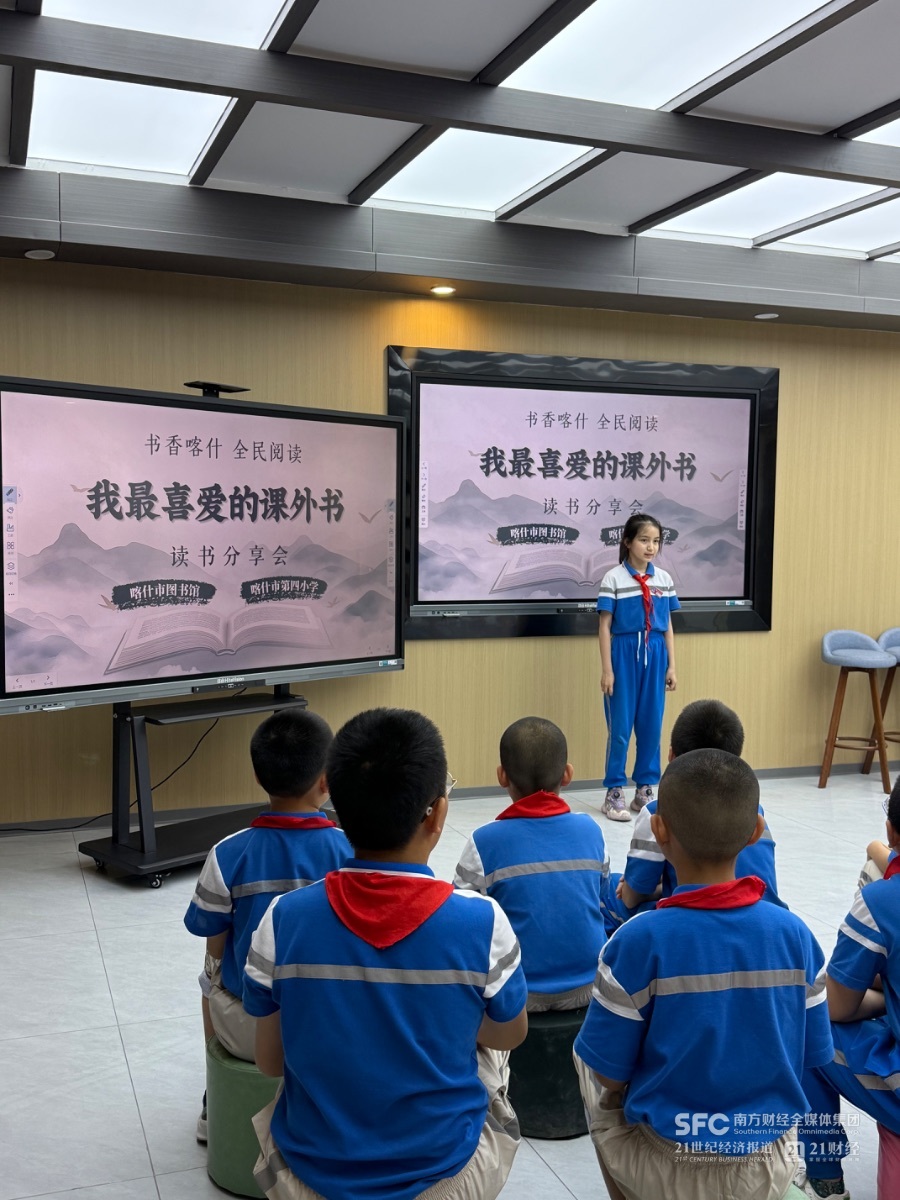
Group 1 - The "Yue Du Yue You Qu" city bookstore in Kashgar, covering 438 square meters and housing 50,000 electronic books, has become a popular spot for local students [1] - The Guangdong aid to Xinjiang has led to significant improvements in various sectors including healthcare, education, culture, and economy in Kashgar [3][4] - The GDP of Kashgar region reached 324.57 billion yuan in Q1 2025, with a year-on-year growth of 5.8%, and the retail sales of consumer goods totaled 87.32 billion yuan, up 8.2% [4][5] Group 2 - The Guangdong medical aid model has evolved to a "group-style" support system, enhancing healthcare services in Kashgar through advanced equipment and management practices [6][9] - The South Xinjiang National Regional Medical Center has seen significant patient volume, with over 33,000 outpatient visits and a bed occupancy rate of 85% in 2024 [9] - The number of healthcare institutions in Kashgar increased from 3,398 in 2020 to 3,785 in 2024, indicating a growing healthcare infrastructure [12] Group 3 - The vocational education sector is being strengthened, with the establishment of the Cantonese Cuisine Academy in Kashgar, which has enrolled 100 full-time students [16][20] - The textile and garment industry is a key focus, with the textile sector's added value accounting for 12.1% of the region's industrial output in 2024 [17][18] - The number of students in the textile program at the Tiemu Shu Ke Vocational Technical College has grown from 11 to over 860, reflecting the increasing demand for skilled labor in the textile industry [18] Group 4 - The tourism sector in Tiemu Shu Ke City has seen a rise in visitors, with 530,600 tourists recorded in Q1 2025, a 15.93% increase year-on-year [25][26] - The "Xinjiang National Musical Instrument Village" has been developed into a 3A national tourist attraction, enhancing local tourism and economic opportunities [25][26] - The agricultural sector, particularly in chili pepper production, has shown growth, with the company "Xindi Biological" reporting a steady increase in sales revenue from 34.25 million yuan in 2022 to 55.6 million yuan in 2024 [29][31]