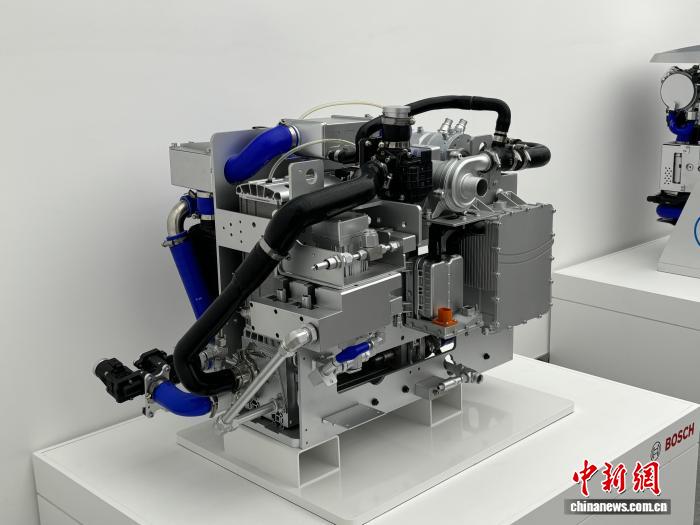
氢动力模块

Search documents
加速!新能源重卡跑向中长途
Xin Hua Wang· 2026-01-11 23:32
Core Insights - The rapid growth of the new energy heavy truck market is driven by policy support, cost advantages, and expanded application scenarios, with sales reaching over 180,000 units in the first 11 months of 2025, a nearly twofold increase year-on-year [1][2]. Group 1: Market Dynamics - The market focus has shifted towards new energy vehicles, with traditional fuel heavy truck sales declining as old vehicles are replaced due to policy incentives [2]. - New energy heavy truck sales by China National Heavy Duty Truck Group increased by 233% in 2025, with total production and sales exceeding 300,000 units [2]. - The application scenarios for new energy heavy trucks have expanded beyond fixed routes to include diverse logistics needs, with significant penetration in short-distance and medium-distance transport [2][3]. Group 2: Cost and Infrastructure Advantages - The cost per kilometer for new energy heavy trucks is approximately 1 yuan, compared to 2.5-3 yuan for diesel trucks, leading to annual savings of around 270,000 yuan based on average mileage [3]. - Government policies, including subsidies for scrapping old vehicles and incentives for purchasing new energy trucks, are effectively driving market growth [3][4]. - Infrastructure improvements, such as the deployment of charging stations and battery swap stations, are enhancing refueling efficiency, with super-fast charging capabilities allowing for 400 kilometers of range in just 15 minutes [4]. Group 3: Challenges and Future Outlook - Despite the growth, challenges remain in scaling up new energy heavy trucks for long-distance transport, with current applications primarily limited to short-distance scenarios [5]. - The Ministry of Transport is committed to promoting the large-scale development of new energy transport equipment, emphasizing the importance of transitioning from older vehicles to low-emission options [6]. - Companies are increasing R&D efforts and forming partnerships to advance technology in new energy heavy trucks, focusing on battery innovations and hydrogen fuel cell applications [7].
重庆持续提升工业“含绿量”
Ren Min Ri Bao· 2025-09-21 03:30
Group 1 - The core focus is on promoting green and low-carbon development in Chongqing's manufacturing sector, aligning with national goals for high-quality development [1][2] - Chongqing aims to build three trillion-yuan-level leading industrial clusters: intelligent connected new energy vehicles, next-generation electronic information manufacturing, and advanced materials [2] - In the first eight months of this year, Chongqing's new energy vehicle production reached 690,000 units, a year-on-year increase of 31.4% [2] Group 2 - The city is optimizing its industrial structure by increasing the proportion of low-energy consumption and high-output industries while controlling the scale of high-energy consumption and high-emission industries [3] - From 2021 to 2024, the energy consumption per unit of industrial added value in Chongqing is expected to decrease by 12.3% [3] - The share of six high-energy-consuming industries in the city's industrial output has been reduced to below 25%, outperforming the national average [3] Group 3 - Leading companies like Huafeng Chemical have made significant advancements in energy conservation and circular economy, achieving a carbon utilization rate of over 96% in their production processes [4] - Chongqing has established 170 national-level green factories and 16 national-level green industrial parks, with the output of green factories accounting for 29.5% of the city's total industrial output [4] Group 4 - The city is developing a resource recycling "ecological circle," with significant capacities for recycling various materials, including 450 million tons of scrap steel and 60 million tons of recycled aluminum [6] - Chongqing's industrial water consumption per unit of added value has decreased by over 15%, meeting national industrial water-saving targets [6] - Companies like Chongqing Conch Cement are utilizing waste and garbage for fuel, saving 42,000 tons of standard coal annually while promoting ecological initiatives [6]
活力中国调研行:重庆持续提升工业“含绿量”
Ren Min Ri Bao· 2025-09-21 02:18
Core Viewpoint - Chongqing is focusing on green and high-quality development by optimizing industrial structure, promoting green benchmarks, and enhancing resource recycling to build a modern industrial system with advanced manufacturing as the backbone [1][2][3][4][5][6] Group 1: Industrial Structure Optimization - Chongqing aims to increase the proportion of low-energy consumption and high-output industries while expanding new growth areas, with a focus on hydrogen energy and high-end equipment manufacturing [1][2] - In the first eight months of this year, Chongqing produced 690,000 electric vehicles, a year-on-year increase of 31.4%, and the integrated circuit output reached 7.6 billion pieces, up 65.6% [2] Group 2: Green Benchmark Leadership - Companies like Huafeng Chemical have made significant advancements in energy conservation and circular economy, achieving over 96% carbon utilization rate in their production processes [4] - Chongqing has established 170 national-level green factories and 16 national-level green industrial parks, with the output of green factories accounting for 29.5% of the city's total industrial output [4] Group 3: Resource Recycling and Ecological Circle - Chongqing has developed a resource recycling ecosystem, achieving a recycling capacity of 4.5 million tons of scrap steel and maintaining a comprehensive utilization rate of industrial solid waste above 70% [6] - The city has implemented projects for wastewater recycling and solar energy utilization, with a water reuse rate exceeding 97% for three consecutive years [5][6]
重庆持续提升工业“含绿量”(活力中国调研行)
Ren Min Ri Bao· 2025-09-20 22:00
Core Viewpoint - Chongqing is focusing on green and high-quality development by optimizing industrial structure, promoting green benchmarks, and enhancing resource recycling to build a modern industrial system with advanced manufacturing as its backbone [1][2][3][4][5][6]. Group 1: Industrial Structure Optimization - Chongqing aims to increase the proportion of low-energy consumption and high-output industries while reducing the scale of high-energy consumption and high-emission industries [1][3]. - The city has seen a 31.4% year-on-year increase in the production of new energy vehicles, reaching 690,000 units in the first eight months of the year [2]. - The production of integrated circuits has grown by 65.6%, with a total output of 7.6 billion units [2]. Group 2: Green Benchmarking - Companies like Chongqing Huafeng Chemical Co., Ltd. have made significant advancements in energy conservation and circular economy, achieving a carbon utilization rate of over 96% in their production processes [4]. - Chongqing has established 170 national-level green factories and 16 national-level green industrial parks, with the output of green factories accounting for 29.5% of the city's total industrial output [4]. Group 3: Resource Recycling and Circular Economy - The city has developed a resource recycling ecosystem, achieving a recycling capacity of 4.5 million tons of scrap steel and 600,000 tons of recycled aluminum [6]. - Chongqing's industrial water consumption has decreased by over 15%, meeting national water-saving targets [6]. - The Chongqing Conch Cement Co., Ltd. has implemented projects to utilize waste and kitchen garbage as fuel, saving 42,000 tons of standard coal annually [6].
活力中国调研行|重庆:“低碳引擎”驱动高质量发展
Zhong Guo Qing Nian Bao· 2025-09-13 06:38
Group 1: Zero Carbon Exploration in Chongqing - Chongqing's low-carbon development is seen as a new engine for high-quality growth, with energy consumption growth at 2.4% supporting an economic growth of 5.6% during the 14th Five-Year Plan period [1] - Chongqing Conch Cement has implemented a waste-to-energy project that processes urban waste, achieving a 100% harmless treatment rate and aiming for zero landfill by 2025 [3][4] Group 2: Environmental Achievements of Chongqing Conch Cement - The company has invested over 90 million yuan in a system that processes 200 tons of household waste daily, having treated over 570,000 tons since its operation [3] - The waste incineration project has reduced landfill area by over 1,000 acres and saved 42,000 tons of standard coal annually through heat recovery [3][4] Group 3: Emission Reduction and Environmental Standards - Chongqing Conch Cement reduces carbon dioxide emissions by 115,000 tons annually and has achieved a 90% reduction in methane emissions [4] - The company has been recognized as an A-level enterprise for air pollution prevention and has received national-level green factory certification [4] Group 4: Low-Carbon Industry Clusters - The Dadu River area is home to Chongqing International Composite Materials Co., which has achieved top-level emissions standards for its glass fiber production [6] - The Two Rivers New Area has seen significant low-carbon industry cluster effects, with companies like BOE Technology Group focusing on green manufacturing and achieving zero carbon emissions for certain products [7] Group 5: Future Low-Carbon Innovations - The Kedisu (Chongqing) Company is pioneering the production of microbial protein using natural gas, marking a significant step in sustainable food protein supply [8] - Bosch Hydrogen Power Systems has developed hydrogen fuel cell modules for commercial vehicles, addressing the future needs of the hydrogen energy industry [8] Group 6: Circular Economy Initiatives - The Midea Green Recycling Industrial Park aims to create a resource recycling chain for old appliances, with plans to process 3 million units annually [9]
氢能车辆显身手 重庆九龙坡打造“西部氢谷”
Zhong Guo Xin Wen Wang· 2025-08-15 01:23
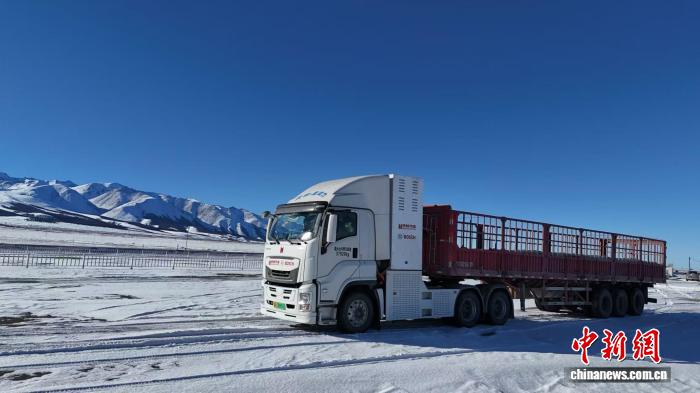
Core Viewpoint - Hydrogen energy vehicles are increasingly integrated into various logistics and transportation scenarios across China, showcasing their potential in reducing carbon emissions and improving air quality [1][2][3] Group 1: Company Developments - Bosch Hydrogen Power has launched multiple hydrogen power modules, with four products already in mass production, covering commercial vehicles from 4.5 tons to 49 tons [2] - The company has customized hydrogen fuel cell tractors for coal transportation in Xinjiang, demonstrating the adaptability of their hydrogen power systems to challenging environments [1][2] - Bosch Hydrogen Power is a joint venture between Bosch Group and Qingling Motors, focusing on providing flexible hydrogen power solutions for the commercial vehicle market [1] Group 2: Industry Trends - The hydrogen energy sector is expanding its application scenarios beyond heavy commercial vehicles to include hydrogen two-wheelers, sightseeing vehicles, and agricultural drones [3] - The Chongqing region is positioning itself as a hub for hydrogen energy development, supported by government policies and the presence of leading companies like Bosch Hydrogen Power [2] - The environmental benefits of hydrogen energy vehicles are significant, as they effectively reduce pollutants like PM2.5, contributing to improved air quality in industrial cities [2]
(活力中国调研行)氢能车辆显身手 重庆九龙坡打造“西部氢谷”
Zhong Guo Xin Wen Wang· 2025-08-14 06:48
Core Viewpoint - Hydrogen energy vehicles are increasingly integrated into various logistics and transportation scenarios across China, with significant developments in Chongqing's Jiulongpo District, which aims to establish itself as a "Western Hydrogen Valley" [1][4]. Group 1: Industry Development - Hydrogen energy vehicles are operational in multiple provinces, including heavy-duty trucks in logistics and urban sanitation [1]. - Bosch Hydrogen Power Systems (Chongqing) Co., Ltd. has launched several hydrogen power modules, with four products already in mass production, covering commercial vehicles from 4.5 tons to 49 tons [3]. - The company has tailored hydrogen fuel cell tractors for coal transportation in Xinjiang, demonstrating the adaptability of hydrogen power modules in challenging environments [1][3]. Group 2: Regional Focus - Chongqing is positioned as a key city in Western China with substantial development potential, supported by government policies and initiatives for the hydrogen energy industry [4]. - Jiulongpo District has implemented a series of policies to foster the hydrogen energy sector, aiming to create a comprehensive hydrogen technology park and industrial base [4]. - The district benefits from early development and established enterprises like Bosch Hydrogen Power and Guohong Hydrogen Energy, enhancing its competitive edge in the hydrogen sector [4]. Group 3: Environmental Impact - Hydrogen energy vehicles contribute to significant reductions in air pollutants, such as PM2.5, thereby improving local air quality [4]. - The high combustion efficiency of hydrogen energy is particularly valuable in heavy-duty truck applications, which are prevalent in Chongqing's industrial transport [4]. Group 4: Future Prospects - The hydrogen energy sector is expanding its application scenarios beyond heavy-duty commercial vehicles to include hydrogen two-wheelers, sightseeing vehicles, and agricultural drones [5]. - The ongoing development of hydrogen energy technologies suggests a promising future with vast potential across various industries [5].

(活力中国调研行)氢能车辆显身手 重庆九龙坡打造“西部氢谷”
Zhong Guo Xin Wen Wang· 2025-08-14 04:30
Group 1: Core Insights - Hydrogen energy vehicles are being integrated into various logistics and urban sanitation applications across multiple provinces in China, showcasing their versatility and reliability in transportation [1][2] - Bosch Hydrogen Power has launched a 49-ton hydrogen fuel cell tractor specifically designed for coal transportation in Xinjiang, with plans for large-scale operations in the Tianshan region [1][2] - The company has produced four types of hydrogen power modules that cover a range of commercial vehicles from 4.5 tons to 49 tons, with demonstration operations already taking place in 18 provinces [2] Group 2: Industry Development - Chongqing is positioned as a key city in Western China for hydrogen energy development, supported by government policies and initiatives aimed at fostering a hydrogen energy industry ecosystem [4][5] - The Jiulongpo District in Chongqing has established itself as a hub for hydrogen energy, hosting leading companies like Bosch Hydrogen Power and demonstrating strong industrial growth [5] - The environmental benefits of hydrogen energy vehicles are significant, as they effectively reduce pollutants like PM2.5, contributing to improved air quality in the region [5] Group 3: Future Prospects - The hydrogen energy sector is expanding its application scenarios beyond heavy commercial vehicles to include hydrogen-powered two-wheelers, sightseeing vehicles, and agricultural drones, indicating a broadening market potential [7]