
水电燃气

Search documents
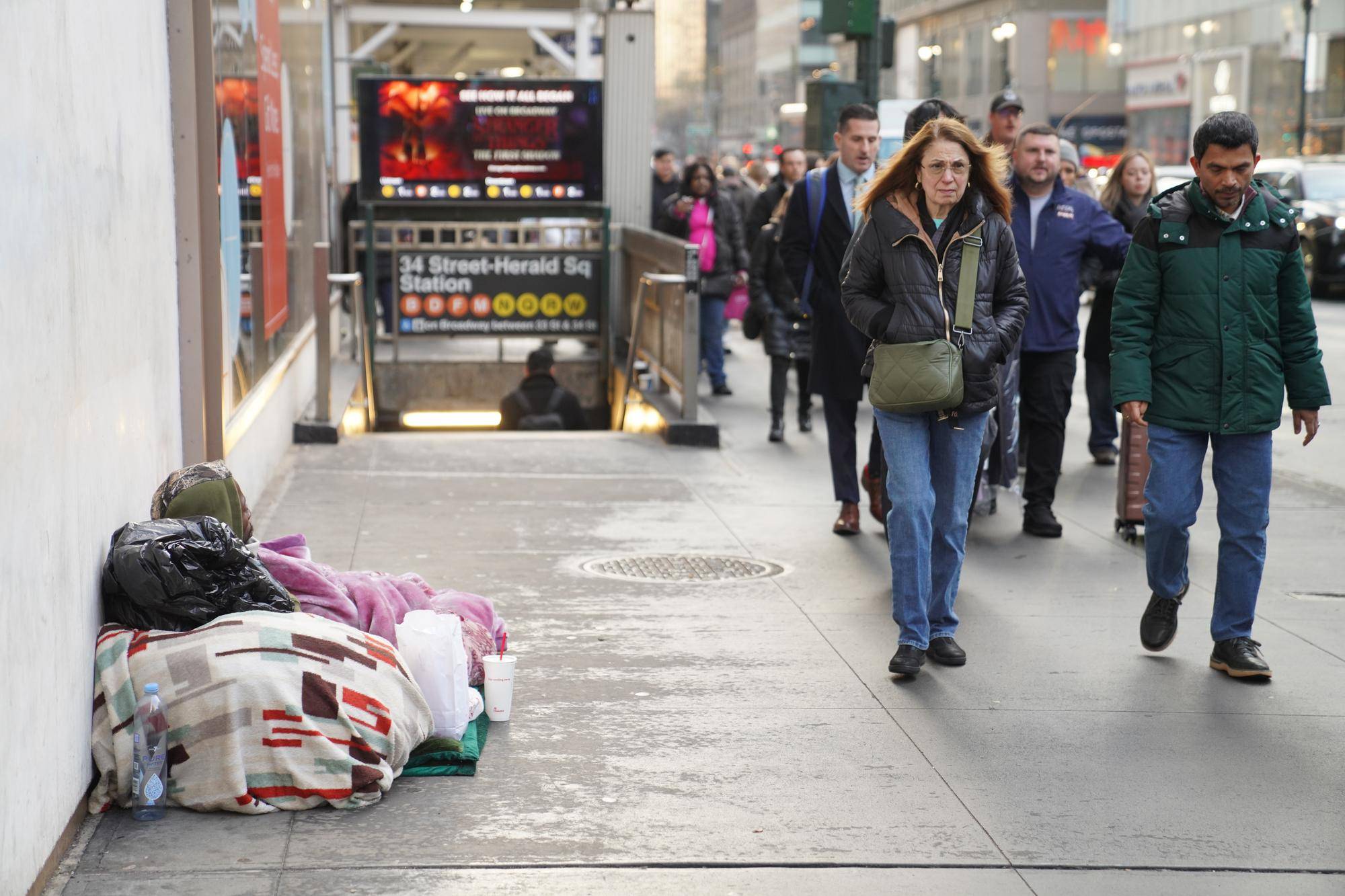
能源涨价 美国严重欠费家庭数量增加
Sou Hu Cai Jing· 2026-01-12 12:01
Group 1 - The core issue highlighted is the increasing number of American households unable to pay their energy bills, with a reported 3.8% increase in households with severe utility bill arrears since the beginning of Trump's second term [4] - The average monthly energy bill for some families has surged to $1,800, three times the previous level, exacerbated by rising costs of electricity and gas [4] - The National Energy Assistance Directors' Association predicts a 9.2% increase in heating costs for American households this winter due to rising electricity and gas prices [4] Group 2 - A significant finding is that one in every twenty American households is severely behind on their utility payments, facing potential collection agency actions [6] - The rising energy bills and persistent inflation have led to increased dissatisfaction among American families regarding the government's handling of economic issues [7] - Experts warn that the Trump administration's proposed cuts to funding for local governments to assist low-income families with energy bills could worsen the situation, as rising costs of electricity are driven by increased demand and higher generation costs [7]

涨价潮来了!房子车子打折了,但这3类悄悄“变贵”了
Sou Hu Cai Jing· 2025-12-15 03:13
Core Viewpoint - The article highlights the subtle yet significant price increases in essential goods and services, contrasting them with the noticeable price drops in larger items like houses and cars, which are driven by market pressures rather than consumer benefits [1][3]. Group 1: Price Trends in Essential Goods - Prices of staple foods such as rice, flour, and oil are gradually increasing, influenced by weather anomalies and rising logistics costs, which ultimately affect consumer spending [3][4]. - Utility bills for water, electricity, and gas are experiencing incremental increases, often unnoticed, but they contribute to overall higher living costs as energy prices rise [4][5]. - Daily necessities are not increasing in price but are being downsized in quantity, leading to a hidden form of price inflation where consumers pay the same for less product [5][6][7]. Group 2: Consumer Behavior and Recommendations - Consumers are advised to avoid excessive stockpiling of goods, particularly staples, to prevent waste and manage costs effectively [9]. - Prioritizing energy-efficient products is recommended, as they may have a higher upfront cost but lead to long-term savings on utility bills [10]. - Taking advantage of government subsidies, promotional offers, and discounts is encouraged to maximize savings [11]. - A cautious approach to investments is suggested, emphasizing the importance of maintaining liquidity and protecting principal over seeking high returns [12].
美日要决裂?日本宣布加息,美国成最大输家,36万亿美债即将崩盘
Sou Hu Cai Jing· 2025-12-12 05:44
Group 1 - Japan's interest rate hike from 0.5% to 0.75% marks the end of a 30-year low-rate policy, which poses a significant challenge to the US financial system that relies on Japan's low rates [2][3] - The expectation of Japan's interest rate increase has led to a surge in speculation, with an 80% probability of the hike and a similar probability for potential US rate cuts, prompting investors to sell US Treasuries to avoid increased financing costs [5][7] - Japan's decision to raise rates is seen as a rebellion against the US, as Japan realizes that the US has not fulfilled its security commitments and has exploited Japan's wealth through financial means [9][11] Group 2 - Japan's economic situation, with a GDP contraction of 2.3% and a government debt ratio exceeding 220%, has made the rate hike a necessary but painful decision to combat perceived injustices from the US financial system [11] - The interest rate hike will strengthen the yen, negatively impacting Japan's export-driven manufacturing sector, while providing an opportunity for Chinese manufacturers to capture market share as Japanese products become more expensive [12] - China, with its stable monetary policy and ample foreign reserves, is positioned to become a safe haven amid global financial turmoil, attracting investors as they move away from US debt [13]
2025年10月蒙古居民消费价格同比上涨9.2%
Shang Wu Bu Wang Zhan· 2025-11-12 15:03
Core Viewpoint - In October 2025, Mongolia's consumer price index experienced a year-on-year increase of 9.2% and a month-on-month increase of 0.6% [1] Group 1: Price Increases by Category - Food and beverage prices rose by 11.9%, with non-alcoholic beverages increasing by 9.8% [1] - Clothing, textiles, and footwear prices increased by 6.7% [1] - Housing, water, electricity, gas, and other fuel prices surged by 19.3% [1] - Furniture and household goods prices went up by 7% [1] - Prices for hotel, restaurant, and accommodation services increased by 11.3% [1] - Education and cultural services saw a price rise of 12.8% [1]