
沱牌T68

Search documents
舍得酒业(600702):主动出清初见成效,静候行业需求回暖
ZHONGTAI SECURITIES· 2026-03-26 13:25
Investment Rating - The investment rating for the company is "Buy" (maintained) [2][4][7] Core Views - The company is experiencing initial success in proactively clearing inventory and is awaiting a recovery in industry demand [1] - The company has a strategic focus on long-term growth, emphasizing its old liquor strategy, multi-brand matrix, youth-oriented strategy, and international expansion [4] - The company is positioned as a leading brand in the sub-premium liquor segment, with expected earnings recovery as the economy and business dining consumption scenarios improve [4] Financial Performance Summary - For 2024, the company is projected to achieve revenue of 53.57 billion yuan, with a year-on-year growth rate of -24% [2] - The net profit attributable to the parent company is forecasted to be 3.46 billion yuan in 2024, reflecting a significant decline of 80% year-on-year [2] - The company anticipates a recovery in revenue and profit, with projections of 5.06 billion yuan in 2026 and 3.50 billion yuan in net profit, representing a year-on-year growth of 57% [4] Revenue Breakdown - In 2025, the company reported total revenue of 44.19 billion yuan, a decrease of 17.51% year-on-year, with a net profit of 2.23 billion yuan, down 35.51% [3] - The sales revenue from mid-to-high-end liquor decreased by 23.83% to 31.20 billion yuan, while ordinary liquor sales increased by 5.75% to 7.33 billion yuan [4] - The company’s e-commerce sales grew by 35.46% to 6.04 billion yuan, indicating a shift towards direct-to-consumer sales channels [4] Profitability Metrics - The company's gross profit margin for 2025 was 62.04%, down 3.48% year-on-year, primarily due to the decline in mid-to-high-end product sales [4] - The net profit margin for 2025 was 4.78%, a decrease of 1.57% year-on-year [4] - The earnings per share (EPS) for 2026 is projected to be 1.05 yuan, with a corresponding price-to-earnings (P/E) ratio of 43 [2][4]

舍得酒业(600702):公司简评报告:保持战略定力,蓄势长远发展
Capital Securities· 2026-03-25 05:41
Investment Rating - The investment rating for the company is "Buy" [1] Core Insights - The report emphasizes maintaining strategic focus and long-term development, highlighting the company's proactive approach to quality improvement and long-term value creation [4] - The company has faced challenges in 2025, with a reported revenue of 4.42 billion yuan, a year-on-year decrease of 17.51%, and a net profit attributable to shareholders of 0.22 billion yuan, down 35.51% year-on-year [5] - The company is focusing on controlling volume and stabilizing prices, with a strong emphasis on product innovation and expanding its market presence [5] Financial Performance Summary - In 2025, the company's revenue from high-end and regular liquor was 3.12 billion yuan and 0.73 billion yuan, respectively, showing a decline of 23.83% and an increase of 5.75% year-on-year [5] - The gross profit margin for 2025 was 62.04%, a decrease of 3.48 percentage points year-on-year, attributed to inventory control measures [5] - The company expects a recovery in net profit, projecting 0.36 billion yuan in 2026, 0.46 billion yuan in 2027, and 0.57 billion yuan in 2028, with respective growth rates of 60.5%, 27.2%, and 24.3% [6] Market and Product Strategy - The company is focusing on its flagship product, "Piwei Shede," and has introduced new products targeting younger consumers, such as low-alcohol beverages and trendy packaging [5] - The company is actively enhancing its online marketing channels and optimizing its product structure, with e-commerce sales showing a significant increase of 35.46% year-on-year [5] - The company has reduced the number of distributors to 2,525 by the end of 2025, down by 138 from the previous year, indicating a strategic consolidation in its distribution network [5]
【舍得酒业(600702.SH)】25年继续调整,渠道风险逐步出清——2025年年报点评(叶倩瑜/李嘉祺/董博文)
光大证券研究· 2026-03-24 23:05
Core Viewpoint - The company reported a decline in total revenue and net profit for the year 2025, indicating ongoing challenges in the industry, but is focusing on long-term strategies for sustainable growth [4][5]. Group 1: Financial Performance - In 2025, the company achieved total revenue of 4.419 billion, a year-on-year decline of 17.51%, and a net profit attributable to shareholders of 223 million, down 35.51% [4]. - The fourth quarter of 2025 saw total revenue of 718 million, a decrease of 20.02%, with a net profit of -249 million, an improvement from -323 million in the same quarter of the previous year [4]. - The company plans to distribute a cash dividend of 3.10 per 10 shares, totaling 102 million, which represents 45.67% of the annual net profit [4]. Group 2: Product and Market Dynamics - In 2025, revenue from mid-to-high-end liquor, regular liquor, and glass bottles was 3.120 billion, 733 million, and 470 million respectively, with year-on-year changes of -23.83%, +5.75%, and -3.45% [5]. - The sales volume of mid-to-high-end liquor decreased by 13.11%, while regular liquor saw a growth of 15.35%, indicating a shift in consumer preferences [5]. - Revenue from provincial and out-of-province sales was 1.206 billion and 2.647 billion respectively, with declines of 20.19% and 19.25% [5]. Group 3: Cost Structure and Profitability - The company's gross margin for 2025 was 62.04%, a decrease of 3.48 percentage points, with mid-to-high-end liquor and regular liquor gross margins at 74.67% and 37.92% respectively [6]. - The tax and additional charges accounted for 15.93% of revenue, down 3.52 percentage points, while the sales expense ratio increased to 25.80%, up 1.98 percentage points [6]. - The net profit margin for 2025 was 4.78%, a decline of 1.57 percentage points, reflecting the pressures on profitability [7].


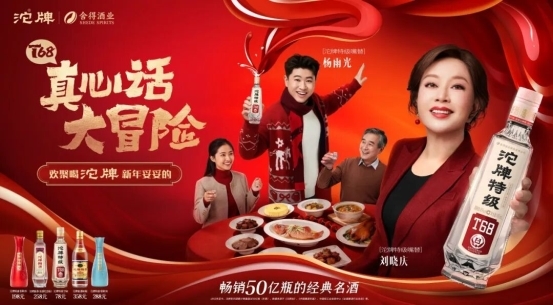
携手刘晓庆、杨雨光以“真心”破局,沱牌春节营销引爆社交共鸣与市场势能
Sou Hu Wang· 2026-02-03 02:48
Core Insights - The core message of the article emphasizes how the company, through its innovative marketing strategy, successfully connects with consumers' emotions during the critical Chinese New Year sales period, leveraging the theme of "true feelings" to resonate with the younger generation [2][21]. Marketing Strategy - The marketing campaign for the Spring Festival focuses on addressing the "invisible pressure" faced by young people during family gatherings, such as questions about marriage and career, positioning the product T68 as a catalyst for expressing "true feelings" [3][20]. - The campaign features a creative film titled "T68 True Feelings Adventure," which uses absurd comedy to engage viewers and break away from traditional alcohol advertising [3][5]. Celebrity Endorsement - The campaign features well-known personalities Liu Xiaoqing and Yang Yuguang, whose images align with the campaign's theme, enhancing relatability and appeal to the target audience [5][10]. - Liu Xiaoqing's role as a "scripted" spokesperson and Yang Yuguang's portrayal of a young person facing family inquiries create a strong connection with the audience [5][10]. Interactive Engagement - The launch of an interactive H5 platform allows users to generate quotes from the celebrities, enhancing user participation and encouraging social sharing, which helps the "true feelings" theme to spread virally [12][20]. - A live-streaming event titled "Celebration of Wine" features engaging interactions between the brand's chairman and Liu Xiaoqing, further bridging the gap between the brand and consumers [13][16]. Comprehensive Marketing Approach - The campaign integrates online and offline experiences, including a "Wine Table God" challenge on Douyin and events at over 500 dining venues, creating a cohesive brand experience [16][18]. - The marketing strategy encompasses a full-spectrum media interception network, targeting key consumer touchpoints during the Spring Festival, ensuring extensive brand visibility [18][20]. Emotional Connection - The campaign successfully transitions from product marketing to emotional and experiential marketing, establishing a deeper emotional connection with consumers [20][21]. - By understanding and supporting consumer sentiments, the company sets a benchmark for the industry on how to engage with the new generation of consumers [21].
舍得酒业治理困局——“双头权力博弈”下的掏空上市公司
Zhong Jin Zai Xian· 2025-11-30 02:23
Core Viewpoint - The article discusses the significant decline in the performance of Shede Liquor due to weak consumer demand and governance issues, leading to a drastic drop in stock price and market capitalization, with a focus on the company's failed high-end strategy and internal conflicts among stakeholders [1][4]. Financial Performance - Shede Liquor's revenue fell to 5.357 billion yuan in 2024, a 24% decrease, with gross margin dropping to 65.5%, the lowest in eight years, and net profit margin at only 6.35% compared to the industry average of 14.95% [1][2]. - The company's core product, "Taste Shede," suffered due to price wars, with mid-to-low-end products now accounting for 35% of sales, an increase of 8 percentage points from 2023 [1][2]. - The company experienced a significant increase in inventory turnover days from 356 to 939 days, with inventory reaching 5.219 billion yuan, constituting 70% of current assets [6][7]. Governance Issues - The governance structure is characterized by a power struggle between the controlling shareholder, Fosun Group, and local state-owned assets, leading to fragmented decision-making and strategic short-sightedness [4][9]. - The company has seen a significant increase in employee numbers (from 6,630 to 9,816, a 48% rise) but with low revenue per employee of 561,000 yuan, indicating inefficiency [2][6]. - The management's incentive structure has failed, with stock options set at low performance targets, resulting in a lack of accountability and a significant drop in net profit margin from 30.38% in 2023 to 6.35% in 2024 [3][6]. Strategic Failures - The company's high-end strategy has been ineffective, with continued price increases leading to excess inventory rather than sustainable growth [6][8]. - The company has engaged in non-core expansions, such as tourism projects, which have long payback periods and are seen as a means for local government to achieve performance metrics at the expense of shareholder value [12][13]. Stakeholder Dynamics - The relationship between Fosun Group and local state-owned assets has created a "benefit alliance," where both parties prioritize their interests over those of minority shareholders, leading to systemic neglect of their rights [9][10]. - Frequent related-party transactions have resulted in risk transfer and asset depletion, with the company becoming a platform for various interests rather than focusing on its core business [10][14]. Conclusion - Shede Liquor has become a platform for various stakeholders to extract value, with the need for a restructuring of governance mechanisms and a return to core operations to avoid further deterioration of the company's foundation [14][15].
超400家经销商退出,舍得酒业被谁“舍”去了?
阿尔法工场研究院· 2025-11-14 07:01
Core Viewpoint - Shede Liquor is facing significant challenges including declining performance, channel imbalances, and tightening cash flow, raising questions about its ability to continue its national expansion strategy amidst a "not-so-strong peak season" [2][3]. Financial Performance - In the first three quarters of 2025, Shede Liquor reported revenue of 3.702 billion yuan, a year-on-year decrease of 17%, and a net profit of 472 million yuan, down 29.43% [3]. - The third quarter alone saw revenue of 1 billion yuan, a decline of 15.88%, and a net profit of 28.73 million yuan, plummeting 63.18%, marking the lowest quarterly profit since 2016 [3]. - The company’s cash flow from operating activities was -244 million yuan, a drop of 69.47%, with a net outflow of 312 million yuan in the third quarter [4]. Market Dynamics - Despite the overall decline, Shede Liquor's main product, T68, saw a sales increase of 16.46%, and e-commerce sales grew by 39.62% [10]. - However, the high-end liquor segment experienced a revenue drop of 23.96%, while ordinary liquor revenue increased by 16.46% [10]. - The overall gross margin fell to 64.73%, down 4.67 percentage points year-on-year, and the net profit margin decreased to 12.69% [10]. Distribution Challenges - The company has seen a significant exit of distributors, with 461 leaving this year, surpassing the total for 2024 [2][9]. - As of the end of the third quarter, the total number of distributors was 2,554, a decrease of 109 from the previous year [15]. - Inventory levels have risen, with a balance of 5.677 billion yuan at the end of the third quarter, an increase of 460 million yuan since the beginning of the year [16]. Management and Strategy - Since becoming controlled by the Fosun Group in late 2020, Shede Liquor has experienced frequent management changes, with over 20 high-level personnel changes in four years [18]. - The company has shifted its strategic focus multiple times, from high-end liquor to mass-market expansion, leading to instability in its long-term strategy [19]. - The management has announced plans to focus on "de-stocking, stabilizing prices, and promoting sales," while also leveraging e-commerce and live retail channels [20]. Regulatory and ESG Concerns - The company has faced scrutiny from regulators regarding the rationale behind significant investments in expansion amid declining revenues and production capacity [7]. - There have been controversies surrounding land acquisition and compensation issues related to its expansion projects, raising questions about the company's ESG practices [8].

光瓶酒逆势预涨超10%
Nan Fang Du Shi Bao· 2025-11-06 23:10
Core Viewpoint - The Chinese liquor industry is undergoing a deep adjustment period, while the light bottle liquor segment is experiencing strong growth, with products like Guo Fen from Shanxi Fenjiu showing over 10% sales growth in the first three quarters of the year, indicating a shift in consumer preferences from "face consumption" to "substance consumption" [1][2]. Industry Overview - The market size of light bottle liquor has grown from 35.2 billion yuan in 2013 to over 150 billion yuan in 2024, with projections to exceed 200 billion yuan by 2025, reflecting a compound annual growth rate of 13.8% from 2013 to 2021 [1][2]. Company Performance - Shanxi Fenjiu is one of the few companies showing growth, with a reported revenue of 32.924 billion yuan in the first three quarters of the year, a 5% increase year-on-year, and a net profit of 11.405 billion yuan, a slight increase of 0.48% [1][2]. Product Contribution - The Guo Fen product line has been a significant contributor to Shanxi Fenjiu's growth, with analysts noting that it achieved over 10% growth in the first three quarters, contrasting with the declining sales of many other products [2][3]. Competitive Landscape - The rapid growth of the light bottle liquor market has attracted numerous companies to increase their investments in this segment, with brands like Yanghe and Luzhou Laojiao launching new products aimed at capturing market share [3][4]. Market Dynamics - Despite overall growth in the light bottle liquor market, there is increasing differentiation among brands. Traditional brands like Niulanshan are facing significant challenges, with reported revenue declines of nearly 20% year-on-year [4][5]. Consumer Trends - The shift in consumer behavior is evident, with younger consumers moving from luxury packaging to a focus on quality and cost-effectiveness, prompting companies to adapt their strategies to meet the demand for high-value products [3][6]. Future Outlook - The light bottle liquor segment is expected to continue expanding, but competition is intensifying, leading to a clear differentiation among brands. Companies that can adapt to changing consumer preferences and market conditions are likely to thrive [6][7].
预计逆势涨超10%!消费风向变了,光瓶酒成了“香饽饽”?
Nan Fang Du Shi Bao· 2025-11-05 10:29
Core Viewpoint - The overall performance of the liquor industry, particularly the baijiu sector, is declining, with only a few companies like Guizhou Moutai and Shanxi Fenjiu showing slight growth, while the majority face significant revenue drops [1][2]. Industry Overview - In the third quarter of 2025, 20 listed baijiu companies reported their earnings, with only Guizhou Moutai and Shanxi Fenjiu achieving minor increases, while 18 others experienced varying degrees of decline [1]. - The baijiu industry is undergoing a deep adjustment period due to changing consumer environments and high channel inventories [1]. Market Trends - Despite the overall downturn, the light bottle liquor segment is experiencing robust growth, with products like Shanxi Fenjiu's Guo Fen showing over 10% sales growth in the first three quarters [1][5]. - The market size of light bottle liquor has expanded from 35.2 billion yuan in 2013 to over 150 billion yuan in 2024, with projections indicating it will surpass 200 billion yuan in 2025 [1][5]. Company Performance - Shanxi Fenjiu reported a revenue of 32.924 billion yuan in the first three quarters of 2025, marking a 5% year-on-year increase, with a net profit of 11.405 billion yuan, a slight increase of 0.48% [2]. - The growth in Shanxi Fenjiu's performance is attributed to its light bottle products, particularly Guo Fen, which has shown significant sales increases [2][5]. Competitive Landscape - The rapid growth of the light bottle liquor market has prompted many liquor companies to increase their investments in this segment, with notable entries from Yanghe and other brands [6][8]. - Analysts indicate a shift in consumer preferences from luxury packaging to quality and cost-effectiveness, driving the growth of light bottle liquor [8]. Market Challenges - Despite the overall growth in the light bottle liquor market, there is increasing differentiation among brands, with traditional brands like Niulanshan facing severe challenges [10][12]. - Niulanshan's revenue dropped by 19.79% to 5.869 billion yuan in the first three quarters, with a net profit decline of 79.85% [10][12]. - The competitive landscape is intensifying, with many companies facing challenges due to changing consumer habits and market dynamics [13][16].

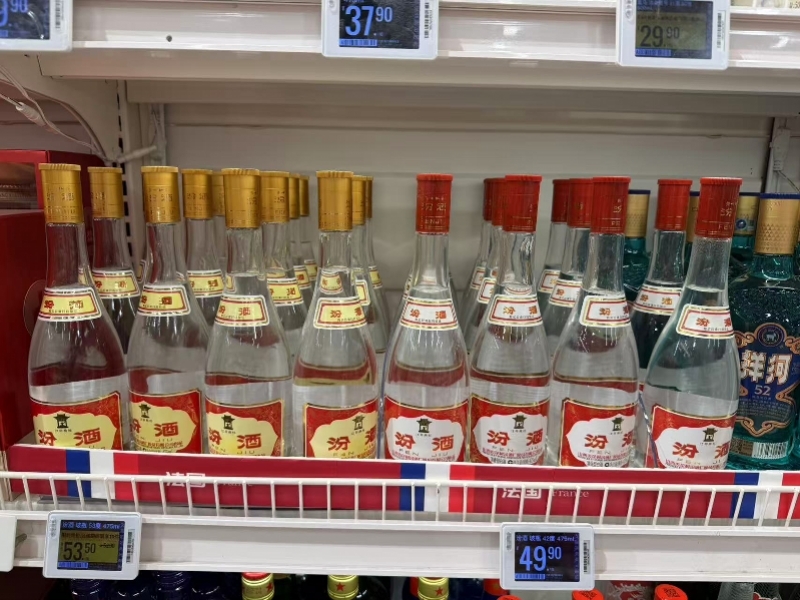
光瓶酒冷热分化:牛栏山等失意,玻汾“封神”?
Nan Fang Du Shi Bao· 2025-09-15 03:33
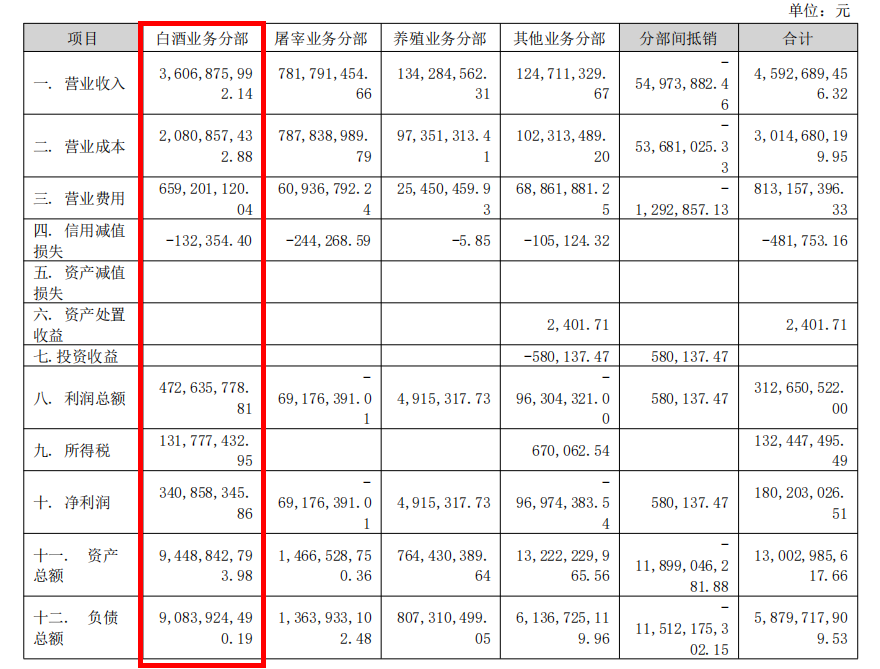
Core Viewpoint - The Chinese liquor market is experiencing a significant divide, with traditional brands like Niulanshan facing revenue declines and profit cuts, while products like Fenjiu's "Guofen" are in high demand, indicating a shift towards quality and value in consumer preferences [1][8]. Group 1: Market Trends - The light bottle liquor market is undergoing a "cold-hot differentiation," driven by industry reshuffling and consumption upgrades, where leading brands leverage quality and brand advantages to meet rational consumer demands [1][7]. - The transition from scale expansion to value competition in the liquor market is evident, with only companies that can ensure quality control, innovate in scenarios, and resonate with brands likely to succeed [1][8]. Group 2: Company Performance - Shunxin Agriculture reported a 19.24% decline in revenue to 4.593 billion yuan for the first half of 2025, with net profit dropping 59.09% to 173 million yuan, primarily due to reduced revenue from its liquor business [2][4]. - The liquor segment of Shunxin Agriculture saw revenue fall over 20% to 3.607 billion yuan, with net profit down more than 40% to 341 million yuan compared to the previous year [2][4]. Group 3: Consumer Preferences - Consumers are shifting from luxury packaging to a focus on quality and cost-effectiveness, particularly among younger demographics, as high-end liquor market growth stagnates [7][8]. - The popularity of Guofen and other light bottle liquors is attributed to their affordability and quality, with Guofen's sales expected to reach over 10 billion yuan by 2025 [5][6]. Group 4: Competitive Landscape - The competition in the light bottle liquor market is intensifying, with major liquor companies and retail giants entering the space, such as the collaboration between Hema and Chuanjiu Group to launch a series of light bottle liquors [9][8]. - New retail giants like Hema and PDD are partnering with liquor companies to accelerate their presence in the light bottle liquor market, reflecting a broader trend of market evolution and consumer behavior changes [9][8].

9月券商金股出炉,投资逻辑一览
Sou Hu Cai Jing· 2025-09-02 05:03
Core Viewpoint - The article highlights the selection of 240 stocks as "golden stocks" by brokerages, with a focus on those recommended by multiple firms, indicating strong investment interest in these companies [1] Group 1: Company Summaries - **Luoyang Molybdenum (603993.SH)**: A leading global producer of copper and cobalt, benefiting from rising prices and increased production, with a net profit growth of 55.49% in H1 2025 [2] - **Muyuan Foods (002714.SZ)**: A top player in pig farming with a significant cost advantage, experiencing a 952.92% increase in net profit in H1 2025 due to rising pig prices [3][4] - **AVIC Shenyang Aircraft (600760.SH)**: A core manufacturer of fighter jets, facing a decline in revenue and profit in H1 2025 but with strong future order potential [5] - **ZTE Corporation (000063.SZ)**: The fourth-largest global telecom equipment provider, seeing a 54.39% stock price increase driven by AI demand, despite a decline in net profit [6] - **Kingsoft Office (688111.SH)**: A leading office software provider with a strong user base, experiencing growth in subscription revenue but facing high valuation concerns [9] - **NewEase (300502.SZ)**: Specializes in optical modules with a significant market share, achieving a remarkable 340.13% stock price increase due to AI demand [10] - **Haiguang Information (688041.SH)**: Develops high-end processors, benefiting from AI demand and a strong order backlog, but facing high valuation risks [11] - **Luzhou Laojiao (000568.SZ)**: A leading producer of strong-flavor liquor, experiencing a 20.50% stock price increase despite a decline in revenue and profit [13] - **Shede Spirits (600702.SH)**: A liquor company with a diverse product range, seeing a 31.25% stock price increase amid expectations of consumption recovery [15] - **Zhaoyi Innovation (603986.SH)**: A semiconductor company benefiting from rising storage chip prices, with a 56.16% stock price increase and a forecasted profit growth of 41.52% [17] Group 2: Market Trends and Investment Logic - The overall market sentiment is positive for the selected stocks, driven by sector-specific demand and price increases, particularly in commodities and technology [1][2][3][4][5][6][10][11][13][15][17] - The companies are positioned well within their respective industries, with strong competitive advantages and growth potential, although some face high valuations and market risks [9][10][11][13][15][17]





