海狮07 EV

Search documents
比亚迪开年推第五品牌领汇,首发4款车型,剑指B端市场
Nan Fang Du Shi Bao· 2026-01-15 11:14
Group 1 - BYD has launched a new independent brand "Linghui" focused on the B-end market, targeting public transportation scenarios such as taxis and ride-hailing services [2][3] - The Linghui brand has introduced four new models, including three pure electric vehicles (Linghui e5, e7, e9) and one plug-in hybrid MPV (Linghui M9), all based on BYD's existing platforms [2] - The establishment of the Linghui brand aims to separate B-end and C-end markets, allowing the main brand to focus on high-end development without diluting its image due to public transport associations [3][4] Group 2 - In 2025, BYD sold 4.6024 million vehicles, maintaining its position as the global leader in new energy vehicle sales, although growth has slowed to 7.73% year-on-year [3] - The majority of sales came from the Dynasty and Ocean series, which accounted for 89.2% of total sales, while high-end brands contributed only 8.7% [3] - The independent operation of the B-end business through Linghui is expected to strengthen the sales foundation of the Dynasty and Ocean series, benefiting the development of high-end brands like Tengshi and Fangchengbao [4]


比亚迪再出手,中国车市又新增一个汽车品牌
新华网财经· 2026-01-12 00:59
Group 1 - The core viewpoint of the article is the introduction of BYD's new automotive brand, Linghui, which aims to cater to the B-end market and differentiate its offerings from C-end market products [1][3]. - Linghui brand includes four new vehicles, three of which are pure electric sedans (Linghui e5, e7, e9) and one plug-in hybrid MPV (Linghui M9), all derived from existing BYD models [1][3]. - The establishment of the Linghui brand is part of BYD's strategy to enhance its high-end positioning in the market, as evidenced by its sales figures, with a total of over 4.6 million units sold in 2025, marking a 7.73% year-on-year increase [3]. Group 2 - The competitive landscape in the domestic automotive market is intensifying, with over 100 brands present by 2025, prompting companies to focus on resource integration and cost reduction while accelerating their high-end strategies [3]. - Other automotive manufacturers, such as GAC Group with its Aion brand, are also distinguishing between B-end and C-end markets, indicating a broader trend in the industry towards specialized branding and market segmentation [3]. - According to CITIC Securities, one of the main trends in the automotive market for 2026 will be the acceleration of high-end positioning among domestic brands, which is expected to yield higher marginal profits for leading companies [4].
比亚迪再出手,中国车市又新增一个汽车品牌
第一财经· 2026-01-11 13:43
Group 1 - The core viewpoint of the article is the introduction of BYD's new automotive brand, Linghui, which aims to cater to the B-end market and differentiate its offerings from C-end products [5][6]. - Linghui brand includes four new models, three of which are pure electric sedans (Linghui e5, e7, e9) and one plug-in hybrid MPV (Linghui M9), all derived from existing BYD models [3][5]. - The establishment of the Linghui brand is part of BYD's strategy to enhance its high-end positioning in the market, as evidenced by its sales figures, with over 4.6 million units sold in 2025, a 7.73% year-on-year increase [5][6]. Group 2 - The competitive landscape in the domestic automotive market is intensifying, with over 100 brands present as of 2025, prompting companies to focus on resource integration and cost reduction while accelerating high-end product development [5][6]. - Other automotive manufacturers, such as GAC Group with its Aion brand, are also adopting strategies to separate B-end and C-end markets, indicating a broader trend in the industry [5][6]. - According to CITIC Securities, one of the main trends in the automotive market for 2026 is the acceleration of high-end positioning among domestic brands, which is expected to yield higher marginal profits for leading companies [6].

比亚迪新增领汇品牌,4款新车亮相工信部
Mei Ri Jing Ji Xin Wen· 2026-01-11 11:16
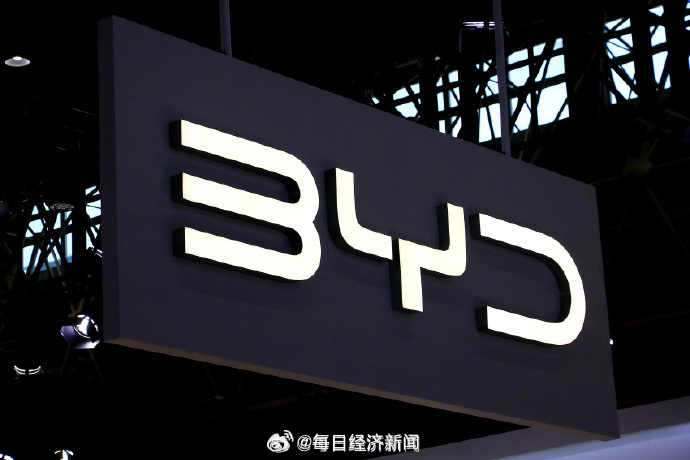
Core Viewpoint - BYD has launched a new automotive brand named "Linghui," aimed at the B2B market, with a focus on high-volume procurement needs [1] Group 1: Brand Launch and Product Details - The Ministry of Industry and Information Technology has announced the addition of BYD's new brand Linghui, which includes four new models: three pure electric sedans (Linghui e5, e7, e9) and one plug-in hybrid MPV (Linghui M9) [1] - The new Linghui brand vehicles feature a distinct logo, differentiating them from BYD's existing models, but are based on the iterations of BYD's existing models such as the Summer, Han DM-i, Qin PLUS EV, and Haiyan 07 EV [1] Group 2: Market Strategy - Linghui is designed to cater specifically to the B2B market, consolidating BYD's original e-series new energy vehicles aimed at corporate clients, and will operate with an independent channel system [1] - The establishment of the Linghui brand is part of BYD's strategy to differentiate between vehicles targeting B2B and those aimed at the consumer market (B2C), supporting the company's high-end market strategy [1]
比亚迪再出手,中国车市又新增一个汽车品牌;鸿蒙智行尚界Z7轿跑曝光丨汽车交通日报
创业邦· 2026-01-11 10:56
Group 1 - BYD has launched a new automotive brand called Linghui, which includes four new models: three pure electric sedans (Linghui e5, e7, e9) and one plug-in hybrid MPV (Linghui M9) [2] - The Linghui brand aims to cater to the B2B market for bulk purchases, differentiating it from BYD's consumer-oriented models, and is part of BYD's strategy to enhance its high-end offerings [2] - The new models are based on existing BYD platforms, including adaptations of the Dynasty and Ocean series vehicles [2] Group 2 - The Beijing-Tianjin-Hebei region is leading the nation in new energy vehicle production, with a projected total output of 2.85 million vehicles in 2024, marking an 11.8% year-on-year increase [3] - New energy vehicle production in the region is expected to reach 676,000 units, a significant 154% increase year-on-year, establishing the region as a national leader in this sector [3] - The automotive industry in the region is projected to generate over 840 billion yuan in output value, demonstrating strong growth and significant demonstration effects [3] Group 3 - The average retail price of passenger cars has risen from 151,000 yuan in 2019 to 183,000 yuan in 2023, with a slight expected decrease to 182,000 yuan in 2025 [4] - The average price of new energy vehicles is projected to decline from 184,000 yuan in 2023 to 161,000 yuan in 2025, indicating a structural change in consumer preferences [4] - The upcoming expiration of tax exemptions for new energy vehicles is expected to create pressure for modifications in certain short-range and high-energy consumption models [4]

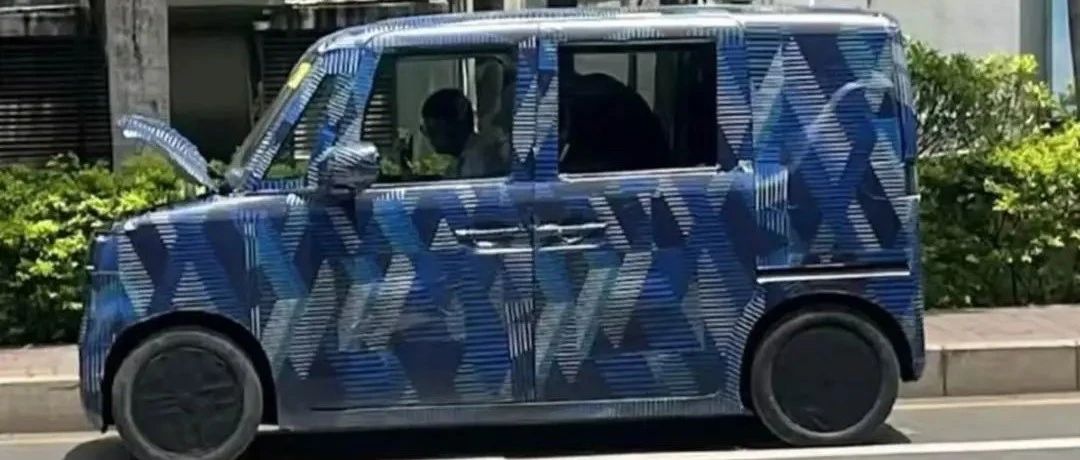
日本彻底慌了?比亚迪造K-Car!只卖12万?
电动车公社· 2025-06-04 16:00
Core Viewpoint - BYD has made significant strides in the Japanese electric vehicle (EV) market, recently announcing its entry into the pure electric K-Car segment, which is expected to reshape the market dynamics in Japan [1][11][13]. Group 1: BYD's Market Performance in Japan - BYD has opened 120 stores in major Japanese cities by the end of 2024, selling four pure electric models and surpassing Toyota in pure electric sales, ranking fourth overall [7][11]. - The company has implemented attractive policies such as "three years of free charging" and "lifetime battery warranty," which have received positive feedback from users [7][11]. Group 2: K-Car Market Overview - The K-Car market in Japan is substantial, accounting for 35-40% of total vehicle sales, with 1.745 million units sold in 2024 [29][30]. - K-Cars are defined by specific technical standards, including size limitations and engine capacity, making them compact and affordable options for consumers [16][18]. Group 3: Reasons for K-Car Popularity - K-Cars are favored due to their lower costs, including reduced taxes and insurance, and the absence of parking space requirements, which is crucial in densely populated urban areas [22][24][27]. - The Japanese government has historically supported K-Car development as part of its post-war industrial strategy, promoting smaller vehicles due to limited resources and space [18][19]. Group 4: Challenges for BYD in the K-Car Segment - Despite the potential, the K-Car market is still dominated by gasoline vehicles, with only about 4,000 pure electric K-Cars sold in 2024, indicating a significant challenge for BYD [31][33]. - The acceptance of electric vehicles in Japan is low, with pure electric passenger car sales declining by 33% in 2024, highlighting the uphill battle for BYD [33]. Group 5: Competitive Advantages of BYD's K-Car - BYD's K-Car is expected to feature a fast charging capability of 100kW, significantly higher than the 40kW offered by local competitors, allowing for quicker charging times [41][42]. - The vehicle will also include advanced features such as heat pump air conditioning for better energy efficiency and a smart operating system that supports local dialects [44][45]. Group 6: Future Outlook - Analysts predict that BYD's K-Car could rank among the top three in pure electric K-Car sales in Japan by 2026, potentially becoming a market leader [47]. - The success of the K-Car could enhance BYD's overall presence in the Japanese market, reflecting a broader trend of Chinese automotive brands gaining traction globally [48][49].
阿维塔发函斥不实言论,比亚迪进入罗马尼亚市场 | 汽车早参
Mei Ri Jing Ji Xin Wen· 2025-05-12 22:34
Group 1 - Avita Technology has taken legal action against a blogger for spreading false claims about the wind resistance coefficient of its model 12, emphasizing the importance of brand image and consumer trust [1] - NIO's subsidiary in Anhui has been publicly announced for tax arrears amounting to over 39,600 RMB, raising concerns about its compliance management and financial transparency [2] - Polestar is recalling 3,664 units of its Polestar 3 in the U.S. due to a safety issue with the rearview camera, which could negatively impact consumer trust and brand image [3] Group 2 - BYD has officially entered the Romanian market, introducing several electric vehicle models and planning to establish over 30 sales points by the end of 2025, showcasing its ongoing international expansion strategy [4]

比亚迪: 车王还是车王!但能否再继续狂奔?
海豚投研· 2025-04-26 11:18
比亚迪股份于北京时间 4 月 25 日晚,港股盘后发布了 2025 年第一季度业绩。要点如下: 1. 再次交出惊艳的汽车毛利率答卷,比亚迪强降本能力毋庸置疑: 在一季度卖车周期底部,比亚迪仍然实现了非常不错的卖车毛利率水平(一季度汽车毛利率 24%,超市场预期 22.3%)。 而从历史可比性的毛销差角度来看(会计调整将质保金从销售费用端拉到销售成本端,天然拉低毛利率),一季度毛销差达到了 16.4%,竟然做到了去年一季度大 超市场预期的毛利率水平,背后仍然体现的是强供应链溢价能力 + 高垂直整合能力 + 出海高毛利三重优势的释放。 2. 卖车收入端不及预期,但在清库存周期中海豚君认为问题不大: 一季度卖车收入端看似不及预期,但海豚君认为市场对比亚迪卖车收入单价预期过高,虽然一 季度由于出海放量,出海销量占比达到新高,对单价端有正向的拉动作用(可能也是市场预期本季度单价还在环比上行的核心原因),但其实海豚君了解到,比 亚迪一季度仍然在以清老款车库存为主,且降价幅度很大,而智驾版车型的实际上市时间较晚,所以这样的卖车单价是在海豚君意料之内的。 3. 单车净利端表现不错,略超预期中枢: 对于投资者同样关注的单车净利 ...