元UP

Search documents
整车东南亚专家交流
2026-03-24 01:27
Summary of Conference Call Records Industry Overview - The conference call discusses the electric vehicle (EV) market in Southeast Asia, focusing on countries such as Thailand, Indonesia, Malaysia, Singapore, Vietnam, and the Philippines. The overall target for ASEAN's terminal sales in 2026 is set at 180,000 units, representing a 30% increase from previous figures [1][13]. Key Insights and Arguments Market Dynamics - **Thailand** is identified as the core growth market, with monthly orders reaching 7,000-8,000 units. Indonesia and Malaysia follow, with monthly orders of approximately 3,000 and over 2,000 units, respectively [2][1]. - The geopolitical situation has led to a 20% increase in oil prices, resulting in a 20%-30% increase in foot traffic and intention orders at dealerships [1][2]. - The Thai government has introduced a second wave of subsidies (10,000-30,000 THB) that equalizes the price of electric vehicles (EVs) with Japanese fuel vehicles [1][3]. Pricing and Product Strategy - The average price of vehicles is expected to rise above 200,000 RMB by 2026, driven by a shift towards high-end models such as the Tengshi Z9 and Yangwang U7, while new small car models are being deprioritized [1][15]. - In Singapore, the price difference between gasoline and electricity is significant, with gasoline costing about 15 RMB per liter compared to electricity at 1.5 RMB per kWh, leading to a projected EV penetration rate of 30%-40% [4][5]. Regional Market Characteristics - **Vietnam** is shifting from protecting local brand VinFast to a more open market, with plans to export through KD factories and supercharging technology [1][9]. - **Australia** has seen BYD surpass Tesla with a market share of about one-third, driven by the introduction of pickup trucks and ongoing government subsidies [1][17]. - The **Indian market** is focused on commercial vehicles, particularly electric buses, with limited growth in private passenger vehicles due to infrastructure and subsidy challenges [1][16]. Competitive Landscape - In Vietnam, the company plans to leverage local partnerships and KD factories to navigate the competitive landscape dominated by VinFast [9][11]. - The Philippines faces high energy costs, with gasoline prices around 10 RMB per liter and electricity costs nearing 2 RMB per kWh, limiting the growth of EVs despite some recent tax incentives [12][13]. Additional Important Insights - The average selling price in the ASEAN market for 2025 is projected at 180,000 RMB, with expectations for an increase in 2026 due to a shift towards higher-value models [15][16]. - The company is focusing on standardizing channel management and enhancing local service capabilities to compete with established brands like Toyota [13][14]. - The potential for growth in the Indian market is significant, but challenges remain due to a lack of strong policy support and infrastructure [16][18]. Conclusion - The Southeast Asian EV market is poised for growth, driven by government subsidies, changing consumer preferences, and competitive pricing strategies. However, regional differences in oil and electricity prices, along with varying government policies, will significantly influence market dynamics and company strategies moving forward [1][19][20].

倒闭大甩卖,中国买爆全球汽车工厂
汽车商业评论· 2026-03-05 23:04
Core Viewpoint - The article discusses the significant restructuring and capacity reduction occurring within major international automotive manufacturers, contrasting this with the rapid expansion of Chinese automotive companies that are seizing opportunities from the global capacity crisis [4][16]. Group 1: Capacity Reductions by Major Automakers - Nissan plans to close 7 out of 17 global manufacturing plants, aiming to cut excess capacity by approximately 2.5 to 3 million vehicles by the fiscal year ending March 31, 2028 [6]. - Volkswagen Group announced plans to close at least 3 factories in Germany by the end of 2024, but later abandoned the complete closure strategy, seeking alternative uses for some facilities [7]. - Stellantis has announced the closure of its historic Vauxhall commercial vehicle plant in Luton, UK, and has temporarily shut down its Windsor assembly plant in Ontario, Canada, affecting 5,400 workers [11]. - General Motors has permanently ceased production of BrightDrop electric delivery vans at its Ingersoll CAMI plant and has reduced shifts at its Oshawa plant, impacting around 500 employees [11][14]. - Ford plans to close its Saarlouis plant in Germany by 2032, while Mercedes-Benz has already closed factories in Brazil, France, and Russia [15]. Group 2: Capacity Utilization Trends - In the U.S., automotive and parts capacity utilization rates have fluctuated between 60% and 70% in 2025, with light vehicle production slightly lower at around 65% [17]. - Canada’s automotive assembly volume is projected to drop from 2.3 million units in 2016 to 1.2 million by 2025, with the capacity utilization rate in the transportation equipment manufacturing sector declining by 6.4% [21]. - In Mexico, the automotive industry capacity utilization rate was 88.1% in July 2025, but historical data shows it previously peaked at 98.7% in 2023, indicating unutilized capacity [23]. - Europe faces a severe capacity underutilization issue, with an average utilization rate of only 55% in 2025, necessitating the closure of 8 factories to achieve sustainable capacity levels [25][26]. Group 3: Strategic Opportunities for Chinese Automakers - Chinese automakers are rapidly expanding their global market presence, with exports reaching 7.098 million vehicles in 2025, a 21.1% increase year-on-year, making them the world's largest exporter for three consecutive years [33]. - In Mexico, Chinese brands have grown from negligible presence in 2018 to nearly 20% market share, while in Europe, they captured 9.5% of the market by December 2025, surpassing Korean competitors [34]. - The article highlights that Chinese companies are strategically acquiring idle production assets from traditional automakers, turning the capacity crisis into an opportunity for localized growth [16][35]. Group 4: Localization Strategies of Chinese Automakers - Chinese automakers are employing various strategies such as acquisitions, joint ventures, contract manufacturing, and greenfield investments to establish localized production [42]. - Notable examples include Chery's acquisition of the Nissan plant in South Africa and plans to produce a new high-end brand in Germany, which would mark a significant entry into the German automotive sector [50]. - The article emphasizes that the localization rate of Chinese brands overseas is currently around 30%, significantly lower than the over 80% rate of their Western counterparts, indicating a need for accelerated localization efforts [39][40]. Group 5: Challenges and Adaptations in Global Markets - Chinese automakers face challenges in adapting to local regulations and market conditions, often opting for joint ventures to leverage local expertise and reduce operational risks [51][59]. - The article notes that the shift in perception towards Chinese automakers as partners rather than mere competitors is growing, with local governments increasingly supportive of their investments [72][74]. - The complexities of entering developed markets like the U.S. and Europe require Chinese companies to navigate stringent regulations and local labor laws, often leading to innovative strategies such as contract manufacturing to mitigate risks [60][63].


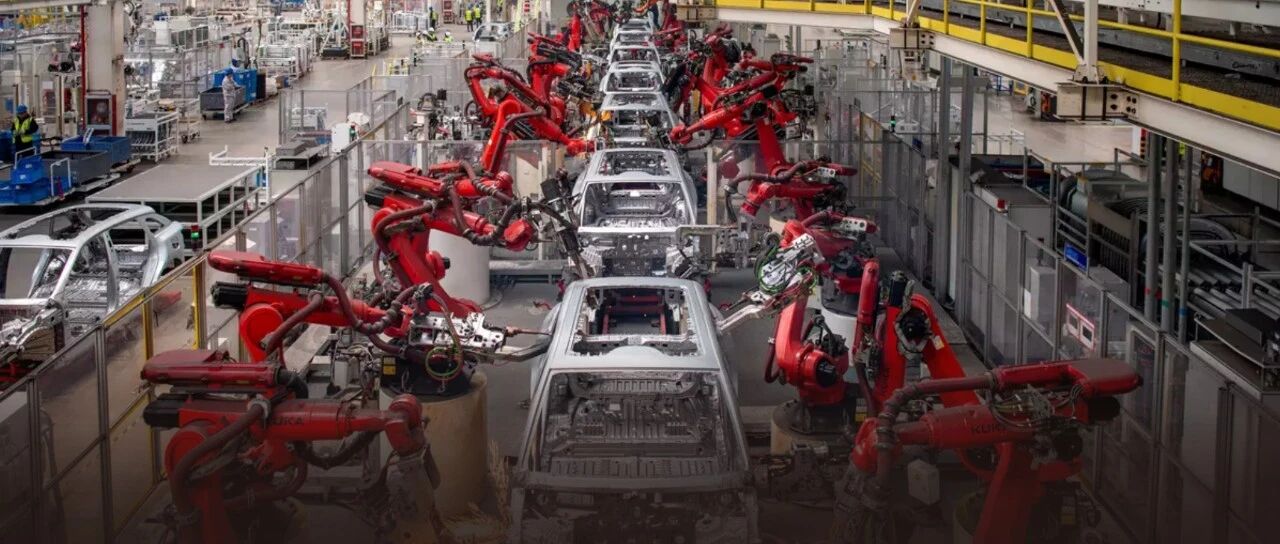
中国汽车给欧洲市场普及插混
3 6 Ke· 2026-02-25 03:26
Core Insights - The article discusses the significant shift in the automotive trade dynamics between Germany and China, highlighting the decline of German car exports to China and the rise of Chinese automotive brands in the European market [1][7][11]. Group 1: Trade Dynamics - German car exports to China are projected to drop below €14 billion by 2025, a decrease of nearly 50% from nearly €30 billion three years ago [3][7]. - In January, Chinese automotive brands saw an 80% year-on-year increase in sales in Europe, capturing a market share of 7.4%, nearly double from a year prior [3][9]. - The demand structure in the Chinese market is changing, with local brands rapidly improving their product offerings in the new energy vehicle sector, which is squeezing the market share of German automakers [7][9]. Group 2: Market Performance - BYD has become the best-selling Chinese automotive brand in Germany, with January sales reaching 2,069 units, a 1000% increase year-on-year [9][12]. - The overall European market saw a 3.6% decline, while Chinese brands' sales surged, indicating a significant competitive shift [9][10]. - The sales of plug-in hybrid vehicles (PHEVs) from Chinese brands accounted for 29% of their total sales in Europe in January, up from 11% the previous year [12][18]. Group 3: Strategic Responses - German automakers are adapting by enhancing local R&D capabilities and forming partnerships, such as Volkswagen's investment in XPeng and collaborations with Horizon Robotics [18][20]. - The decision-making cycle for German car manufacturers is longer, typically taking 3-5 years for new models, while Chinese companies can iterate in about 18 months, creating a competitive disadvantage for German firms [20][21]. - German Chancellor Merz's visit to China aims to negotiate for more time for the German automotive industry to adjust to these changes [21][23]. Group 4: Future Outlook - The interaction between the Chinese and European automotive industries is evolving from a one-way technology transfer to a two-way technology flow, which could foster mutual technological advancements [23]. - The competitive landscape is shifting, with both sides needing to adapt to the changing market dynamics and consumer preferences [6][23].

中国新能源出海新坐标:宋PLUS德国插混月度夺冠,比亚迪深化全球市场布局
Xin Lang Cai Jing· 2025-12-09 13:36
Core Insights - BYD SEAL U (Song PLUS) has become the best-selling plug-in hybrid model in Germany for November, marking a significant achievement for a Chinese automotive brand in a mainstream market [1][11] - This milestone indicates BYD's expanding presence and growth in the European automotive market [1][11] Sales Performance in Germany - From January to November, BYD's cumulative sales in Germany reached 19,197 units, representing a year-on-year increase of over 647.5% [6][16] - In November alone, sales surged to 4,026 units, reflecting a staggering year-on-year growth of over 834.1%, with market share rising to 1.6% [6][16] Sales Performance in Other European Markets - In the UK, BYD's cumulative sales from January to November totaled 43,740 units, up 488.5% year-on-year [7][17] - In Spain, cumulative sales reached 22,358 units, a year-on-year increase of 452.3%, with November sales at 2,934 units, up 267.7%, achieving a market share of 19.2% and surpassing Tesla [7][17] - In Italy, cumulative sales were 20,211 units, soaring 4,878.1% year-on-year, with November sales at 3,526 units and market share climbing to 2.8% [7][17] - In France, cumulative sales reached 10,982 units, a year-on-year increase of 202.7%, with November sales at 1,139 units, up 72.6% [8][18] Overall European Market Performance - BYD's total overseas sales of passenger cars and pickups exceeded 910,000 units from January to November 2025, with November alone seeing sales of 131,661 units, a year-on-year growth of 297% [8][18] - Cumulatively, BYD's global sales of new energy vehicles have surpassed 14.7 million units [8][18] Strategic Outlook - These achievements reflect BYD's commitment to technology and comprehensive market strategies, earning global trust [11][21] - Looking ahead, BYD aims to drive global electrification with green technology and deepen localized operations in various markets [11][21]

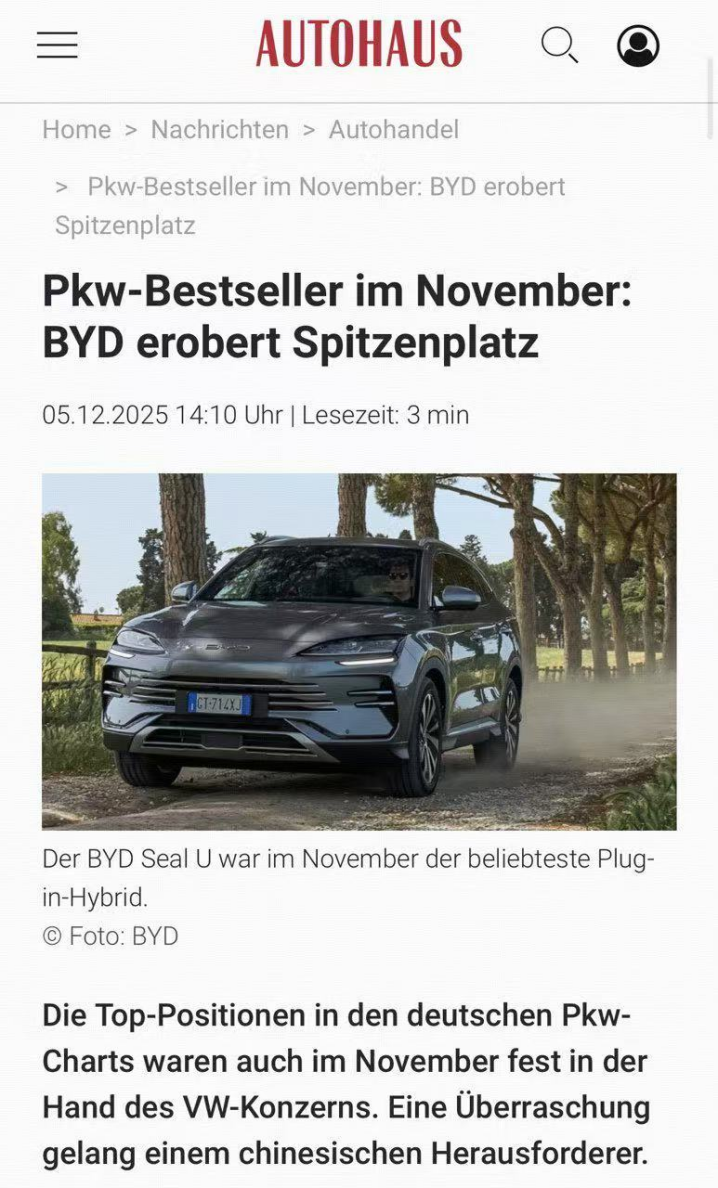
海豹06车主分享:元UP全损之后买了海豹,为爱冲锋2个月开了4300公里
车fans· 2025-11-26 00:30
Core Viewpoint - The article presents a detailed account of a car owner's experience with the 2025 Sea Lion 06 EV 545KM flagship model, highlighting the purchasing process, financial aspects, and user experience. Financial Summary - The original price of the vehicle was ¥129,800, with a total discount of ¥8,000, resulting in a final purchase price of ¥116,800 [4][3]. - The financing included a manufacturer interest-free loan of ¥65,100, with additional costs such as insurance (¥4,500) and registration fee (¥300) [5][3]. Purchase Decision Factors - The owner chose the Sea Lion 06 EV due to its appealing design, the availability of home charging, and the need for a vehicle to accommodate daily driving needs [6][8]. - Other considered models included the Xpeng M03, Model 3, and Xiaomi SU7, but were ultimately rejected for various reasons such as lack of features or personal preferences [8][10]. Purchase Experience - The owner conducted extensive price comparisons across different regions, finding the best deal in Chengdu, which offered significant discounts [11]. - Additional perks included free accessories and a video of the delivery ceremony, enhancing the overall purchase experience [13]. Vehicle Usage and Performance - The primary use of the vehicle is for transporting a partner, with a total of 4,300 kilometers driven in two months [14]. - The owner noted practical features such as ventilated seats for hot weather and the convenience of assisted driving [19]. Advantages and Disadvantages - Advantages include effective cooling features and ease of driving with assistance [19]. - Disadvantages mentioned were the lack of a hatchback design for transporting bicycles and the higher cost of 18-inch tires compared to lower trims [19][20].
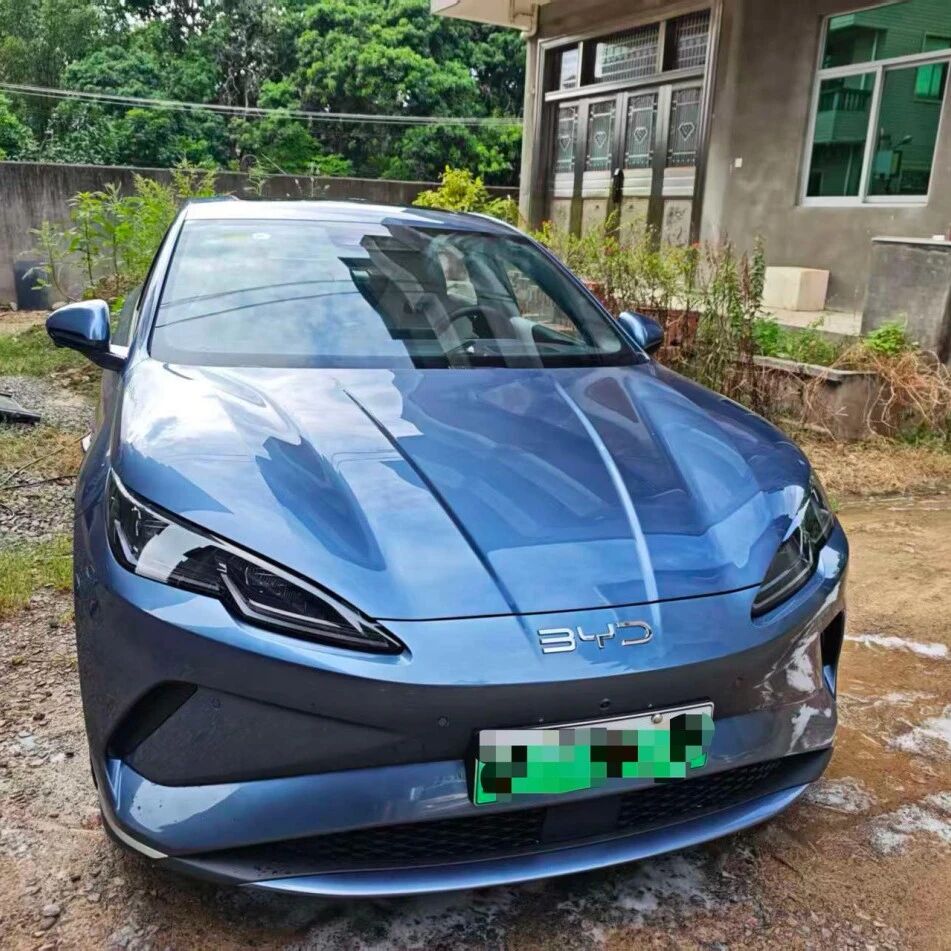
比亚迪潘亮:作为一家新能源企业,我们的ESG基因可能是天生的
Feng Huang Wang Cai Jing· 2025-11-22 09:41
Core Insights - The conference "万里同春·豫见未来" focused on new consumption, new manufacturing, and new supply chains, aiming to explore collaborative innovation in the industry and how capital markets can empower growth in the consumer sector [1] Group 1: Company Overview - BYD was established in 1994, initially focusing on rechargeable batteries, and entered the automotive sector in 2003, launching its first electric vehicle in 2008, significantly contributing to the energy transition in public transport and passenger vehicles [1] - BYD has upgraded its corporate social responsibility (CSR) system to an ESG (Environmental, Social, and Governance) framework, aligning with the stringent EU CSRD-ESRS standards [1] Group 2: ESG and Sustainability Efforts - BYD has developed a digital carbon emission management platform called "i迪碳链" to achieve its goal of carbon neutrality across the entire value chain by 2045, with recent success in generating a carbon footprint report for its popular model Yuan UP [2] - The company views ESG as a revenue or profit center rather than a cost center, emphasizing its inherent ESG characteristics and its commitment to global climate initiatives, such as the 2016 C40 summit call to action [2] - BYD's "three green dreams" include electric vehicles, energy storage, and solar energy, which align with the growing trends in foreign trade and aim to provide solutions for climate change through technological innovation [2]
比亚迪(002594):2025Q3业绩环比提升,仍有一定压力
CMS· 2025-11-03 04:34
Investment Rating - The report maintains a strong buy recommendation for BYD [5] Core Views - BYD adheres to the development philosophy of "technology as king, innovation as fundamental," aiming to lead independent innovation of Chinese brands and reshape the global market landscape [1] - The company is expanding its global footprint, with plans to establish a CKD assembly plant in Malaysia by 2026 and has officially entered the Argentine market [2] - Despite a significant rebound in Q3 2025 performance, there remains pressure on profitability [10] Financial Data and Valuation - Total revenue for 2023 is projected at 602.315 billion, with a year-on-year growth of 42%, and expected to reach 969.358 billion by 2027 [4][14] - Operating profit for 2023 is estimated at 38.103 billion, with a projected decline in 2025 to 43.564 billion [4][11] - The net profit attributable to shareholders is expected to be 30.041 billion in 2023, with a forecasted decrease to 34.698 billion in 2025 [11][14] - The company’s total market capitalization is approximately 918.9 billion, with a current stock price of 100.79 yuan [5] Performance Metrics - The sales gross margin for Q3 2025 is reported at 17.61%, with a net profit margin of 4.20% [9] - The company plans to enhance collaboration across the supply chain to optimize management and create a win-win situation with suppliers and distributors [10] - The projected PE ratios for 2025, 2026, and 2027 are 26.5, 25.2, and 23.6 respectively [11][15]
比亚迪常州基地“爆单”
Yang Zi Wan Bao Wang· 2025-10-31 10:08
Group 1 - The core viewpoint highlights that Changzhou High-tech Zone (Xinbei District) has achieved a total import and export volume of 111.62 billion yuan from January to August, representing a year-on-year growth of 27.4%, accounting for 45.6% of the city's total, indicating simultaneous growth in scale, speed, and market share [1] - BYD's new energy vehicles, particularly the "new three samples," have seen an export value of 29.42 billion yuan, a significant increase of 168.5%, becoming the main driver of growth [1] - The BYD Changzhou base has experienced a "double explosion" in production and sales from January to September, with cumulative production and sales exceeding 36 billion yuan, and the production of new energy vehicles reaching 298,400 units, a year-on-year increase of 57.1%, surpassing last year's total production [1] Group 2 - The Changzhou base's export volume and value have both exceeded 50%, doubling compared to the same period last year, with key models like Sea Lion, Sea Leopard, Sea Gull, and Yuan PLUS becoming bestsellers in overseas markets [1] - BYD's second-phase project in Changzhou is progressing rapidly, with a total planned investment of 10 billion yuan, aiming to produce 300,000 sets of core components such as smart powertrains and intelligent cockpits annually, enhancing the regional new energy vehicle industry chain [3] - The project is expected to strengthen the leading effect of BYD, injecting strong momentum into the high-quality development of the new energy industry in Changzhou High-tech Zone and the entire city [3]
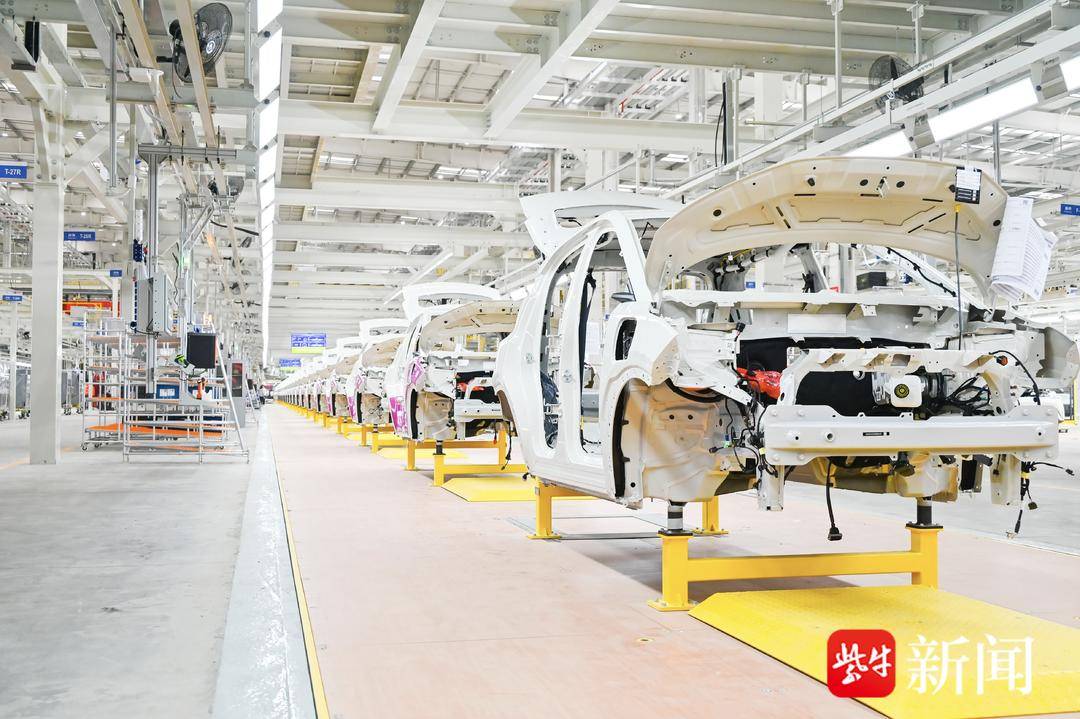
稳扎稳打 中国车企深耕新兴市场本地化
Zhong Guo Chan Ye Jing Ji Xin Xi Wang· 2025-10-11 00:49
Core Insights - BYD officially entered the Argentine market on August 27, launching exclusive pre-sales for models including Yuan UP, Song PRO DM-i, and Seagull, marking a significant step in the company's global expansion strategy [1] - In the first eight months of the year, China's electric vehicle exports reached 2.2782 million units, a year-on-year increase of 52.6%, accounting for 46.2% of total vehicle exports, with an export value of $41.551 billion, up 29.7% [1] Group 1: Market Expansion - BYD's entry into Argentina signifies its commitment to supporting the country's automotive industry's transition to electric vehicles and represents a milestone for local green and smart upgrades [2] - The company plans to introduce a series of energy-efficient, cutting-edge, and zero-emission models in Argentina while also developing charging infrastructure and forming strategic partnerships with local stakeholders [2] - In Africa, BYD has entered 17 countries and regions, focusing on localized sales and brand promotion to participate in the continent's green transition [2] Group 2: Strategic Partnerships - XPeng Motors has established a strategic partnership with Ebrahim K. Kanoo in Bahrain, marking its entry into the Middle Eastern market and expanding its global footprint [2] - The collaboration will leverage Ebrahim K. Kanoo's extensive experience and sales network to introduce models like XPeng G6, G9, and X9, catering to the demand for high-quality smart electric vehicles in Bahrain [2] Group 3: Challenges in Export - Despite the growth in exports, challenges remain, including the EU's anti-subsidy investigation into Chinese electric vehicles and Mexico's proposed tariff reforms, which could impose rates as high as 50% on vehicles and parts [3] - The Secretary-General of the China Chamber of Commerce for Import and Export of Machinery and Electronic Products noted that while export trade remains mainstream, leading companies are accelerating local production overseas and enhancing their understanding of international operations and brand building [3]
国庆车市情况
数说新能源· 2025-10-10 02:41
分组1 - BYD: Orders increased by over 30% month-on-month, with an expected 130,000 to 150,000 orders during the National Day holiday; sufficient inventory and multiple new models launched, returning to a cost-performance route with prices lower than expected, leading to positive order response [1] - AITO M7: Orders account for 50% of single-store sales, with over 60% year-on-year growth; expected to reach 30,000 orders during the 8-day holiday [1] - Li Auto: The Li L6 model saw strong orders, attracting users from competitors like YU7, Model Y, and others; approximately 15,000 new orders in the first five days before the holiday, with a total expected to reach nearly 70,000 by the weekend; orders recovered well after a price cut announced on October 2 [1] 分组2 - Zeekr: Zeekr X received over ten orders daily during the exhibition; pre-sale orders for Zeekr 9X exceeded 60,000, with a lock-in rate of 50-60%, and user budgets mostly above 500,000 [1] - Xpeng: Orders at single stores were less than 40 units in the first seven days of the holiday, with an expected total of 40,000 for the month [1] - Tesla, Xiaomi, and Leap Motor: Month-on-month performance remained stable, but year-on-year growth was significant [1] 分组3 - SAIC H5: Product strength is average, with high pricing, facing pressure to maintain a steady monthly sales of 10,000 units [1]