温泉服务

Search documents
歇脚地变体验馆 高速服务区打开乡村产业发展新窗口
Shang Hai Zheng Quan Bao· 2026-02-26 17:59
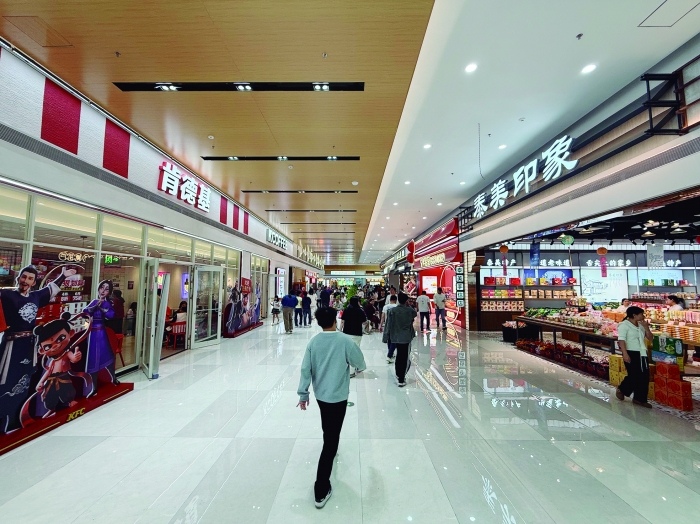
Core Insights - The article highlights the innovative integration of highway service areas with local agricultural industries, showcasing them as platforms for rural economic development and consumer engagement [2][4]. Group 1: Service Area Transformation - The Dragon Gate service area has transformed from a traditional rest stop into a vibrant space resembling a high-end shopping mall, featuring diverse dining options and a lively atmosphere [3]. - Local specialties, such as Hakka cuisine, are prominently featured, enhancing the service area's appeal and providing a unique dining experience for travelers [3][4]. - The service area has become a marketing platform for local agricultural products, effectively promoting regional flavors and supporting local farmers [4]. Group 2: Economic Impact - The "service area + agriculture" model leverages highway traffic to connect rural products with urban consumers, positioning service areas as critical points for agricultural sales [4]. - Guangdong Province has established numerous agricultural product stations and specialty stores within service areas, promoting nearly 5,000 types of local products across the highway network [4]. - The Dragon Gate service area has also created job opportunities for local residents, contributing to community development and retaining young talent in the area [5]. Group 3: Future Development Strategies - The article emphasizes the need for service areas to evolve from mere transit points to "third spaces" that foster community interaction and economic activity [6]. - Suggestions for enhancing the service area's value include creating unique consumer experiences and integrating local attractions and products into the service area offerings [6]. - The potential for digital systems to analyze consumer behavior and optimize service area operations is highlighted as a key factor for sustainable growth in the "road economy" [6].

内蒙古乌兰察布市集宁区:“暖经济”活力足
Jing Ji Ri Bao· 2026-02-14 02:54
Group 1 - The "warm economy" in Ulanqab City, Inner Mongolia, is thriving this winter, injecting vitality into the city as cold air arrives [1] - The Jining International Fur City has seen a continuous increase in foot traffic, with daily visitor numbers exceeding 10,000 during holidays, driven by both online and offline promotional activities [1] - The average daily foot traffic at Yongliang Hot Spring Water World is approximately 300 visitors, with many tourists from Mongolia enjoying the warmer winter climate compared to Ulaanbaatar [1] Group 2 - The cultural and tourism industry in Ulanqab City is experiencing robust growth, with a steady increase in visitor numbers who enjoy local attractions and cuisine [2] - The ongoing New Year Goods Festival in Jining District is providing a platform for local residents to purchase various specialty products, enhancing the festive atmosphere [2] - The Jining District Commerce Bureau is focusing on creating diverse consumption scenarios to enhance the winter experience for residents and tourists, aiming to optimize the consumption environment and enrich supply [2]
“暖经济”活力足
Xin Lang Cai Jing· 2026-02-13 22:47
Group 1 - The "warm economy" in Ulanqab City, Inner Mongolia, is thriving this winter, injecting vitality into the city as cold air arrives [1] - The International Fur City in Jining District has seen a continuous increase in foot traffic, with daily visitor numbers exceeding 10,000 during holidays [1] - The management of the International Fur City is leveraging both online and offline strategies, including "cloud shopping" and promotional activities, to enhance consumer experience and sales [1] Group 2 - The tourism industry in Ulanqab City is experiencing steady growth, with visitors enjoying local attractions and cuisine, particularly during winter [2] - The "Ice Boiled Lamb" dish has become a popular choice among tourists, contributing to the local culinary appeal [2] - The Jining District Commerce Bureau is focusing on enhancing consumer experiences and diversifying consumption scenarios to create a vibrant winter atmosphere for residents and visitors [2]
来辽宁泡温泉 花样多到你想不到
Xin Lang Cai Jing· 2026-01-03 22:19
Core Insights - The article highlights the growing popularity and diversity of the bathing and hot spring industry in Northeast China, particularly in Shenyang and Dalian, as a response to winter tourism and consumer demand for unique experiences [3][4][5]. Group 1: Industry Overview - The bathing industry in Shenyang has over 1,300 operating entities, with 52 enterprises exceeding 5,000 square meters, showcasing a significant scale and variety in services [4]. - The "bathing+" model integrates various sectors such as dining, accommodation, wellness, entertainment, and business, catering to a wide range of consumer demographics from children to business professionals [4][6]. Group 2: Consumer Experience - Shenyang's bathing culture is characterized by family-friendly facilities and services, making it a popular destination for leisure and relaxation, with visitors expressing a desire to return for more experiences [4][5]. - Dalian offers a unique winter experience with its hot springs, allowing visitors to enjoy the contrast of warm baths while viewing the sea, enhancing the appeal of winter tourism [5][6]. Group 3: Health and Wellness - The Tanggangzi hot spring in Anshan is noted for its therapeutic mud treatments, which are popular among visitors seeking relief from chronic conditions, indicating a trend towards health-focused tourism [7][8]. - The hot spring water in Tanggangzi is described as medical-grade, with an average temperature of 72°C, highlighting its therapeutic benefits [8].
共赴一场落日温泉之约
Shen Zhen Shang Bao· 2025-12-28 16:27
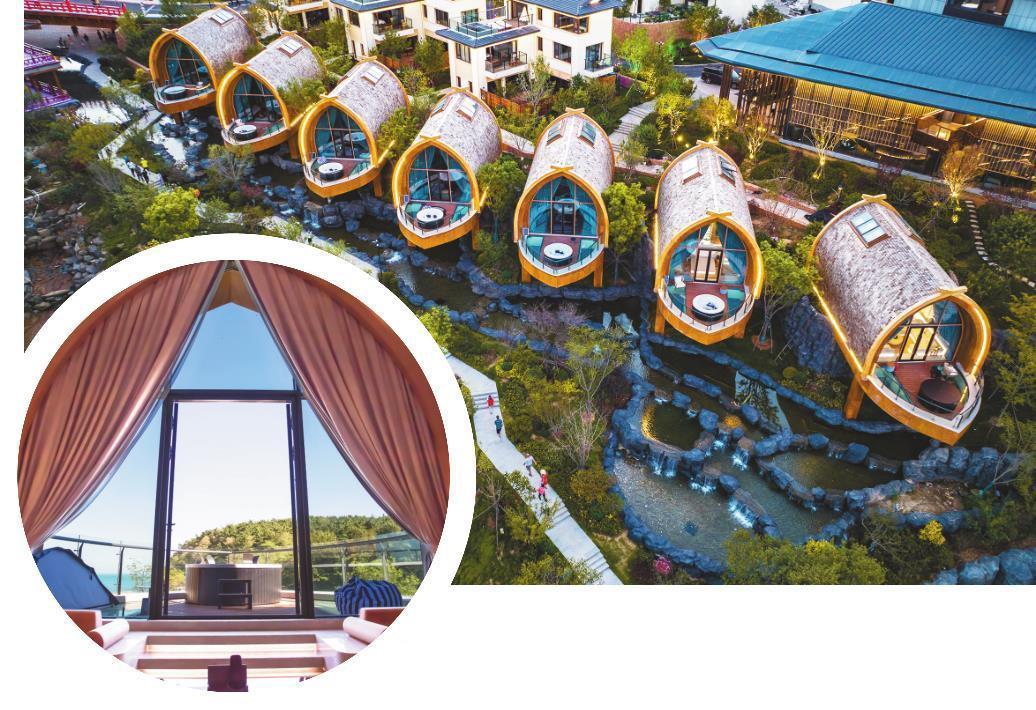
Core Insights - Guangdong's first hot spring-themed highway service area, Longmen Service Area, opened on December 28, offering a unique blend of transportation, hot springs, culture, and convenience for travelers [1] Group 1: Service Area Features - Longmen Service Area is located in Longmen County, known as "China's Hot Spring Town" and "Natural Oxygen Bar," leveraging its abundant geothermal resources [1] - The service area features a four-tiered layout that integrates regional characteristics such as "Yuyue Longmen" and "Hot Spring Town," transforming traditional rest stops into multifunctional spaces for wellness, culture, and consumption [1] - The service area includes natural hot spring water rich in trace elements like silicic acid and fluorine, with private soaking pools and outdoor scenic soaking pools available [1] Group 2: Future Plans - The hot spring services are currently in a trial operation phase, with plans to optimize and enhance service models based on customer needs [1] - Guangdong Transportation Group aims to develop 32 pairs of characteristic service areas and 95 pairs of agricultural support service areas from 2024 to 2027, along with micro-renovations of all service areas [2]
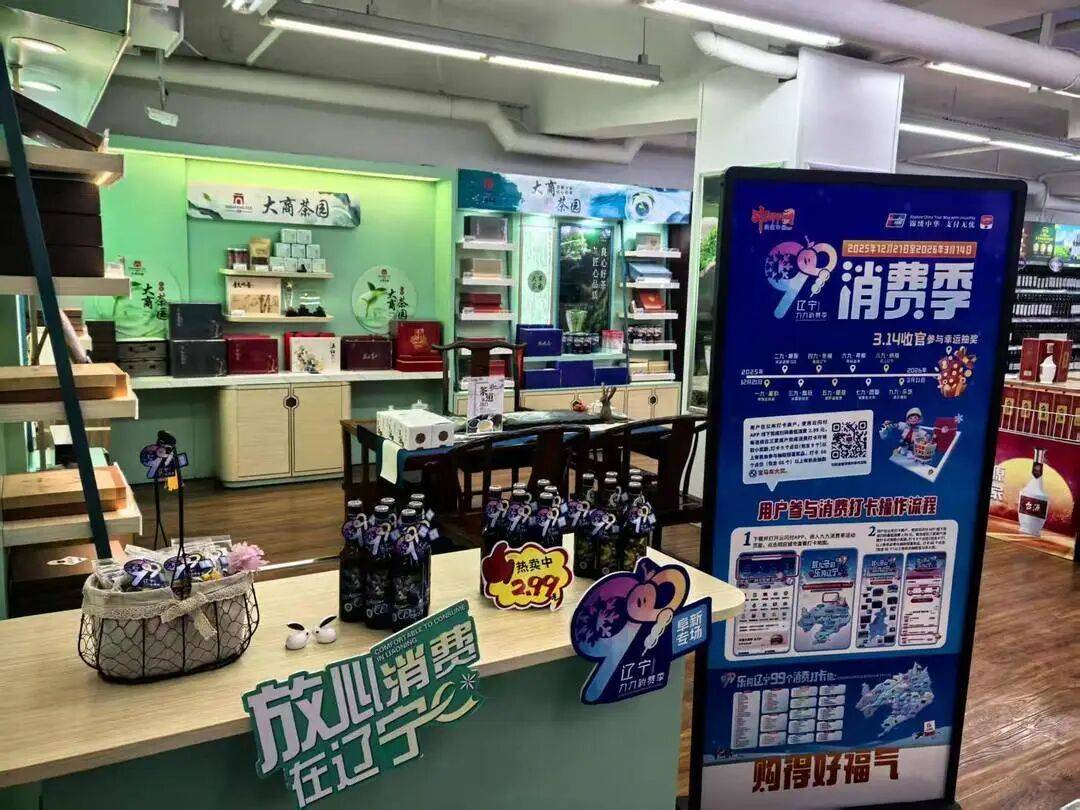
九九消费季,一起乐购阜新!|数九冬韵 乐购辽宁
Sou Hu Cai Jing· 2025-12-21 15:50
Core Viewpoint - The "Ninety-Nine Consumption Season" in Fuxin aims to create a warm and culturally rich winter shopping experience for residents and tourists, integrating local culture, winter activities, and digital consumption [1][3]. Group 1: Event Overview - The "Ninety-Nine Consumption Season" is structured from "One Nine" to "Nine Nine," with a unique theme every nine days, blending regional culture, ice and snow entertainment, hot spring wellness, folk festivals, and digital consumption [3]. - Each phase of the event features distinct themes, such as exploring agate culture, enjoying hot springs, engaging in winter sports, savoring winter cuisine, and preparing for the upcoming spring [3]. Group 2: Recommended Activities - Four provincial consumption points are highlighted: the Fuxin Agate Cultural Museum for art appreciation and DIY experiences, the Fuxin Baodi Hot Spring for a unique thermal experience, the Huangjiagou Ski Resort for winter sports, and the Dashang Fuxin New Mart for shopping [5]. Group 3: Consumer Incentives - To enhance the event's impact and benefit the public, Fuxin will launch a series of consumer-friendly measures during the New Year and Spring Festival, including the distribution of consumption vouchers and a "trade-in" policy for household goods [7].