玛莎拉蒂Grecale格雷嘉

Search documents
价格打“骨折”,曾“高攀不起”的进口豪车,找中国车企“求带”
Mei Ri Jing Ji Xin Wen· 2025-12-19 12:44
Core Viewpoint - The imported luxury car market in China is experiencing significant price reductions and declining sales, with domestic brands gaining market share and competitiveness [1][5][7]. Group 1: Price Reductions - Maserati's Grecale model, once priced around 900,000 yuan, is now available for as low as 358,800 yuan, reflecting a discount of over 60% [1][2]. - Aston Martin's DBX model has seen its price drop from 2,448,000 yuan to between 1,600,000 and 1,700,000 yuan, equating to a discount of approximately 35% [3]. - Porsche's 718 model is being offered at a significant discount, with prices as low as 50,000 yuan after adjustments [4]. Group 2: Market Trends - The imported car market in China has seen a decline from 1.43 million units in 2014 to 400,000 units in 2025, marking a 30% year-on-year decrease [5][6]. - Maserati's sales in China have plummeted from 14,400 units in 2017 to just 1,228 units in 2024, a drop of over 70% [5]. - The overall luxury car market is under pressure, with domestic brands capturing 68.5% of the passenger car market share in the first half of 2025, up 6.6 percentage points year-on-year [7][8]. Group 3: Competitive Landscape - Domestic high-end brands are increasingly competitive, offering better technology and features at similar price points, which is impacting the sales of imported luxury vehicles [7][8]. - The shift in consumer preferences towards domestic brands is evident, as they provide more intelligent and higher-configured products compared to traditional imported luxury cars [8][9]. - Foreign luxury brands are adapting by integrating into local supply chains and developing models specifically for the Chinese market, such as BMW and Mercedes-Benz's new production plans [10][11].
进口豪车干不过中国车了,价格打“骨折”!30多万元买玛莎拉蒂,六五折买阿斯顿·马丁!曾“高攀不起”的进口豪车,找中国车企“求带”
Mei Ri Jing Ji Xin Wen· 2025-12-19 10:47
Group 1 - The luxury car market in China is experiencing significant price reductions, with brands like Maserati and Aston Martin offering substantial discounts on their models [1][3][5] - Maserati's Grecale electric SUV has seen its price drop from nearly 900,000 yuan to as low as 358,800 yuan, representing a discount of over 60% [1] - Aston Martin's DBX model is now priced between 1.6 million to 1.7 million yuan, down from a guide price of 2.448 million yuan, effectively a 35% discount [5] Group 2 - The overall import car market in China has been declining, with a reported 30% drop in imported vehicles from January to October 2025, marking the largest year-on-year decline in recent years [8][10] - Maserati's sales in China have plummeted over 70% from its peak in 2017, with only 1,228 units sold in 2024 [9] - The luxury car segment is facing increased competition from domestic brands, which have gained significant market share, particularly in the high-end segment [12][15] Group 3 - The market share of high-end vehicles priced over 300,000 yuan has decreased from 15% in 2017 to 13% in 2025, indicating a shift in consumer preferences [12] - Domestic brands are increasingly preferred due to their cost advantages and rapid improvements in product quality, impacting the sales of imported luxury vehicles [15][19] - Foreign luxury brands are now focusing on adapting to the Chinese market by enhancing their product offerings and integrating into local supply chains [17][19]

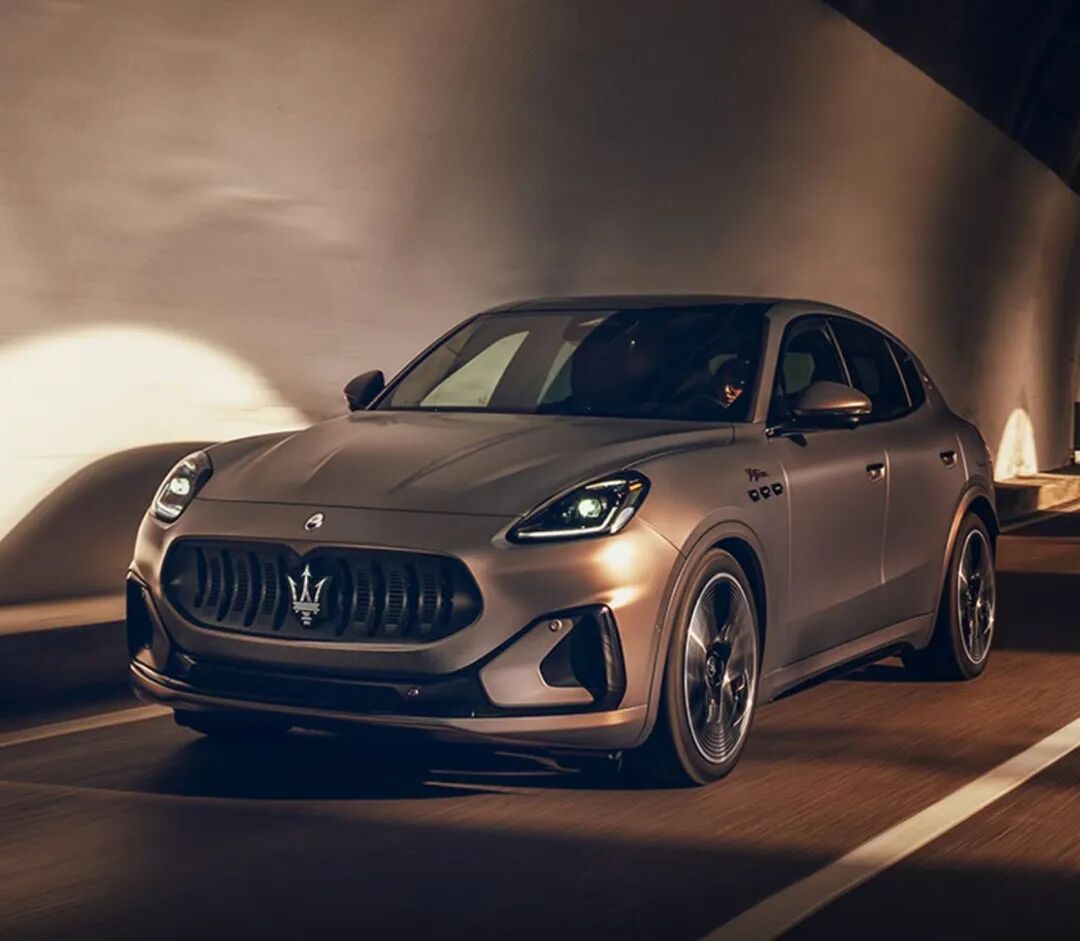
30多万的玛莎拉蒂被一抢而空,销售:不建议买
盐财经· 2025-12-16 10:54
Core Viewpoint - Maserati, the Italian luxury car brand, is experiencing significant price reductions on its Grecale model, leading to increased sales and inventory clearance efforts [2][3]. Group 1: Price Reductions and Sales Performance - Maserati has implemented multiple rounds of price cuts on the Grecale model, with discounts making the price drop from an official range of 650,800 to 1,038,800 yuan to as low as 388,800 yuan, representing a reduction of over 260,000 yuan, or approximately 60% off [2]. - The electric version of the Grecale has seen even steeper discounts, with a price drop from 898,800 yuan to 358,800 yuan, a reduction of 540,000 yuan, or about 40% off [2]. - A dealer in Beijing confirmed that the low-spec version of the Grecale has sold out nationwide, indicating strong demand following the price cuts [3]. Group 2: Inventory and Production Challenges - Reports indicate that Maserati has only produced a limited batch of the electric Grecale, and there are concerns about future production due to unsold inventory and potential maintenance issues for customers [3]. - The delay in the arrival of these imported vehicles, caused by the pandemic, has compounded the urgency for Maserati to clear its inventory, leading to the current aggressive pricing strategy [3]. Group 3: Market Trends and Competitive Landscape - Maserati's sales in China have been declining, with a peak of 14,400 units in 2017, dropping to just 1,228 units in 2024, a decline of 71% [3]. - The overall luxury car market in China is facing challenges, with significant declines in import volumes for other luxury brands such as Bentley and Rolls-Royce, indicating a broader trend affecting the segment [4]. - Maserati has been rumored to be for sale, but the parent company Stellantis has denied these claims, indicating a focus on restructuring and revitalizing the brand in the Chinese market [4].
玛莎拉蒂为何沦落到被7次贱卖?
Hu Xiu· 2025-07-15 06:42
Core Viewpoint - Maserati, once a prestigious Italian sports car brand, is currently facing significant challenges and potential sale due to declining sales and financial instability [3][46][80]. Group 1: Historical Context - Maserati was founded in 1914 by the Maserati family, initially focusing on modified cars and racing [12][14]. - The brand gained fame with the Tipo 26 winning the Targa Florio in 1926, but faced financial crises leading to multiple ownership changes [15][16][30]. - After World War II, Maserati returned to racing success but struggled financially, leading to a shift towards consumer vehicles in the 1960s [19][21]. - The brand was sold to Citroën in the 1960s, which ultimately failed to revitalize it, leading to further ownership changes [24][26][29]. - In 1993, Maserati became part of Fiat, which later transferred control to Ferrari, helping to revive the brand with models like the 3200 GT and MC12 [31][36][40]. Group 2: Current Market Position - Maserati entered the Chinese market in 2004, initially achieving decent sales but later struggling as the luxury car market evolved [48][61]. - The brand peaked in China in 2017 with sales of 14,498 units, but has since seen a dramatic decline, with only 1,228 units sold in 2024, a 71% drop year-on-year [61][68]. - The brand's image has been tarnished by associations with micro-business sales tactics, leading to a loss of exclusivity and prestige [63][66]. Group 3: Strategic Challenges - Maserati's frequent changes in ownership have hindered the development of a consistent brand identity and strategy [72][75]. - The brand is currently seen as struggling to define its unique selling proposition, lacking a clear identity compared to competitors like Ferrari and Lotus [76][78]. - Stellantis, Maserati's current parent company, is facing its own financial difficulties, leading to suggestions that selling Maserati may be a viable option [79][80]. Group 4: Future Outlook - The future of Maserati may hinge on a potential acquisition by a Chinese company, which could seek to leverage the brand's heritage or technology [86]. - The brand's revival may require a significant overhaul to appeal to a younger demographic and adapt to the changing luxury market [85][88].