
环保餐具

Search documents
从小城竹林到全球市场:中国“以竹代塑”助推绿色产业发展
Xin Hua Wang· 2026-02-26 08:15
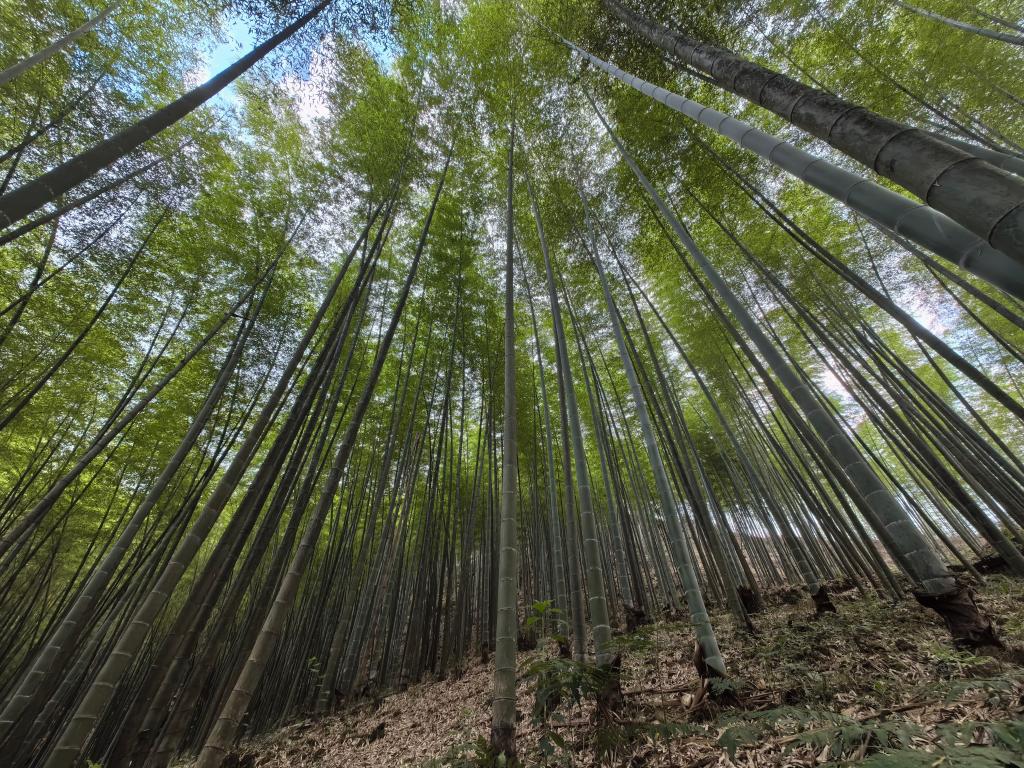
Core Viewpoint - The article highlights China's initiative to promote bamboo as a sustainable alternative to plastic, emphasizing its potential to drive green industry development and reduce plastic pollution [2][4]. Group 1: Bamboo Industry Development - Guizhou's Chishui City, known as the "Hometown of Bamboo," has a bamboo forest area of 1.328 million acres and has cultivated over 200 bamboo-related enterprises, producing more than 100 types of products [2][4]. - The bamboo industry in Chishui is projected to exceed a comprehensive output value of 10 billion yuan by 2025, benefiting 165,000 bamboo farmers [2][4]. - China's bamboo resources are the richest in the world, with nearly 8 million hectares of bamboo forests and an annual bamboo production of 150 million tons [7]. Group 2: Technological Innovation and Market Expansion - Technological innovation is a core driver for the "Bamboo Replacing Plastic" initiative, with companies developing biodegradable bamboo fiber packaging and other products [4][5]. - The overseas market shows higher than expected acceptance of bamboo-based products, with companies producing nearly 500 million bamboo fiber utensils annually, primarily exporting to Europe, America, and the Middle East [4][7]. - The implementation of the three-year action plan for "Bamboo Replacing Plastic" has led to significant growth in the bamboo industry, with over 10,000 bamboo processing enterprises and more than 29 million jobs created in the sector [7]. Group 3: Environmental Benefits - Bamboo grows quickly, has strong carbon sequestration capabilities, and is biodegradable, making it an excellent alternative to plastic [4][5]. - Bamboo forests can sequester carbon at a rate 1.33 times higher than tropical mountain rainforests, highlighting its environmental advantages [4]. - The initiative not only addresses plastic pollution but also serves as a vital tool for rural industrial revitalization and employment growth [7].

一根甘蔗怎么“榨”,才能让工人尝到更多“甜头”?
Xin Lang Cai Jing· 2026-01-29 19:50
Core Insights - The traditional sugar industry in Guangxi Laibin is undergoing a transformation towards high-end, intelligent, and green development, leading to the creation of new job roles and skill enhancement for workers [1][2][5] Industry Transformation - The sugar industry, previously labor-intensive, is shifting to a model where a single sugarcane is fully utilized, enhancing worker skills and income [1][2] - The introduction of smart control systems has replaced traditional labor-intensive methods, allowing workers to monitor and manage production processes from control rooms [2][3] Workforce Development - Laibin has established a training mechanism for workers, transitioning them from traditional roles to skilled positions, resulting in increased job security and income [5][6] - The city has seen the emergence of new job roles such as environmental material development engineers and automated process technicians, driven by the need for skilled labor in the upgraded industry [6][7] Economic Impact - The development of a circular economy in Laibin includes over 30 product categories, enhancing the overall economic structure and providing diverse employment opportunities [4][6] - The high-end refined sugar produced in Laibin has a value addition of over 40% compared to regular sugar, necessitating specialized talent for process optimization and product development [6][7] Technological Integration - The integration of artificial intelligence and manufacturing is reshaping job roles, with workers now required to possess technical skills to operate and maintain automated systems [2][3] - The shift towards smart agriculture and service roles is creating demand for new positions such as agricultural data analysts and drone operators, reflecting the industry's modernization [6][7]
广农糖业“十四五”成绩单,够甜
Zhong Guo Jin Rong Xin Xi Wang· 2026-01-22 12:39
Core Viewpoint - The company is focusing on enhancing sugarcane cultivation and sugar production through innovation, efficiency improvements, and a comprehensive upgrade of the entire supply chain. Group 1: Sugarcane Cultivation - The planting area has reached 1.5256 million acres, showing significant growth over the past decade [10] - High-sugar variety coverage exceeds 95%, indicating a shift towards more productive crops [13] - New technologies are being widely applied, including drone pest control over 360,000 acres, deep plowing on 650,000 acres, and integrated drip irrigation on 170,000 acres [14] Group 2: Mechanization and Production Efficiency - The mechanization rate has improved, with 100% of land being plowed mechanically, 25% of planting done by machines, and a mechanical maintenance rate of over 68% [18] - The average sugar content has increased to 15.2%, reflecting better quality production [17] - The sugar production rate remains stable at over 12%, with significant reductions in coal consumption per ton of sugar produced [24] Group 3: Technological Advancements - The company has invested 500 million yuan over five years to promote automation in sugar production, leading to significant improvements in production efficiency and effectiveness [20] - The implementation of an AI-driven scheduling system ensures timely processing of sugarcane, maintaining freshness and balance [22] Group 4: Environmental and Economic Contributions - The company has achieved a 100% utilization rate of by-products like bagasse and molasses, processing 370,000 tons of bagasse annually [31] - It has produced 16,000 tons of environmentally friendly tableware, contributing to green manufacturing [33] - Over five years, the company has paid 960 million yuan in taxes, providing substantial support to local economies [40] - Cumulative payments to sugarcane farmers have reached 10.6 billion yuan, enhancing farmers' income [42]


百亿“甜蜜产业链”的突围之路
Guang Xi Ri Bao· 2025-12-25 02:57
Core Insights - The article highlights the transformation of the sugar industry in Laibin, Guangxi, focusing on technological innovation and circular economy practices to enhance productivity and sustainability [7][14][16] Group 1: Industry Transformation - Laibin contributes to 10% of China's sugar production despite challenging terrain, emphasizing a shift from traditional resource-dependent practices to a technology-intensive, high-value, and green industry model [7][16] - The total industrial chain output value is expected to exceed 16 billion yuan in the 2024/2025 season, with over 7 billion yuan generated from the utilization of by-products [7][12] Group 2: Technological Advancements - The introduction of smart agricultural practices, such as the use of Beidou navigation systems in harvesting, has significantly increased sugarcane yields from 5-6 tons to 7-8 tons per acre [9][10] - Investments of 2 billion yuan in smart upgrades at sugar factories have improved sugar recovery rates by 2.9%, resulting in an additional production of over 2,800 tons of sugar per season [11][15] Group 3: Circular Economy Practices - Laibin has established the largest straw-based biodegradable tableware production base in China, achieving a 100% utilization rate of sugarcane by-products, with an annual capacity of 220,000 tons and a value exceeding 3 billion yuan [13][12] - The comprehensive utilization of by-products, including molasses and filter mud, has created new revenue streams and enhanced the resilience of sugar enterprises against market fluctuations [12][13] Group 4: Economic and Social Impact - The sugar industry in Laibin supports approximately 520,000 agricultural workers, with an average income of 9,650 yuan per farmer in the 2024/2025 season, contributing to rural revitalization [14][16] - The implementation of "order agriculture + price linkage" mechanisms ensures stable income for farmers while allowing them to benefit from rising sugar prices [14]
四中全会精神在基层丨广西:八桂大地的“甜蜜画卷”
Yang Guang Wang· 2025-12-22 02:24
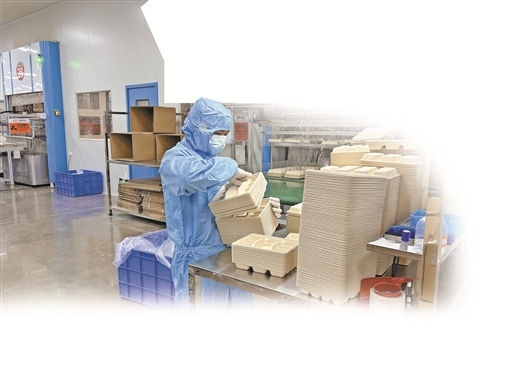
Group 1 - The core viewpoint of the articles emphasizes the transformation and upgrading of the sugar industry in Guangxi towards high-end, green, and intelligent development, aiming to build a complete sugar industry circular economy chain [1][3] - Guangxi is the largest sugarcane planting base and sugar production area in China, with continuous leadership in sugarcane planting area and sugar production for 34 consecutive seasons [3] - The implementation of an agricultural machinery information management platform allows farmers to efficiently connect with machinery services, enhancing productivity and reducing operational concerns [1][2] Group 2 - The sugar factory in Laibin has achieved over 70% automation in its production processes, resulting in a cost reduction of 600 yuan per ton of sugar compared to the previous season, totaling over 70 million yuan in savings for the entire season [2] - The comprehensive utilization of sugarcane by-products is advancing, with a company converting sugarcane residue into high-performance carbon-based energy storage materials, significantly increasing the economic value of the by-products to 300,000 yuan per ton [2] - The Guangxi Development and Reform Commission aims to strengthen and optimize the entire sugar industry chain, promoting farmers' income and ensuring national sugar supply stability [3]
从“榨糖”到“超级电容” 揭秘广西甘蔗的甜蜜产业链
Yang Shi Xin Wen Ke Hu Duan· 2025-12-03 05:38
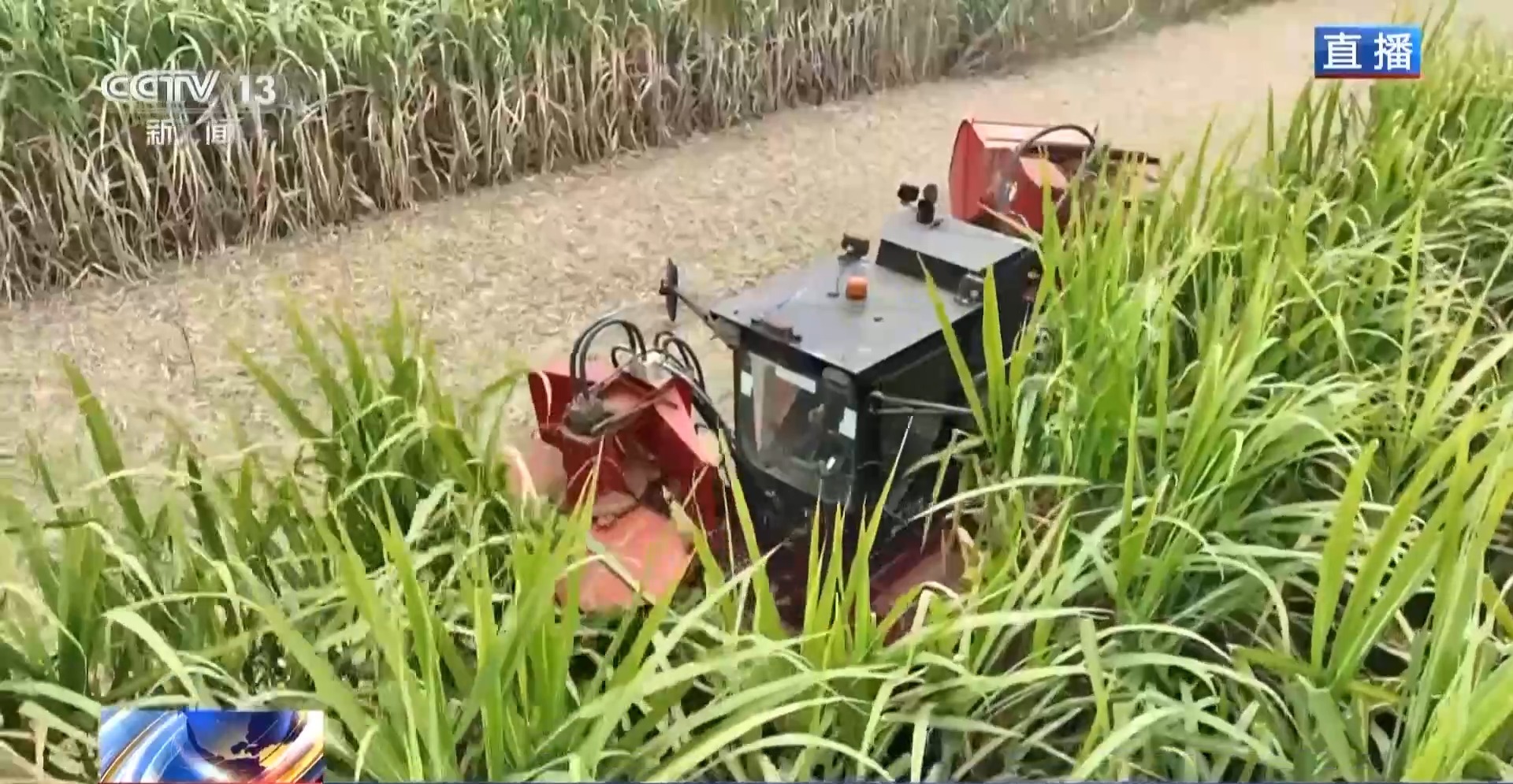
Core Viewpoint - The article highlights the advancements in sugarcane production in Guangxi, focusing on mechanization, high-yield varieties, and the integration of technology in the industry, which collectively enhance efficiency and productivity in sugar production. Group 1: Mechanization and Efficiency - The use of mechanical harvesting significantly reduces costs and increases efficiency, with a mechanical harvester able to harvest one ton of sugarcane in about 5 minutes at a cost of approximately 100 yuan, compared to 180 yuan for manual harvesting [3][5] - Guangxi's Laibin city has achieved a comprehensive mechanization rate of 73.74% for sugarcane harvesting, the highest in the region, with expectations for further improvement in the upcoming season [3] Group 2: High-Yield Varieties - Laibin has implemented a strong focus on high-yield and high-sugar varieties, achieving over 95% coverage of such varieties, which include species like Liucheng 05136 and Yutong 00236, known for their resilience and adaptability [7][24] Group 3: Digital Transformation - The introduction of the "Didi Agricultural Machinery" platform allows farmers to connect with machinery and labor needs through a WeChat mini-program, enhancing efficiency and reducing reliance on personal networks [5] - A digital transformation service platform for the sugar industry has been established, enabling real-time monitoring and standardization of production processes across multiple sugar factories [10] Group 4: Value Chain Diversification - The sugarcane industry in Guangxi is evolving from traditional sugar production to a diversified model that includes the production of various products such as paper, biodegradable tableware, and energy storage materials, significantly increasing the economic value of sugarcane by-products [20][24] - The industry has developed over 30 functional sugar products and established the largest rock sugar production base in the country, with the by-product utilization of sugarcane bagasse reaching a comprehensive value of over 5 billion yuan [24]
广西推动打造具有国际先进水平的蔗糖制造业基地
Zhong Guo Xin Wen Wang· 2025-10-14 14:12
Core Viewpoint - Guangxi is focusing on advancing its sugar industry towards high-end, intelligent, and green development, aiming for an industrial output value of 81 billion RMB by 2027, establishing an internationally advanced sugar manufacturing base [1][2] Group 1: Industry Development Strategy - Guangxi will create a new industrial development pattern characterized by "two cores, one pole, and two zones," with Chongzuo and Laibin as the core areas for modern sugar manufacturing [1] - Nanning will serve as the innovation leading area, while Liuzhou and Guigang will act as supporting areas for modern sugar manufacturing [1] Group 2: Product and Technology Focus - The focus will be on deep processing of sugar, transitioning products towards high-value areas such as functional sugars, nutritional sugars, and pharmaceutical sugars [1] - New product lines like L-arabinose and arabinoxylan will be introduced, and the industry chain will extend to beverages and snacks [1] - There will be an emphasis on the recycling and comprehensive utilization of by-products like bagasse and molasses, developing high-value products such as eco-friendly tableware and dietary fiber [1] Group 3: Technological Advancement - Guangxi will support enterprises in overcoming "bottleneck" technologies in deep processing and sugar-based bio-manufacturing, accelerating the industrialization of research outcomes [1] - Digital transformation will empower traditional industries, with plans to promote digital pilot projects in the sugar industry and support the establishment of smart factories [1] - The exploration of "AI + sugar industry" applications will enhance the intelligence level across the entire chain from planting to quality inspection [1] Group 4: International Collaboration - Guangxi will guide enterprises to "go global" by participating in overseas sugarcane planting and production [2] - The region will utilize platforms like the China-ASEAN Sugar Industry Expo to deepen exchanges and cooperation, encouraging partnerships with top international sugar companies and research institutions [2]
王建民:用科技的力量让秸秆变废为宝
Zhong Guo Qing Nian Bao· 2025-05-29 04:50
Core Viewpoint - Wang Jianmin's entrepreneurial journey focuses on addressing the issue of straw burning, transforming agricultural waste into valuable resources through innovation and technology [1][2]. Group 1: Company Development - Wang Jianmin founded Shandong Zhiwo Machinery Equipment Co., Ltd., which has evolved into a diversified high-tech enterprise specializing in straw storage, fiber extraction, and the production of eco-friendly tableware [1]. - The company has developed a straw storage network covering an 800-kilometer radius, benefiting over 4,000 farmers and creating more than 2,000 jobs [2]. - The eco-friendly tableware produced by the company is made from renewable materials such as wheat, reed, and straw, which can fully decompose in 45 to 90 days under natural conditions [1]. Group 2: Technological Innovation - Over 16 years, the team has overcome multiple technical challenges in straw fiber extraction and molding processes, resulting in 41 authorized patents and over 10 industry papers [2]. - The dry-wet pressure hot-melt technology developed by the company has won multiple scientific and technological awards, filling a domestic technical gap in the pulp molding industry [2]. Group 3: Economic and Social Impact - The company's straw storage efforts generate over 30 million yuan in direct economic income for farmers annually, achieving a win-win situation for ecological and economic benefits [2]. - Wang Jianmin's initiatives have led to the creation of a five-year action plan aimed at promoting the industrialization of straw utilization across 30 counties, with a goal of creating 10,000 jobs [3].