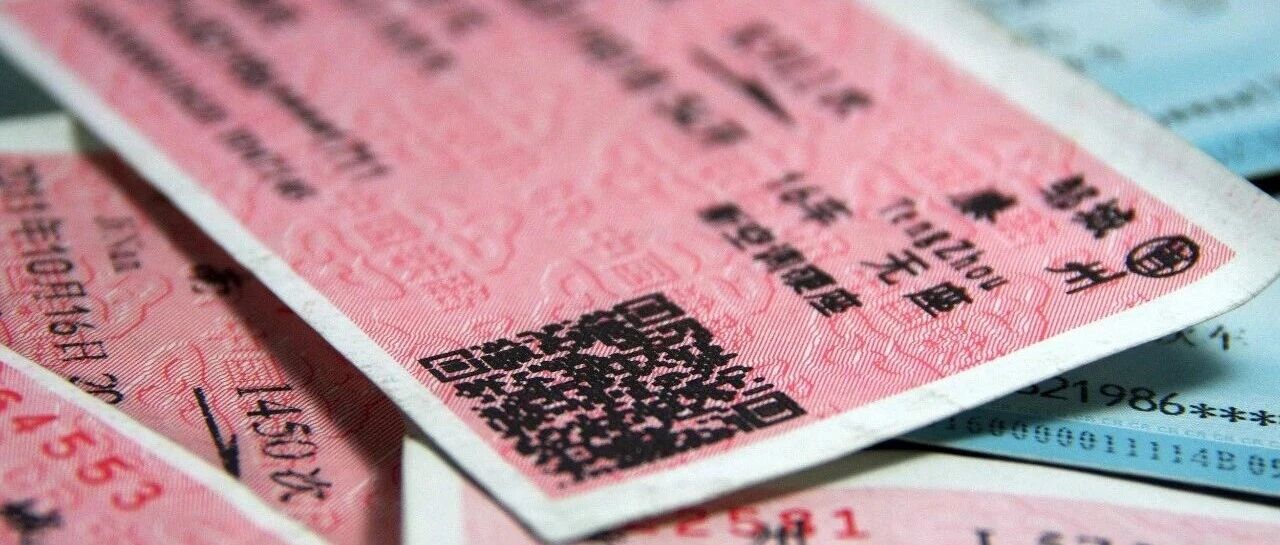
电子客票

Search documents
(新春走基层)从纸质车票到电子客票 铁路劳模34载见证中国铁路“速度”
Xin Lang Cai Jing· 2026-02-16 05:41
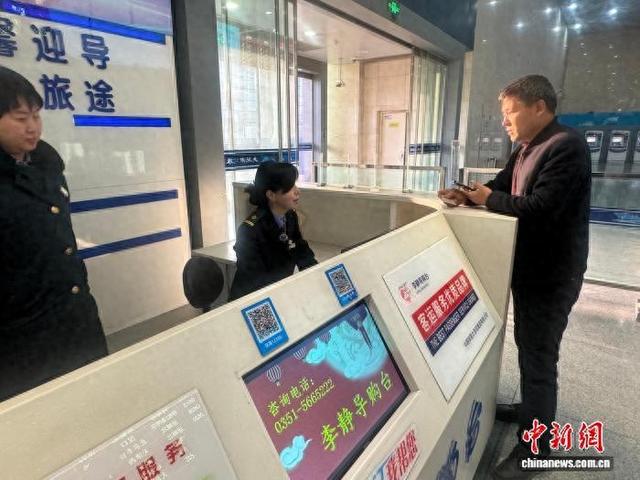
Core Insights - The article highlights the evolution of China's railway ticketing system from paper tickets to electronic tickets, showcasing the advancements in technology and service over the past 34 years [1][2][4]. Group 1: Historical Context - The railway industry has undergone significant changes since the introduction of electronic ticketing, marking a transition from traditional paper tickets to digital solutions [2][4]. - The launch of the 12306 online ticketing system in 2011 marked the beginning of a new era in railway ticket purchasing, allowing for greater convenience for travelers [2]. Group 2: Personal Experience - A railway employee, Li Jing, reflects on her 34-year career, expressing a mix of nostalgia and pride in witnessing the transformation of the railway service [2][4]. - Li Jing's last paper ticket was a symbolic moment, representing the end of an era in ticketing and the advancement of technology in the railway sector [4]. Group 3: Service Evolution - The role of railway staff has evolved from ticket sales to providing comprehensive travel assistance, emphasizing customer service and support [2][6]. - Li Jing has trained younger employees to prioritize customer service, ensuring that the core mission of serving travelers remains unchanged despite technological advancements [6]. Group 4: Impact on Travelers - The shift to electronic ticketing has streamlined the travel process, allowing passengers to pass through gates more efficiently, which reflects the overall progress of the railway system [4]. - The railway service has received positive feedback from travelers, with Li Jing's team assisting nearly 10 million passengers and receiving thousands of commendations [4].

21社论丨95亿人次流动彰显中国经济人气与活力
21世纪经济报道· 2026-02-11 00:55
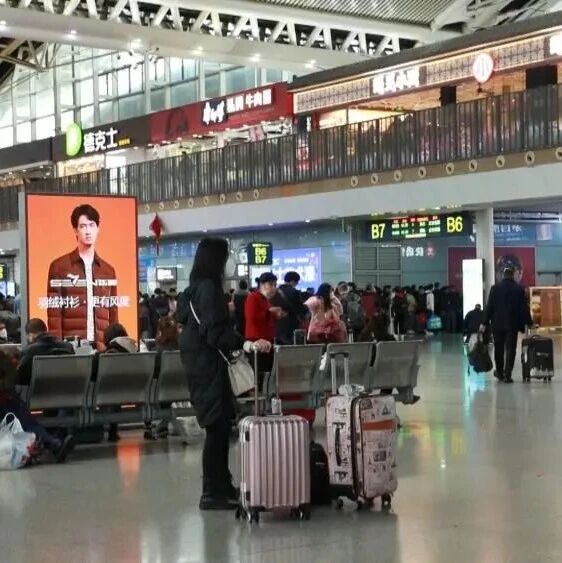
Group 1 - The core viewpoint of the article highlights the unprecedented scale of the Spring Festival travel rush in 2026, with an expected 9.5 billion trips, reflecting the robust vitality and confidence in China's economy [1][3] - The travel patterns during the Spring Festival are shifting from a one-way flow primarily for labor return to a two-way interaction that includes family visits, tourism, and leisure activities, indicating a diversification in travel purposes [1][2] - The Spring Festival is not only a massive population migration but also a significant consumption event across various sectors such as transportation, accommodation, and retail, with initiatives like the "New Spring Shopping" campaign aimed at boosting offline retail [2][3] Group 2 - The infrastructure supporting the Spring Festival travel has seen significant advancements, with China boasting the world's largest high-speed rail and highway networks, enabling efficient and comfortable travel experiences [3][4] - Technological innovations, including big data and AI-driven scheduling systems, have improved transportation efficiency by over 40% compared to a decade ago, enhancing the overall travel experience for passengers [3][5] - Various service upgrades have been implemented to meet the increasingly diverse travel needs, such as pet transportation services on high-speed trains and optimized processes for carrying sports equipment, contributing to a more convenient travel experience [4][5]
21社论丨95亿人次流动彰显中国经济人气与活力
2 1 Shi Ji Jing Ji Bao Dao· 2026-02-10 23:15
Core Insights - The 2026 Spring Festival travel season is expected to see a record 9.5 billion trips, reflecting strong consumer confidence and economic vitality in China [1] - The travel patterns are shifting from a focus on labor migration to include family visits, tourism, and leisure activities, indicating a diversification in travel purposes [1] - The Spring Festival is not only a massive population movement but also a significant consumption event across various sectors, including transportation, accommodation, and retail [2] Group 1: Travel Volume and Economic Impact - The Spring Festival travel volume is projected to reach 9.5 billion trips, equivalent to over one movement per person for the global population, with an average of 235 million trips daily [3] - The travel season is supported by China's extensive transportation infrastructure, including the world's largest high-speed rail and highway networks, enhancing the efficiency and comfort of travel [3] - The 9-day holiday period during the Spring Festival is expected to significantly expand the consumer market, injecting new momentum into economic growth [2] Group 2: Changing Travel Patterns - There is a notable increase in reverse travel, with more elderly individuals visiting their children in urban areas, reflecting changing family dynamics [1] - Family-oriented self-driving trips and tourism during the holiday season are becoming increasingly popular, showcasing a shift in consumer behavior [1] - The demand for diverse travel experiences, such as intercity travel and winter sports tourism, is driving growth in new economic sectors [2] Group 3: Technological Advancements and Service Upgrades - The integration of big data and AI in transportation systems has improved overall efficiency by over 40% compared to a decade ago, enhancing the travel experience [3] - The widespread adoption of electronic tickets and facial recognition technology has significantly increased the efficiency of passenger flow, eliminating long queues [3] - Transportation departments are implementing various service upgrades, such as pet transport services and optimized luggage handling for winter sports equipment, to meet evolving consumer needs [4]
95亿人次流动彰显中国经济人气与活力
2 1 Shi Ji Jing Ji Bao Dao· 2026-02-10 22:46
Group 1 - The 2026 Spring Festival travel season is expected to see a record 9.5 billion trips, reflecting strong consumer confidence and economic vitality in China [1][2] - The shift in travel patterns indicates a move from traditional one-way trips for work to multi-purpose travel for family visits, tourism, and leisure, highlighting changing consumer behavior [1][2] - The Spring Festival holiday, lasting 9 days, is anticipated to significantly boost consumption across various sectors, including transportation, accommodation, and retail [2][3] Group 2 - The scale of 9.5 billion trips during the Spring Festival equates to over one movement per person globally, showcasing the efficiency and safety of China's transportation system [3] - China's extensive infrastructure, including the largest high-speed rail and highway networks, supports the massive flow of people, demonstrating advancements in public transport capabilities [3][4] - Technological innovations, such as big data and AI-driven scheduling systems, have improved transportation efficiency by over 40% compared to a decade ago, enhancing the overall travel experience [3][4] Group 3 - Various service upgrades have been implemented to meet the diverse and quality-oriented travel demands during the Spring Festival, including pet transport services and optimized luggage handling for winter sports equipment [4] - Smart services, such as intelligent navigation for electric vehicle charging, are being introduced to alleviate concerns and enhance the travel experience during the busy season [4]
从“走得了”到“走得好” 铁路服务升级折射中国温度
Zhong Guo Jing Ji Wang· 2026-01-06 03:17
Core Insights - The railway sector in China achieved remarkable milestones in 2025, with passenger volume reaching 4.255 billion and a single-day peak of over 23 million, both setting historical records [1] - The transformation of the railway service is evident, shifting from merely meeting basic travel needs to providing a quality travel experience [1] Group 1: Service Improvements - The railway service is evolving towards a more refined and differentiated approach, with 2,485 tourist trains operated throughout the year, marking a 33.6% increase year-on-year [2] - Initiatives such as electronic tickets, convenient transfers at stations, and internet meal ordering have turned "smart travel" from a concept into a daily experience [2] - The railway department offers ticket discounts for children, students, and disabled military personnel, along with loyalty incentives for frequent travelers aged 60 and above, reflecting a strong sense of humanistic care [2] Group 2: Infrastructure and Development - China has established the most modern railway network globally, with the "eight vertical and eight horizontal" high-speed rail framework becoming increasingly complete [3] - The enhancement of service quality is as crucial as hardware development, as the transition from a "transportation power" to a "transportation strong nation" requires not only a denser network and faster speeds but also superior service and warmth [3] - The railway sector's product innovation and service optimization aim to ensure that the benefits of rapid development are shared by all citizens, embodying the principle of "development for the people" [3] Group 3: Future Outlook - As public demand for travel quality continues to rise, there remains significant potential for innovation in railway services [3] - The expectation is for Chinese railways to maintain their speed advantage while continuously improving service details in terms of convenience, comfort, and personalization [3] - The goal is to support high-quality economic and social development while enhancing the quality of life for the people [3]
青海累计新改建普通省道和农村公路4000公里
Ren Min Wang· 2025-12-03 13:44
Core Insights - Qinghai Province has made significant progress in improving transportation infrastructure, focusing on both major routes and rural connectivity, thereby addressing the transportation challenges faced by farmers and herders [1][2] Group 1: Infrastructure Development - Qinghai has cumulatively renovated and constructed 4,000 kilometers of provincial and rural roads, and built 500 convenience bridges, effectively alleviating transportation difficulties for rural residents [1] - The province has completed the post-earthquake recovery and reconstruction of transportation infrastructure in the Jishi Mountain area, and the Yanguan Highway has been fully connected [1] - In the past two years, 8,628 kilometers of rural roads have been newly constructed or renovated, allowing 197 natural villages to transition from muddy roads to paved ones [1] Group 2: Service Quality Enhancement - Qinghai has launched 29 "school special lines" and 8 "commuter special lines" for public transport, and has opened a total of 50 customized passenger transport routes, achieving full coverage of all types of passenger transport lines [2] - The province has implemented electronic ticketing across all secondary and higher-level passenger stations and customized routes, with the online car-hailing compliance rate ranking among the highest in the country [2] - The province has introduced differentiated tolls on 8 highways, including the G6 Beijing-Tibet Expressway, resulting in a total toll exemption of 140 million yuan for 3.9 million vehicles [2]
纸质火车票将正式退出历史舞台?12306回应
财联社· 2025-09-01 08:31
Core Viewpoint - The transition from paper train tickets to fully digital electronic invoices in China's railway passenger sector is set to take place, with a phased approach starting from November 1, 2024, and complete cessation of paper invoices by September 30, 2025 [4]. Group 1 - The topic of paper train tickets officially exiting history has gained significant attention, with concerns raised about how individuals without smartphones will access travel information [1]. - Many users have shared their cherished paper train tickets, reflecting on the nostalgia associated with them as the railway department announces the complete discontinuation of paper reimbursement vouchers after September 30 [3]. - The railway department will implement a "paper and electronic" reimbursement model during the transition period before fully adopting electronic invoices [4]. Group 2 - A customer service representative clarified that the cessation of paper tickets refers specifically to reimbursement vouchers, not the tickets themselves, as the railway has already been promoting paperless electronic tickets [5]. - For travelers without smartphones, paper journey notifications can still be printed at ticket counters, and train information will also be sent via SMS to the purchaser's registered mobile number [6].