
旅游列车

Search documents
春节假期全国铁路累计发送旅客1.21亿人次 同比增长11.5%
Xin Hua Cai Jing· 2026-02-24 03:20
Core Insights - The Chinese National Railway Group reported significant increases in passenger and freight transport during the Spring Festival holiday, with a total of 121 million passengers and 85.38 million tons of goods transported, marking growth of 11.5% and 0.5% respectively compared to the previous year [1][2]. Group 1: Passenger Transport - The railway system experienced a robust increase in passenger volume, with 121 million passengers transported from February 15 to February 23, averaging 13.41 million passengers per day, which is an 11.5% increase from the previous Spring Festival [1]. - On February 23, a record 18.73 million passengers were transported in a single day, highlighting the peak travel demand during the holiday [1]. - The railway operated an average of 12,380 passenger trains daily, with over 1,000 night high-speed trains added to meet demand on major routes [1]. Group 2: Tourism and Economic Impact - The integration of rail travel with tourism effectively boosted holiday tourism and service consumption, with special tourist trains launched in collaboration with local cultural and tourism departments [2]. - These initiatives helped enhance the supply of holiday tourism products, contributing to the growth of the tourism economy, ice and snow economy, and senior citizen economy [2]. Group 3: Freight Transport and Logistics - The railway system efficiently managed freight transport, sending 85.38 million tons of goods during the holiday, with an average of 157,000 cars loaded daily, reflecting a 0.5% increase from the previous year [2]. - Key freight corridors were utilized to ensure the transportation of essential goods, including food and agricultural supplies, maintaining high coal levels for power plants [2]. - International logistics remained stable, with the China-Europe Railway Express and new western land-sea corridor services continuing operations during the holiday, ensuring the stability of international supply chains [2].
深耕中国丨邮轮、房车……服务消费新增长点方兴未艾
Yang Shi Xin Wen Ke Hu Duan· 2026-02-09 01:53
Core Viewpoint - The Chinese government is introducing measures to cultivate new growth points in service consumption, which are expected to create opportunities for foreign investment in the country [1] Group 1: Transportation Services - The introduction of more comfortable travel trains is part of the government's initiative to enhance service consumption [1] - The focus on improving the quality of cruise experiences aligns with the broader strategy to boost tourism and related services [1] Group 2: Home Services - The government is promoting more professional home services as a key area for growth in service consumption [1] - These initiatives are designed to attract foreign investment by enhancing the overall service quality in China [1]


中老铁路开通至今发送旅客超6600万人次
Zhong Guo Xin Wen Wang· 2026-02-04 14:10
Core Insights - The China-Laos Railway has transported over 66 million passengers since its opening on December 3, 2021, until February 3, 2026, attracting travelers from over 120 countries and regions [1] Group 1: Passenger Traffic - The railway has maintained a daily passenger volume of over 60,000, with more than 70 trains operating daily during the winter-spring tourism peak [1] - A total of 90,000 passenger trains have been operated since the railway's opening, with 53.95 million passengers from the Chinese section and 12.17 million from the Laotian section [1] Group 2: Tourism and Connectivity - The railway has enhanced cross-border travel, education, and business opportunities for citizens of China and Laos, highlighting its role as a significant transportation corridor [1] - Various types of tourist trains have been introduced to meet diverse travel needs, connecting popular destinations such as Kunming, Dali, Lijiang, and Xishuangbanna, as well as international routes to Vientiane and Luang Prabang [1]
全文来了!2026年山东省政府工作报告
Bei Jing Ri Bao Ke Hu Duan· 2026-02-01 04:50
Core Viewpoint - The government work report outlines the achievements and future goals of Shandong Province, emphasizing economic growth, industrial upgrades, and improvements in people's livelihoods while addressing challenges and setting targets for the upcoming years [2][20]. Economic Growth - In 2025, Shandong's GDP grew by 5.5%, reaching 10.3 trillion yuan, making it the first northern province to surpass 10 trillion yuan [3] - Agricultural, industrial, and service sectors showed strong performance, with agricultural output exceeding 1.3 trillion yuan, industrial value-added increasing by 7.6%, and service sector growth at 6.1% [3] - Retail sales rose by 5.1%, and exports increased by 4.5%, both outperforming national averages [3] Industrial Optimization and Upgrading - The province implemented 167 major technological innovations, with over 85% led by enterprises, enhancing the innovation ecosystem [4] - High-tech product output saw significant increases, including a 103.1% rise in lithium batteries and a 19.2% increase in integrated circuit wafers [4] - The establishment of 15 high-value patent cultivation centers and 44 key industry patent pools supports industrial advancement [4] Reform and Opening Up - Significant reforms in state-owned enterprises and the introduction of regulations to promote the private economy were highlighted [5][6] - The province's financial services expanded, with 10 new listed companies and successful reforms in 35 village banks [6] - Shandong's foreign trade initiatives led to an 8.4% increase in exports to non-U.S. markets and a 37% rise in "new three samples" exports [6] Major Strategic Implementation - The Yellow River national strategy was emphasized, with significant investments in water quality management and infrastructure projects [7] - The province's rural revitalization efforts included the construction of over 2,070 rural revitalization areas, covering more than 18,000 administrative villages [7] Green and Low-Carbon Transition - Shandong is advancing its carbon peak initiatives, with a focus on energy system optimization and significant investments in renewable energy projects [8] - The average PM2.5 concentration dropped to 32.4 micrograms per cubic meter, achieving national air quality standards [8] Improvement of People's Livelihoods - In 2025, urban employment increased by 124.9 million, with significant investments in education and healthcare [9][10] - The province's social welfare initiatives included the construction of over 1,125 integrated medical and nursing institutions, the highest in the country [10] - Housing projects included the completion of 14.1 million housing units for urban village renovations and 2.5 million units of affordable rental housing [10] Future Goals - The "15th Five-Year Plan" aims for significant enhancements in economic strength, technological capability, and overall competitiveness, with a focus on green and high-quality development [21][22] - Key initiatives include expanding domestic demand, enhancing market vitality, and promoting rural revitalization [22][23]
提质惠民利好你我生活 多维度“组合拳”发力培育服务消费新增长点
Yang Shi Wang· 2026-01-30 03:07
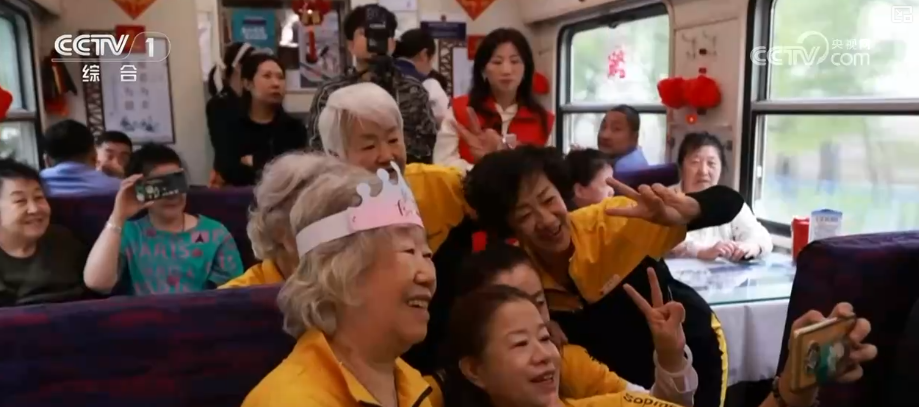
Core Insights - The "Work Plan for Accelerating the Cultivation of New Growth Points in Service Consumption" was officially released, focusing on transportation, housekeeping, and travel services, proposing 12 key support policies to meet residents' high-quality and diverse service consumption needs [1] Group 1: Transportation Services - The plan emphasizes niche areas such as tourist trains, cruise ships, and night boats, proposing the development of specialized tourist routes and immersive, diversified cruise products, aligning with the current "slow travel" trend [3] Group 2: Housekeeping Services - In response to the growing demand for specialized services like home cooking, wardrobe organization, deep cleaning, infant care, and elderly care, the plan supports qualified housekeeping service companies in innovating service models and exploring smart scenarios [5] Group 3: Network Audio-Visual Services - The plan calls for promoting orderly competition and innovative development in the network audio-visual service sector, including micro-short dramas and ultra-high-definition video, to enrich the supply of quality content [8] Group 4: Travel Services - The policy proposes cultivating a number of travel destination cities (regions) and guiding localities to develop specialized travel markets [10] Group 5: Automotive Aftermarket Services - The policy encourages hosting related events and activities in the automotive aftermarket, which includes RV camping, automotive competitions, and self-driving tours, to create innovative projects that integrate automotive, tourism, culture, and sports [12] Group 6: Inbound Consumption - To further unleash the potential of inbound consumption, the policy requires the creation of the "Shopping in China" brand, the cultivation of international consumption aggregation areas, the increase of tax refund stores for outbound travelers, and the enhancement of convenience for foreign consumers in China [16] Group 7: Support and Assurance - The policy also proposes strengthening support measures, including improving standards and credit systems in relevant fields, enhancing financial support, and guiding financial institutions to increase support for entities operating in new growth areas of service consumption [18]
加快培育服务消费新增长点政策如何影响你我生活 专家详解
Yang Shi Xin Wen· 2026-01-29 21:33
Core Insights - The "Work Plan for Accelerating the Cultivation of New Growth Points in Service Consumption" was officially released on January 29, focusing on innovative business models, rapid growth, and strong driving effects in the service consumption sector [1][17] - The plan outlines 12 key measures aimed at continuously releasing the potential of service consumption and activating the endogenous power of economic development [1] Group 1: Key Measures - The plan targets six major areas of service consumption: transportation services, housekeeping services, online audio-visual services, travel and residence services, automotive aftermarket services, and inbound consumption, proposing policies to optimize service supply and promote innovation [1][12] - It emphasizes the development of performance services, sports event services, and experiential services, suggesting the establishment of incentive mechanisms and the cultivation of quality brands [3][16] - The plan includes strengthening support and guarantees, such as improving standards and credit systems, enhancing financial support, and guiding financial institutions to increase support for service consumption growth areas [7][20] Group 2: Economic Impact - Experts believe that expanding and upgrading service consumption will better promote the high-quality development of the service industry, stabilize employment, and increase residents' income, creating a virtuous cycle from employment to consumption [5][16] - The service consumption sector is showing strong growth, with retail service revenue expected to grow by 5.5% year-on-year by 2025, outpacing goods retail growth by 1.7 percentage points [18][22] - The integration of various service sectors, such as food, culture, and tourism, along with the deep empowerment of artificial intelligence and digital technology, is expected to enhance the quality and accessibility of services [20][22]
多策赋能 培育六大领域消费新增长点
Xin Lang Cai Jing· 2026-01-29 19:50
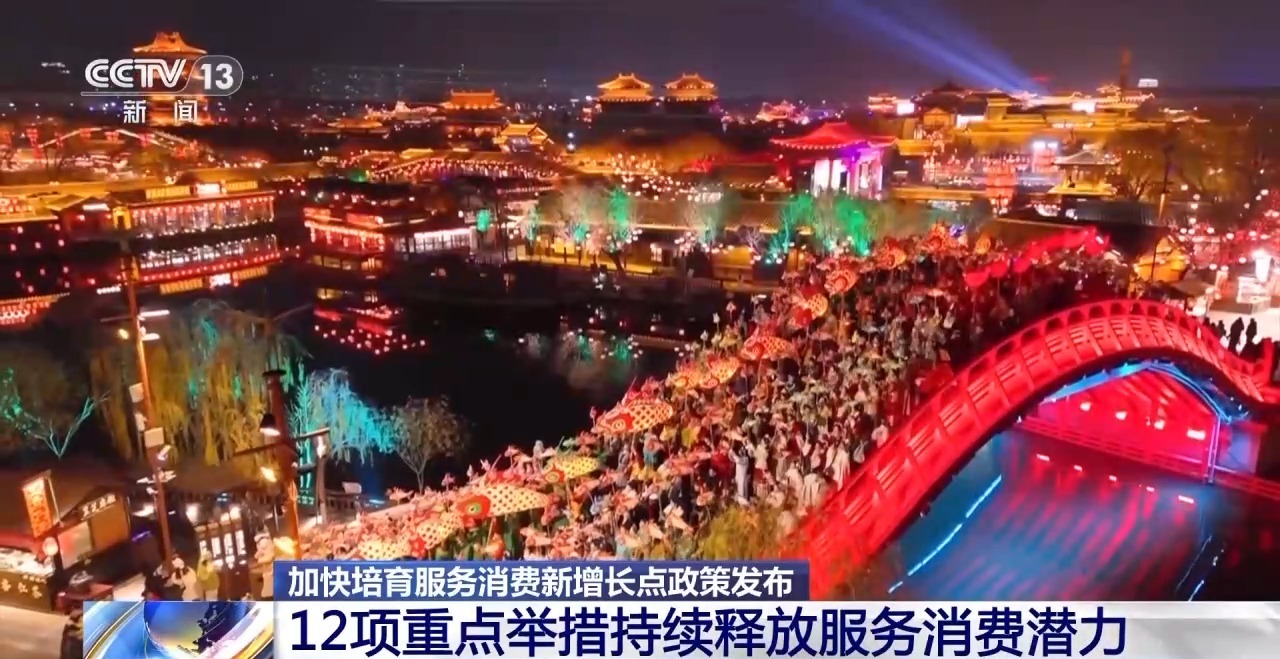
Core Viewpoint - The article discusses the release of the "Work Plan for Accelerating the Cultivation of New Growth Points in Service Consumption" by the State Council, which aims to enhance service consumption and stimulate economic growth through 12 key measures targeting six major service sectors [1][2]. Group 1: Key Measures and Focus Areas - The "Work Plan" emphasizes six major service sectors: transportation services, housekeeping services, online audio-visual services, travel and accommodation services, automotive aftermarket services, and inbound consumption, proposing policies to optimize service supply and stimulate development [1][2]. - It highlights the importance of enhancing service quality and meeting diverse consumer needs, particularly in areas like elderly care, childcare, and cultural tourism, to improve residents' sense of well-being and happiness [2][3]. Group 2: Specific Sector Initiatives - In transportation services, the plan focuses on niche areas such as tourism trains, cruise ships, and night boats, proposing the development of specialized tourism routes and immersive cruise products [3]. - For housekeeping services, it addresses the growing demand for specialized services like cooking, wardrobe organization, and elderly care, encouraging innovation and smart service models among qualified service providers [3]. - The plan also aims to promote competition and innovation in online audio-visual services, while in travel and accommodation, it seeks to cultivate destination cities and develop niche markets [5]. - In the automotive aftermarket, it encourages events and activities related to RV camping, automotive competitions, and self-driving tours, promoting cross-industry integration [5]. - To boost inbound consumption, the plan proposes creating the "Shop in China" brand and enhancing the convenience of shopping for foreign visitors [5].
65.22亿人次出游背后的这些文旅趋势你需要关注——
Sou Hu Cai Jing· 2026-01-28 10:56
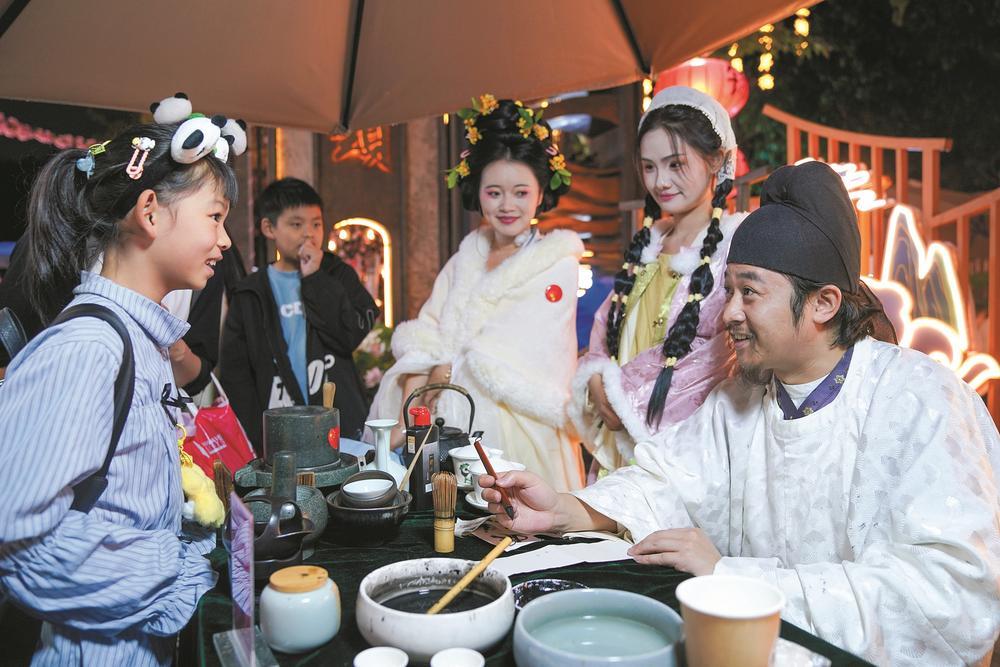
Core Insights - The number of domestic trips taken by residents in China is projected to reach 6.522 billion in 2025, an increase of 9.07 million from the previous year, representing a year-on-year growth of 16.2% [2] - Total spending on domestic travel is expected to be 6.3 trillion yuan in 2025, up by 0.55 trillion yuan from the previous year, with a year-on-year growth of 9.5% [2] Group 1: Trends in Domestic Travel - The increase in travel is supported by various measures from central and local governments aimed at expanding quality service supply and releasing consumption potential [4] - The integration of culture and tourism is leading to new consumption trends, with events like local football leagues and concerts driving tourism experiences and spending [4] - The "ticket economy" is thriving, with large-scale performances increasing to 30,000 events in 2025, a 12.7% increase, and box office revenue reaching 32.448 billion yuan, up 9.49% [4] Group 2: Technological Integration - The tourism sector is being enhanced by technology, with new products and experiences emerging through the use of augmented reality, virtual reality, and artificial intelligence [5] - Smart tourism initiatives are being developed to improve public service systems and create new consumer scenarios [5] Group 3: Rural Tourism Development - The growth of leisure and vacation travel is characterized by personalized and integrated experiences, with rural areas becoming popular destinations [6] - Four villages in China were recognized as "Best Tourism Villages" by the UN, highlighting the sustainable development of rural tourism [7] Group 4: Transportation Infrastructure - The improvement of transportation infrastructure is transforming travel methods and tourism product offerings, with rail passenger volume expected to reach 4.255 billion in 2025, a 4.2% increase [8] - The introduction of new services, such as "door-to-door" travel options, is facilitating easier travel for tourists [8] Group 5: Changing Consumer Preferences - Young travelers are shifting from merely visiting attractions to seeking deep cultural experiences, emphasizing emotional value in their travel decisions [9] - New travel styles, such as "lazy tourism," are emerging, reflecting a desire for relaxation and unique experiences [9] Group 6: The Essence of Travel - The significant number of trips reflects the individual desires of travelers, showcasing the personal motivations behind the collective growth in tourism [10] - Each trip represents a unique story, contributing to the vibrant pulse of China's tourism industry [10]

政策“组合拳”助推服务消费提质增效
Ren Min Wang· 2026-01-28 07:33
Group 1 - The core viewpoint is that China's service retail sector is expected to grow at a rate of 5.5% year-on-year by 2025, outpacing goods retail growth by 1.7 percentage points, with per capita service consumption reaching 46.1% of total spending [1] - The growth in service consumption is reflected in increased accessibility to tourism, with 2,485 tourist trains operating in 2025, marking a 33.6% increase year-on-year, enhancing the vitality of county-level tourism [1] - The shift in consumer demand is evident as residents' income levels rise, leading to a balanced focus on both goods and services, while new business models in low-altitude flights, cruise tourism, and performance arts are emerging to support this growth [1] Group 2 - The restaurant industry is projected to generate nearly 5.8 trillion yuan in revenue by 2025, with a year-on-year growth of 3.2%, driven by continuous optimization of supply in the sector [2] - The service consumption quality is improving due to supportive policies, with initiatives focusing on cultural entertainment, tourism, and dining, enhancing service supply levels [2] - The ongoing "service consumption quality improvement and benefit action" is fostering new growth points and innovative consumption scenarios, promising a more diverse and convenient consumer experience [3]
人民财评:政策“组合拳”助推服务消费提质增效
Sou Hu Cai Jing· 2026-01-28 00:59
Group 1 - The core viewpoint of the articles highlights the significant growth in service consumption in China, with a projected increase of 5.5% in service retail sales by 2025, outpacing the 1.7% growth in goods retail sales [1] - By 2025, the per capita expenditure on service consumption is expected to reach 46.1%, indicating a shift in consumer spending patterns towards services [1] - The tourism sector is set to see a substantial increase, with 2,485 tourist trains expected to operate in 2025, marking a 33.6% year-on-year growth, enhancing accessibility to remote scenic areas [1] Group 2 - The restaurant industry is projected to generate nearly 5.8 trillion yuan in revenue by 2025, with a year-on-year growth of 3.2%, driven by continuous optimization of supply in the sector [2] - The rise of digital services, such as online consultations and instant delivery, is contributing to the growth of communication and information services, benefiting various demographics including the elderly and rural residents [2] - The government's dual approach of "policy + activities" is aimed at enhancing service consumption quality, focusing on key areas like cultural entertainment, tourism, and dining [2] Group 3 - The ongoing service consumption enhancement actions are expected to foster new growth points and innovative consumption scenarios, with a focus on integrated experiences such as "tourism +", "food +", and "sports +" [3]