
石油币

Search documents
抓捕马杜罗,特朗普意欲何为?
对冲研投· 2026-01-04 01:14
Group 1 - The article focuses on the event of Venezuelan President Maduro and his wife being captured by U.S. forces, marking a significant escalation in U.S.-Venezuela relations [5][7]. - The deterioration of relations between the Trump administration and Maduro has been ongoing since Trump's first term, with actions such as freezing Venezuelan assets and labeling Maduro's regime as undemocratic [9][10]. - The U.S. military operation to capture Maduro is seen as a practical application of the "Trump Corollary" to the Monroe Doctrine, aiming to deter other non-compliant Latin American countries with minimal cost [14][15]. Group 2 - The article highlights the strategic importance of Venezuela due to its vast natural resources, particularly its oil reserves, which are the largest in the world, estimated at 303.2 billion barrels [16]. - The geopolitical implications of Maduro's capture could lead to a shift in Latin America towards right-wing governments, as evidenced by recent political trends in countries like Argentina and Chile [18][19]. - The potential rise of opposition leader Maria Corina Machado, if she assumes power, could significantly impact China's interests in Venezuela, as the current regime has been more favorable towards Chinese investments [21][22]. Group 3 - The article concludes that the U.S. aims to strengthen its influence in Latin America by promoting right-wing governments and controlling key resources, which could lead to increased geopolitical risks for China in the region [23][24][26].

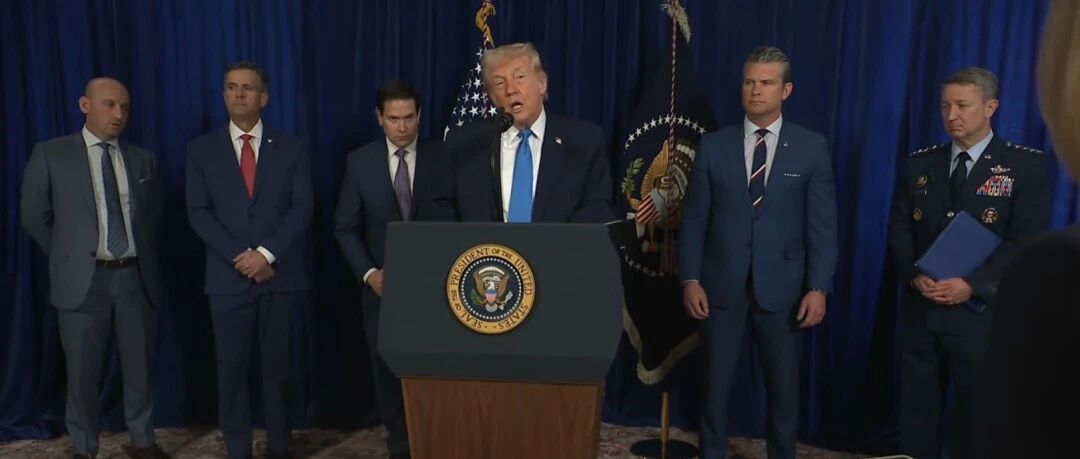
欠债30万亿美元,却是最强大的发达国家!美元霸权如何收割全球?
Sou Hu Cai Jing· 2025-09-24 14:02
Core Viewpoint - The article discusses how the United States, despite its massive debt of $30 trillion, remains a dominant global power due to the influence of the US dollar, which allows it to benefit from global wealth accumulation and consumption [1]. Group 1: Historical Context of the Dollar - The US dollar's historical link to gold established its position as the world's leading currency, as it was once directly convertible to gold, making it a trusted medium for international trade [3][5]. - The US capitalized on global conflicts, particularly during the World Wars, to accumulate gold reserves by selling military supplies to warring nations [8]. - In 1971, the US decoupled the dollar from gold, allowing for unlimited dollar printing, which was later supported by a deal with Saudi Arabia to conduct oil transactions exclusively in dollars [13][15]. Group 2: Economic Mechanisms and Impacts - The US's strategy involves printing large amounts of money, which can lead to inflation and devaluation of the dollar, impacting other countries holding dollar reserves [11][20]. - The influx of "hot money" into emerging markets can create temporary economic booms, but when the US capital withdraws, it often leads to economic collapse in those countries [22][24]. - The article describes this dynamic as a form of "financial colonialism," where the economic sovereignty of target countries is compromised by US monetary policy [26]. Group 3: Global Response and "De-dollarization" - Many countries are exploring alternatives to the dollar, with 42 nations researching digital currencies to reduce reliance on the US dollar [28][30]. - Initiatives like the establishment of trade mechanisms using local currencies, such as the euro for trade with Iran, signify a shift away from dollar dominance [32]. - Russia and China are leading efforts in "de-dollarization," with increasing use of their currencies in bilateral trade, particularly in energy transactions [35][37]. Group 4: Future Outlook - While the dollar's dominance remains strong, the article suggests that ongoing efforts towards "de-dollarization" could gradually weaken its position, especially as countries seek to mitigate the impacts of US monetary policy [38][40]. - The potential decline of the dollar's status could lead to significant changes in global economic dynamics, reducing the ability of the US to leverage its currency for global influence [42][44].
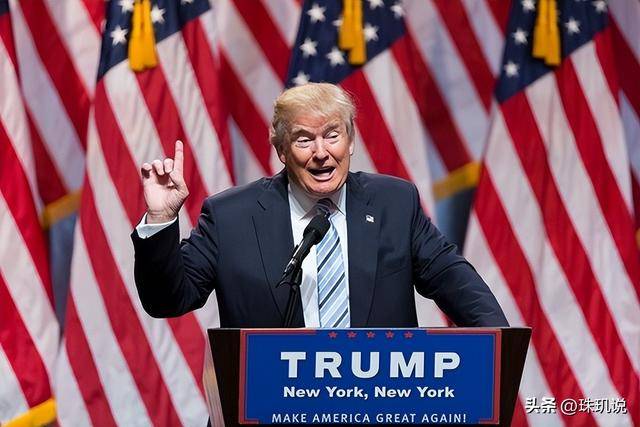
多重力量覆压,美元信用走入下坡路
Di Yi Cai Jing· 2025-05-20 12:08
Group 1: Dollar's Role and Challenges - The dollar has transitioned through various roles, from a dominant currency post-World War I to a key player in the Bretton Woods system, but its fundamental financing function is being misaligned [1][4] - The dollar is increasingly used as a tool for financial sanctions by a few countries, leading to a deconstruction of the credit preference associated with it [1][4] - Tariff policies under the Trump administration have negatively impacted the dollar's credibility, as increased tariffs create risks for global and U.S. economies, reducing the demand for dollars [2][3] Group 2: Economic Implications of Tariff Policies - Trump's tariffs aim to reduce trade deficits and encourage domestic manufacturing, but they may ultimately decrease dollar outflow and international demand for the dollar [3][4] - The focus on goods trade neglects the service trade, where the U.S. has a surplus, and retaliatory measures from other countries could further diminish dollar influence [3][4] Group 3: U.S. National Debt and Dollar Credibility - The U.S. national debt has surpassed $36 trillion, with interest payments becoming the fastest-growing part of government spending, raising concerns about the sustainability of U.S. fiscal policy [7][8] - The cycle of increasing fiscal deficits and national debt issuance is eroding the credibility of the dollar, as the government struggles to manage its financial obligations [6][8] Group 4: Global Shift Away from the Dollar - Countries are actively seeking alternatives to the dollar, establishing bilateral trade agreements and payment systems to reduce reliance on the dollar [10][11] - The trend towards "de-dollarization" is gaining momentum, with various nations exploring digital currencies and alternative payment mechanisms, indicating a shift towards a more diversified global monetary system [11][12]