AMI埃米空间

Search documents
AI发展之我见(1)—大脑简史(一)
AMI埃米空间· 2026-02-25 03:42
以下文章来源于正心泰山 ,作者宋锡滨 正心泰山 . 新材料产业、技术创新、认知相关、人生点悟等知识和见解。 【 大脑演化的底层逻辑】 大脑的故事,就是关于你我的故事。这个重约1.4千克的器官 (人类大脑仅占体重的 2 %) ,不仅是你此刻思考、阅读和理解这段文字的物理基 础,也是人类一切情感、记忆与创造力的源泉所在。它并非一蹴而就的完美设计,而是一部跨越数亿年,由生存压力、偶然突变和发育机制共 同书写的宏大史诗。但至今为止我们对于大脑的认知还十分有限,为什么大脑产生智慧至今为止还没有答案,甚至可以这样说,我们连一个虫 子的大脑的情况还无法说得非常清楚。 我们都在探求大脑演化的底层逻辑,是什么样的生存、发展和变化压力,像无形的手一样,将神经细胞团塑造成了日益复杂的器官。另外大脑 形成的过程也十分神奇,从胚胎发育的最初时刻,到神经回路的精准构建,生命体是如何运用一套简洁而深刻的物理和生物法则,将蓝图变为 现实。 一、大脑为何越变越大? 要理解大脑为何发展,我们不能只看结果,而要回到远古的生存赛场。脑组织是极其耗能的"奢侈品" (人类大脑仅占体重的 2 %,但占人类能量消耗的 20-25%,是非常大的能量消耗) , ...


直播预告 | 下午15:30,穿衣的终极追求是?
AMI埃米空间· 2026-01-30 02:51
Group 1 - The article discusses the "first investment then shares" model for technology achievement transformation products in Baoshan District [2] - The technology and raw materials for the CloudPile Fleece are sourced from Shanghai Xianduan New Materials Technology Co., Ltd [3]

2025年中国新材料产业一级市场投资分析报告
AMI埃米空间· 2026-01-26 06:43
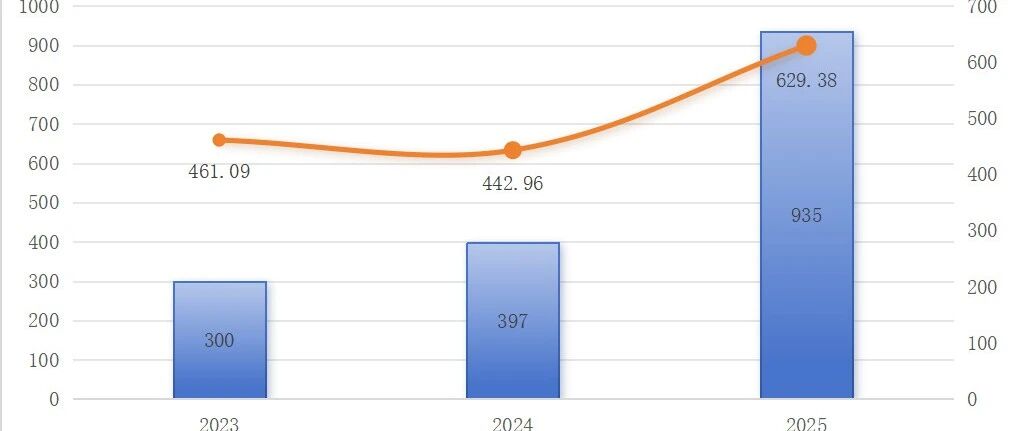
Core Insights - In 2025, China's new materials industry continued to thrive under the "14th Five-Year Plan," emphasizing technological self-reliance and nurturing new productive forces, with a significant increase in investment activities [1] - The total number of investment events reached 935, with disclosed financing amounting to 62.938 billion RMB, marking a year-on-year growth of 42.1% [1] - Investment activities in 2025 were more active and focused compared to 2024, with a 135.5% increase in events from the previous year [1] Investment Trends - The investment logic shifted from "responding to the cycle bottom" to "laying out future growth," with capital increasingly directed towards high-growth sectors like semiconductors, new energy, and biomedical materials [4] - Investment activities showed a trend of stability followed by a surge, with over 62% of events occurring in the second half of the year, indicating a systematic and sustained capital layout [4][8] - The investment stage distribution exhibited a "dumbbell" structure, with early-stage investments focusing on frontier technologies and strategic investments from industry leaders dominating the later stages [4][9] Sector Distribution - Capital was heavily concentrated in three core sectors: new energy materials (187.18 billion RMB), semiconductor materials, and synthetic biology and biomedical materials, collectively accounting for over 60% of total financing [5] - The investment direction aligns with the central government's strategic focus on emerging pillar industries like new energy and new materials [5] Regional Characteristics - Investment in the new materials industry is closely tied to regional industrial foundations, resource endowments, and policy guidance, forming distinct industrial clusters [10] - The Yangtze River Delta, Pearl River Delta, and Bohai Rim regions attracted the majority of investments due to their robust industrial chains and active capital environments [10][11] Detailed Sector Analysis New Energy Materials - Investment heat: 137 events with 187.18 billion RMB, leading in both event count and amount [12] - The focus has shifted from traditional lithium battery materials to next-generation technologies like solid-state batteries and sodium-ion batteries [12][15] Semiconductor Materials - Investment heat: 128 events with 111.46 billion RMB, targeting critical areas like photolithography and third-generation semiconductor substrates [16] - The investment strategy is increasingly focused on filling domestic gaps in key materials, with a growing emphasis on binding capital with downstream wafer fabs [16][20] Synthetic Biology and Biomedical Materials - Investment heat: 112 events with 48 billion RMB, showing the highest growth rate of 87% [21] - The focus is shifting towards clinical and commercialization stages, with significant interest in high-value implantable and regenerative medical materials [25]
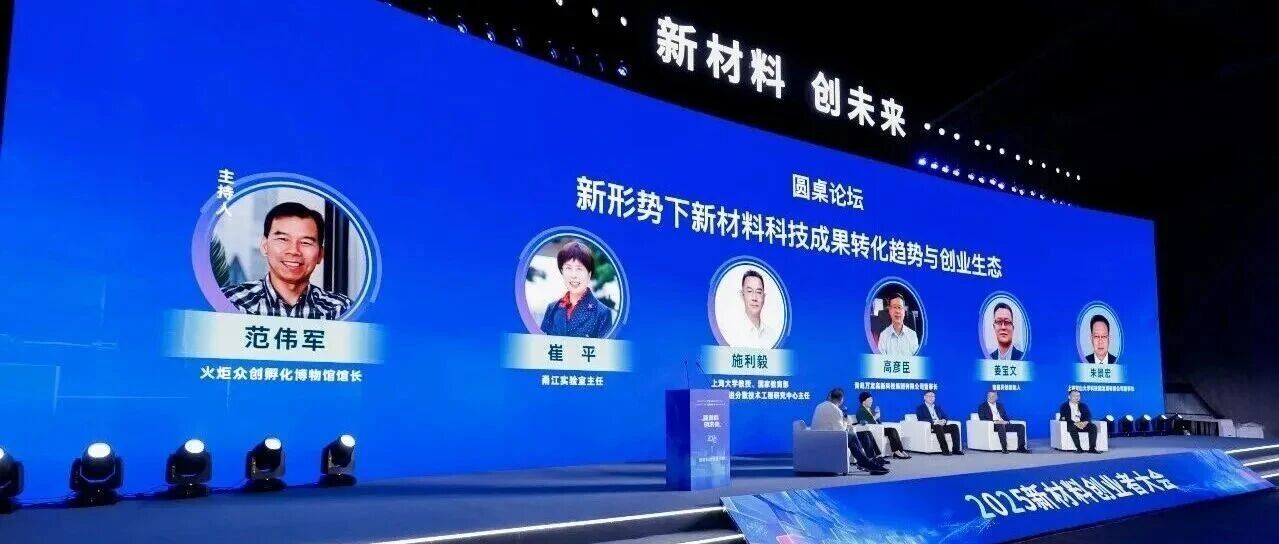
新材料科技成果转化路径与创业孵化机遇——2025新材料创业者大会圆桌论坛实录
AMI埃米空间· 2026-01-20 06:38
Core Insights - The forum focused on the challenges and breakthroughs in the technology transfer of new materials, emphasizing the unique characteristics and difficulties faced by entrepreneurs in this sector [1][15]. Group 1: Guest Introductions and Backgrounds - Professor Shi Li-yi has over 30 years of experience in nanomaterials research and commercialization, having played significant roles in technology transfer at Shanghai University [2]. - Director Cui Ping has a strong background in material research and technology transfer, having established the Ningbo Materials Institute and now leading the Yongjiang Laboratory [4]. - Gao Yancheng, representing the entrepreneurial perspective, has been involved in the transformation of scientific achievements into marketable products, with a focus on technology transfer [6][7]. - Jiang Baowen, with extensive experience in multinational corporations, co-founded a startup focusing on critical materials, achieving significant breakthroughs in domestic production [10][12]. - Zhu Jinghong has developed a technology transfer platform at Shanghai Baoshan University, supporting numerous hard technology projects with substantial funding [13][14]. Group 2: Challenges in New Materials Entrepreneurship - The new materials sector faces high difficulty, high investment, and long development cycles, which are referred to as the "three highs and three longs" challenges [15]. - The core difficulty in new materials entrepreneurship lies in the "unknowns," where unforeseen risks can lead to project failures if not managed by a professional team [19]. - Unique challenges in the materials field include indirect value presentation, long R&D cycles, and difficulties in application promotion, which require a strategic approach to overcome [20]. Group 3: Strategies for Overcoming Challenges - Building a supportive entrepreneurial ecosystem is crucial, with initiatives like the Sanjiang Innovation Forum aimed at fostering collaboration and resource sharing among entrepreneurs [16]. - Entrepreneurs should adopt a mindset of innovation and resilience, focusing on core problem-solving and technological breakthroughs rather than merely aiming for market entry [21][22]. - Collaboration with external professional resources and leveraging successful entrepreneurs' experiences can significantly enhance the success rate of new ventures [19][17]. Group 4: Future Opportunities and Recommendations - The shift towards high-quality development in China's economy presents new opportunities for technology-driven entrepreneurship, emphasizing the importance of specialized service platforms [19]. - Entrepreneurs are encouraged to build collaborative innovation ecosystems to address national strategic needs and enhance product value [23]. - The current era is seen as a prime time for material development, with a call for young entrepreneurs to harness their innovative spirit for success [23].
人工智能驱动的新材料研发:发展现状、全球格局及未来展望
AMI埃米空间· 2026-01-16 09:22
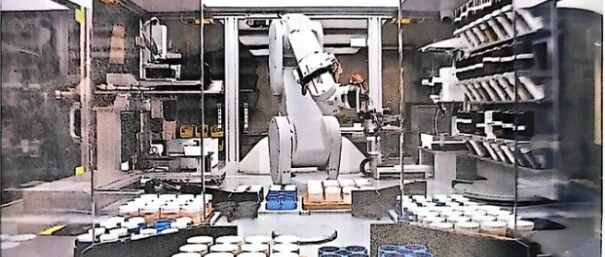
Core Viewpoint - The article emphasizes the transformative potential of artificial intelligence (AI) in the field of new materials, highlighting its role in accelerating research and development processes, reshaping industry dynamics, and fostering new business models in the materials sector [1][4][25]. Group 1: AI and New Materials Development - The transition from traditional experimental methods to AI-driven approaches in new materials research has significantly increased the speed of development, with AI now serving as a core engine rather than just an auxiliary tool [4][8]. - The integration of AI with materials science has led to the emergence of new methodologies, such as the Materials Genome Initiative, which aims to systematically build material data resources and enhance collaboration across the globe [6][7]. - AI4MSE (AI for Materials Science and Engineering) relies on high-quality data resources, tailored machine learning algorithms, and applications that span the entire lifecycle of materials, from design to service [6][8]. Group 2: Global Competition in AI and New Materials - Major global powers are elevating AI4MSE to a strategic national priority, with the U.S. investing heavily in AI-driven materials research to maintain its leadership in the field [11][12]. - China is focusing on a systematic approach to build an AI and new materials innovation ecosystem, with significant government initiatives aimed at accelerating scientific discovery through AI [12][14]. - The European Union is promoting AI and new materials integration through policies that emphasize technological sovereignty and data sharing, aiming to enhance its competitive edge in advanced manufacturing [14][16]. Group 3: Commercialization and Industry Transformation - The commercialization of AI4MSE is rapidly accelerating, leading to the emergence of specialized startups that provide innovative materials design solutions directly to end-users [18][20]. - Traditional materials companies are also adapting by establishing digital R&D departments and integrating AI technologies to enhance product performance and reduce development cycles [22]. - A new "R&D as a Service" model is emerging, allowing companies without in-house AI capabilities to leverage AI-driven platforms for materials research, thus democratizing access to advanced materials development [23][24]. Group 4: Future Outlook and Challenges - The AI-driven revolution in new materials is expected to create numerous high-value service industries, while also driving significant upgrades in downstream sectors such as electronics and healthcare [25][27]. - Despite the promising outlook, challenges remain, including data quality issues, the interpretability of AI models, and the complexity of multi-scale modeling in materials science [27][28][29]. - The ongoing evolution of AI4MSE is set to reshape the competitive landscape of the materials industry, with a shift from product competition to competition based on research efficiency and innovation capabilities [24][29].
通知 | 北京市新能源汽车石墨烯技术概念验证平台项目征集
AMI埃米空间· 2026-01-08 06:00
Core Viewpoint - The article discusses the establishment of the Beijing New Energy Vehicle Graphene Technology Concept Verification Platform, aimed at promoting the application of graphene materials in the new energy vehicle sector through collaboration between Beijing Aika Technology Co., Ltd. and Beijing Information Science and Technology University [4][5]. Group 1: Platform Overview - The platform focuses on the innovative application of graphene materials in new energy vehicles, serving as an open innovation service carrier that integrates academic research, industry resources, and application scenarios [7][8]. - It aims to reduce R&D risks and costs, accelerate the commercialization of cutting-edge technologies, and provide comprehensive concept verification services, including project collection, evaluation, feasibility analysis, prototype production, and commercial value assessment [8]. Group 2: Project Collection Directions - The platform is soliciting innovative projects that address critical challenges in the new energy vehicle sector, particularly in the following areas: 1. Three electric systems of new energy vehicles 2. Lightweight vehicle bodies 3. Intelligent cockpits 4. Other urgent graphene application technologies and products in the new energy vehicle field [9]. Group 3: Application Eligibility - Eligible applicants include registered higher education institutions, research organizations, enterprises, or innovative teams in Beijing with relevant R&D capabilities in graphene technology or experience in the new energy vehicle industry [10]. Group 4: Project Submission Criteria - Projects must align with Beijing's new energy vehicle industry development plans and demonstrate high innovation levels, clear industrialization prospects, and compliance with relevant policies [11]. - The proposed concepts should exhibit significant technological innovation and application relevance, with a development cycle not exceeding one year [11]. Group 5: Resource Support and Awards - Selected projects will be included in the platform's "Concept Verification Project Database" and may receive a resource package valued at over 1 million yuan, covering free office and R&D space, investment resources, and support for intellectual property and policy applications [11][12]. - The platform will provide various support services, including access to professional laboratories, funding for technical development, and assistance with government project applications [12][13]. Group 6: Co-Building Units - Beijing Aika Technology Co., Ltd. is a national-level specialized and innovative small giant enterprise, focusing on graphene thermal management technology with significant applications in various fields, including new energy vehicles [14]. - Beijing Information Science and Technology University is a key public university in Beijing, recognized for its strong position in the new energy vehicle sector, particularly in energy management and intelligent perception technologies [15][16].

【深度】财政资金“先投后股”与技术经理人“服务换股权”的融合设想
AMI埃米空间· 2025-12-25 09:21
Core Viewpoint - The article emphasizes the integration of "pre-investment and post-equity" and "service-for-equity" models as complementary paths to enhance the efficiency of technology transfer and commercialization, proposing a framework that combines government funding guidance, professional service empowerment, and market capital support [5][12]. Group 1: Limitations of Single Models and Necessity for Integration - The "pre-investment and post-equity" model addresses early-stage funding gaps by allowing fiscal funds to be converted into equity under certain conditions, but it is insufficient alone to solve systemic issues in technology commercialization [6]. - The "service-for-equity" model incentivizes technical managers to exchange deep, ongoing services for equity, fostering long-term partnerships, but faces challenges such as weak payment capabilities of early projects and lack of standardized valuation for services [6][7]. Group 2: Logical Basis for Integration - Both models aim to tackle early-stage commercialization challenges, adhering to principles of long-termism and risk-sharing, transitioning from "blood transfusion" to "blood production" support models [8]. - The "pre-investment and post-equity" model focuses on the timing and conditions of funding, while the "service-for-equity" model emphasizes the quantification and return paths of non-financial resources, creating a comprehensive support system [8]. - The combination of government funding's error-tolerance mechanism and the technical manager's deep involvement reduces systemic and operational risks, enhancing overall project success rates [8]. Group 3: Design of the Integration Framework - The integration model consists of a "dual equity system" and "process-embedded" approach [10]. - The "dual equity system" establishes two types of equity: "fund equity" for fiscal fund conversion and "service equity" for technical managers based on pre-agreed service milestones [10]. - The "process-embedded" approach integrates specialized services into key stages of the "pre-investment and post-equity" process, enhancing project quality from the initial evaluation to post-investment management [11]. Group 4: Conclusion - The integration of "pre-investment and post-equity" with "service-for-equity" is a crucial institutional innovation for advancing technology commercialization, creating a resilient ecosystem that aligns government funding, technical expertise, and market demands [12].

全球新材料风向标!2026 FINE 展:中国未来产业崛起,定义下一个十年创新赛道
AMI埃米空间· 2025-12-23 12:47
Core Viewpoint - The 2026 Future Industries New Materials Expo (FINE 2026) aims to showcase innovations in new materials that are crucial for the transformation of high-tech industries and to facilitate collaboration and resource integration within the sector [4][8]. Group 1: Event Overview - FINE 2026 will take place from June 10 to June 12, 2026, at the Shanghai New International Expo Center, featuring over 50,000 square meters of exhibition space and more than 300 strategic and cutting-edge technology reports [10][11]. - The expo is a significant upgrade from previous events, including the 10th International Carbon Materials Industry Expo and the 7th Thermal Management Industry Expo, focusing on the future industry's common needs such as advanced semiconductors, advanced batteries, lightweight materials, low-carbon sustainability, and thermal management [7][8]. Group 2: Market Opportunities - The rapid growth of industries like new energy vehicles, photovoltaics, wind power, and lithium batteries presents substantial market opportunities for new materials [14]. - The Chinese government has identified key areas for breakthrough in its 14th Five-Year Plan, including embodied intelligence, 6G, quantum technology, and hydrogen energy, which are expected to drive demand for innovative materials [14]. Group 3: Exhibition Highlights - FINE 2026 will feature six specialized thematic exhibition areas, including advanced semiconductors, advanced batteries, lightweight materials, thermal management technologies, new materials technology innovation, and future industry innovation enterprises [18][21]. - The event is expected to attract over 100,000 professional visitors and will include 30+ forums with more than 300 renowned experts and scholars sharing insights on technology trends and investment strategies [24][34]. Group 4: Networking and Collaboration - The expo will facilitate the transformation of scientific achievements and help enterprises connect with industry funds, government parks, and project resources, thereby accelerating innovation in the new materials sector [8][34]. - FINE 2026 aims to invite over 5,000 end-users and quality investment institutions for direct order and cooperation discussions, enhancing opportunities for startups [17][34].

2025新材料创业者大会宋锡滨主题报告《创业与企业家精神》
AMI埃米空间· 2025-12-22 09:09
Core Viewpoint - The report emphasizes the essence of entrepreneurship and entrepreneurial spirit, highlighting the importance of perseverance, understanding human nature, and the need for a supportive ecosystem in the entrepreneurial journey [1][9][19]. Group 1: Definition and Nature of Entrepreneurship - Entrepreneurship is defined as both a process and a result, shaped by various factors including environment, resources, opportunities, and risks [11][13]. - The entrepreneurial journey requires a clear understanding of macro trends and the ability to adapt to changing circumstances [9][11]. Group 2: Entrepreneurial Ecosystem - The entrepreneurial ecosystem is likened to a forest, where entrepreneurs, finance, talent, policy, and culture interact to create a healthy environment for innovation [17]. - Observations indicate a contraction in the value of the entrepreneurial ecosystem globally, with a 31% decrease noted this year [16]. Group 3: Challenges and Sacrifices in Entrepreneurship - The success rate of entrepreneurship is low, with team cohesion contributing 84.5% to success, highlighting the importance of a stable and united team [21]. - High levels of sacrifice are common in entrepreneurship, affecting time, finances, and personal well-being [24]. Group 4: Entrepreneurial Spirit and Characteristics - The entrepreneurial spirit is characterized by innovation, risk-taking, persistence, and collaboration, essential for overcoming challenges [28]. - Successful entrepreneurs often exhibit optimism and a proactive approach to problem-solving [29]. Group 5: Entrepreneurial Preparation and Mindset - Adequate preparation and a courageous mindset are crucial for navigating the uncertainties of entrepreneurship [21][24]. - Defining success personally rather than through societal standards can lead to a more fulfilling entrepreneurial experience [22]. Group 6: The Role of Human Nature in Entrepreneurship - Understanding and leveraging human nature is vital for effective management and organizational success [19]. - The entrepreneurial process involves both confronting human weaknesses and harnessing human strengths [19]. Group 7: The Importance of Values and Principles - A clear understanding of personal values and principles is essential for defining success and navigating the entrepreneurial journey [22][39]. - The balance between ambition and realistic expectations is crucial for sustainable success [22]. Group 8: The Future of New Materials Industry - The new materials industry is characterized by long research, validation, and application cycles, necessitating a robust entrepreneurial ecosystem [17]. - The industry faces unique challenges and opportunities, particularly in the context of global trends and technological advancements [16].

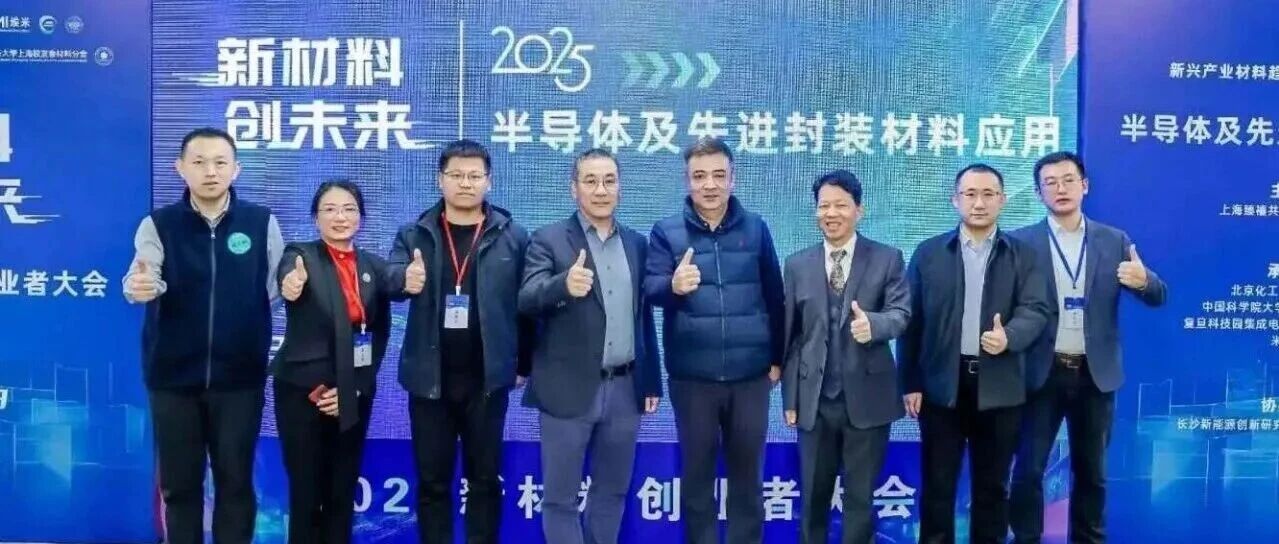
上海宝山•新材料创业者大会 | 臻禧共创汇:两个垂类细分平行论坛 14 位专家的产业趋势判断
AMI埃米空间· 2025-12-22 09:09
Core Viewpoint - The new materials sector is facing both opportunities and challenges, particularly in solid-state batteries and semiconductor materials, as highlighted during the 2025 New Materials Entrepreneurs Conference held in Shanghai [1][3]. Group 1: Solid-State Battery Materials - The solid-state battery industry is experiencing a "complex situation," with significant interest from capital markets but also facing safety concerns due to frequent electric vehicle accidents, leading to a challenging environment [3]. - High-nickel ternary and semi-solid/solid-state batteries are expected to see significant development opportunities due to automotive industry restructuring and new consumption tax policies [3]. - The cost of electrolyte materials in solid-state batteries is projected to rise to 20%-30%, indicating a shift in the industry's focus towards solid-state electrolytes [4]. - Innovations in high-performance polyimide materials are crucial for enhancing battery safety, with new designs showing excellent thermal stability and rapid electrolyte wetting capabilities [4]. - The scalability of MXene production has been achieved, showcasing its potential in next-generation high-energy solid-state battery anodes [5]. - The silicon-carbon anode is identified as essential for achieving high energy density in solid-state batteries, but challenges such as volume expansion and high costs must be addressed [6]. Group 2: Semiconductor and Advanced Packaging Materials - The semiconductor industry is at a critical juncture where material innovation is essential for upgrading technology as traditional limits are approached [9]. - The need for domestic alternatives in semiconductor packaging materials is emphasized, with collaborative innovation across the supply chain being vital [9]. - Key breakthroughs in photolithography resin technology are necessary to address current industry pain points [10]. - The integration of advanced packaging technologies with material innovation is crucial for meeting the evolving demands of the semiconductor industry [10][11]. - Quality control systems are increasingly important for driving upgrades in semiconductor materials and processes [10][11]. Group 3: Industry Trends and Insights - The discussions at the forums indicate a shift towards systematic solutions in material innovation, emphasizing the need for integration with process advancements and application demands [13]. - Collaborative innovation across the supply chain is essential for overcoming industrial bottlenecks in both solid-state batteries and semiconductor materials [13]. - Companies must balance specialization in specific fields with the ability to integrate across disciplines to seize innovation opportunities [13].