
移动助浴车

Search documents
养老服务产业化的成败系于民生温度
Sou Hu Cai Jing· 2026-01-13 23:23
Core Viewpoint - The current transformation of the elderly care service supply system is shifting from scale expansion to quality improvement, emphasizing the need for a balanced approach that does not sacrifice the rights of the elderly for market prosperity while also avoiding excessive protection that stifles industry innovation [1][5]. Group 1: Policy Measures - The Ministry of Civil Affairs and seven other departments recently issued measures to cultivate elderly care service operators and promote the silver economy, covering five areas with 14 specific initiatives aimed at high-quality development of elderly care services [1][2]. - The policy emphasizes the need for the elderly care industry to adopt an industrialization path, with a target of 41,700 elderly care institutions by the end of 2025, over 70% of which will be privately operated [2]. Group 2: Market Dynamics - The shift from a purely public welfare model to a market-oriented approach is crucial to address the impending aging population, as the current model has led to insufficient service supply and varying quality [2][3]. - The integration of home care services with elderly care is a strategic move to utilize existing resources more efficiently, leveraging the over 30 million workers in the domestic service sector [2]. Group 3: Standards and Regulations - The new policies aim to establish national standards for elderly products and services, promote fair competition, and prevent exploitative practices against the elderly, thereby laying a solid foundation for industrialization [3][4]. - The balance between protecting the rights of the elderly and maintaining the rights of service providers is highlighted, indicating that the development of the silver economy should not come at the expense of either party [4]. Group 4: Technological Integration - The incorporation of technology into elderly care services is emphasized, with innovations such as mobile bathing vehicles, exoskeleton robots, and smart health monitoring platforms redefining the care landscape [4]. - The new policies encourage the integration of big data and artificial intelligence into elderly care, addressing the shortage of caregivers and enhancing service precision [4]. Group 5: Social Value - The elderly care industry is characterized by its social value and humanistic care, positioning it as both a sunrise and a conscientious industry [5]. - The successful implementation of these policies requires local governments to find a balance between breaking old patterns and establishing new standards, ensuring that the silver economy enhances the well-being of the elderly [5].
八部门发文加快培育养老服务经营主体
Xin Lang Cai Jing· 2026-01-13 19:50
Core Viewpoint - The Ministry of Civil Affairs and seven other departments have jointly issued measures to cultivate the elderly care service industry and promote the silver economy, focusing on brand building, supply-demand matching, technological empowerment, environmental optimization, and support for resources [1][2] Group 1: Policy Measures - The measures include 14 specific initiatives aimed at optimizing the development environment and fostering the elderly care service industry [1] - The goal is to stimulate operational vitality and promote structural reforms in the supply side of elderly care services, contributing to high-quality development of the silver economy [1] Group 2: Market Context - China has over 310 million people aged 60 and above, necessitating the development of a suitable elderly care service system to address aging population challenges and enhance the well-being of the elderly [1] - The silver economy, with a market size in the trillions, is entering an opportunity phase, demanding higher levels of specialization and refinement in the industry [2] Group 3: Service Optimization - The measures propose optimizing the supply of elderly care services and age-friendly products, encouraging community-based service integration through chain operations [2] - Initiatives include promoting mobile bathing services in communities and developing fashionable elderly care consumption products [2] Group 4: Supply-Demand Matching - The measures support local governments in establishing dedicated elderly care sections on existing platforms to enhance supply-demand matching and resource utilization [2] - Encouragement for e-commerce platforms and large supermarkets to host themed shopping festivals and create dedicated interfaces for elderly consumers [2]
八部门发文促进银发经济发展
Mei Ri Jing Ji Xin Wen· 2026-01-13 12:33
Core Viewpoint - The Ministry of Civil Affairs and eight other departments have jointly issued measures to stimulate the vitality of various elderly care service providers, promote the development of the silver economy, and better meet the diverse needs of the elderly population [1] Group 1: Policy Measures - The measures aim to create a favorable environment for investment and entrepreneurship in the elderly care sector, encouraging the development of community-based services through chain operations [1][2] - The initiative emphasizes the importance of home care services for the elderly, promoting the integration of resources within communities to enhance service delivery [2] Group 2: Market Dynamics - By the end of 2025, there will be approximately 41,700 elderly care institutions in China, with 722,000 employees, reflecting a year-on-year growth of 12.2% [3] - Private elderly care institutions account for 52.2% of the total, indicating that social forces are becoming the mainstay of diversified elderly care service supply [3] Group 3: Technological Support - The measures encourage technological advancements in elderly care, including the application of big data, cloud computing, and artificial intelligence for health monitoring and personalized services [4] - There is a focus on developing smart elderly care products and robotics to meet the daily care and emotional support needs of the elderly [4] Group 4: Investment Opportunities - The push for technology-enabled elderly care services is expected to create new investment opportunities in the capital market [5] - Research indicates that the demand for smart elderly care products is increasing, driven by policy support and the advancement of AI technology [6]
视频丨优化养老服务发展环境 民政部等八部门出台多项措施
Yang Shi Xin Wen Ke Hu Duan· 2026-01-13 07:12
Core Viewpoint - The Ministry of Civil Affairs and seven other departments have introduced measures to cultivate the elderly care service industry and promote the silver economy, aiming to enhance the vitality of various elderly care service providers and better meet the diverse needs of the elderly population [2] Group 1: Brand Development - The measures emphasize strengthening brand building for elderly care services, encouraging the establishment of distinctive brand signage and enhancing brand recognition [3] - Provincial civil affairs departments are encouraged to standardize the names and signage of various elderly care service providers to improve brand identification [3] - Support for trademark registration and protection for well-known brands in the elderly care sector is also highlighted [3] Group 2: Market Supply and Demand - The measures propose optimizing the supply of elderly care services and age-friendly products, promoting community-based service integration [4] - Encouragement for the development of specialized medical accompaniment services and mobile bathing services for the elderly is included [4] - The initiative also promotes the development of age-appropriate clothing and food products tailored to the elderly [4] Group 3: Supply-Demand Platform - Support for local governments to establish dedicated elderly care sections within existing platforms to enhance service demonstration and resource linkage is outlined [5] - The measures encourage the use of trade fairs and exhibitions to facilitate connections between manufacturers, service providers, and consumers in the elderly care market [5] - E-commerce platforms and supermarkets are encouraged to create special shopping events and interfaces for elderly consumers [5] Group 4: Technological Empowerment - The measures advocate for technological advancements in elderly care, including the use of big data, AI, and smart home technologies [6] - Support for the development of care robots and other innovative technologies to meet the daily needs of the elderly is emphasized [6] - The initiative encourages collaboration between elderly care institutions and technology developers to enhance user experience with smart products [6] Group 5: Development Environment - The measures call for the creation of a fair competitive environment for elderly care institutions, including the reform of classification and support policies [7] - Restrictions that hinder fair competition in government procurement processes for elderly care services are to be eliminated [7] Group 6: Standards and Certification - The establishment of national standards for elderly products and services is prioritized, along with a certification system to guide procurement practices [8] - The measures aim to protect the rights of the elderly by combating fraudulent practices and ensuring compliance in the elderly care market [8] Group 7: Support and Resources - Local civil affairs departments are tasked with providing regular updates on elderly population statistics and available support policies [9] - The measures encourage the establishment of a nurturing mechanism for elderly care service providers and the optimization of licensing processes [9] - Support for stable operations of elderly care institutions through land supply and financial assistance is also included [9]

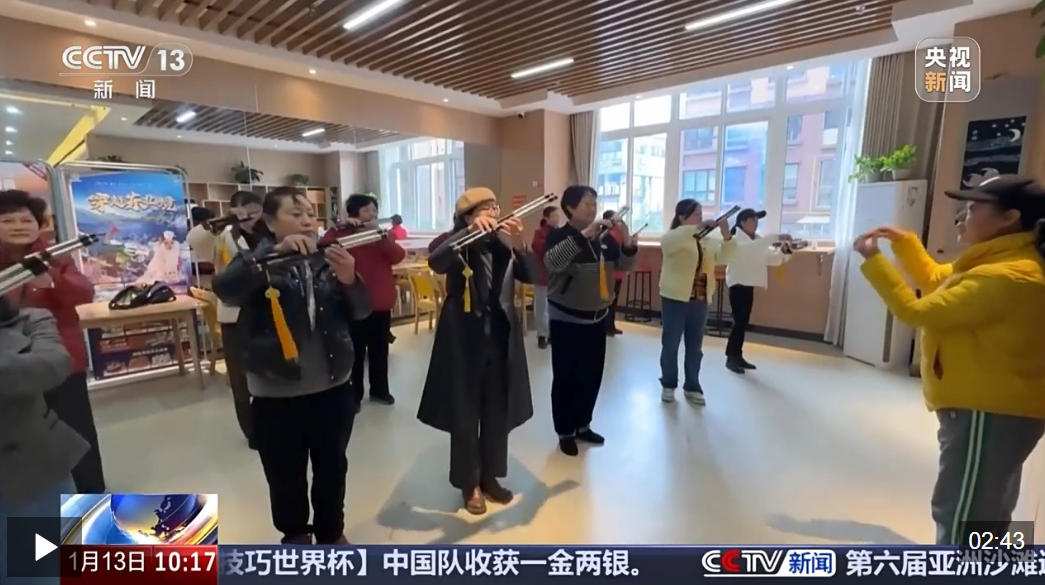
八部门联合发文!明确鼓励养老科技攻关与产品研发
Ge Long Hui· 2026-01-13 02:57
Core Viewpoint - The joint measures released by eight government departments aim to foster the development of the elderly care service industry and promote the silver economy through technological innovation and market-oriented approaches [1][3]. Group 1: Brand Development - Support for the establishment of distinctive branding for chain elderly care service providers to enhance brand recognition [4]. - Encouragement for elderly care service providers to implement trademark strategies and register distinctive logos [4]. - Promotion of well-known brands in the elderly care sector through various initiatives to create exemplary brands and leading enterprises [4]. Group 2: Market Supply and Demand - Optimization of elderly care services and age-friendly products by integrating community resources and encouraging home care services [6]. - Establishment of platforms for supply and demand matching to enhance resource utilization in elderly care services [6]. - Encouragement for e-commerce platforms and supermarkets to create dedicated sections for elderly products to facilitate consumption [6]. Group 3: Technological Empowerment - Promotion of technological advancements in elderly care, including the use of big data, cloud computing, and AI for health monitoring and personalized services [7]. - Support for the development of elderly care robots and smart home technologies to meet the needs of daily care and emotional support [7]. - Encouragement for the exploration of advanced technologies such as brain-machine interfaces and exoskeleton robots to assist elderly individuals with declining physical functions [7]. Group 4: Development Environment Optimization - Creation of a fair competitive environment by reforming the classification of elderly care institutions and ensuring no restrictive clauses in government procurement processes [8]. - Establishment of standards and certification systems for elderly products and services to guide procurement decisions [8]. - Protection of elderly rights through educational initiatives and strict regulation against fraudulent practices targeting the elderly [8]. Group 5: Support for Operational Factors - Improvement of government services to provide efficient guidance and information on elderly care facilities and policies [11]. - Streamlining of licensing processes for elderly care institutions to facilitate easier access to necessary permits [11]. - Support for stable operations of elderly care facilities through land supply and financial assistance for construction and operational costs [11].
八部门鼓励养老服务机器人产业发展,为老年人提供全方位智能化养老支持
Jin Rong Jie· 2026-01-13 02:32
Core Viewpoint - The Ministry of Civil Affairs and seven other departments have introduced measures to cultivate the elderly care service industry and promote the silver economy, focusing on technological innovation and market-oriented solutions to meet the diverse needs of the elderly population [2][6]. Group 1: Brand Development - Strengthening brand recognition by supporting chain-based elderly care service providers to establish distinctive branding [3]. - Encouraging the registration of trademarks for elderly care service providers to enhance brand protection and recognition [3]. - Promoting well-known brands through various initiatives to create exemplary brands in the elderly care sector [3]. Group 2: Market Supply and Demand - Optimizing the supply of elderly care services and age-friendly products by integrating community resources and encouraging home care services [4]. - Establishing platforms for supply and demand matching to enhance resource utilization in elderly care services [5]. - Encouraging e-commerce platforms and supermarkets to create dedicated sections for elderly products to facilitate consumption [5]. Group 3: Technological Empowerment - Promoting technological advancements in elderly care, including the use of big data, AI, and robotics for health monitoring and personalized services [6][7]. - Supporting the development of innovative technologies such as exoskeleton robots and brain-machine interfaces to assist elderly individuals with declining physical functions [6][7]. Group 4: Development Environment - Creating a fair competitive environment by reforming the classification of elderly care institutions and optimizing support policies [8]. - Establishing a standard certification system for elderly products and services to guide procurement and ensure quality [8]. - Protecting the rights of the elderly by implementing educational programs and regulating the elderly care service market to prevent exploitation [8][9]. Group 5: Support Measures - Improving government services by providing information on elderly demographics and available support policies to service providers [10]. - Streamlining the licensing process for elderly care institutions to facilitate easier access to necessary permits [10]. - Supporting stable operations of elderly care facilities through land supply and financial assistance for construction and operation [10].
