第六代战机

Search documents
美国霸权失势!150国对中国鼎力相助,13年战略布局终获全胜
Sou Hu Cai Jing· 2026-01-06 09:58
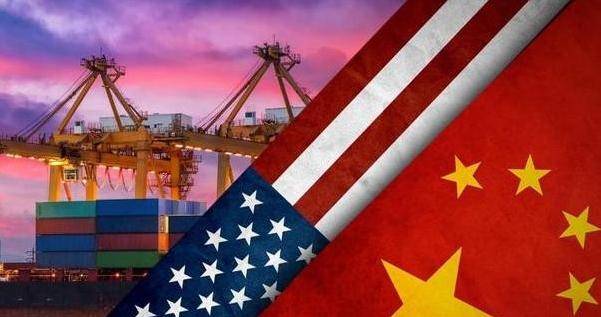
Core Insights - In 2025, China achieved a historic victory in the trade war against the U.S., recording a foreign trade surplus of $1.08 trillion, showcasing the decline of U.S. hegemony [1][5] - The Belt and Road Initiative, launched in 2013, has been pivotal in breaking the U.S. blockade, with nearly 50% of China's exports now directed to Belt and Road countries, which number over 150 [3][5] - The U.S. miscalculated the impact of tariffs, raising them to 145%, which led to increased prices and shortages in the U.S. market, while China's reliance on U.S. exports dropped from over 20% in 2008 to 11% [3][5] Trade Dynamics - The trade surplus of over $1 trillion demonstrates China's resilience and ability to adapt to external pressures, while the U.S. agricultural sector faced significant challenges, including declining tractor sales [5] - The tariffs imposed by the U.S. did not result in the intended manufacturing return to America; instead, unemployment rose, and the supposed tariff revenues were negligible compared to the U.S. fiscal deficit [5] Strategic Developments - China's strategic initiatives, such as the "Made in China 2025" plan, have led to significant advancements in high-end manufacturing and technology, allowing China to surpass the U.S. in areas like advanced aircraft technology [3][5] - The support from over 150 countries not only reflects a collective resistance to U.S. hegemony but also validates China's development model, emphasizing cooperation and mutual benefit as the path forward [5]


美专家:若中国限制稀土出口,美国将承受“毁灭性”后果
Sou Hu Cai Jing· 2025-10-18 13:25
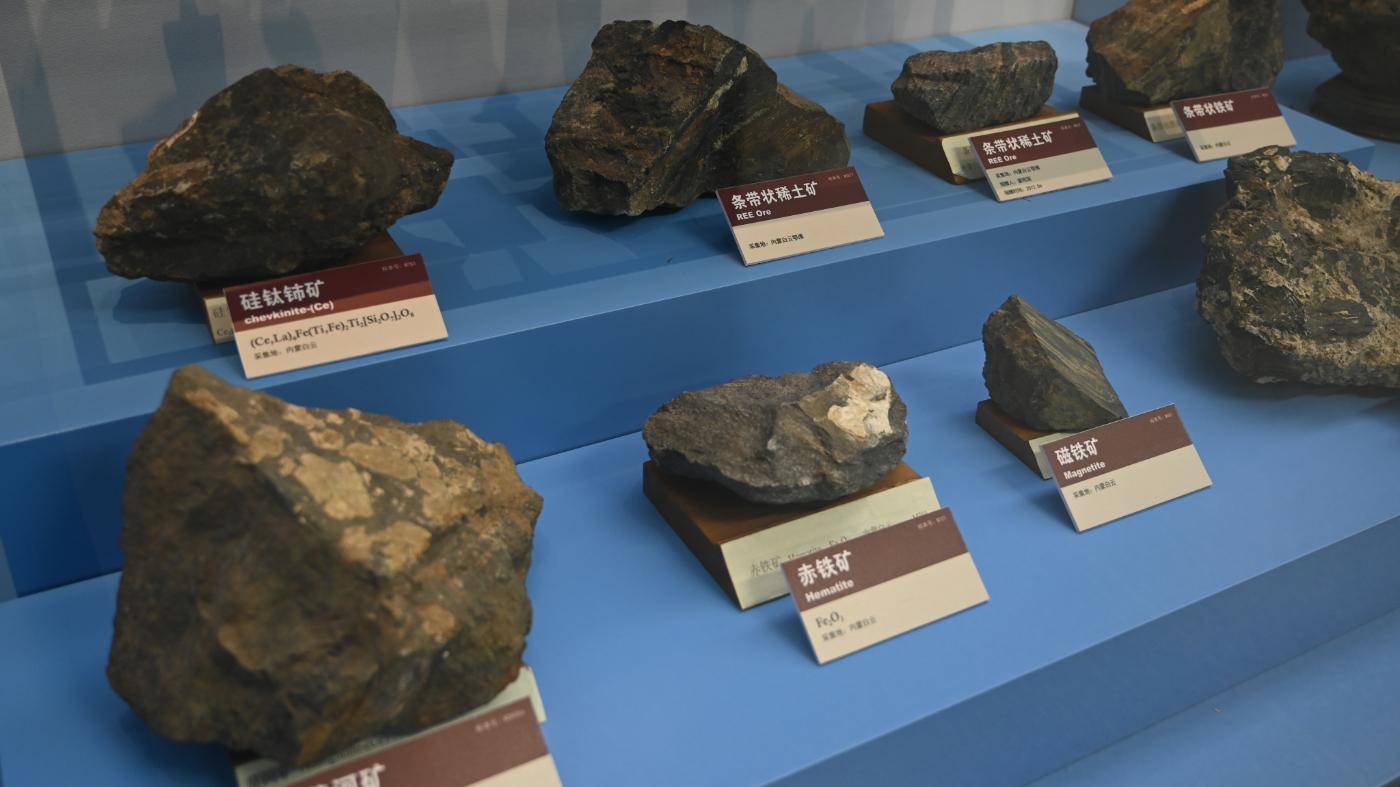
Core Viewpoint - The recent threats by Trump to impose an additional 100% tariff on Chinese goods highlight the U.S.'s panic and helplessness regarding its dependence on Chinese rare earth elements, particularly in the context of national security and military capabilities [1][12]. Group 1: U.S. Dependence on Chinese Rare Earths - Approximately 70% of the U.S.'s rare earth supply is imported, with China controlling 90% of the global medium and heavy rare earth refining capacity [4]. - 75% of the U.S. military supply chain relies on Chinese rare earth exports, indicating a critical vulnerability in national defense [4]. - The U.S. military's reliance on Chinese rare earths is evident, as 87% of the supply chain for 153 types of military equipment is dependent on Chinese processing [3]. Group 2: Challenges in Reducing Dependence - The true advantage of China in the rare earth sector lies in its complete industrial chain, from mining to manufacturing, along with decades of accumulated technological patents [5]. - Despite significant investments, Japan has struggled to reduce its dependence on Chinese rare earths, with over 70% still reliant on imports [5]. - Even with the discovery of rare earth resources, Japan faces technological and environmental challenges that hinder commercial extraction [8]. Group 3: Implications for U.S. National Security - The new export controls by China on rare earths directly threaten U.S. military capabilities, potentially leading to a situation where the U.S. military could be severely compromised in a conflict [12][14]. - If the U.S. cannot access the necessary rare earths, its military equipment, including aircraft and missiles, may become inoperable, rendering military spending ineffective [14]. - The ongoing situation underscores the need for the U.S. to acknowledge its vulnerabilities and consider cooperation with China rather than relying solely on tariffs and sanctions [15].
必须交出稀土?美国暂停对华输送航空技术,或要和中国“一换一”
Sou Hu Cai Jing· 2025-06-01 07:06
Core Viewpoint - The trade conflict between the US and China has intensified, with the US suspending export licenses for aviation products and technology to COMAC, aiming to pressure China to relax its export controls on rare earth elements [1] Group 1: Rare Earth Elements and Supply Chain Dynamics - The US's reliance on China for rare earth elements has become evident, especially after China imposed export controls on seven categories of medium and heavy rare earths, directly impacting the US military and aerospace industries [1][2] - China currently holds 90% of the global rare earth refining capacity and 85% of the permanent magnet manufacturing share, creating a complete industrial chain from mining to high-end applications [2][3] - The US's Mountain Pass mine has resumed operations but produces only 20,000 tons annually, with two-thirds of the ore still needing to be refined in China, highlighting the structural advantages China holds in this sector [1][2] Group 2: Aviation Industry and Technological Competition - The US's primary target is China's C919 aircraft, which competes with Boeing 737 and Airbus A320, having delivered 16 units and received over 1,000 orders since its commercial debut in 2023 [1][7] - The C919's reliance on the LEAP engine from CFM International exposes China's technological shortcomings, but US restrictions are accelerating China's development of domestic alternatives like the Changjiang 1000 engine [7] - China has established a complete strength verification system for its domestic engines, clearing technical hurdles for certification, paralleling the trajectory of Huawei's Kirin chip advancements [7] Group 3: Global Supply Chain Restructuring - The duopoly of Boeing and Airbus is being challenged, with over 8,000 backlogged orders prompting airlines to seek alternatives, including the C919, which could offer a 10% price advantage [9] - The US underestimated the reverse effects of its technology embargo, as limited rare earth exports from China are insufficient for the development of the sixth-generation fighter jets [9] - China plans to increase C919's annual production capacity to 200 units, countering the impact of US technology bans [9] Group 4: Strategic Implications and Challenges - The "rare earth for technology" negotiation reflects a deeper struggle for global supply chain dominance, with China learning from past mistakes of low-priced exports followed by high-priced imports [10] - Despite advancements, China still faces challenges in material technology and certification standards, needing to overcome generational gaps to gain global market acceptance for its engines [10] - Building confidence in technology beyond the International Civil Aviation Organization's certification system is crucial for China's aviation industry [10]