糠醛

Search documents
2026年中国生物炭制备方式、政策及规模现状简析:产业向绿色规范、高附加值方向发展 [图]
Chan Ye Xin Xi Wang· 2026-02-17 23:44
Core Insights - The biochar market in China is projected to reach 16.055 billion yuan by 2025, with the agricultural sector accounting for 9.994 billion yuan and the energy and environmental sectors contributing 6.061 billion yuan [10][11]. Group 1: Biochar Industry Overview - Biochar is a solid material rich in carbon, produced from biomass through pyrolysis under low oxygen conditions, typically at temperatures below 700°C [2][3]. - The primary components of biochar include carbon, hydrogen, oxygen, and nitrogen, with carbon content exceeding 70% [2][3]. - Biochar is derived from various organic waste materials, including agricultural residues like chicken manure, pig manure, wood chips, and straw, as well as industrial organic waste and urban sludge [2][3]. Group 2: Biochar Production Methods - Biochar production methods are categorized into traditional kiln methods and industrial slow pyrolysis, with significant differences in efficiency and environmental impact [4][5]. - Traditional methods involve low-cost, simple operations but result in lower carbonization rates and environmental pollution due to unprocessed emissions [4][5]. - Industrial slow pyrolysis offers higher efficiency, standardized processes, and better product quality, suitable for large-scale production and high-value applications [4][5]. Group 3: Policy Background - China has introduced a series of policies to support the biochar industry, focusing on production standardization, resource utilization, and carbon credit valuation [6][7]. - Key policies include the GB/T44290-2024 standard for biochar carbon accounting and the TCAMIE37-2025 standard for defining biochar and regulating production technology [6][7]. Group 4: Biochar Industry Chain - The biochar industry chain consists of upstream biomass raw materials, midstream biochar manufacturers, and downstream application scenarios primarily in agriculture and environmental remediation [8]. - Key players in the midstream include companies like Wanrong Technology, SEEK, and Shengquan Group, which utilize pyrolysis technology to convert raw materials into biochar products [8]. Group 5: Current Development Status - The biochar industry in China is experiencing rapid growth driven by carbon neutrality goals, agricultural transformation, and enhanced environmental policies [9][10]. - By 2025, biochar production is expected to reach 54,700 tons, with demand at 52,500 tons, indicating a balanced supply-demand scenario [12]. Group 6: Competitive Landscape - The biochar production sector in China is characterized by a large number of medium-sized enterprises, leading to a competitive market with no dominant players [13][14]. - Companies like Shengquan Group are expanding their production capabilities, with significant revenue growth projected for 2024 [14][15]. Group 7: Future Trends - The biochar industry is shifting towards market-oriented carbon asset development, with policies supporting carbon credit projects [16]. - There is a growing trend towards high-value applications of biochar, including functional fertilizers and water treatment materials, driven by emerging market demands [16].


惠农“税费通”|支持乡村振兴系列税费优惠政策(49)以部分农林剩余物为原料生产纤维板等资源综合利用产品实行增值税即征即退90%
蓝色柳林财税室· 2026-02-06 07:45
Core Viewpoint - The article discusses the VAT tax refund policy for the production of fiberboard using agricultural residues, which has been effective since March 1, 2022, allowing a 90% VAT refund for certain products made from specified raw materials [3]. Group 1: Tax Policy Details - The policy applies to products made from at least 95% of specified raw materials, including agricultural residues like straw and corn cobs [4]. - Taxpayers must obtain VAT invoices from sellers for recycled resources purchased domestically; if the seller cannot issue invoices, alternative documentation is required [5]. - The calculation for sales revenue not eligible for the VAT refund is based on the proportion of unverified resource costs to total resource costs [6]. Group 2: Compliance Requirements - Products must not fall under categories deemed as eliminated or restricted by the relevant regulatory bodies, ensuring they are not classified as high pollution or high environmental risk [6]. - If the recycled resources include hazardous waste, a license from environmental authorities is required [7]. - Taxpayers must maintain a detailed record of recycled resource purchases, including supplier information and invoice status [10]. Group 3: Application Conditions - Taxpayers must not have a credit rating of C or D and should not have faced penalties related to environmental or tax laws in the six months prior to applying for the VAT refund [9].
成武农商银行雪中实地贷前调查 助力玉米芯加工企业解资金难题
Qi Lu Wan Bao· 2026-01-31 02:32
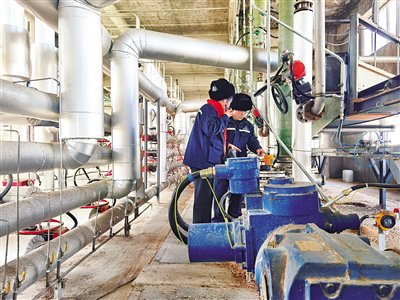
Core Viewpoint - The timely provision of a 1 million yuan loan to a local enterprise engaged in the processing of corn cobs highlights the importance of financial support for small and micro enterprises, especially in challenging conditions like heavy snowfall [1][2] Group 1: Company Operations - The enterprise, led by Mr. Dong, specializes in the acquisition and deep processing of corn cobs, converting agricultural waste into high-value products such as furfural and xylitol [1] - The utilization of corn cobs not only enhances the income of local farmers but also creates job opportunities, contributing to a green and prosperous industry [1] Group 2: Financial Support and Impact - The company faced a liquidity challenge due to significant investments in equipment upgrades and raw material storage, prompting the need for a 1 million yuan working capital loan [1] - The bank's commitment to conducting on-site investigations and promptly disbursing the loan demonstrates its trust in local industries and its dedication to supporting small businesses during tough times [2] - With the loan secured, the company can stabilize its inventory and expand its procurement scale, ensuring full operational capacity throughout the year [2]
糠醛生产忙
Xin Lang Cai Jing· 2026-01-13 19:50
Group 1 - The company, Zhongke Chemical Co., Ltd., is engaged in the hydrolysis and refinement of agricultural waste, specifically corn cobs, to extract furfural, with an annual production capacity of 20,000 tons [3] - The annual output value of the company is approximately 160 million yuan, contributing over 16 million yuan in annual taxes [3] - The operation is expected to increase local farmers' income by over 60 million yuan annually and directly provide more than 50 jobs, indirectly supporting over 200 additional jobs, thus driving local economic development [3]
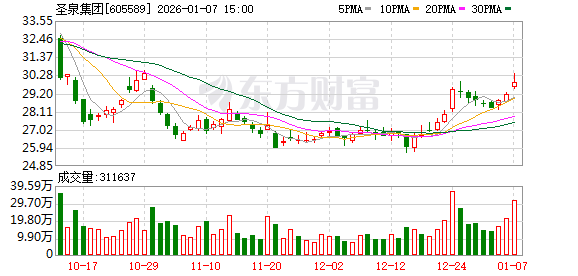
圣泉集团:目前大庆“年产100万吨生物质精炼一体化”项目主要产品包括秸秆浆生活用纸、糠醛和木质素产品
Zheng Quan Ri Bao· 2026-01-07 11:45
Core Viewpoint - Shengquan Group is actively developing high-value lignin products to support its Daqing project in achieving its goals of reducing losses and increasing efficiency [2] Group 1 - The Daqing project has an annual production capacity of 1 million tons of biomass refining integration [2] - Main products from the Daqing project include straw pulp for household paper, furfural, and lignin products [2] - Lignin products focus on biochar, hard carbon anode materials, dye dispersants, and zero-carbon fuels [2]
清泉股份创业板IPO获受理 拟募资4.92亿元
Zheng Quan Shi Bao Wang· 2025-12-30 07:46
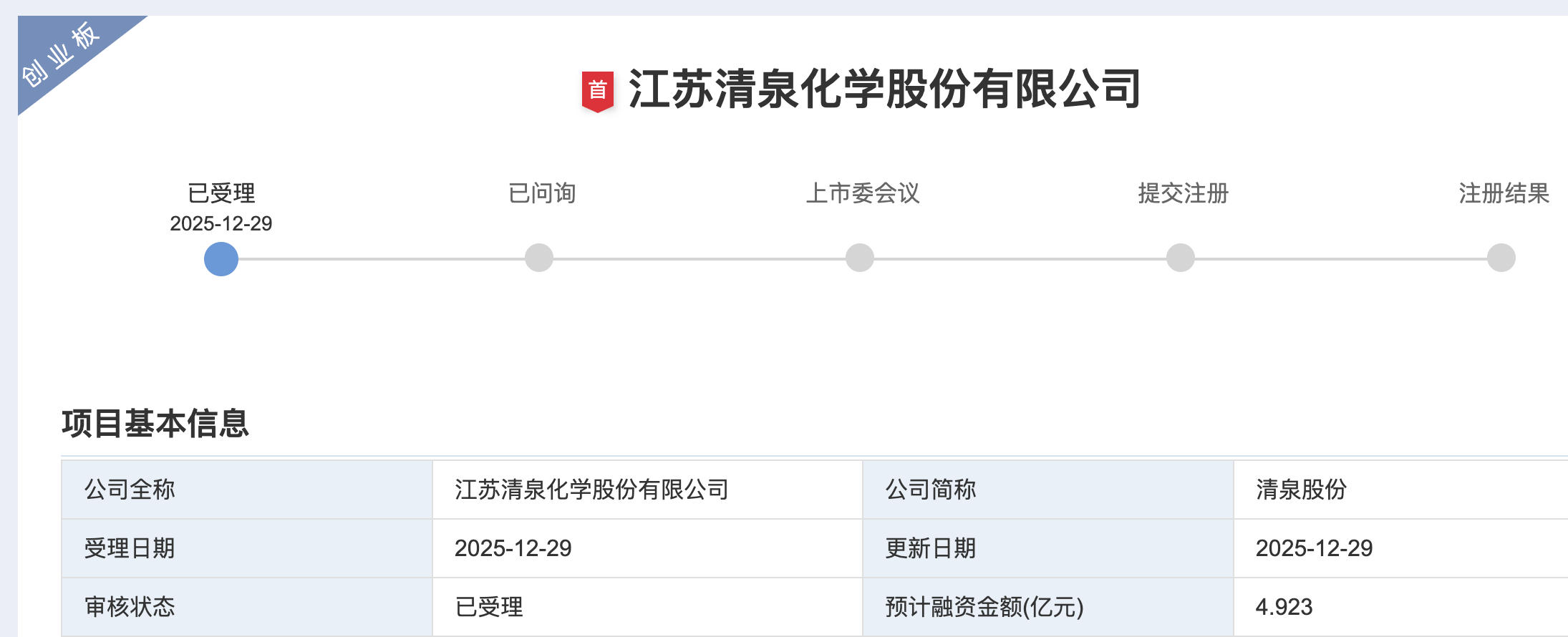
Core Viewpoint - Jiangsu Qingquan Chemical Co., Ltd. (referred to as "Qingquan") is advancing its IPO on the ChiNext board, aiming to raise 492 million yuan for various projects [1] Company Overview - Qingquan specializes in the R&D, production, and sales of specialty fine chemicals and high-performance polymer materials, recognized as a national-level "little giant" enterprise focusing on specialized technologies [3] - The company has developed a product matrix that includes new material monomers, green solvents, pharmaceutical and pesticide intermediates, and specialty polymer materials, with applications in aerospace, wind power, automotive, electronics, medical devices, chemicals, pharmaceuticals, and pesticides [3] - Qingquan is one of the early adopters in China to develop non-grain biomass-based raw materials, specifically furfural, breaking the traditional reliance on petroleum-based products [3] Technical Capabilities - Qingquan is recognized for its large-scale application of high-pressure catalytic hydrogenation technology in the fine chemical sector and has been designated as a "High-Pressure Catalytic Hydrogenation Engineering Technology Research Center" by the Jiangsu Provincial Department of Science and Technology [4] - The company has achieved international advanced levels in the development and industrialization of selective catalytic hydrogenation technology for cyclic specialty monomers, with its six-membered aromatic ring hydrogenation catalyst and process being internationally leading [4] - Qingquan's core products, MACM and 2-MeTHF, hold approximately 28% and 19% of the global market share, respectively, indicating a strong competitive position in the industry [4] Financial Performance - From 2022 to the first half of 2025, Qingquan's revenue is projected to grow from 687 million yuan to 797 million yuan, with net profits increasing from 53 million yuan to 99 million yuan [5] - The funds raised from the IPO will be allocated to projects including the technical transformation of MACM production, the production of furfural, tetrahydrofuran, and the establishment of a research and development center [5]

新三板挂牌仅3天,这家非粮生物制造企业冲刺北交所!
合成生物学与绿色生物制造· 2025-12-29 03:33
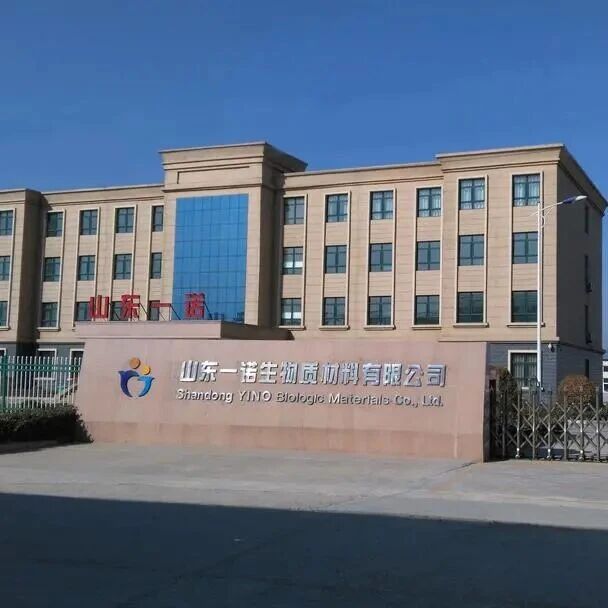
Core Viewpoint - Yinuo Biotech, a company focused on converting agricultural waste into high-value bio-based materials, has recently been listed on the New Third Board and is preparing for a listing on the Beijing Stock Exchange, highlighting its active engagement in the capital market [2]. Group 1: Company Overview - Yinuo Biotech was founded in 2015 and is led by Liu Zhanjie, who focuses on transforming corn cobs into valuable bio-based compounds such as furfural and its derivatives [4]. - The company's traditional product, furfural, has accounted for over 50% of its revenue in recent years, while 2-methyl tetrahydrofuran and 1,2-pentanediol are significant contributors to its gross profit [4]. Group 2: Industry Recognition - Yinuo Biotech has achieved "national and provincial dual champion" status, with its core product 2-methyl tetrahydrofuran recognized as a manufacturing champion at both levels, following the earlier recognition of furfural [5]. - The company’s 1,2-pentanediol product was awarded the title of "Innovative Product of the Year" by the China Petroleum and Chemical Industry Federation in 2024, underscoring its technological innovation and industrial value [4]. Group 3: Environmental Impact and Sustainability - Yinuo Biotech's production of 2-methyl tetrahydrofuran, derived from corn cobs, contributes to significant reductions in carbon footprints for downstream clients, aligning with the green and low-carbon goals of the high-end chemical industry in Shandong Province [5]. - The company has established a circular economy system by fully utilizing corn cobs and optimizing production processes, providing a sustainable development model for the bio-based materials industry [5]. Group 4: Research and Development - Yinuo Biotech emphasizes technological innovation and project development, collaborating closely with research institutions such as the Chinese Academy of Sciences and Shanghai Jiao Tong University to advance its product offerings [6].
研判2025!中国秸秆行业市场政策、产业链图谱、综合利用量、利用率、市场规模、竞争格局及发展趋势分析:市场格局较为分散[图]
Chan Ye Xin Xi Wang· 2025-12-23 01:36
Core Viewpoint - The straw industry in China is deeply integrated with agriculture, energy, chemicals, and building materials, forming various industrial chains that enhance rural employment and farmers' income while creating indirect economic value through the substitution of petrochemical and wood resources [1][12]. Market Policies - A series of national policies have been implemented to promote comprehensive utilization of straw, with local governments providing subsidies, market construction, and incentive measures to support the development of the entire straw recycling, processing, and utilization industry chain [8][9]. Industry Chain - The straw industry chain consists of upstream resource supply and equipment manufacturing, midstream processing, and downstream diversified applications, evolving towards scale, high value, and intelligence [9][10]. Development Status - The comprehensive utilization of straw in China is projected to increase from 555 million tons in 2024 to 647 million tons, with a utilization rate rising from 77.7% to 88.3% and market size expanding from 147.63 billion yuan to 205.10 billion yuan [1][13]. Competitive Landscape - The straw comprehensive utilization market is characterized by a fragmented structure with many small-scale enterprises, including those focused on fertilizer, feed, and energy applications [13][14]. Development Trends - The future of straw utilization will shift towards high-value applications, including biodegradable tableware and bio-based composite materials, while also enhancing collaboration across the industry chain [16][17]. - Technological innovations will focus on key processes such as straw pretreatment and conversion, improving efficiency and reducing costs [19][20].

圣泉集团(605589) - 圣泉集团关于公司2025年前三季度主要经营数据的公告
2025-10-29 10:19
证券代码:605589 证券简称:圣泉集团 公告编号:2025-086 济南圣泉集团股份有限公司 关于公司 2025 年前三季度主要经营数据的公告 本公司董事会及全体董事保证本公告内容不存在任何虚假记载、误导性陈述 或者重大遗漏,并对其内容的真实性、准确性和完整性承担法律责任。 济南圣泉集团股份有限公司(以下简称"公司")根据上海证券 交易所《上海证券交易所上市公司自律监管指引第 3 号行业信息披 露:第十三号——化工》的要求,现将公司 2025 年前三季度主要经 营数据披露如下: 二、主要产品和原材料的价格变动情况 (一)2025 前三季度公司主要产品价格变动情况 | 主要产品 | 2025 年前三季度 | | 2024 年前三季度 | | 变动比例(%) | | --- | --- | --- | --- | --- | --- | | | 平均售价(元/吨) | | 平均售价(元/吨) | | | | 合成树脂类 | | 6,958.45 | | 7,573.81 | -8.12 | 主要产品 产量(吨) 销量(吨) 营业收入(万元) 合成树脂类 585,520.23 588,666.24 409,62 ...
以部分农林剩余物为原料生产纤维板等资源综合利用产品实行增值税即征即退90%
蓝色柳林财税室· 2025-10-15 07:55
Core Viewpoint - The article discusses tax incentives aimed at promoting the development of rural specialty industries and the circular economy in agriculture, specifically through a VAT refund policy for certain resource utilization products made from agricultural by-products [2][7]. Summary by Sections Tax Incentives for Resource Utilization - A VAT refund of 90% is applicable for products made from specific agricultural by-products such as straw, corn cobs, and other residual materials [2]. - Eligible products include fiberboard, particleboard, biochar, activated carbon, and various sugars and alcohols derived from these materials [2]. Conditions for Enjoying Tax Benefits - Taxpayers must obtain VAT invoices from sellers when purchasing recycled resources domestically, or appropriate customs documentation when importing [3][4]. - A detailed record of recycled resource purchases must be maintained, including supplier information and transaction details [5]. - The products sold must not fall under categories deemed as eliminated or restricted by relevant regulatory bodies [5]. Compliance and Restrictions - Taxpayers must not have received administrative penalties for environmental violations or tax law violations in the six months prior to applying for the VAT refund [6]. - The raw materials used must consist of at least 95% of the specified resources to qualify for the tax incentives [7].