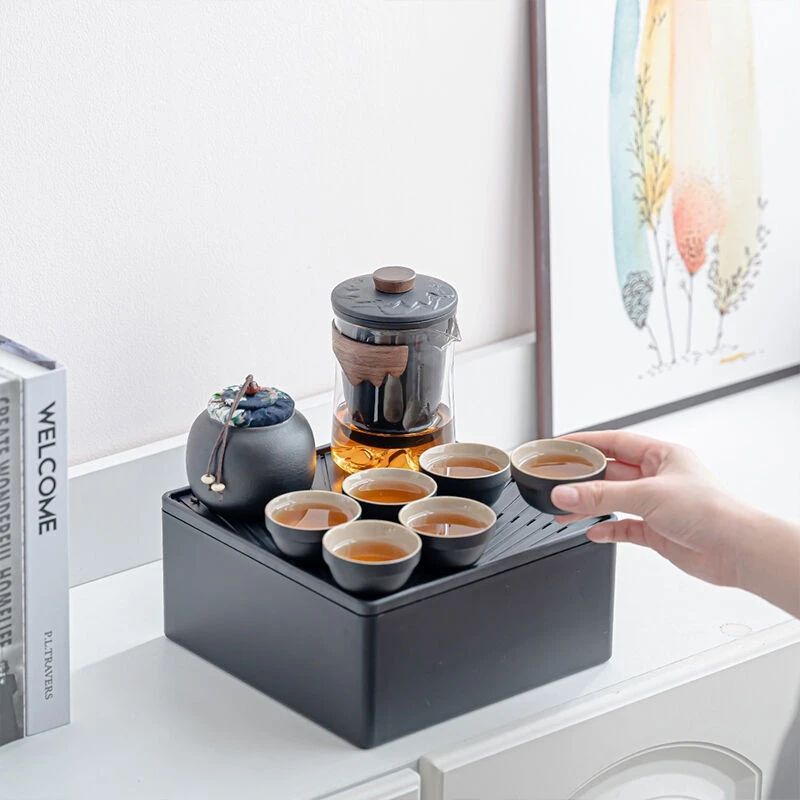
茶杯

Search documents
骐骥跃邯郸 古都邀您过大年丨赏民俗观非遗 共享新春喜悦
Xin Lang Cai Jing· 2026-02-22 05:32
Core Insights - The article highlights the vibrant atmosphere and cultural activities at the Mizhou Kiln Art District during the Spring Festival, showcasing a blend of traditional customs and modern entertainment [1][3]. Group 1: Cultural Activities - The Mizhou Kiln Art District features various cultural events, including a traditional "Weizi Lantern Array" parade and an interactive "Journey to the West" themed performance, attracting significant participation from visitors [3]. - The "Ceramic Fun Spring Festival" hands-on experience allows visitors to create ceramic items, emphasizing the unique craftsmanship of Mizhou Kiln and promoting cultural heritage [3]. Group 2: Nighttime Events - Evening activities include a "Thousand People Dance Party" that combines electronic music with traditional kiln culture, creating a lively celebration atmosphere [3]. - The "Magical Mizhou Kiln Night Market" offers a variety of cultural and festive products, with high enthusiasm from visitors for shopping [3]. - A singing competition, "Seven Factory Good Voice," showcases diverse singing styles, contributing to the festive spirit [3]. Group 3: Visitor Experience - Visitors express satisfaction with the variety of activities, highlighting the blend of performances and hands-on experiences that enhance the festive atmosphere [3]. - The events not only celebrate the traditional culture of Mizhou Kiln but also enrich the holiday experience for the community and attract tourists [3].

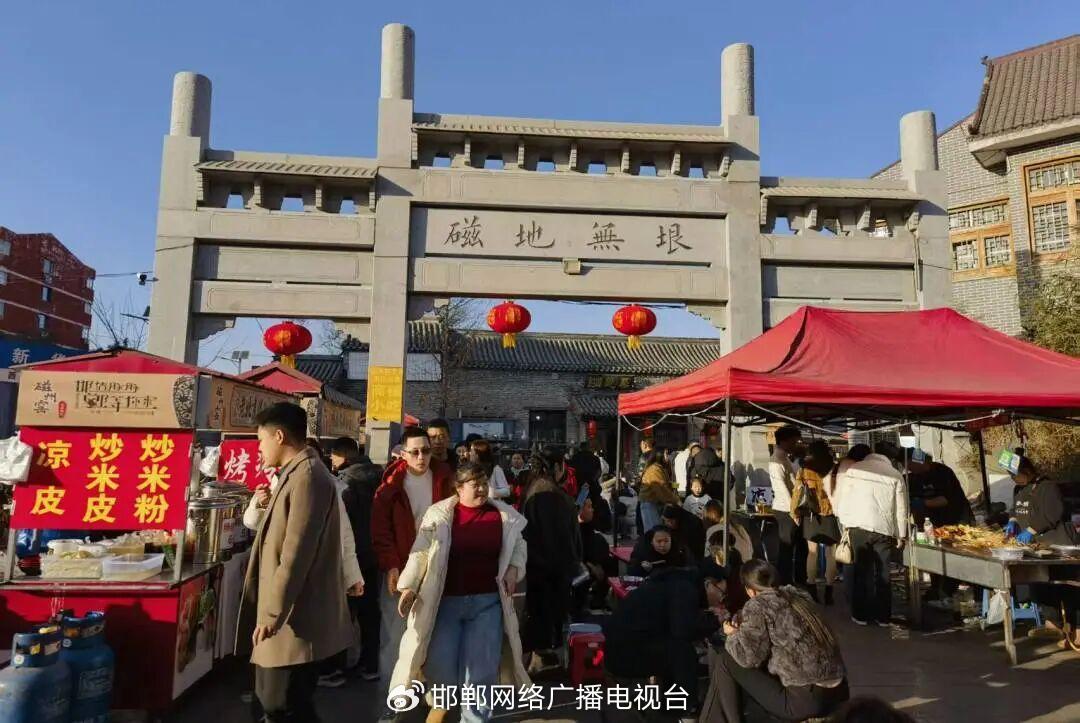
赏民俗观非遗 共享新春喜悦
Xin Lang Cai Jing· 2026-02-22 01:30
Core Viewpoint - The article highlights the vibrant cultural and tourism activities during the Spring Festival at the Mizhou Kiln Art District, showcasing traditional customs and attracting numerous visitors [1][2]. Group 1: Cultural Activities - The Mizhou Kiln Art District was decorated festively, featuring various folk performances, intangible cultural heritage experiences, and trendy activities, creating an immersive experience for citizens and tourists [1]. - The "Weizi Lantern Array" parade and the "Journey of the West" interactive performance engaged visitors, allowing them to experience traditional folk charm [1]. - The "Ceramic Fun Spring Festival" hands-on experience allowed tourists to create ceramic items, promoting the unique skills of Mizhou Kiln [1]. Group 2: Nighttime Events - Nighttime activities included a "Thousand People Disco" that combined dynamic electronic music with traditional kiln culture, generating a lively atmosphere [1]. - The "Mizhou Kiln Night Market" featured a variety of cultural and creative products, attracting enthusiastic shoppers [1]. - The "Seven Factory Good Voice" singing competition showcased various singing styles, contributing to the festive spirit [1]. Group 3: Visitor Experience - Visitors expressed satisfaction with the diverse activities, noting the combination of performances and intangible cultural heritage experiences, which enhanced the festive atmosphere [2]. - The events not only highlighted the cultural heritage of Mizhou Kiln but also enriched the holiday experience for the public, drawing tourists from various regions [2].
李亚鹏带货登总榜第一,90分钟销售额破5000万元,热度远超与辉同行!
新华网财经· 2026-01-24 03:39
Group 1 - The article discusses the recent activities of Li Yapeng and the Yanran Angel Children's Hospital, highlighting the significant attention and engagement generated by Li's live streaming sales events [1][20]. - On January 23, Li Yapeng conducted a live stream that attracted over 10 million viewers, achieving a peak viewership of 3412.5 million and generating sales exceeding 50 million yuan within 90 minutes [2][4][8]. - Li Yapeng's live stream topped the Douyin sales leaderboard with a heat score of 1683.8 million, significantly surpassing the second-place competitor [7]. Group 2 - The article mentions the confirmation of the landlord's identity for the Yanran Angel Children's Hospital, revealing that Zhang Yi, the founder of a well-known medical beauty institution, was previously involved but has since exited the company [11][12]. - The medical beauty institution, established in 1996, operates 163 high-end beauty service outlets and 19 medical beauty clinics across 48 major cities in China, with a significant acquisition of its shares occurring in 2025 [13][14]. - Concerns were raised regarding Li Yapeng's management capabilities, with suggestions for him to transition from a manager to a spokesperson role, allowing a professional team to handle operations [15][19].

文物活化、非遗传承、文旅融合 多视角感知中华文脉在传承中创新、在开放中焕彩
Yang Shi Wang· 2025-10-18 08:43
Core Perspective - The article highlights the significant advancements in cultural heritage and tourism in China during the "14th Five-Year Plan" period, showcasing the integration of technology and cultural preservation efforts [1]. Group 1: Cultural Heritage and Technological Integration - Over 130,000 new cultural heritage sites have been discovered, and nearly 2,000 national protection units are undergoing restoration [1]. - The use of virtual reality (VR) technology at the Sanxingdui Museum allows visitors to experience archaeological sites, enhancing engagement with ancient artifacts [3][7]. - AI technology has been employed to reconstruct ancient artifacts, such as the 2.53-meter bronze bird-foot statue, by accurately matching and assembling fragments from different excavation sites [9]. Group 2: Cultural and Tourism Industry Growth - The cultural tourism industry in China has seen a revenue surge, exceeding 10 trillion yuan, with museums receiving nearly 1.5 billion visitors annually [1]. - The Sanxingdui Museum has introduced various creative cultural products, such as bags and keychains featuring bronze figures, making ancient culture more accessible and appealing to younger audiences [10][12]. - In Gansu, the "Digital Dunhuang" project aims to reunite lost artifacts through digital means, attracting nearly 30,000 visitors from 29 countries since its launch [21]. Group 3: Regional Cultural Developments - Tibet's cultural tourism sector has welcomed over 57 million visitors in the first eight months of 2025, marking an 11.3% increase year-on-year, with cultural industry output exceeding 10 billion yuan [28]. - The "Village T" fashion show in Guizhou has gained national attention, showcasing local ethnic cultures and significantly boosting sales of traditional handicrafts [38].

福建三兄弟卖茶,要IPO了
创业家· 2025-07-25 10:04
Core Viewpoint - Baima Tea Industry is preparing for an IPO on the Hong Kong Stock Exchange, marking a significant step after multiple attempts to list on the A-share market. The company aims to leverage its extensive retail network and brand positioning to attract investors in a competitive market [4][24][29]. Group 1: Company Background - Baima Tea Industry was founded by three brothers from a century-old tea family in Anxi, Fujian, and has grown to over 3,500 stores, primarily through a franchise model [4][16]. - The company initially struggled with sales but pivoted to offer individually packaged tea bags to cater to younger consumers' preferences for convenience [9][10]. - By 2012, Baima Tea had nearly 1,000 stores and began to attract significant investment, leading to its listing on the New Third Board [10][21]. Group 2: Financial Performance - Baima Tea's revenue reached RMB 18.18 billion in 2022, RMB 21.22 billion in 2023, and RMB 16.47 billion in the first three quarters of 2024, with net profits of RMB 1.66 billion, RMB 2.06 billion, and RMB 2.08 billion respectively [18]. - The company relies heavily on marketing, with sales and marketing expenses accounting for over 30% of revenue, while R&D spending remains low [19]. Group 3: Market Position and Challenges - The tea industry in China faces challenges, including a lack of standardized quality and a predominance of small family-run businesses, which limits brand recognition and pricing power [27]. - Baima Tea's IPO journey reflects broader trends in the industry, as many traditional tea companies have struggled to go public, prompting a shift towards the Hong Kong market [24][26]. - The recent success of new tea beverage brands in the IPO market highlights a growing interest in innovative consumer companies, contrasting with the struggles of traditional tea brands [28].

福建三兄弟卖茶,要IPO了
投资界· 2025-07-22 07:45
Core Viewpoint - Baima Tea is preparing for an IPO on the Hong Kong Stock Exchange, marking a significant step after multiple unsuccessful attempts to list in A-shares. The company aims to capitalize on the growing trend of new tea beverages among younger consumers [1][15][17]. Company Background - Baima Tea originates from a century-old tea family in Anxi, Fujian, and has expanded to over 3,500 stores, primarily through a franchise model [1][9]. - The company was founded by three brothers, who initially struggled to attract customers until they introduced individually packaged tea bags for convenience [3][5]. Business Model and Revenue - Baima Tea's product offerings include a wide range of tea types, tea utensils, and tea-related snacks, with a significant portion of revenue generated from offline stores, accounting for over 60% of sales [9][10]. - As of September 30, 2024, Baima Tea had opened 3,498 stores, with over 90% being franchise locations [9][10]. Financial Performance - The company reported revenues of RMB 1.818 billion, RMB 2.122 billion, and RMB 1.647 billion for the years 2022, 2023, and the first nine months of 2024, respectively. Net profits for the same periods were RMB 166 million, RMB 206 million, and RMB 208 million, indicating a net profit margin increase from 9.1% to 12.6% [11][12]. - Marketing expenses have raised concerns, as they accounted for approximately 33.9% of revenue in 2022, with total advertising costs exceeding RMB 600 million [12]. Market Context - The tea industry in China is characterized by a predominance of small enterprises, with a lack of standardized quality and branding, which poses challenges for larger companies like Baima Tea [18]. - The recent surge in IPOs for new tea beverage companies highlights a shift in consumer preferences, prompting traditional tea companies to seek listings in Hong Kong as an alternative to A-shares [19][20].

让生活慢下来!质朴淡雅便携式旅行茶具,品味百态人生!
首席商业评论· 2025-06-05 03:54
Core Viewpoint - The article emphasizes the growing trend of outdoor leisure activities such as spring outings, camping, and the increasing interest in portable tea sets for enjoying tea on the go [1][5]. Group 1: Tea Culture and Its Significance - Tea culture has a profound influence on individuals, promoting self-cultivation, emotional refinement, and tranquility [7]. - Historical references highlight the importance of tea in Chinese culture, with tea performances being esteemed alongside other cultural activities during the Song Dynasty [8]. Group 2: Product Introduction - A new portable travel tea set is introduced, characterized by its simplicity, practicality, and aesthetic appeal [10]. - The tea set includes a teapot, a tea canister, and six cups, designed for sharing tea experiences conveniently [17][20]. Group 3: Product Features and Pricing - The travel tea set is affordably priced at 99 yuan, making it accessible compared to other tea sets that can cost hundreds or thousands [19][22]. - The set is made from high-quality raw clay, crafted through traditional methods and high-temperature firing, resulting in a delicate and ancient texture [13][43]. Group 4: Design and Usability - The tea set features a unique square storage bag that is both portable and aesthetically pleasing, suitable for home use and travel [17][24]. - It includes thoughtful design elements such as heat insulation and comfort in handling, enhancing the overall tea-drinking experience [55][60]. Group 5: Quality and Material - The use of local high-quality raw clay ensures the tea set retains flavor and aroma, making it ideal for brewing specific types of tea [49][51]. - The glass teapot allows for visual appreciation of the tea's color and the movement of tea leaves during brewing, adding to the enjoyment of the tea experience [56][58].