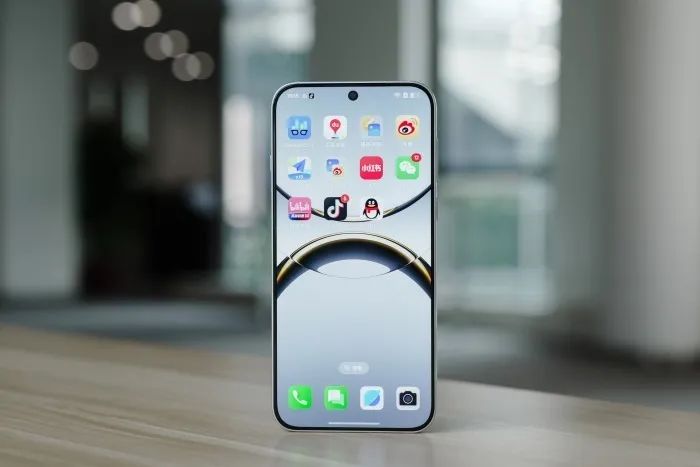
荣耀X系列

Search documents
Omdia:2025年,欧洲智能手机出货量下滑1%,苹果和荣耀创下市场份额历史新高
Canalys· 2026-03-04 00:03
Core Insights - The European smartphone market is projected to decline by 1% in 2025, reaching 134.2 million units, influenced by weak demand and new regulations on eco-design and USB-C [2] Group 1: Market Performance - Samsung remains the largest smartphone manufacturer in Europe, with a slight increase in shipments to 46.6 million units, benefiting from the strong performance of the Galaxy A16 and A56 models [4] - Apple’s shipments are expected to grow by 6% to 36.9 million units in 2025, achieving a record market share of 27%, driven by the popularity of the iPhone 16 series [4] - Xiaomi holds a 16% market share, with shipments declining by 1% to 21.8 million units, primarily relying on its Redmi series [4] - Motorola's shipments decreased by 5% to 7.7 million units, but it experienced a strong recovery in the second half of 2025 [5] - Honor entered the top five smartphone manufacturers in Europe for the first time, with a 4% increase in shipments to 3.8 million units, focusing on its affordable X series [5] Group 2: Competitive Landscape - The combined market share of the top five smartphone manufacturers continues to rise, indicating the importance of scale for long-term success in Europe [8] - Despite the concentration of market share among leading manufacturers, intense competition persists across all markets, necessitating differentiation and effective customer engagement strategies [8] - Emerging brands like vivo, Nothing, and Fairphone have achieved significant growth, demonstrating that opportunities exist even in a mature and competitive market [8] Group 3: Future Outlook - Concerns regarding memory prices may pose challenges for the European smartphone market in 2026, with the region accounting for 10.8% of global smartphone shipments in 2025 [10] - Leading manufacturers are expected to be more resilient due to their scale and price range coverage, while finding the right balance across different regions will be crucial for most companies [10] - The high-end market in Europe remains attractive for many manufacturers, despite the challenges of expanding smartphone business in the region [10]




2026,荣耀会不会跑出Others?
3 6 Ke· 2026-01-26 11:34
Core Insights - The Chinese smartphone market is projected to ship 284 million units in 2025, reflecting a slight year-over-year decline of 0.6% [3][8] - Huawei regained the top position with a shipment of 46.7 million units and a market share of 16.4%, while Honor fell out of the top five [3][8] - Honor's overseas market performance is strong, with over 50% of its shipments coming from international sales, and a 47% growth rate in overseas markets [15][20] Market Overview - The top five smartphone manufacturers in China for 2025 are Huawei, Apple, Vivo, Xiaomi, and OPPO, with shipments ranging from 43.4 million to 46.7 million units [8][18] - The market is characterized by intense competition, with small differences in market share among the top players [9][14] - Honor's domestic market share is estimated to be around 12.5%, significantly lower than its previous standing [11][12] Company Developments - Honor underwent significant leadership changes in early 2025, with CEO Zhao Ming stepping down and Li Jian taking over, leading to a restructuring of key management positions [5][21] - The company launched 16 new products in the last six months, covering various price ranges and market segments [6][7] Strategic Initiatives - Honor is shifting its focus towards becoming an "AI terminal ecosystem company," with plans to invest $10 billion over the next five years to build its AI ecosystem [21][24] - The introduction of the "ROBOT PHONE" aims to redefine the smartphone experience by integrating AI capabilities [24] Challenges and Opportunities - The competitive landscape is challenging, with Huawei and Apple dominating the high-end market, capturing nearly 80% of the profits in the segment [14] - Honor's growth in overseas markets is promising, but it faces challenges in scaling its operations and maintaining profitability due to rising component costs [20][21]

荣耀绝不倒下
3 6 Ke· 2026-01-08 11:57
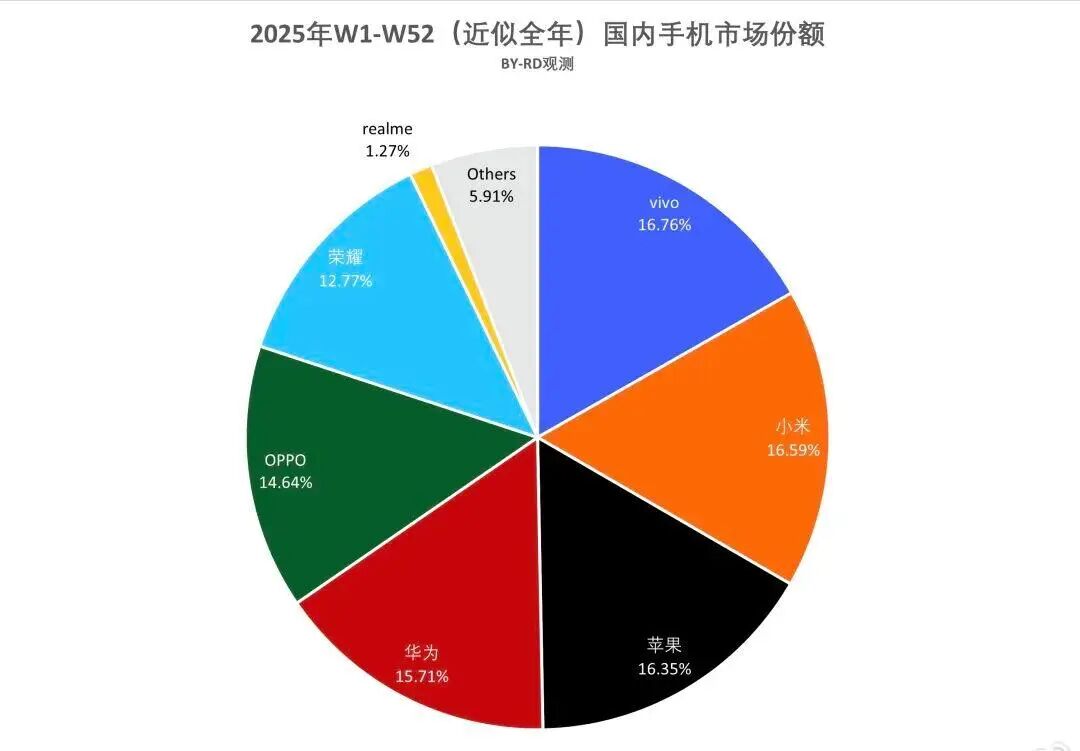
Core Viewpoint - Honor, once a market leader in China, is now facing a "mid-life crisis" characterized by intense price competition and struggles in the high-end market, while its transformation efforts appear to replicate Huawei's strategies rather than establish a unique identity [1][2]. Group 1: Market Performance - Honor's market share in China dropped to 12.77% in 2025, down approximately 2 percentage points from 14.79% in 2024, marking the largest decline among the top six brands [2]. - In Q1 2024, Honor reached a peak market share of 17.1%, but by 2025, it had decreased by 4.3 percentage points, equivalent to a 25% reduction [4]. - Honor's reliance on low-end products is evident, with 58% of its offerings priced below 2000 yuan, a 12 percentage point increase from the previous year [4]. Group 2: Brand Positioning and Challenges - Honor's market share in the high-end segment (priced above $600) is only 1.58%, significantly lower than Apple's 34% and Huawei's 16.4%, indicating severe marginalization [6]. - The company's gross margin in H1 2025 was 13.2%, down 2.8 percentage points year-on-year, and below the industry average of 15.6% [6]. - Honor's branding struggles stem from its historical ties to Huawei, leading consumers to view it as a "substitute" rather than a distinct brand [7][9]. Group 3: AI Transformation and Strategic Initiatives - Honor aims to transition into an AI-centric smart terminal ecosystem, with over 10 billion yuan invested in AI technology development [12]. - The "1×3×N" ecological strategy is designed to integrate AI capabilities across various sectors, but the company faces significant competition from established tech giants [12][13]. - Despite challenges, Honor's international sales have seen over 50% growth in emerging markets, with a notable 377% increase in foldable phone sales in Europe [15]. Group 4: Financial Outlook and Future Prospects - Honor's Pre-IPO valuation is approximately 200 billion yuan, a 23% decrease from its 2020 valuation of 260 billion yuan, reflecting cautious market sentiment regarding its competitiveness [17]. - The company must balance short-term shareholder returns with long-term investments in R&D to achieve a successful transformation [18]. - The year 2026 is critical for Honor to navigate the AI landscape and redefine its market position [18].
网传荣耀前中国区CMO姜海荣出任长安深蓝汽车CEO,官方暂无回应
Xin Lang Ke Ji· 2025-09-05 03:31
Core Insights - Jiang Hairong, former CMO of Honor in China, has recently joined Changan Automobile as the CEO of its subsidiary, Deep Blue Automotive [1] - Honor announced Jiang's resignation from his position as CMO in January this year, effective immediately [1] - Jiang Hairong has a long history with Huawei, having joined in 2005 and held various positions, including Director of Mobile Product Engineering and Head of Product Marketing for Honor [1] Company Developments - Jiang Hairong's transition to Changan Automobile marks a significant leadership change within the company [1] - The lack of response from both Changan Automobile and Jiang Hairong regarding this transition indicates a potential strategic shift within the company [1] Industry Context - Jiang's experience in product marketing and management at Huawei and Honor may bring valuable insights and strategies to Deep Blue Automotive [1] - The automotive industry is witnessing increased competition and innovation, making leadership changes critical for companies aiming to enhance their market position [1]
二季度拉美智能手机市场同比增长2%,荣耀同比大增70%
Bei Jing Shang Bao· 2025-09-03 07:22
Core Insights - The smartphone market in Latin America is projected to see a 2% year-on-year growth in shipment volume, reaching 34.3 million units by Q2 2025 [1] Company Performance - Xiaomi ranks second with shipments of 6.7 million units, achieving an 8% year-on-year increase, marking a historical high [1] - Honor's shipments surged by 70% to 2.9 million units, entering the top four for the first time and setting a new record [1] - Transsion ranks fifth with shipments of 2.4 million units, experiencing a 23% year-on-year decline [1] Market Dynamics - Xiaomi's growth is primarily driven by the performance of the Redmi A5 and 14C 4G models, particularly in Argentina, Colombia, and Central America [1] - Honor's breakthrough in Central America is attributed to the X series, Magic7 Lite, and 400 series, with the region surpassing Mexico to become Honor's largest market in Latin America [1]

目标中国前三,李健誓言带荣耀重生
Guan Cha Zhe Wang· 2025-05-29 08:11
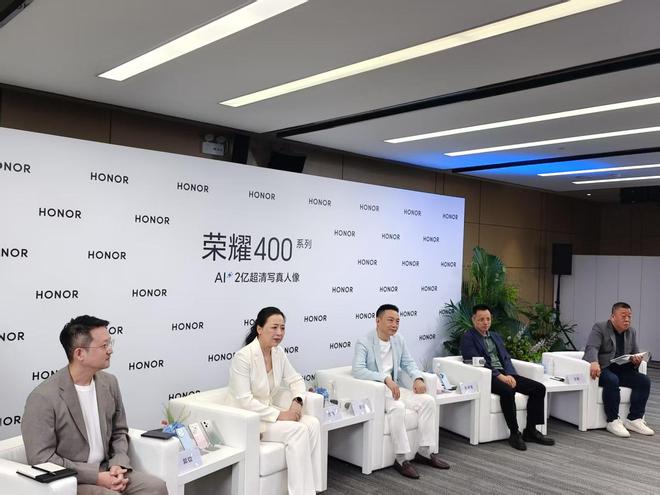
Group 1 - The new CEO of Honor, Li Jian, emphasizes a collective leadership approach and shares personal stories to connect with the audience, highlighting the company's focus on technology and humanistic values [1][3][4] - Honor is currently facing challenges due to increased competition from Huawei and a decline in market share, but the rise of AI technology presents an opportunity for transformation into an AI terminal ecosystem company [3][7][10] - Li Jian's confidence stems from his extensive experience at Huawei, where he held various leadership roles, and he believes that the company can achieve a turnaround despite current challenges [5][10][11] Group 2 - Honor's market share in China has been declining, with a drop from 16% in Q1 2024 to being categorized as "others" by Q4 2024, and a 12.8% year-on-year decrease in shipment volume [7][10] - The company is undergoing significant internal restructuring, with 45% of key positions in the China region being reassigned through a competitive process, indicating a focus on enhancing organizational effectiveness [9][10][11] - The launch of the Honor 400 series aims to strengthen the company's position in the mid-range smartphone market, featuring advanced technology and competitive pricing [12][13] Group 3 - Li Jian outlines a strategic framework for transformation, termed "433," which includes four types of thinking, three driving forces, and three main lines of change, focusing on elevating business capabilities [8][10] - The "Alpha Strategy" aims to transition Honor from a smartphone manufacturer to an AI terminal ecosystem company, with a focus on collaboration and innovation in AI technology [15][16] - Honor has initiated the "Global Million Eagle Plan" to recruit top talent and enhance brand strength, recognizing the need to improve its market position against competitors like Huawei and Apple [15][17]
直屏回归,小屏当道,国产手机厂商开始听劝了
3 6 Ke· 2025-03-27 12:59
Core Insights - The smartphone market is witnessing a shift from curved screens to flat screens, driven by consumer demand for practicality and usability [1][3][5] - There is a growing interest in small-screen smartphones (below 6.3 inches), as recent models have begun to overcome previous performance and battery life limitations [11][13][15] - The trend towards flat screens and small screens reflects a more mature consumer perspective, prioritizing functionality and ease of use over aesthetic appeal [17] Flat Screen Trend - Since Q4 of the previous year, flagship smartphones have predominantly adopted flat screen designs, with notable examples including Honor Magic7 and OPPO Find X8 [3] - Flat screens offer several advantages over curved screens, such as higher durability, lower production costs, and reduced accidental touches [5] - The upcoming OPPO Find X8 Ultra is set to feature a flat screen, marking a significant departure from traditional design norms for Ultra models [7] Small Screen Resurgence - The introduction of mini models, such as the vivo X200 Pro mini, has reignited interest in small-screen smartphones, which are now being recognized for their flagship-level performance [11][13] - The "impossible triangle" of performance, battery life, and imaging capabilities has been addressed in recent small-screen models, making them more appealing to consumers [11][15] - Upcoming models like OPPO Find X8s and OnePlus 13 mini are expected to further enhance the small-screen segment, providing consumers with more options [15] Consumer Preferences - The return to flat and small screens indicates a shift in consumer preferences towards practical and user-friendly designs [17] - Flat screens are perceived to have lower touch error rates and better durability, while small screens are appreciated for their portability and ease of handling [17] - Overall, the industry is moving towards products that align with consumer demands for usability and reliability [17]