询价转让

Search documents
比定增更“香”?百亿私募、千亿公募 争相入场!
Zhong Guo Zheng Quan Bao· 2026-02-11 14:32
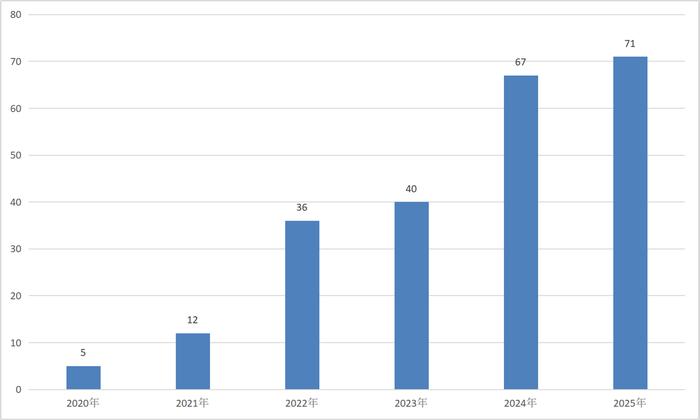
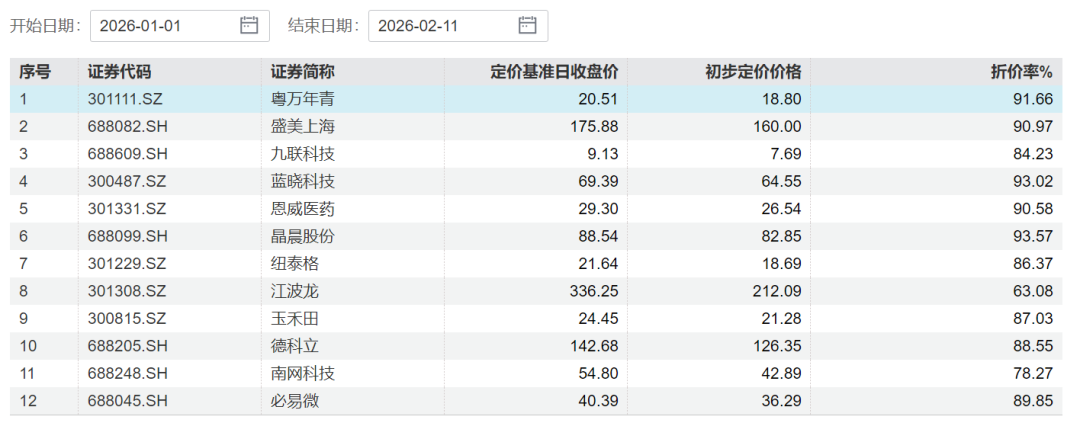
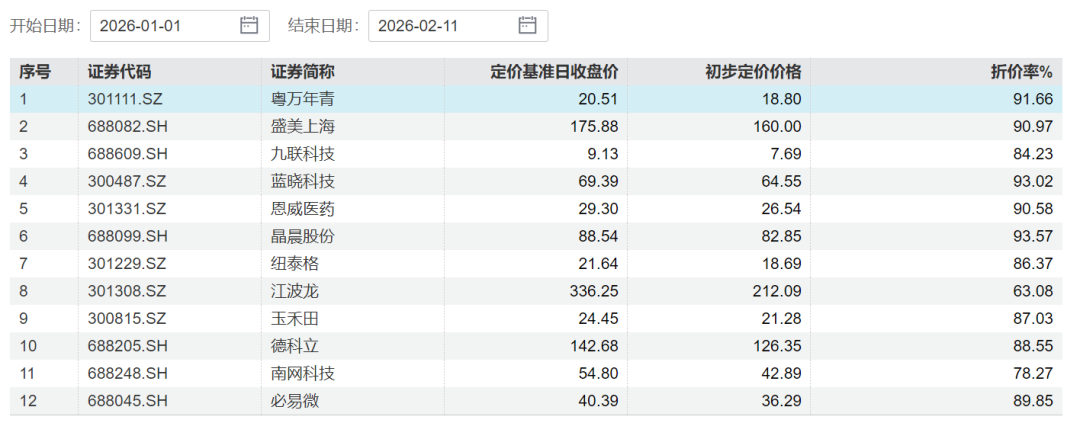
Core Viewpoint - The increasing trend of funds focusing on inquiry transfer projects, which offer shorter cycles and greater discounts, is aimed at enhancing capital utilization efficiency [1]. Group 1: Market Trends - Since 2026, 12 listed companies have conducted inquiry transfers, with notable participation from well-known public and private fund institutions such as E Fund, Huaxia Fund, and Nord Fund [1][2]. - The inquiry transfer of Guangdong Wannianqing Pharmaceutical Co., Ltd. involved a maximum transfer of 8 million shares at a price of 18.80 CNY per share, reflecting a discount rate of 91.66% compared to the closing price on the pricing benchmark date [2][3]. Group 2: Participant Analysis - Private and public funds are the main participants in inquiry transfers, with private funds having the highest subscription frequency from 2020 to 2025, totaling 577 times [3]. - Public funds led with 82 subscriptions among licensed financial institutions, followed by QFII and securities companies with 43 and 60 subscriptions, respectively [3]. Group 3: Performance Metrics - As of February 11, 2026, 11 out of 12 companies that conducted inquiry transfers had stock prices above the initial transfer price, with some institutions achieving floating profits exceeding 30% [4]. - For example, Jiangbolong's inquiry transfer price was 212.09 CNY per share, while its stock price reached 284.14 CNY, resulting in a floating profit rate of approximately 34% [4]. Group 4: Comparative Analysis with Private Placements - Inquiry transfers have shown superior returns and discount performance compared to private placements, with an average return of 49.52% for inquiry transfers in 2025, surpassing the 38.61% return from competitive private placements [4][5]. - The number of companies conducting inquiry transfers increased from 12 in 2021 to 180 in 2025, indicating a growing acceptance of this method [5]. Group 5: Strategic Insights - Inquiry transfers and private placements complement each other by offering different risk-return profiles, attracting various investment strategies [5]. - The focus on sectors such as semiconductors, AI hardware, and domestic software is expected to enhance the visibility and growth certainty of leading companies, making their equity attractive assets [5].



比定增更“香”?百亿私募、千亿公募,争相入场!
Zhong Guo Zheng Quan Bao· 2026-02-11 14:13
Core Insights - The investment community is increasingly focusing on inquiry transfers as a means to enhance capital efficiency, moving beyond traditional fixed increase projects [1] - A total of 12 listed companies have engaged in inquiry transfers since 2026, with notable participation from various public and private fund institutions [3] Group 1: Market Trends - Inquiry transfers have seen significant participation from both private and public funds, with private funds leading in subscription counts from 2020 to 2025, totaling 577 instances [4] - The number of companies conducting inquiry transfers has surged from 12 in 2021 to 180 by 2025, indicating a growing trend in this investment strategy [6] Group 2: Performance Metrics - Many institutions participating in inquiry transfers have reported substantial floating profits, with some exceeding 30% [5] - As of February 11, 2026, 11 out of 12 companies that conducted inquiry transfers had stock prices above their initial transfer prices, showcasing strong market performance [5] Group 3: Comparative Analysis - Inquiry transfers have demonstrated superior yield and discount performance compared to fixed increases, with an average return of 49.52% for inquiry transfers versus 38.61% for competitive fixed increases by the end of 2025 [5] - The average discount for inquiry transfers was 84.34%, outperforming the 86.88% for competitive fixed increases, highlighting the cost-effectiveness of this approach [5] Group 4: Strategic Implications - Inquiry transfers and fixed increases serve complementary roles in the market, attracting different investment strategies due to their distinct risk-return profiles [6] - Future investment strategies are expected to focus on sectors such as semiconductors, AI hardware, and domestic software, where the performance visibility and growth certainty of leading companies are significantly enhanced [6]
2025年“双创板”询价转让持续走热
Zheng Quan Ri Bao· 2026-01-10 01:24
Core Insights - The article discusses the increasing activity of the inquiry transfer system in the A-share market, particularly in the ChiNext and Sci-Tech Innovation Board, highlighting its role in providing diversified exit channels for shareholders before IPOs [1][2][3]. Group 1: Inquiry Transfer System Overview - In 2025, the inquiry transfer system became more active, with 158 companies completing 179 batches of transfers, totaling 884.81 billion yuan, a year-on-year increase of 420.75% [2]. - The first inquiry transfer in the ChiNext occurred in April 2025, with Shenzhen Anpeilong Technology Co., Ltd. being the first to utilize this system [2]. - The inquiry transfer system allows shareholders to exit in an orderly manner, reducing the impact on the secondary market and optimizing the investor structure of companies [1][3]. Group 2: Market Dynamics and Institutional Participation - The average number of institutions participating in inquiry transfers rose to 18.43 in 2025, a 30.06% increase from 2024 [4]. - The average transfer price was 84% of the closing price on the pricing day, indicating a decrease in pricing compared to 2024 [4][5]. - The increase in institutional participation and the reduction in pricing reflect a deeper market-oriented negotiation process, enhancing pricing efficiency [5]. Group 3: Implications for Market Structure - The inquiry transfer system is seen as a key element in the transition of the A-share market from retail to institutional investment, facilitating a "soft landing" of share transfers [3][5]. - It is viewed as a win-win arrangement, benefiting shareholders, listed companies, and the capital market by reducing market volatility and encouraging long-term investment [3][5]. - The system's successful implementation in the ChiNext and Sci-Tech Innovation Board suggests potential for broader application across other market segments, aligning with the direction of comprehensive registration system reforms [6].
近千亿元,A股询价转让“井喷”
Zheng Quan Shi Bao· 2025-11-20 09:00
Core Viewpoint - The article discusses the rise of inquiry transfer as a preferred method for shareholders to exit their investments in the context of a recovering market, highlighting its market-oriented and standardized characteristics, which have reshaped the A-share reduction ecosystem [1][3]. Group 1: Inquiry Transfer Overview - Inquiry transfer has become a popular mechanism for indirect share reduction among listed companies, with 147 companies conducting 162 transactions this year, totaling approximately 998.79 billion yuan [3]. - The inquiry transfer mechanism allows original shareholders to transfer shares to specific institutional investors through non-public inquiries, primarily used in the Sci-Tech Innovation Board and the Growth Enterprise Market [4]. - Since the pilot implementation of the inquiry transfer system in August 2020, 223 companies have conducted 322 transfers, with a cumulative transfer value exceeding 1.7 trillion yuan [4]. Group 2: Market Impact and Participation - The inquiry transfer has significantly reduced the impact of large-scale reductions on stock prices, with regulations ensuring that the transfer price cannot be lower than 70% of the average trading price over the previous 20 trading days [4]. - The average discount rate for inquiry transfers this year has increased, with an average discount of 84% compared to 88% and 90% in 2024 and 2023, respectively [5]. - Institutional participation in inquiry transfers has surged, with an average of over 17 institutions involved in each transfer this year, compared to 14 in 2024, indicating heightened interest from institutional investors [7]. Group 3: Benefits for Investors - Inquiry transfers facilitate a smoother transition from early investors to long-term investors, helping to alleviate pressure on the secondary market and boost investor confidence [6]. - The mechanism allows for a more efficient reduction process, with the ability to complete pricing within one day and the option for multiple parties to transfer or acquire shares [7]. - For long-term investors, the inquiry transfer offers a higher discount floor compared to traditional placements, enabling quicker accumulation of shares [8].

近千亿元!A股询价转让“井喷”
Zheng Quan Shi Bao· 2025-11-20 08:15
Core Viewpoint - The article highlights the rise of inquiry transfer as a preferred method for shareholders to exit their investments in the context of a recovering market, with nearly 100 billion yuan in inquiry transfers this year, reshaping the A-share reduction ecosystem [1][3]. Group 1: Inquiry Transfer Overview - Inquiry transfer has become a market-oriented and standardized tool for orderly exits, with a cumulative amount of nearly 100 billion yuan this year [1][3]. - The inquiry transfer mechanism allows original shareholders to transfer shares to specific institutional investors through non-public inquiries, primarily used in the Sci-Tech Innovation Board and the Growth Enterprise Market [4][6]. - Since the pilot of the inquiry transfer system in August 2020, 223 companies have conducted 322 inquiry transfers, totaling over 170 billion yuan in market value [4]. Group 2: Market Participation and Demand - A total of 147 companies have conducted 162 inquiry transfers this year, with the largest being from Ningde Times, which alone accounted for approximately 17.2 billion yuan [3][4]. - The average number of institutions participating in inquiry transfers has increased to over 17 this year, indicating heightened interest from institutional investors [7]. - The average subscription multiple for inquiry transfers this year is around 2 times, with the highest reaching nearly 5 times [7]. Group 3: Impact on Market Dynamics - Inquiry transfers are designed to minimize the impact of large reductions on stock prices, with specific rules in place to protect secondary market investors [4][8]. - The average discount rate for inquiry transfers this year is 84%, which is lower than the previous years' averages of 88% and 90% [5]. - The inquiry transfer mechanism facilitates a smoother transition from early investors to long-term investors, thereby alleviating pressure on the secondary market and enhancing investor confidence [6][8].
上市公司询价转让成私募套利新方向,这几家百亿私募现身了
Xin Lang Cai Jing· 2025-07-18 04:05
Group 1 - The core viewpoint of the article highlights the increasing popularity of inquiry transfer among A-share listed companies in 2023, with a significant rise in the number of announcements and transactions [1][2] - As of July 17, 2023, 67 listed companies have announced 71 inquiry transfers, marking a notable increase compared to previous years since the system's pilot launch in August 2020 [1][2] - The inquiry transfer system officially launched on the ChiNext board in May 2024, contributing to the surge in inquiry transfer cases this year [2] Group 2 - Inquiry transfers allow shareholders of listed companies to transfer shares before the initial public offering through market-based pricing, which helps mitigate the impact of large sell-offs on secondary market prices [2][7] - Private equity firms are significant participants in inquiry transfers, often acquiring shares at a discount compared to market prices, providing an efficient way to build large positions [2][4] - As of July 17, 2023, 12 private equity firms have participated in inquiry transfers at least 10 times this year, with many managing over 2 billion yuan [4][5] Group 3 - Lingding Investment is the most active private equity firm, appearing in the transfer lists of 47 companies, with notable transactions in companies like Guibao Pet and Jimi Technology [5][6] - Other prominent private equity firms include Shengquan Hengyuan and Jinde Private Equity, both managing over 10 billion yuan and frequently participating in inquiry transfers [6][7] - The inquiry transfer process requires a minimum transfer of 1% of the total shares, with a six-month lock-up period for the acquired shares, favoring larger private equity firms with sufficient capital [7]