
远程医疗平台

Search documents
让优质医疗资源沉到老百姓家门口(落地有声·高质量办理代表建议)
Ren Min Ri Bao· 2026-02-10 22:22
Core Insights - The article highlights the urgent need for improvements in grassroots healthcare facilities in China, emphasizing the importance of both hardware and talent retention to enhance service quality [1][2]. Group 1: Issues Identified - Grassroots healthcare facilities are inadequate, leading to increased patient travel and potential delays in treatment [1]. - The suggestion to improve grassroots healthcare includes not only upgrading physical infrastructure but also retaining skilled professionals [1]. Group 2: Proposed Solutions - The proposal includes policy incentives to encourage experts and key personnel to work in grassroots settings and accelerate the establishment of integrated medical systems [1]. - The use of telemedicine technology is suggested to allow patients in rural areas to consult with specialists remotely [1]. Group 3: Progress and Implementation - There are signs of positive change, with remote medical platforms enabling real-time connections between rural patients and experts, and gradual improvements in the conditions of grassroots medical institutions [2]. - The relevant authorities are actively working on modifying regulations in line with the suggestions made, indicating a commitment to addressing the identified issues [1].

两会三人行|破题互联网医疗,要让数据真正“用起来活起来”
Bei Jing Shang Bao· 2026-01-27 07:02
Group 1: Internet Healthcare Development - Internet healthcare and AI technologies are transforming medical service models and are seen as crucial for the development of healthcare in Beijing [1] - Current challenges include fragmented platforms, unclear application boundaries of AI and online diagnosis, and isolated medical data hindering innovation [1] - Multiple city council members emphasize the need for clear service boundaries and risk prevention while promoting technology and data value [1] Group 2: Remote Medical Services for Elderly - A significant portion of elderly individuals in Beijing face difficulties accessing healthcare services, particularly high-functioning seniors [4] - A proposed solution includes establishing a remote medical service system centered around top-tier hospitals, enabling remote consultations and management [4][5] - Training community healthcare providers to assist elderly patients with technology and health monitoring is essential for effective remote healthcare delivery [5] Group 3: Challenges in Internet Healthcare - Despite the growth of internet healthcare, there are significant gaps in its application in core medical processes such as diagnosis and treatment [7] - Only 0.5% of total medical consultations in Beijing are conducted online, indicating a substantial gap compared to leading platforms [7] - Regulatory focus remains on hospitals rather than platforms, which hampers innovation and accountability in the sector [8] Group 4: Data Utilization in Healthcare - Medical institutions face issues with "data silos," where data ownership and usage rights are unclear, limiting the integration of AI and internet healthcare [9] - Recommendations include strengthening platforms, activating resources, innovating regulations, and enhancing data sharing to fully utilize medical data [9] Group 5: Cautions on AI and Internet Healthcare - There is a need to avoid blind reliance on AI and internet healthcare, particularly for vulnerable populations who may require in-person medical attention [10][11] - AI should be viewed as a supportive tool rather than a replacement for healthcare professionals, with clear boundaries established for its application [12]



委员谈民生:为残障人士配无障碍健身器材,为老人建远程医疗平台
Xin Jing Bao· 2026-01-27 01:02
Group 1: Public Health and Fitness Initiatives - The Beijing Municipal Government aims to enhance public health services, with over 53% of residents participating in regular physical activities and an average of 3.26 square meters of fitness space per person [2][3] - Suggestions include creating volunteer service teams involving university sports students and community doctors to offer fitness classes for the elderly and training camps for youth, as well as providing accessible fitness equipment for disabled individuals [2][3] - The proposal emphasizes the need for a comprehensive public fitness service system and the establishment of a unified platform for fitness services, integrating venue reservations and event registrations [3] Group 2: Elderly Care and Medical Services - A focus on improving home healthcare services for elderly individuals with disabilities and dementia is highlighted, advocating for a remote medical service network centered around major hospitals [4][5] - The need for training community doctors to assist elderly patients in using remote healthcare systems and ensuring real-time health data sharing is emphasized [4][5] - Recommendations include enhancing emergency response mechanisms for community healthcare points to ensure timely medical assistance for the elderly [5] Group 3: Consumer Rights and Prepaid Consumption Regulation - The establishment of a unified regulatory platform for prepaid consumption is proposed to protect consumer rights, addressing issues related to businesses failing to fulfill prepaid agreements [6][7] - Suggestions include implementing stricter market entry requirements for businesses using prepaid models and introducing a risk reserve fund to compensate consumers in case of business failures [6][7] - The proposal advocates for the integration of digital monitoring and credit systems to enhance market regulation and improve consumer protection mechanisms [6][7]
从规模扩张到价值跃迁:品质消费如何重塑万亿级市场
Huan Qiu Wang· 2025-12-23 04:23
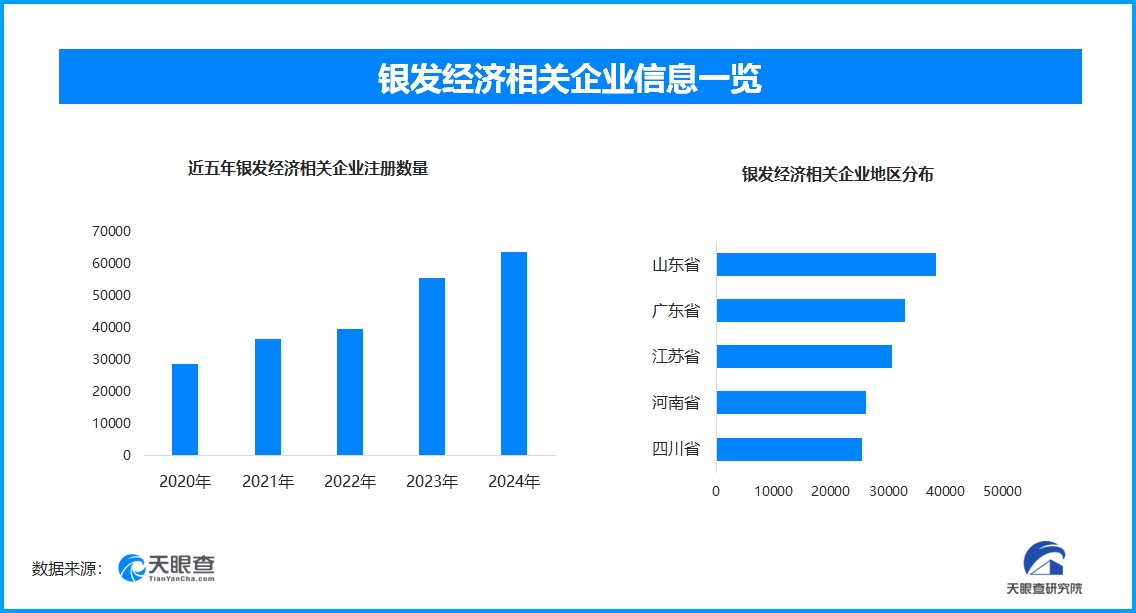
Core Viewpoint - The consumption market is undergoing a structural transformation from policy-driven expansion to quality-driven growth, with a focus on three key sectors: silver economy, maternal and infant consumption, and smart home technology [1] Silver Economy - The aging population in China is projected to reach 310 million by the end of 2024, accounting for 22% of the total population, with 220 million aged 65 and above [2] - The elderly population is increasingly seeking quality and intelligent living solutions, leading to a shift from traditional elderly care to technology-driven and health-oriented services [2] - The market for elderly products is expected to grow from 5.4 trillion yuan in 2024 to 6.1 trillion yuan by 2025, with a compound annual growth rate of 7.3% from 2014 to 2024 [2] - Over 405,000 companies related to the silver economy are currently registered in China, with approximately 75,000 new registrations in 2025 alone [2] Maternal and Infant Consumption - The retail sales of maternal and infant products (excluding food) are projected to reach 565.33 billion yuan in 2024, driven by the demand for smart, safe, and personalized products [6] - The number of registered maternal and infant product companies has exceeded 11.37 million, with about 2.99 million new registrations in 2025 [6] - Key regions for maternal and infant product companies include Guangdong, Hainan, and Hubei, which collectively account for over 35% of the total [6] Smart Home Technology - The smart home market in China is expected to reach 756 billion yuan in 2024 and surpass 800 billion yuan in 2025, with a target of reaching 1 trillion yuan by 2027 [9] - AI technology is transforming smart home products and services, enabling interconnected ecosystems that enhance user experience and energy efficiency [9] - There are over 92,000 registered smart home companies in China, with Guangdong leading in company numbers [9] Overall Market Trends - The three sectors are expected to drive significant growth in the consumption economy, transitioning from scale expansion to high-quality development, supported by policy initiatives and technological innovations [10]
第八届海南国际健康产业博览会闭幕
Hai Nan Ri Bao· 2025-12-23 04:04
Core Insights - The 8th Hainan International Health Industry Expo concluded, attracting 253 domestic and international exhibitors and over 35,000 visitors, including 3,850 professional buyers [1][2] - The expo facilitated over ten cooperation projects with an intended signing amount of 600 million yuan, covering international collaboration, industry integration, and medical education research [1][2] - The event showcased a total exhibition area of 12,000 square meters, featuring key domestic parks and provinces, highlighting innovative achievements in the health industry [1] Group 1 - The expo focused on key areas such as innovative pharmaceuticals, smart healthcare, rehabilitation and elderly care, and traditional Chinese medicine, featuring an international exhibition area that gathered cutting-edge technologies and services [2] - Various professional forums were held, including the first China Energy Conservation and Carbon Reduction Forum and the Health Longevity Development Forum, inviting industry experts to discuss trends, policies, and technological innovations [2] - Accompanying activities included free medical consultations, product launches, immersive health experiences, and a walking event that attracted 5,000 participants from various sectors [2] Group 2 - The Hainan Health Expo has become a significant platform for showcasing global health industry achievements, facilitating technical exchanges and trade cooperation [3] - The event promotes the integration of smart healthcare, innovative pharmaceuticals, and health services, contributing to the development of Hainan as a "health island" and supporting high-quality growth in the free trade port's health industry [3] - The expo was co-hosted by multiple government agencies and organizations, emphasizing its importance in the health sector [3]
“精诚为民”筑牢百姓生命健康保障防线
Xin Lang Cai Jing· 2025-12-22 17:14
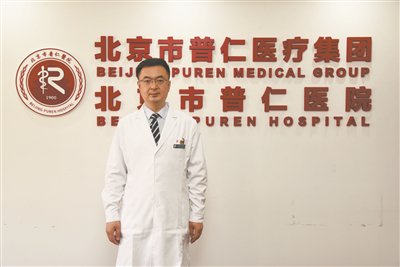
Core Viewpoint - The article highlights the innovative leadership of Gu Qiang, the director of Beijing Puren Hospital, in advancing healthcare services and reforming the medical system in Beijing, emphasizing the importance of quality healthcare and community service [3][4][5][6]. Group 1: Hospital Development and Management - Gu Qiang has led the establishment of Beijing Puren Medical Group, implementing the "Five Unchanged, Five Unified" management principle to enhance operational efficiency across various healthcare facilities [3]. - The hospital has seen a 22% increase in outpatient visits at the Dongcheng District Maternal and Child Health Hospital within two years due to performance reforms that link patient satisfaction to staff promotions [3]. - A remote medical platform has been developed to allow real-time transmission of X-ray images from community health service centers to the hospital's imaging center, facilitating expert consultations [3]. Group 2: Quality of Care and Medical Innovation - Gu Qiang has prioritized academic development by designing a "433" discipline framework, focusing on four key specialties, three diagnostic platforms, and three specialty centers to enhance the hospital's reputation [4]. - The hospital achieved high-quality completion of its tertiary comprehensive hospital accreditation, with patient satisfaction rates maintained above 98% [4]. - The implementation of a quality control system covering the entire diagnosis and treatment process has been a key focus, alongside the establishment of a multi-disciplinary consultation model for complex cases [4]. Group 3: Integration of Traditional and Modern Medicine - Gu Qiang has actively promoted the integration of traditional Chinese medicine (TCM) with Western medicine, launching TCM clinics and developing comprehensive treatment plans for chronic disease patients [5]. - Over a thousand community physicians have been trained in TCM techniques, enhancing the capacity for TCM services in grassroots healthcare [5]. - Upgrades to TCM facilities within the medical group have made services like acupuncture and massage more accessible to residents [5]. Group 4: Human-Centered Care and Community Engagement - The hospital has initiated palliative care forums and expanded services for elderly patients, including home care for those with disabilities [6]. - Gu Qiang maintains a hands-on approach, regularly seeing patients and coordinating assistance for those in financial need [6]. - The hospital aims to achieve the status of a tertiary A-level comprehensive hospital by 2025, reflecting its commitment to continuous improvement in healthcare delivery [6].
2025第八届海南国际健康产业博览会开幕
Hai Nan Ri Bao· 2025-12-20 23:27
Core Insights - The 2025 8th Hainan International Health Industry Expo opened in Sanya, attracting 253 domestic and international enterprises to discuss the development of the health industry [1][2] - The expo spans 4 days and covers an exhibition area of 12,000 square meters, focusing on key areas such as innovative medical devices, smart healthcare, rehabilitation and elderly care, traditional Chinese medicine, and high-end health products [1][2] Group 1 - The expo features specialized forums, product displays, and interactive experiences to showcase cutting-edge achievements in the global health industry [1] - The event includes a dedicated international exhibition area to present the latest technologies, products, and service models in the health sector [1] - Various activities such as free medical consultations, product launches, and immersive health experiences are planned to engage both professional audiences and the general public [1] Group 2 - Since its inception, the expo has successfully run for seven years, becoming the only government-supported professional expo in the medical and health field in the province [2] - The event aims to leverage the unique policy advantages of Hainan Free Trade Port and the accumulated industry resources to establish itself as a regional international exhibition brand [2] - Multiple signing ceremonies and project promotion activities are scheduled during the expo, with expectations to achieve significant cooperation outcomes [2]
LifeMD Inc (NASDAQ:LFMD) Targets Substantial Growth in the Virtual Healthcare Sector
Financial Modeling Prep· 2025-11-25 03:06
Core Insights - LifeMD Inc is a significant player in the virtual healthcare industry, recognized for its innovative telehealth platform and strong revenue growth, earning spots on the 2025 Deloitte Technology Fast 500 and TIME's America's Growth Leaders of 2026 lists [1][5] Financial Performance - On November 24, 2025, Loop Capital Markets set a price target of $8 for LFMD, indicating a potential price increase of about 98.49% from its trading price of $3.97, reflecting the company's robust market position [2][5] - LifeMD's stock has shown volatility, with a recent price range between $3.91 and $4.06, and a 3.12% increase over a recent period, with a change of $0.12 [3] - Over the past year, LFMD's stock has fluctuated significantly, reaching a high of $15.84 and a low of $3.43, indicating substantial growth potential [3][5] Market Position and Strategy - The company's market capitalization is approximately $191.1 million, with a trading volume of 1,106,676 shares, positioning it well for future success [4] - LifeMD is focusing on expanding its offerings in high-growth markets such as weight management and mental health, which supports the positive price target set by Loop Capital Markets [4]


Concentra Group Holdings Parent (CON) 2025 Conference Transcript
2025-05-14 18:40
Summary of Concentra Group Holdings Parent (CON) 2025 Conference Call Company Overview - Concentra is the largest primary care provider of occupational health care services in the United States, focusing on workplace health and injury management [1][2] - The company treats approximately 20% of all workers' compensation injuries in the U.S., working with over 215,000 employers [3][4] Core Business Lines - **Workers' Compensation Services**: - Majority of visits are related to musculoskeletal injuries, with 40-50% referred to therapy [7][8] - Reimbursement is based on state fee schedules, which vary by state [10][11] - **Employer Services**: - Includes drug screenings and physicals, with direct negotiations for pricing with employers [12][9] - Services are fee-for-service, with no capitation or at-risk payments [13] - **On-site Services and Telemedicine**: - Concentra offers on-site health services at employer locations and a telemedicine platform, expanding their service offerings [16][17] Financial Performance and Growth Strategy - Revenue growth is targeted in the mid to high single digits, driven by same-center visits, pricing adjustments, and small acquisitions [18][21] - Workers' compensation volumes were flat in Q1, but positive growth was observed in subsequent months [22][23] - Employer Services experienced a decline post-COVID but showed signs of recovery with a 10-15% increase in volume [25][46] Market Dynamics - The company operates in a diversified market, with no single industry representing more than 10% of revenues [29] - Historical resilience during economic downturns, with modest declines in EBITDA during the global financial crisis [30][31] Pricing and Rate Adjustments - Workers' compensation rates are influenced by state fee schedules, with an average growth of 3% historically [19][37] - Approximately 20 states have a Consumer Price Index (CPI) or Medical Economic Index (MEI) tied to their fee schedules, allowing for potential rate increases in line with inflation [39][40] Future Outlook - Positive trends in both workers' compensation and employer services are expected to continue, contingent on economic stability [27][47] - The company is focused on integrating recent acquisitions and reducing leverage, targeting a leverage ratio of 3.0x within 18-24 months [62][63] Additional Insights - The company is exploring new service offerings, such as background checks, to enhance employer services [53] - Behavioral health services are being expanded through telemedicine, reflecting growing demand [59] This summary encapsulates the key points discussed during the conference call, highlighting Concentra's business model, financial performance, market dynamics, and future growth strategies.