通用半导体

Search documents
本田分散采购半导体,降低对中国的依赖
日经中文网· 2026-01-12 03:15
Core Viewpoint - Honda is diversifying its semiconductor supply chain to reduce reliance on Chinese suppliers, particularly after Nexperia, a semiconductor manufacturer, halted shipments, impacting production in North America and China [2][4]. Group 1: Supply Chain Strategy - Honda has confirmed plans to procure semiconductors from multiple manufacturers, including Rohm, both domestically in Japan and internationally, starting from mid-January [2][4]. - The company aims to lower its dependence on Chinese suppliers by restructuring its supply chain, with Rohm providing a complete service from design to manufacturing [4]. - The semiconductor shortage has led to production cuts, with Honda projecting a reduction of 150 billion yen in operating profit for the fiscal year ending March 2026 due to these supply chain issues [4]. Group 2: Industry Context - Other Japanese automakers, such as Nissan, are also taking measures to reduce reliance on China, including sourcing alternative components [5]. - The automotive industry faces significant supply chain risks due to the wide range of components involved, as evidenced by Suzuki's production halts caused by rare earth material restrictions [5].


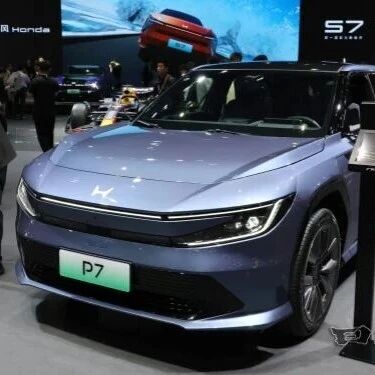
广汽本田工厂复工时间推迟2周
日经中文网· 2026-01-05 07:51
Group 1 - Honda's electric vehicle production in China is delayed by two weeks due to semiconductor supply issues, with plans to resume production on January 19 [2] - The joint venture with GAC Group, GAC Honda, has three factories affected by the delay, while the joint venture with Dongfeng Motor, Dongfeng Honda, continues production [4] - Honda's production in Japan is also impacted, with two factories halting operations on January 5 and 6 due to semiconductor shortages [4] Group 2 - The semiconductor shortage is primarily due to Nexperia, a semiconductor manufacturer, halting supply, which has led to insufficient inventory for Honda [4] - The expected impact on Honda's operating profit for the fiscal year ending March 2026 is a reduction of 150 billion yen due to the production cuts [5] - The production cuts have not yet been factored into Honda's financial performance [5]
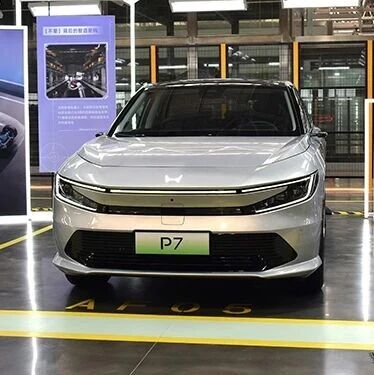
全球感知|从欧盟强化经济安全战略看对欧经贸新挑战
Xin Hua Cai Jing· 2025-12-09 13:53
Core Insights - The European Commission has released a policy communication document aimed at enhancing the EU's economic security, indicating a shift towards more strategic, efficient, and proactive use of policy tools to address economic security risks [1] Supply Chain Management - The European Commission defines high-risk dependency as situations where "60% or more of supply is controlled by a single third country or single operator" and identifies key areas such as critical raw materials, clean technology components, and general semiconductors for supply chain resilience management [2] - Future trade investigations related to economic security will systematically incorporate economic security factors into their processes, potentially leading to stricter trade investigations and compliance reviews for companies with concentrated supply sources in these critical categories [2] Investment Scrutiny - The European Commission is tightening foreign investment reviews, focusing on cumulative risks from multiple investments in strategic sectors and enhancing scrutiny of investments from "high-risk entities" [3] - Investments that can strengthen economic security, particularly in electric vehicles, will be prioritized, with stricter reviews for investments in strategic areas like automotive manufacturing and key components [3] Technology Sovereignty - The European Commission warns of risks associated with foreign investments acquiring sensitive technologies and plans to prioritize funding from EU or like-minded partners while restricting access for high-risk entities [4] - Chinese companies in advanced semiconductor and AI sectors may face increased barriers to entry in EU markets due to "technology protection" measures [4] Compliance and Certification - The European Commission will enhance origin verification and cybersecurity certification for products like solar inverters, which may lead to longer customs clearance times and increased compliance costs for Chinese companies exporting sensitive products to the EU [5] Talent and Research Cooperation - The EU's economic security measures now extend to talent and research cooperation, with a focus on potential risks from foreign professionals and international STEM students [6] - The establishment of "research security professional centers" and due diligence platforms will complicate academic exchanges and research collaborations between China and Europe, potentially impacting Chinese companies' technological innovation and talent continuity in Europe [6]
安世半导体问题凸显欧洲“脱中国”道路艰难
日经中文网· 2025-11-20 08:00
Core Viewpoint - The suspension of the administrative order by the Dutch government regarding Nexperia has somewhat resolved the semiconductor issue, but the Chinese government's counteractions exceeded expectations, highlighting Europe's declining negotiation capabilities in the context of its efforts to reduce reliance on China [1][11]. Group 1: Nexperia's Situation - The Dutch government invoked the Commodity Supply Act to take control of Nexperia due to concerns over technology transfer, marking the first use of this law since its establishment in 1952 [3][4]. - Following the Dutch government's actions, the Chinese government halted the export of Nexperia's final products produced in China, which accounted for 80% of the semiconductor processes for automotive electronic control units [4][11]. - Major automotive manufacturers like Honda and Nissan faced production halts and adjustments due to semiconductor shortages caused by the tensions between the Netherlands and China [5]. Group 2: European Dependence on China - Europe has been attempting to reduce its economic activities with China, but the reliance on Chinese resources and strategic materials remains significant, with 80% of lithium and 50% of rare earths used in EU vehicle batteries imported from China [7]. - One-third of traditional semiconductors used in Europe are imported from China, indicating a substantial dependency in the semiconductor sector [10]. - The EU's trade deficit with China in 2024 is projected to reach €305.8 billion, which is 2.7 times higher than a decade ago, with a significant deficit of €9.8 billion in the semiconductor sector alone [10]. Group 3: International Negotiations and Responses - The Dutch government emphasized its cooperation with European partners, but actual negotiations with China were primarily conducted by the Netherlands, revealing a lack of a cohesive EU framework for managing strategic technology companies [11]. - The U.S. has taken steps to coordinate actions to soften China's stance, leading to a conditional lifting of export bans on Nexperia products following a summit between U.S. and Chinese leaders [11].

安世芯片短缺,导致车厂停产
半导体芯闻· 2025-10-30 10:34
Core Viewpoint - Honda has halted car production in Mexico due to a semiconductor shortage caused by geopolitical tensions surrounding Nexperia, a semiconductor manufacturer based in the Netherlands, which has led to supply chain disruptions for global automakers [1][2]. Group 1: Honda's Production Impact - Honda announced the suspension of production at its Celaya plant in Mexico, which has an annual capacity of 200,000 vehicles, primarily producing the HR-V SUV [1]. - The company has also adjusted production in North America, where it generates 40% of its global sales, indicating potential performance declines if the production issues persist [1][2]. Group 2: Global Automotive Industry Response - Global automakers are preparing to reduce production due to the semiconductor supply chain disruptions, with Honda already cutting production in its Canadian plant by 50% [2]. - The European Automobile Manufacturers Association warned that European car manufacturers might be forced to halt production within days due to dwindling inventory [3]. - Ford's CEO highlighted the semiconductor dispute as a political issue, emphasizing the urgency of addressing the situation to mitigate production impacts [3]. Group 3: Other Automakers' Situations - General Motors' CEO indicated that the chip supply constraints could affect production, while Stellantis is working with Nexperia and other suppliers to assess potential impacts [4]. - Toyota reported limited immediate effects from the semiconductor export restrictions but acknowledged it as a risk among many challenges [4]. - Nissan stated that its current chip inventory is sufficient to last until the first week of November, although the long-term impact remains uncertain [5].
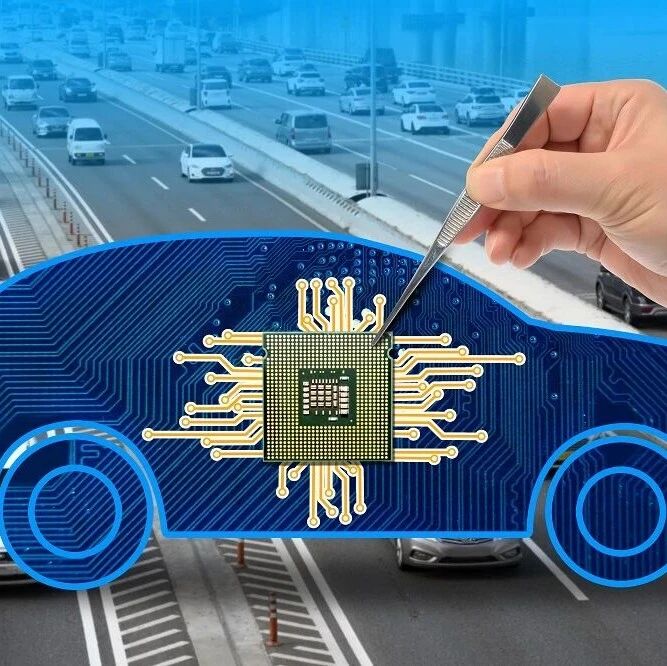
本田墨西哥工厂因安世半导体争端停产
日经中文网· 2025-10-30 03:19
Core Viewpoint - Honda has halted production at its Mexican plant due to semiconductor shortages caused by geopolitical tensions surrounding Nexperia, a semiconductor manufacturer based in the Netherlands and owned by a Chinese company. This marks the first time a Japanese automaker has explicitly reported being affected by this issue [2][4]. Group 1: Production Impact - Honda stopped production in Mexico on October 28 and began adjusting production in the U.S. and Canada on October 27. The company has not disclosed the scale or duration of the production cuts [4]. - The Mexican plant, located in Celaya, is a crucial facility for Honda, with an annual production capacity of 200,000 vehicles, primarily producing the SUV model HR-V. North America accounts for 40% of Honda's global sales, and prolonged production disruptions in this region could lead to a decline in performance [4][5]. Group 2: Semiconductor Supply Chain Issues - Honda utilizes general semiconductors produced by Nexperia in some of its components. While the motorcycle production facility in Mexico continues to operate normally, the automotive production has been significantly impacted [5]. - The Dutch government has taken control of Nexperia citing national security concerns, while the Chinese government has responded with export controls on products manufactured by Nexperia in China [5].