
半导体短缺

Search documents
Canadian Factory, Wholesale Sales Dented by Auto Industry Weakness
WSJ· 2026-01-15 17:09
Core Insights - The Canadian auto industry experienced a significant slump in November due to a semiconductor shortage, which negatively impacted sales from factories and wholesalers, posing a threat to economic growth in the final quarter of the year [1] Industry Impact - The semiconductor shortage has led to decreased activity within the auto sector, highlighting vulnerabilities in supply chains that could hinder overall economic performance [1]


本田回应广本工厂复产延期:再停两周 不会影响产品交付
Xin Jing Bao· 2026-01-07 09:09
Core Viewpoint - Honda is extending its production halt in China by two weeks, with plans to resume production on January 19, 2026, due to semiconductor supply issues and production line upgrades [1] Group 1: Production Adjustments - Honda China and GAC Honda announced a production adjustment for January 2026, citing semiconductor supply and technical modifications as key factors [1] - The impact of this short-term production adjustment is considered manageable, with expectations to recover lost production throughout the year without affecting product delivery to customers [1] Group 2: Future Production Plans - In December 2025, Honda plans to reduce or suspend vehicle production in Japan and China from late December to early January due to semiconductor shortages [1] - GAC Honda's factory will not schedule production on December 30-31, 2025, due to the semiconductor supply impact [1] - Honda China indicated that the situation regarding semiconductor shortages is dynamic, and the company will make maximum adjustments to supply to minimize impacts [1]

工厂复工继续推迟!广汽本田:再停产两周
Nan Fang Du Shi Bao· 2026-01-06 06:49
Core Viewpoint - GAC Honda's factory resumption has been delayed due to semiconductor supply issues and production line upgrades, with a two-week production halt confirmed from January 5, 2023 [1] Group 1: Production Adjustments - GAC Honda will adjust its production schedule for January 2026, considering semiconductor supply and technical modifications [1] - The factory will remain closed for an additional two weeks, totaling ten working days of suspension [1] - The company expects to recover the lost production volume throughout the year and assures that customer product deliveries will not be affected [1] Group 2: Historical Context - In December 2022, Honda announced production halts or reductions in Japan and China due to semiconductor shortages, with GAC Honda halting production for five days starting December 29 [1] - Previous production suspensions occurred in October and November 2022 at Honda's Mexican factory, along with reductions in the U.S. and Canadian factories due to similar semiconductor issues [1] Group 3: Financial Impact - Honda's November 2022 financial forecast indicated a projected operating profit reduction of 150 billion yen, approximately 6.8 billion yuan, due to lower-than-expected production caused by semiconductor shortages [1]

广汽本田工厂复工时间推迟2周
日经中文网· 2026-01-05 07:51
Group 1 - Honda's electric vehicle production in China is delayed by two weeks due to semiconductor supply issues, with plans to resume production on January 19 [2] - The joint venture with GAC Group, GAC Honda, has three factories affected by the delay, while the joint venture with Dongfeng Motor, Dongfeng Honda, continues production [4] - Honda's production in Japan is also impacted, with two factories halting operations on January 5 and 6 due to semiconductor shortages [4] Group 2 - The semiconductor shortage is primarily due to Nexperia, a semiconductor manufacturer, halting supply, which has led to insufficient inventory for Honda [4] - The expected impact on Honda's operating profit for the fiscal year ending March 2026 is a reduction of 150 billion yen due to the production cuts [5] - The production cuts have not yet been factored into Honda's financial performance [5]
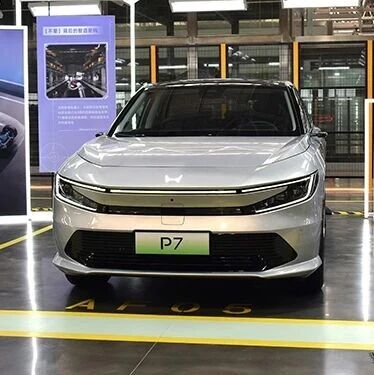
缺芯减产风波持续,广汽本田停产2天,昔日神车飞度零月销
3 6 Ke· 2025-12-24 00:40
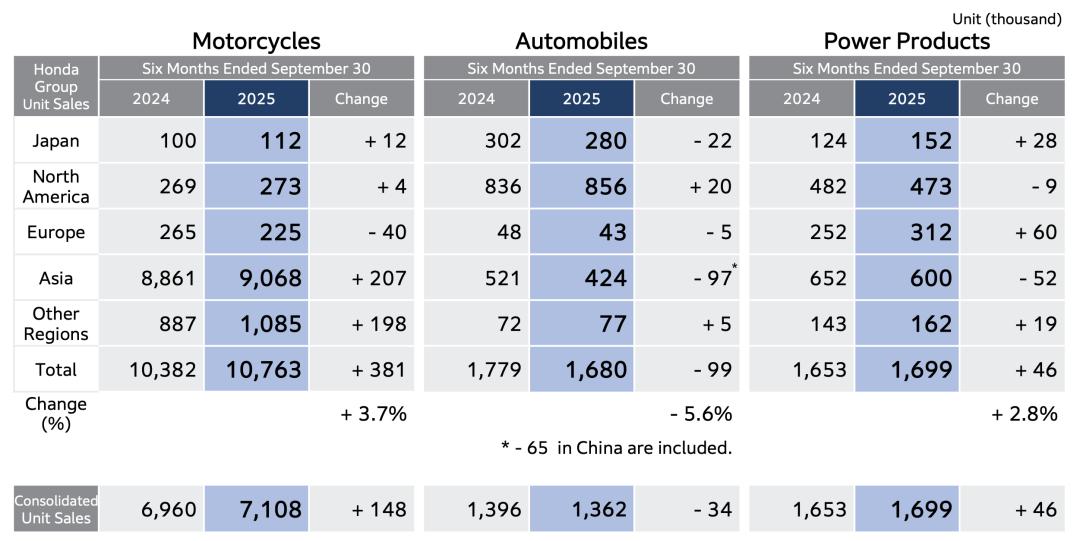
Core Viewpoint - Honda is facing significant challenges due to semiconductor shortages, leading to production cuts in Japan and China, and a downward revision of its sales forecasts for the fiscal year 2026 [1][8]. Group 1: Production and Supply Chain Issues - Honda plans to suspend or reduce vehicle production in Japan and China from late December 2025 to early January 2026 due to semiconductor shortages [1]. - The semiconductor shortage has been a recurring issue, affecting critical areas such as power control, driving assistance, and vehicle safety [1]. - Honda's management previously warned that supply chain fluctuations could negatively impact operating profit by 150 billion yen (approximately 6.75 billion RMB) [1]. Group 2: Financial Performance - For the first half of fiscal year 2026, Honda reported sales revenue of 10.63 trillion yen (approximately 476.3 billion RMB), a year-on-year decline of 1.5% [2]. - Operating profit fell to 438.14 billion yen (approximately 19.6 billion RMB), down 41.0% year-on-year, while net profit decreased by 33.8% to approximately 348.66 billion yen (about 15.6 billion RMB) [2]. - The global automotive sales volume dropped by 99,000 units to 1.68 million, with a significant decline of 65,000 units attributed to the Chinese market [2]. Group 3: Sales Forecast and Market Challenges - Honda has revised its sales forecast for fiscal year 2026 from 3.62 million units to 3.34 million units, reflecting a decrease of 170,000 units due to declining sales in China and ASEAN, as well as semiconductor supply issues in North America [8]. - The company has adjusted its revenue forecast for fiscal year 2026 to 20.7 trillion yen, a reduction of 988.7 billion yen, and operating profit is now expected to be 550 billion yen, down 663.4 billion yen [7]. - Honda's electric vehicle (EV) sales have not met expectations, and the company has lowered its target for global EV sales from 30% to 20% by 2030 due to challenges in North America and Europe [11]. Group 4: Product Performance and Market Position - Honda's electrified vehicle sales showed significant growth outside of China, but the Chinese market has seen a decline in hybrid and plug-in hybrid vehicle sales, with a notable increase in pure electric vehicle sales [3][5]. - The company is struggling with the competitiveness of its fuel vehicles in the face of rapid growth in the new energy vehicle sector, leading to a significant drop in sales for models like the Fit [8][9]. - New electric models introduced in China have not performed well in the market, with cumulative sales failing to exceed 3,000 units in the past six months [9][10].
美股异动丨本田汽车跌1.5%,中国及日本工厂将因半导体短缺停产或减产
Ge Long Hui· 2025-12-18 14:54
Core Viewpoint - Honda Motor Co. (HMC.US) shares fell by 1.5% to $29.9 due to production halts and reductions caused by semiconductor shortages [1] Production Impact - Honda announced plans to pause or reduce vehicle production at its factories in Japan and China from late December to early January due to semiconductor shortages [1] - The joint venture factory with GAC will halt production for 5 days starting December 29 [1] - Japanese factories will stop production for two days on January 5 and 6, with reduced output from January 7 to 9 compared to original plans [1] - Future production will be assessed based on semiconductor supply conditions [1]
广汽本田、东风本田回应了
Nan Fang Du Shi Bao· 2025-12-18 11:57
Group 1 - Honda plans to suspend or reduce vehicle production in Japan and China from late December to early January due to semiconductor shortages [1] - GAC Honda confirmed that production will not be scheduled on December 30 and 31, but customer deliveries will not be affected [1] - Dongfeng Honda stated that its factory will not be impacted by the semiconductor supply issues [1]

本田回应“停产”
Xin Jing Bao· 2025-12-18 10:35
Group 1 - Honda plans to reduce or suspend vehicle production in Japan and China from late December to early January due to semiconductor shortages [1] - GAC Honda confirmed that production will not be scheduled on December 30-31, but customer deliveries will not be affected [1] - Dongfeng Honda's factory is currently not impacted by the semiconductor shortage, and Honda China stated that the situation is dynamic and they will adjust supply to minimize the impact [1]
本田确认“将暂停部分中国工厂生产”,最新回应:因安世半导体短缺
Mei Ri Jing Ji Xin Wen· 2025-12-18 09:41
Group 1 - Honda announced production halts and reductions at its factories in Japan and China from late December to early January due to semiconductor shortages, while North American plants have resumed normal operations but remain in a precarious state [1] - The joint venture factory with GAC Group in China will halt production for five days starting December 29, and Japanese factories will stop production on January 5 and 6, with reduced output from January 7 to 9 [1] - Honda's production adjustments will depend on the supply situation of semiconductors [1] Group 2 - In the North American market, Honda's sales exceeded 1.6 million units in the 2023 fiscal year, marking a 36.2% increase year-on-year, and this region accounted for 40% of Honda's global sales in the 2024 fiscal year [2] - Honda is taking measures to minimize the impact of chip shortages, including reassessing supply chain conditions and potentially seeking alternative components, although technical validation may delay replacements [2] - The semiconductor supply issues have affected the global automotive supply chain, with warnings from European and U.S. automotive organizations about potential production disruptions [2] Group 3 - The Dutch government has frozen operations of Nexperia, a semiconductor company, citing national security concerns, and has suspended the former CEO's duties [3] - Nexperia's Chinese operations continue normally despite the Dutch government's unilateral decisions, and the company is seeking constructive dialogue to resolve governance issues [5][6] - Honda's financial outlook has been impacted by semiconductor shortages, with a projected operating profit reduction of 150 billion yen (approximately 6.8 billion RMB) due to lower-than-expected production [6]

因半导体短缺 本田在华工厂将进行生产调整
Mei Ri Jing Ji Xin Wen· 2025-12-18 07:50
Core Viewpoint - Honda announced production halts and reductions at its factories in Japan and China due to semiconductor shortages, affecting operations from late December to early January [1] Group 1: Production Adjustments - Honda's joint venture factory with GAC Group will adjust production from December 29 to December 31 [1] - Honda's factories in Japan will halt production for two days from January 5 to January 6, with reduced output from January 7 to January 9 compared to original plans [1]