通用商务协议(UCP)

Search documents
2026美国互联网行业AI代理购物持续推进
Sou Hu Cai Jing· 2026-02-03 02:21
Core Insights - The competition in AI-driven shopping is intensifying among major tech companies, aiming to reshape consumer experiences and become central to purchasing decisions [1][2][3] Group 1: Industry Trends - In early 2026, major tech firms are pushing for deeper AI integration in the shopping process, moving beyond being mere transaction platforms [1] - Google's Universal Commerce Protocol (UCP) aims to address data fragmentation and inventory inconsistencies, enhancing the accuracy of AI recommendations and transaction fluidity [1][2] - The establishment of an open data standard by Google is seen as a strategic move to solidify its position as a traffic hub in the e-commerce landscape [2] Group 2: Competitive Strategies - Microsoft is focusing on partnerships with e-commerce service providers to streamline the purchasing process through its Copilot interface, while also developing personalized AI assistants for brands [2] - Amazon is adopting a more aggressive approach by leveraging AI to scrape product information from external retailers, which may lead to controversies but highlights the fierce competition for product data [2] - Each company is pursuing distinct strategies to dominate the next generation of shopping interfaces, with a common goal of becoming the central hub for consumer interactions [2] Group 3: Future Outlook - The widespread adoption of AI shopping is anticipated, heavily reliant on the improvement of data ecosystems, technological reliability, and cross-platform collaboration [3] - The competition led by tech giants is expected to redefine shopping behaviors, making them more intelligent, convenient, and personalized, while also sparking discussions on data sovereignty and business ethics [3]

谷歌、OpenAI和Meta用AI“带货”、国内GEO隐性“种草”:信任危机与法律问责
3 6 Ke· 2026-01-29 00:25
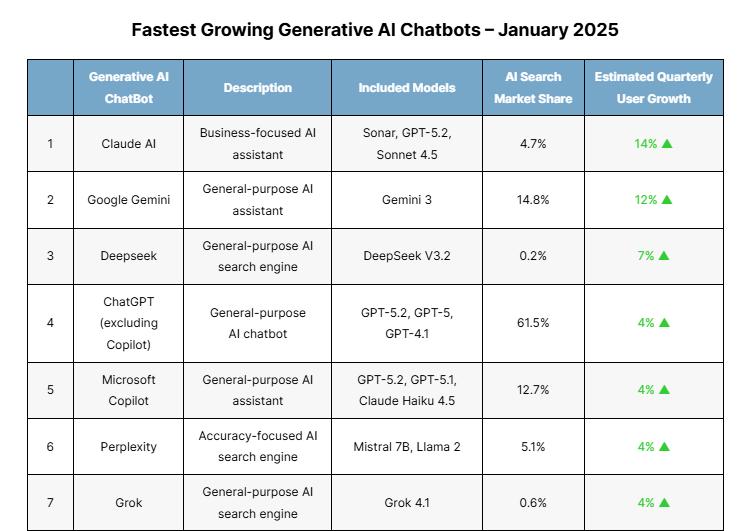
Core Insights - AI is transforming human-computer interaction, shifting from keyword searches to direct inquiries in chat interfaces, with Gartner predicting that by 2026, 25% of online searches will be conducted via AI chatbots [1] - Major AI companies like Google, OpenAI, and Meta are exploring advertising as a primary monetization strategy, despite potential conflicts with the trust users place in AI [1][6][10] Group 1: Google - Google announced the launch of "Direct Offers," a new shopping ad format in its Gemini and search AI models, as a response to antitrust pressures and the need for independent growth [2] - The focus of Google's AI chat ads is on leveraging brand discounts to drive consumer engagement, supported by a new "Universal Commerce Protocol" to streamline the shopping process [3] - Google Gemini has become the fastest-growing generative AI chatbot, capturing 20% of the global large language model traffic, up from 5% a year prior, indicating significant market potential [4] Group 2: OpenAI - OpenAI's approach to advertising has evolved from initial rejection to cautious acceptance, with plans to test ads in the free version of ChatGPT while maintaining user trust [6][9] - The company emphasizes that ads will not affect the objectivity of AI responses, with contextual activation of ads based on user inquiries [6] - OpenAI targets free and low-tier users for ad revenue while preserving ad-free options for paid subscribers, reflecting a dual strategy in monetization [9] Group 3: Meta - Meta has integrated AI chat data into its advertising strategy, allowing for more personalized ad targeting while maintaining a low profile in user experience changes [10] - The company claims not to use sensitive topic data for ad targeting, but the need to process all data for differentiation raises privacy concerns [11] - Meta's strategy aims to deepen user engagement through AI, potentially transforming AI interactions into valuable consumer behavior insights [10] Group 4: Domestic AI Advertising Landscape - Domestic AI chatbots like DeepSeek and others have been cautious about integrating ads, with no current plans to embed advertising in conversations [12][13] - These platforms strive to maintain objectivity and neutrality, inadvertently creating opportunities for third-party marketing efforts [13] - The emergence of "Generative Engine Optimization" (GEO) reflects a trend where marketing companies influence AI knowledge bases to shape user decisions, raising ethical concerns [14][15] Group 5: Broader Implications of Advertising and GEO - The commercialization of AI through advertising and GEO may narrow the cognitive capabilities of AI, challenging its potential to serve as a reliable tool for complex thinking and trustworthy advice [16] - Establishing a trustworthy AI infrastructure is crucial, as the future value of AI lies in its ability to maintain user trust rather than merely generating traffic [16]


2026年第3周计算机行业周报:看好AI应用及国产算力两条主线-20260120
Changjiang Securities· 2026-01-20 14:11
Investment Rating - The report maintains a "Positive" investment rating for the software and services industry [7] Core Viewpoints - The report expresses optimism regarding AI applications and domestic computing power investment opportunities, highlighting the acceleration of AI applications and the potential for industry upgrades in the long term [6][40] - The introduction of the Universal Commerce Protocol (UCP) by Google is seen as a significant development that could reshape the e-commerce landscape, facilitating seamless transactions and enhancing user experience [21][24][28] - The report emphasizes the importance of data element value release in 2026, marking it as a pivotal year for the digital economy and data market reforms [30][35][38] Summary by Sections Market Performance - Last week, the computer sector experienced a high and then a pullback, with an overall increase of 4.14%, ranking first among major industries in the Yangtze River region, and accounting for 11.21% of total market turnover [2][4][15] Key Recommendations - The report recommends focusing on: 1. Domestic large model manufacturers 2. Major domestic cloud service providers 3. Vertical scenario agent manufacturers 4. The domestic computing power supply chain, particularly AI chip companies like Haiguang Information and Cambrian [6][40] AI and E-commerce Developments - The UCP aims to create a standardized communication framework for AI agents, merchants, and platforms, potentially transforming the e-commerce industry by reducing decision-making time and enhancing transaction efficiency [21][24][28] - The report notes that AI-assisted shopping is expected to become mainstream, with significant growth projected in the AI e-commerce market from 23.93 billion yuan in 2020 to 50.44 billion yuan by 2024, with a compound annual growth rate of 20.50% [29] Data Element Value Release - The report highlights that 2026 is designated as the "Year of Data Element Value Release," with a focus on market-oriented reforms and the establishment of data standards to facilitate the flow and utilization of data [30][35][38] - The establishment of a data property rights registration system is anticipated to enhance data circulation and unlock value within the data economy [37][38]


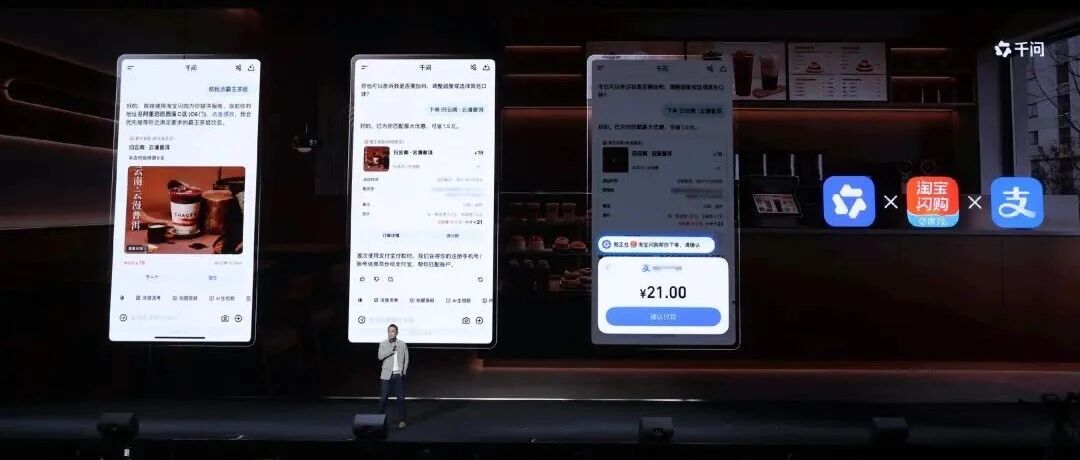
千问“一句话买奶茶”背后:支付宝ACT定义跨智能体协同标准
经济观察报· 2026-01-16 12:01
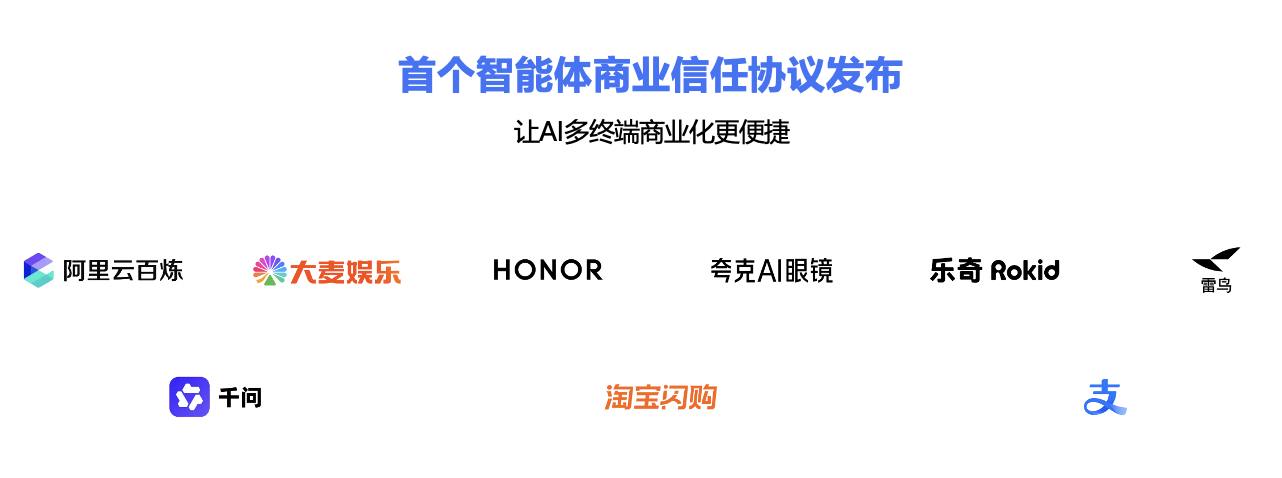
Core Viewpoint - The article discusses the emergence of a new commercial paradigm driven by AI, focusing on the establishment of foundational protocols and industry standards for secure and trustworthy AI-driven transactions [2][10]. Group 1: ACT Protocol Overview - The ACT (Agentic Commerce Trust Protocols) was launched by Alipay on January 16, marking China's first open protocol aimed at agent commercial needs, facilitating cross-platform and cross-terminal AI collaboration [2][3]. - The ACT protocol addresses key issues such as user authorization for AI operations, security in financial transactions, and maintaining a seamless service experience across devices [5][11]. - The protocol includes four core infrastructure standards: delegated authorization domain, commercial interaction domain, payment service domain, and trust service domain, ensuring traceability and verification of AI operations [5][12]. Group 2: Payment Models and Use Cases - The ACT protocol supports two payment modes: instant payment, where users authorize transactions in real-time, and delegated authorization, allowing users to set conditions for automated transactions [9]. - It is applicable in various scenarios such as AI-assisted ordering, purchasing, and enterprise automation procurement, enhancing efficiency and user experience [9][12]. Group 3: Competitive Landscape - Other tech giants like OpenAI and Google are also developing their own AI commercial protocols, indicating a competitive race to establish standards for AI-driven commerce [10][12]. - OpenAI has partnered with PayPal to integrate payment and risk management capabilities into ChatGPT, while Google has launched the Universal Commerce Protocol (UCP) with major retail players [9][10]. Group 4: Importance of Standardization - The emergence of protocols like ACT and UCP is essential for creating a universal "transaction infrastructure" for the AI commercial world, enabling seamless interaction among AI, merchants, and payment institutions [11][12]. - Without standardized protocols, the AI ecosystem faces significant barriers to innovation and user experience due to fragmented systems requiring complex API integrations [11][12].
千问“一句话买奶茶”背后:支付宝ACT定义跨智能体协同标准
Jing Ji Guan Cha Wang· 2026-01-16 11:26
Core Insights - The article discusses the emergence of a new commercial paradigm driven by AI, focusing on the establishment of foundational protocols and industry standards for secure and trustworthy AI-driven transactions [1][4][10] - Major tech players like OpenAI, Google, and Alipay are competing to create these standards, marking a shift from algorithmic competition to the construction of future commercial ecosystems [1][8] Group 1: ACT Protocol Overview - Alipay launched the ACT (Agentic Commerce Trust Protocols) on January 16, aimed at facilitating safe and efficient cross-intelligent agent collaboration in e-commerce and delivery scenarios [2][4] - The ACT protocol is designed to address key issues such as user authorization for AI operations, security in financial transactions, and maintaining service continuity across devices and applications [4][7] - The protocol includes four core infrastructure standards: Delegated Authorization Domain, Commercial Interaction Domain, Payment Service Domain, and Trust Service Domain, ensuring traceability and verification of AI operations [4][7] Group 2: Payment Models and Compatibility - The ACT protocol supports two payment models: Instant Payment, where users authorize payments in real-time during AI interactions, and Delegated Authorization, allowing users to set conditions for automated transactions [7][8] - The protocol adheres to principles of compatibility, privacy, and openness, ensuring it can adapt to existing commercial and payment systems while evolving with AI technology [7][10] Group 3: Competitive Landscape - Other tech giants are also developing their own AI commercial protocols, such as OpenAI's partnership with PayPal and Google's Universal Commerce Protocol (UCP) with major retailers [8][9] - The competition among these protocols indicates a shift in focus from language model capabilities to the practical implementation of AI in commercial settings [8][9] Group 4: Importance of Standardization - The establishment of protocols like ACT and UCP is crucial for creating a unified "transaction infrastructure" for the AI commercial world, enabling seamless interactions among AI, merchants, and payment institutions [9][10] - Without common standards, the AI ecosystem faces significant barriers to innovation and user experience due to the complexity of point-to-point API integrations [9][10]
千问App,全面接入!从“会聊天”到“能办事”
Zhong Guo Zheng Quan Bao· 2026-01-15 04:35
Core Insights - Alibaba's Qianwen App has integrated with various services within its ecosystem, enabling AI-driven shopping functionalities for users globally, marking a significant advancement in digital commerce [1] - The app has achieved over 100 million monthly active users within two months of launch, showcasing strong user engagement and demand for AI services [1] - Alibaba's VP emphasized the shift of AI from a supportive role to a leading role in digital tasks, predicting that 60%-70% of routine tasks will be executed by AI in the next two years [3] Group 1 - The Qianwen App allows users to perform multiple tasks such as ordering food, shopping, and booking travel seamlessly, enhancing user experience by reducing the need to switch between different applications [1] - The app's capabilities are driven by three key advancements: improved coding ability, full-modal understanding, and extended context processing, which are essential for handling complex tasks [3] - The industry consensus is that Artificial General Intelligence (AGI) is evolving from chat-based interactions to more agent-like functionalities, enabling closer integration with the physical world and enhancing productivity [3] Group 2 - Google is also focusing on AI shopping assistants, collaborating with major retailers to develop its chatbot, Gemini, into a virtual shopping assistant [3] - At the NRF annual meeting, Google, along with companies like Shopify and Walmart, introduced a new open standard called Universal Commerce Protocol (UCP) aimed at streamlining the shopping process by eliminating the need for separate connections with different agents [4]

刚刚,喝到了千问APP给我点的奶茶
机器之心· 2026-01-15 04:31
Core Insights - The development of intelligent agents has accelerated significantly at the beginning of 2026, with notable advancements from companies like Anthropic and Alibaba [1][11] - Anthropic's release of Cowork aims to revolutionize the workplace by integrating large models with intelligent agent capabilities for general users, not just programmers [1] - Alibaba's Qianwen App has introduced a new AI Agent feature called "Task Assistant," which integrates with Alibaba's ecosystem to offer over 400 new functionalities for free [2][4] Group 1 - The Qianwen App can automate tasks such as ordering food by simply stating preferences, streamlining the entire process from selection to payment [5][20] - Users can consult the Task Assistant for shopping decisions, which can provide recommendations and direct links to payment [7][9] - The Task Assistant has demonstrated its ability to handle complex tasks like multi-brand group purchases, significantly reducing the time and effort required for users [12][18] Group 2 - The Task Assistant can create detailed travel plans, such as a two-day itinerary for a trip to Weihai, by analyzing user needs and sourcing information from various platforms [22][27] - The assistant integrates with Alibaba's services, allowing users to navigate, book tickets, and manage travel logistics seamlessly [29] - The interaction model has shifted from dialogue with a large model to task delegation to an intelligent agent, marking a significant evolution in user experience [31] Group 3 - Qianwen's Task Assistant is built on a new universal agent system that enhances task execution efficiency and accuracy through a hierarchical planning approach [33] - The system allows for continuous learning and improvement, enabling agents to refine their capabilities based on past experiences [35] - The integration of AI coding capabilities allows the assistant to autonomously generate tools for less common tasks, enhancing its functionality [36] Group 4 - The AI sector is entering a product explosion phase, with new offerings from various companies, including Anthropic and OpenAI, indicating a rapid evolution in intelligent agent applications [38] - Qianwen's launch is compared to the introduction of the first iPhone, suggesting it could signify a transformative moment in the AI landscape [38] - The shift from AI as a distant entity to a practical assistant in daily tasks represents a pivotal change in human-machine interaction [38]