
道明竹编

Search documents
91支龙狮队各显绝活 四川省2026春节群众文化活动启幕
Si Chuan Ri Bao· 2026-02-13 00:18
Core Viewpoint - The "Thousand Dragons and Lions Celebrating the New Year" event has become an important public cultural service brand in Sichuan, showcasing traditional performances and promoting local cultural heritage [1][2]. Group 1: Event Overview - The Sichuan Province 2026 Spring Festival cultural activities were launched on February 11, featuring a grand performance with 91 dragon and lion teams from 20 cities, creating a "Dragon and Lion Competition" atmosphere [1]. - The event included various traditional performances, such as the high platform lion dance from Guangyuan and the colorful dragon dance from Luzhou, highlighting the unique cultural elements of different regions [1]. Group 2: Cultural Market and Activities - A non-heritage cultural market was opened, featuring 50 representative non-heritage projects and over 300 products, including local cultural creations and agricultural specialties [1]. - Following the main event, the dragon and lion teams will tour various locations across the province, with over 2,000 cultural activities planned during the Spring Festival, inviting tourists to experience the vibrant culture of Sichuan [2].
(成都世运会)世运会里的非遗之约:东方美学与世界温柔相遇
Zhong Guo Xin Wen Wang· 2025-08-16 07:03
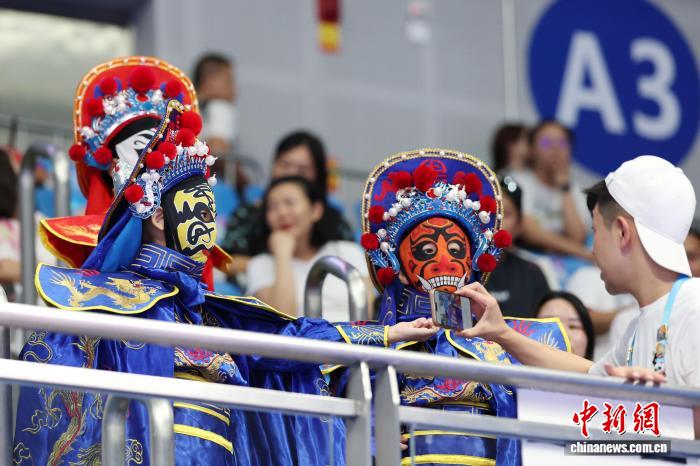
Core Perspective - The integration of traditional Chinese intangible cultural heritage (ICH) with the World University Games showcases the beauty of Eastern aesthetics and cultural exchange with the world [1][2]. Group 1: Cultural Exchange at the Event - The opening ceremony featured a guiding sign made from Daoming bamboo weaving, incorporating various traditional crafts, highlighting the essence of Eastern aesthetics [1]. - Athletes engaged in immersive experiences with ICH, such as paper-cutting and dough modeling, with over 600 participants daily in these activities [1]. - International participants expressed admiration for traditional performances like Sichuan opera, emphasizing the vibrant presentation of Chinese culture [2]. Group 2: Unique Cultural Artifacts - Athletes received bamboo-crafted medal boxes, symbolizing traditional craftsmanship and cultural significance, with intricate designs reflecting the artisans' skills [5]. - A Swedish athlete purchased a folding fan inscribed with "厚德载物," interpreting its symbolism related to Chinese character and spirit [4]. - The bamboo medal box's transformation from hard bamboo to a smooth, delicate artifact illustrates the profound craftsmanship of Chinese artisans [7]. Group 3: Lasting Impressions - The cultural experiences and artifacts collected by athletes serve as tangible reminders of their encounters with Chinese heritage, fostering a deeper understanding of Eastern aesthetics [7]. - The event has allowed Chinese ICH to take root in the hearts of international participants, extending the narrative of Eastern beauty globally [7].

焦点访谈丨从“活起来”到“火起来” 非遗如何成为各地文旅新名片
Yang Shi Wang· 2025-06-14 16:41
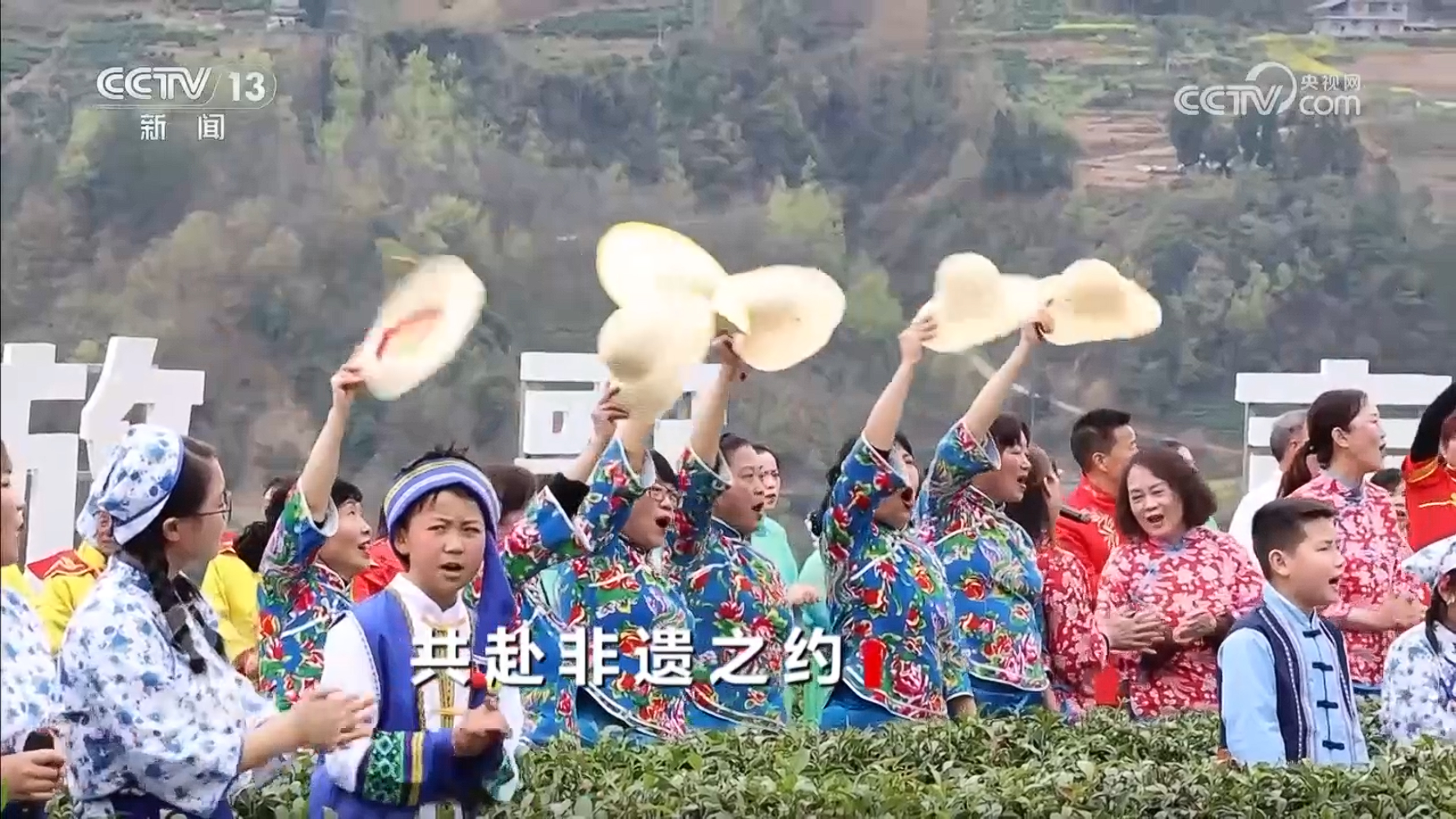
Core Viewpoint - The article highlights the growing popularity of intangible cultural heritage (ICH) in China, particularly in tourism, with local initiatives in places like Shaanxi Province successfully integrating traditional culture into modern tourism experiences [1][6][12]. Group 1: Cultural Heritage and Tourism Integration - The trend of "traveling with ICH" has emerged as a new wave in the cultural tourism market, with various cities leveraging their traditional cultural characteristics to attract visitors [1]. - In Shaanxi's Ziyang County, local residents creatively participate in performances that must include Ziyang folk songs, showcasing the community's engagement with their cultural heritage [3][6]. - The integration of ICH into tourism has led to increased visitor numbers and spending, with Ziyang receiving 433,000 domestic tourists during the Qingming and May Day holidays, generating a total expenditure of 210 million yuan, a 97% increase year-on-year [11]. Group 2: Local Initiatives and Economic Impact - The local government emphasizes the importance of balancing development and heritage protection, aiming to transform county-level tourism into a pillar industry [6][11]. - The introduction of immersive experiences, such as tea picking and folk song performances, has attracted a diverse range of tourists, enhancing their engagement with local culture [8][9]. - The rise in popularity of ICH has led to a resurgence of interest among younger generations, with more young people participating in traditional singing competitions and learning folk songs [12][15]. Group 3: Future of Intangible Cultural Heritage - The article discusses the need for continuous innovation in ICH to keep it relevant and appealing, with local communities becoming cultural ambassadors and storytellers [15][17]. - The successful integration of ICH into tourism not only preserves traditional practices but also boosts local economies, as seen in various regions across China [15][17]. - The cultivation of new ICH representatives among the youth is crucial for the sustainable transmission and protection of cultural heritage, contributing to a stronger cultural identity [17].
《成都非遗地图》上线,邀你来一场“非遗版City Walk”
Jing Ji Guan Cha Bao· 2025-06-09 06:15
Core Viewpoint - Chengdu's rich intangible cultural heritage (ICH) is showcased through the launch of the "Chengdu ICH Map," inviting exploration of the city's unique cultural offerings and experiences [1][9]. Group 1: Clothing and Accessories - Chengdu, historically known as "Jincheng" due to its silk production, continues to celebrate its heritage through various forms of traditional clothing and embroidery, such as Shu brocade and embroidery [2][3]. - The Chengdu Shu Brocade and Embroidery Museum offers a comprehensive experience, allowing visitors to appreciate, purchase, and learn about these traditional crafts [3]. - The Jinmen Silk Culture Town provides insights into the historical significance of silk, featuring educational exhibits and workshops related to Shu brocade and embroidery [3]. Group 2: Culinary Heritage - Chengdu is recognized as Asia's first "City of Gastronomy," with a deep-rooted culinary culture that reflects the city's identity [4]. - The map highlights key culinary experiences, including the traditional production of Pixian Doubanjiang (broad bean paste) and various Sichuan cooking techniques at the Chengdu Sichuan Cuisine Museum [4][5]. - Visitors can engage in hands-on experiences at tea-making workshops and enjoy a variety of local delicacies at the Chengdu Sichuan Cuisine Museum, which also features an all-you-can-eat snack street [5]. Group 3: Home and Living - The Chengdu ICH Map emphasizes the beauty of traditional crafts in home decor, showcasing items like lacquerware and bamboo crafts that blend functionality with artistic value [6][7]. - The Chengdu Lacquerware Factory offers workshops where visitors can witness the craftsmanship behind traditional lacquer products and participate in cultural exchange activities [7]. - The bamboo weaving village in Chongzhou highlights the integration of traditional crafts into modern aesthetics, with new designs appealing to contemporary consumers [7]. Group 4: Artistic Experiences - The map encourages visitors to engage with local art forms, such as Sichuan opera, which combines visual and auditory experiences in a unique cultural setting [8][9]. - The Jinjiang Theater, recently renovated, offers a diverse range of performances, enhancing the cultural experience for both locals and tourists [8]. - The Wenshu Monastery area features a blend of dining, cultural exhibitions, and traditional crafts, providing a comprehensive exploration of Chengdu's heritage [8][9].