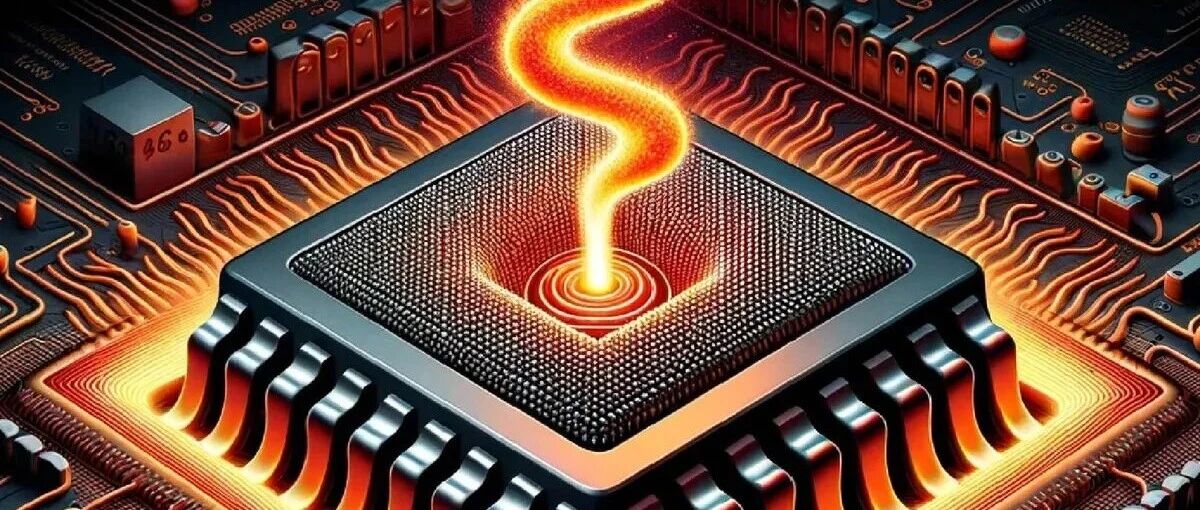
金刚石铜复合材料

Search documents
中篇・实战篇:十大核心新材料赛道产业化全景拆解
材料汇· 2026-03-23 14:00
Core Insights - The article discusses the development trends and industrialization progress of key new materials in China, focusing on three main categories: fortress materials, sovereign materials, and fusion materials [2][4]. Fortress Materials Track - Fortress materials are essential for national security, supporting major strategic projects and defense applications, with a focus on reliability and performance under extreme conditions [9]. - High-temperature alloys are critical for aerospace engines, with a global market expected to reach $12.44 billion by 2024 and $19.11 billion by 2031, reflecting a CAGR of 6.4%. The Chinese market is projected to grow from 28 billion yuan in 2024 to 54.4 billion yuan by 2031, with a CAGR of around 10% [12]. - The domestic high-temperature alloy market is currently 40% reliant on imports, with a supply gap exceeding 30,000 tons. The aerospace sector accounts for 55% of downstream applications [12][13]. - The global market for ceramic matrix composites (CMC) is expected to exceed $4 billion by 2025 and reach $25 billion by 2031, with a CAGR of 11% from 2021 to 2031 [21]. - The SiC fiber market is projected to grow from $250 million in 2017 to $3.587 billion by 2026, with a CAGR of 34.4% [22]. Sovereign Materials Track - Sovereign materials are crucial for high-end manufacturing and reducing dependency on foreign technology, characterized by high technical barriers and significant potential for domestic substitution [33]. - The global semiconductor photoresist market is expected to grow from $10.8 billion in 2024 to $11.4 billion in 2025, with a semiconductor photoresist market of approximately $2.4 billion [36]. - The domestic market for OLED organic materials is projected to reach approximately 5.7 billion yuan in 2024, with a year-on-year growth of 31% [48]. - The domestic market share of OLED terminal materials has increased from 1% in 2022 to 11% in 2024, indicating strong growth [50]. Fusion Materials Track - Fusion materials represent future industrial high points, with applications in humanoid robots and other advanced technologies [6]. - Diamond-copper composite materials are essential for AI chip cooling, with the global market expected to reach $160 million by 2024 and $350 million by 2031, reflecting a CAGR of 12% [68]. - The domestic market for diamond-copper composites is projected to grow from 1.28 billion yuan in 2024 to 1.41 billion yuan in 2025 [68].

下篇・决策篇:2026中国新材料产业投资逻辑与未来发展展望
材料汇· 2026-03-23 14:00
Core Viewpoint - The investment in the new materials industry is fundamentally about long-term pricing of national security, industrial upgrading, and technological innovation, emphasizing the need to establish an investment evaluation system that aligns with the characteristics of different tracks [5][6]. Investment Logic and Value Assessment System - The first principle of investment in the new materials industry is that material performance determines the upper limit of the industry, self-control determines the survival baseline, and engineering capability determines commercial success [6]. - The four underlying logics for investment include prioritizing strategic security over commercial value, certainty of domestic substitution over growth elasticity, customer certification progress over technological advancement, and full lifecycle green and low-carbon considerations over short-term performance [11][12][13][15]. - A differentiated value assessment system is established based on three major lines: fortress materials, sovereign materials, and fusion materials, with different evaluation dimensions and weights for each track [16]. Product Lifecycle and Investment Rhythm - The product lifecycle of new materials follows a four-stage evolution, with different investment strategies for each stage: introduction, growth, maturity, and decline [22][24]. - The core investment principles are to heavily invest during the growth phase, hold long-term during the maturity phase, cautiously test during the introduction phase, and decisively avoid during the decline phase [24]. Three Core Investment Lines - The three core investment lines are: 1. **Substitution Line**: Focused on domestic substitution for strategic materials, ensuring national security [29]. 2. **Growth Line**: Driven by explosive downstream demand in emerging industries, offering high growth potential [33]. 3. **Frontier Line**: Involves innovative materials that integrate with cutting-edge technologies, representing the highest growth ceiling [35]. Future Development Outlook - In the short term (2026-2028), the focus will be on achieving significant breakthroughs in domestic substitution, with key strategic materials' import dependency reduced to below 40% [45]. - In the medium to long term (2028-2035), the goal is to establish a globally leading new materials industry system, achieving over 80% domestic substitution for core strategic materials and fostering a robust innovation ecosystem [46][47]. - Five irreversible core trends in industry development include the emphasis on self-control, AI integration in material development, green and low-carbon standards, cross-industry integration, and deep collaboration between academia and industry [48].
下篇・决策篇:2026中国新材料产业投资逻辑与未来发展展望
材料汇· 2026-03-20 14:35
Core Viewpoint - The investment logic in the new materials industry is fundamentally about long-term pricing of national security, industrial upgrading, and technological innovation, emphasizing the need to move beyond short-term market fluctuations and establish a suitable investment evaluation system for different tracks [6][12]. Investment Logic and Value Assessment System - The first principle of investment in the new materials industry is that material performance determines the upper limit of the industry, self-control determines the survival bottom line, and engineering capability determines the success of commercialization [7]. - The commercial path follows a unified industry evolution pattern: breakthrough in key core technologies → downstream customer certification testing → small batch stable supply → scale production release → global market replacement [9]. - Four underlying logics are identified: 1. Strategic security takes precedence over commercial value [12]. 2. The certainty of domestic substitution takes precedence over growth elasticity [13]. 3. Customer certification progress takes precedence over technological advancement [15]. 4. Full lifecycle green and low-carbon considerations take precedence over short-term performance [16]. Product Lifecycle and Investment Rhythm - The product lifecycle of new materials is divided into four stages, each requiring different investment strategies: 1. Introduction phase: Focus on technology validation and sample testing, high risk, and uncertainty [24]. 2. Growth phase: Focus on customer certification and beginning of bulk supply, rapid revenue growth [24]. 3. Maturity phase: Focus on stable supply and industry consolidation, suitable for long-term value holding [24]. 4. Decline phase: Focus on technological replacement and cost pressures, requiring continuous iteration [24]. Core Investment Guidelines - The investment strategy should prioritize heavy investment during the growth phase, long-term holding during the maturity phase, cautious exploration during the introduction phase, and complete avoidance during the decline phase [25]. Three Core Investment Lines - The three core investment lines are: 1. Substitution line: Focused on domestic substitution and strategic materials [30]. 2. Growth line: Driven by explosive downstream demand in emerging industries [34]. 3. Frontier line: Focused on innovative materials that lead future industries [36]. Future Development Outlook - The domestic substitution of key strategic materials is expected to double, with the import dependency of 130 key strategic materials reduced to below 40% [45]. - AI technology will accelerate the development of materials, with over 30% of leading material companies implementing AI-assisted research, reducing research and development cycles by over 50% [45]. - The industry is expected to see a concentration of leading companies, with over 50 specialized "little giant" enterprises emerging in the new materials sector [45]. - Emerging industries such as AI, humanoid robots, and commercial aerospace are projected to drive the market growth rate of frontier new materials to exceed 40% annually [45].
中篇・实战篇:十大核心新材料赛道产业化全景拆解
材料汇· 2026-03-19 15:45
Core Insights - The article discusses the development trends and industrialization progress of ten core tracks in the new materials industry, emphasizing the importance of "fortress materials," "sovereign materials," and "fusion materials" as strategic areas for China [2][4]. Fortress Materials Track - Fortress materials are critical for national security, supporting major strategic projects and defense applications, with a focus on reliability and performance under extreme conditions [7]. - High-temperature alloys are essential for aerospace engines, with a global market projected to reach $12.44 billion by 2024 and $19.11 billion by 2031, reflecting a CAGR of 6.4%. The Chinese market is expected to grow from 28 billion yuan in 2024 to 54.4 billion yuan by 2031, with a CAGR of around 10% [10]. - The domestic high-temperature alloy market is currently 40% reliant on imports, with a supply gap exceeding 30,000 tons. The aerospace sector accounts for 55% of downstream applications [11][12]. - The market is dominated by a few key players, with Precision Castparts Corporation holding 32% of the aerospace market share [12]. - Future trends include increased demand driven by domestic military aircraft and advancements in single crystal and powder metallurgy high-temperature alloys, with a goal to reduce import dependency to below 20% in the next five years [14]. Sovereign Materials Track - Sovereign materials are vital for high-end manufacturing, enabling China to achieve self-sufficiency in critical industries and reduce reliance on foreign technology [30]. - The semiconductor photoresist market is projected to grow from $10.8 billion in 2024 to $11.4 billion in 2025, with a CAGR of 4%. The market is dominated by Japanese and American companies, which hold 85% of the global market share [33][40]. - Domestic companies have made progress in photoresist production, with g/i-line photoresists achieving a 10% localization rate, while KrF and ArF photoresists are at 1% [40]. - OLED organic materials are expected to grow from $2 billion in 2024 to over $3 billion in 2025, with a significant increase in domestic market share from 1% in 2022 to 11% in 2024 [45][48]. Fusion Materials Track - Fusion materials represent future industrial high ground, with applications in humanoid robots and AI infrastructure [5]. - The diamond-copper composite material market is projected to reach $160 million in 2024, with a CAGR of 12% expected until 2031. The Chinese market is anticipated to grow from 1.28 billion yuan in 2024 to 1.41 billion yuan in 2025 [65]. - The global market is dominated by Japanese companies, with domestic firms achieving significant technological advancements and cost reductions of 30-40% compared to imports [68].
破解“散热天花板”:金刚石铜复合材料的百亿征程(附分析报告)
材料汇· 2025-12-14 15:00
Core Viewpoint - The article emphasizes the critical role of heat dissipation technology in high-power and high-density electronic devices, highlighting the emergence of diamond-copper composite materials as a key solution to overcome traditional thermal management limitations [1][3]. Group 1: Heat Dissipation Technology's Core Position - Heat dissipation systems have evolved from being performance optimization items to core constraints on product performance, driven by exponential increases in heat flow density [4][11]. - Traditional thermal management solutions, such as heat pipes, face significant limitations as heat flow density exceeds 300W/cm², necessitating breakthroughs in high-performance composite materials [4][11]. Group 2: Performance Parameters and Economic Implications - The performance of heat pipes is often overstated, with real-world applications revealing a significant gap between theoretical and practical performance, presenting opportunities for new materials [7]. - The economic implications of heat dissipation are stark, with data indicating that a 10°C increase in temperature can lead to a 50% decrease in reliability, and that 40% of energy consumption in AI centers is dedicated to heat dissipation [13]. Group 3: Diamond-Copper Composite Materials - Diamond-copper composite materials are characterized by their exceptional thermal conductivity and adaptability, achieved through microstructural design that combines the high thermal conductivity of diamond with the workability of copper [18][22]. - The thermal conductivity of diamond can reach 2200 W/m·K, significantly surpassing that of copper, and the composite can achieve thermal conductivities exceeding 1000 W/m·K [22]. Group 4: Market Size and Growth Trends - The global market for diamond-copper composites is projected to grow from approximately $1.4 billion in 2024 to over $3.85 billion by 2031, with a compound annual growth rate (CAGR) of 12.4% [37]. - The Chinese market is expected to expand from 12.8 billion yuan in 2024 to 50 billion yuan by 2031, driven by domestic substitution and the expansion of application scenarios [37][38]. Group 5: Competitive Landscape - The competitive landscape is characterized by international giants dominating high-end markets while domestic companies accelerate local substitution, with Japan's Sumitomo Electric holding a significant market share [45]. - Chinese manufacturers are making strides in the diamond-copper sector, achieving thermal conductivities of 600-800 W/(m·K) and reducing costs by 30%-40% compared to imports [45]. Group 6: Future Development Trends - Future advancements in the diamond-copper sector will likely stem from technological breakthroughs and the expansion of application scenarios, with a focus on high-performance and extreme environment stability [53]. - The industry is expected to mature through the standardization of processes and the localization of equipment, which are essential for large-scale commercialization [53].

2025年金刚石铜复合材料产业发展报告
材料汇· 2025-11-15 15:10
Core Insights - The article emphasizes the critical role of heat dissipation technology in high-power, high-density electronic devices, highlighting the shift from traditional materials to diamond-copper composite materials as a solution to thermal management challenges [1][3][4]. Group 1: Heat Dissipation Technology - Heat dissipation has evolved from a performance optimization aspect to a core constraint on product performance, with traditional materials failing at heat flux densities exceeding 300 W/cm² [4][11]. - The performance gap between theoretical heat transfer rates of heat pipes and their practical applications presents opportunities for new materials [7][11]. - The economic implications of heat management are underscored by data indicating that a 10°C increase in temperature can reduce reliability by 50% [13]. Group 2: Market Dynamics and Applications - The demand for high-performance heat dissipation solutions is driven by sectors such as AI chips, electric vehicles, and 5G base stations, with significant increases in power consumption and heat flux densities [10][12]. - The global market for diamond-copper composites is projected to grow from $1.4 billion in 2024 to over $3.85 billion by 2031, with a compound annual growth rate (CAGR) of 12.4% [36][37]. - The Chinese market is expected to expand from 12.8 billion yuan in 2024 to 50 billion yuan by 2030, driven by domestic substitution and application expansion [37][38]. Group 3: Competitive Landscape - The competitive landscape is characterized by international giants dominating high-end markets while domestic companies accelerate local substitution, with Japan's Sumitomo Electric holding a significant market share [45]. - Domestic manufacturers are leveraging interface metallization techniques to achieve stable thermal conductivity rates of 600-800 W/(m·K) at lower costs compared to imports [45]. Group 4: Future Trends and Challenges - The industry faces challenges in scaling up from laboratory breakthroughs to commercial viability, with key barriers including high production costs and the need for advanced manufacturing techniques [31][29]. - Future developments are expected to focus on multi-process integration and the adaptation of materials for both high-end aerospace applications and consumer electronics [53][54].

25年金属复合材料行业全景图:技术突破与百亿市场机遇
材料汇· 2025-11-13 14:20
Core Viewpoint - The metal composite materials industry is experiencing unprecedented growth opportunities due to advancements in high-end manufacturing sectors such as aerospace, military electronics, smart terminals, and semiconductor equipment. The report aims to provide a comprehensive analysis of the technology classification, industry chain structure, market size, competitive landscape, and core enterprises in the metal composite materials sector, with a special focus on diamond-copper composite materials [2]. Industry Overview - Metal composite materials are new materials formed by combining two or more different metals or metal and non-metal materials through physical, chemical, or mechanical methods. They exhibit superior performance due to the synergistic effects of their components, meeting specific performance requirements in various applications [4]. - Metal composite materials can be categorized into metal matrix composites and layered metal composites. Metal matrix composites include continuous fiber-reinforced and discontinuous reinforced types, while layered metal composites are created through advanced manufacturing techniques such as explosive bonding and rolling [4][6]. Industry Chain Analysis - The upstream of the metal matrix composite materials industry chain includes metals and alloys such as aluminum, magnesium, and titanium, as well as ceramic fibers/particles and auxiliary materials [9][10]. - The midstream involves the preparation of metal matrix composites and component manufacturing [10]. - The downstream applications are widespread, including aerospace, military electronics, smart terminals, and automotive industries [11][16]. Market Analysis - The market for metal composite materials in China is projected to grow from 26.4 billion yuan in 2020 to 42 billion yuan in 2024, with a compound annual growth rate (CAGR) of 12.31%. By 2027, the market size is expected to reach 61 billion yuan [25]. - The market for metal matrix composites is expected to increase from 7 billion yuan in 2020 to 11 billion yuan in 2024, with a CAGR of 11.94%, reaching 21.2 billion yuan by 2027 [27]. - The layered metal composite materials market is anticipated to grow from 19.43 billion yuan in 2020 to 31 billion yuan in 2024, with a CAGR of 12.40%, reaching 39.8 billion yuan by 2027 [29]. Production Processes - The production process for metal matrix composites involves several key steps, including mixing, hot isostatic pressing, forging, and high-temperature stamping, which ensure the uniform distribution of components and enhance material properties [36][39]. Technical Level and Characteristics - Metal matrix composites are characterized by their complex multi-material and multi-process nature, requiring advanced technologies for component design, interface control, and quality consistency. The performance metrics include mechanical properties such as strength and fatigue resistance, as well as physical properties like thermal conductivity [43]. - The domestic supply of raw materials for metal matrix composites has largely achieved self-sufficiency, with significant advancements in the purity and distribution of high-end materials [44]. Competitive Landscape - The global market for aluminum matrix composites is dominated by international giants, with companies like DWA Aluminium Composites and Alvant holding a combined market share of 70%. Domestic players are rapidly catching up, with companies such as Yuyuan Metal Composite Materials and Zhongke Composite Materials making significant strides [48][49]. - The layered metal composite materials market is primarily led by international firms like DMC and Asahi Kasei, but domestic companies are increasing their market share through technological advancements and product development [51][52]. Future Development Trends - The metal composite materials industry is expected to achieve breakthroughs in multiple markets, driven by technological advancements and policy support. The focus will be on high-performance and integrated structural-functional materials to meet the evolving demands of various applications [64][66]. - The market demand for metal composite materials is anticipated to expand as applications diversify into military electronics, smart terminals, and semiconductor equipment, providing sustained growth momentum [69].

破解“散热天花板”:金刚石铜复合材料的百亿征程(附分析报告)
材料汇· 2025-11-04 14:54
Core Insights - The article emphasizes the critical role of heat dissipation technology in high-power and high-density electronic devices, highlighting the shift from traditional materials to diamond-copper composite materials as a solution to thermal management challenges [1][3][4]. Group 1: Heat Dissipation Technology - Heat dissipation systems have evolved from being performance optimization components to core constraints on product performance, driven by the exponential increase in heat flow density [4][11]. - Traditional heat pipe technologies face significant limitations, with performance degradation exceeding 40% in complex applications, necessitating the development of high-performance composite materials [11][12]. Group 2: Market Dynamics and Challenges - The article outlines the challenges faced in various sectors, including AI chips, electric vehicles, and 5G base stations, where heat flow densities exceed 300 W/cm², leading to significant performance losses and increased operational costs [10][12][13]. - The economic implications of heat management are underscored, with data indicating that a 10°C increase in temperature can reduce reliability by 50%, emphasizing the need for effective thermal solutions [7][13]. Group 3: Diamond-Copper Composite Materials - Diamond-copper composite materials are identified as a breakthrough solution, combining the high thermal conductivity of diamond with the workability and electrical conductivity of copper, achieving thermal conductivities exceeding 1000 W/m·K [18][22]. - The material's advantages include precise thermal expansion matching, which mitigates interface cracking issues, and excellent environmental adaptability, making it suitable for extreme conditions [22][23]. Group 4: Industry Landscape and Growth Potential - The diamond-copper industry is characterized by a complete supply chain in China, with over 90% domestic production, and a significant profit margin in the midstream manufacturing segment [35]. - The global market for diamond-copper composites is projected to grow from $160-190 million in 2024 to $350-380 million by 2030, driven by high heat flow density applications in AI, electric vehicles, and 6G communications [36][37]. Group 5: Competitive Landscape - The competitive landscape shows a dichotomy where international giants dominate high-end markets while domestic companies accelerate local replacements, focusing on cost control and technological advancements [45]. - Key players include Japan's Sumitomo Electric, which holds a significant market share, and various Chinese firms that are entering supply chains of major companies like Huawei and BYD [45]. Group 6: Future Trends - Future developments are expected to focus on technological breakthroughs and the expansion of application scenarios, with an emphasis on integrating multiple manufacturing processes and enhancing performance in both consumer and aerospace markets [53][54].
芯片散热的破局者:国内21家金刚石铜材料企业全景盘点
材料汇· 2025-10-31 14:29
Core Viewpoint - The article discusses the development and investment landscape of diamond-based composite materials, highlighting various companies involved in this sector and their technological advancements. Group 1: Company Overview - Changsha Shenghua Microelectronics Materials Co., Ltd. specializes in high-performance electronic packaging materials, including tungsten-copper and diamond-copper composites, with thermal conductivity reaching 600-800 W/m·K [5] - Nanjing Ruiwei New Materials Technology Co., Ltd. focuses on new materials for chip cooling, collaborating with Nanjing University of Aeronautics and Astronautics [6] - Hunan Xinfeng Advanced Materials, a subsidiary of Hunan Xinfeng Technology, is engaged in the research and production of diamond semiconductor materials, with a projected output of 50 tons in 2024 and 150 tons in 2025 [8] Group 2: Investment and Financing - Several companies have secured significant funding, such as Hunan Xinfeng Advanced Materials, which completed an A+ round of financing amounting to several million yuan in February 2025 [9] - Ningbo Saime Technology Co., Ltd. was established with investment from Jiangxi Copper Group, focusing on lightweight, high-thermal-conductivity composite materials for various applications [10] - Anhui Shangxin Crystal Technology Co., Ltd. has received angel round financing and is involved in the production of high-end refractory metals and diamond-copper composites [12] Group 3: Technological Advancements - Companies are developing advanced materials with high thermal conductivity, such as diamond-copper composites, which are essential for high-power semiconductor applications [33] - The industry is leveraging innovative manufacturing techniques, including chemical vapor deposition and powder metallurgy, to enhance material properties and production efficiency [24][25] - The market is witnessing a trend towards integrating diamond-based materials in various sectors, including aerospace, automotive, and electronics, due to their superior thermal management capabilities [42]

盘点 | 国内金刚石铜复合材料企业清单!!!
材料汇· 2025-10-27 15:51
Core Viewpoint - The article discusses the development and investment landscape of diamond-based composite materials, highlighting various companies involved in this sector and their technological advancements. Company Overview - **Changsha Shenghua Microelectronics Materials Co., Ltd.** specializes in high-performance electronic packaging materials, including tungsten-copper and molybdenum-copper composites, with thermal conductivity reaching 600-800 W/m·K. The company has entered the supply chains of major players like Huawei and BYD for applications in 5G base stations and electric vehicles [5]. - **Nanjing Ruiwei New Materials Technology Co., Ltd.** focuses on new materials for chip cooling, collaborating with Nanjing University of Aeronautics and Astronautics. The company provides comprehensive thermal management solutions through thermal design and testing [6]. - **Xinfeng Advanced Materials** is a subsidiary of Hunan Xinfeng Technology, established in 2019, specializing in semiconductor materials and diamond-based composites. The company aims to produce 50 tons of high-performance low-cost diamond-copper materials by 2024, with plans to expand to 150 tons by 2025 [8]. - **Ningbo Saime Technology Co., Ltd.** was founded in 2018, focusing on lightweight, high-thermal-conductivity composite materials for applications in power chip packaging and 5G communications [9]. - **Anhui Shangxin Crystal Technology Co., Ltd.** specializes in high-end refractory metals and diamond-copper/aluminum composites, with a focus on medical and optical applications [12]. Investment Landscape - Various companies have secured funding rounds, indicating a growing interest in diamond-based composite materials. For instance, **Nanjing Ruiwei** completed an A+ round with several million yuan in funding [9]. - **Ningbo Saime Technology** has also attracted investment from major players like Jiangxi Copper Group, reflecting the strategic importance of this sector [10]. - **Haitexin New Materials Technology Co., Ltd.** is set to become a leading manufacturer of microelectronic packaging materials, with significant investments in production facilities [17]. Technological Advancements - Companies are leveraging advanced technologies such as chemical vapor deposition (CVD) and high-pressure high-temperature (HPHT) processes to enhance the performance of diamond-based materials [29]. - The thermal conductivity of diamond-copper composites is highlighted, with some products achieving thermal conductivity rates of 1800-2200 W/m·K, significantly outperforming traditional materials [30]. - The industry is witnessing innovations in manufacturing techniques, such as the development of ultra-thin diamond heat sinks and composite materials tailored for specific applications in aerospace and defense [22][24].