银河L6

Search documents
吉利汽车系列之十八:2025业绩显著增长,出海、高端化战略持续深化【国信汽车】
车中旭霞· 2026-03-30 08:08AI Processing
2025公司新能源渗透率过半,海外销量42万辆;研发持续迭代 公司2025年新能源销量168.8万辆,渗透率达55.8%;出海42万辆,其中新能源出口12.4万辆,渗透率达29.5%。领克、 极氪、银河三大新能源品牌齐头并进,其中银河位列中国新能源品牌前二。技术迭代方面,2025年公司在辅助驾驶、 智能座舱、新能源三电三大核心技术领域实现突破性进展,全面强化智能电动化竞争力。 2026年深化出海与高端化 吉利汽车系列 车中旭霞 深度报告: 《吉利汽车(00175.HK)-三大改革开启新一轮增长周期》—2025-02-07 《吉利汽车(00175.HK)-4.0时代开启强势周期,模块化架构优势突出》 —2021-10-14 点评报告: 《吉利汽车(00175.HK)系列十八:2025业绩显著增长,出海、高端化战略持续深化》-20260330 《吉利汽车(00175.HK)系列十七:智驾战略叠加新品周期,份额持续提升》-20250327 《吉利汽车(00175.HK)系列十五:智能电混轿车银河L6发布,银河L7销量连续破万》——2023-09-19 《吉利汽车(00175.HK)系列十四:重大事件快评:极氪X重磅 ...



深蓝接盘现代重庆工厂,闲置汽车产能再迎“接盘”潮
经济观察报· 2025-11-23 07:33
Core Viewpoint - The automotive market is experiencing a significant shift in competitive dynamics, with production capacity transitioning from joint ventures to domestic manufacturers, reflecting a structural surplus in capacity and the implementation of "stock optimization" policies across regions [1][3]. Group 1: Capacity Acquisition and Market Dynamics - Many automotive manufacturers in need of new production capacity are acquiring or managing other manufacturers' factories to supplement their production capabilities, a trend that has become widespread this year [2][3]. - Recent acquisitions include Changan Automobile taking over Beijing Hyundai's Chongqing factory, which has been repurposed for Deep Blue Automotive production, and Geely's acquisition of the former SAIC-GM Beisheng factory in Shenyang for its Galaxy brand [2][3]. - The shift in idle capacity has moved from domestic brands to joint ventures, with companies like Dongfeng acquiring production capacity from Nissan and other joint ventures [3][10]. Group 2: Strategic Goals and Production Capacity - Geely and Changan have set ambitious sales targets of 5 million vehicles by 2030, driving their recent capacity expansions [5][6]. - Changan's production capacity is projected to reach 2.25 million units in 2024, with a utilization rate of 84%, while Geely's capacity is 4.23 million units with a lower utilization rate of 45% due to previous restructuring [7][8]. - Geely's Galaxy brand has seen rapid sales growth, surpassing 1 million units in the first ten months of this year, prompting the company to prepare multiple production bases [7][8]. Group 3: Market Share and Competitive Landscape - The market share of domestic brands has surged from 35.7% in 2020 to 68.7% currently, indicating a significant rise in competitiveness against joint ventures [10]. - Several joint venture companies have exited the market, with factories being repurposed for domestic brands, such as the sale of GAC FCA's Guangzhou factory and the closure of multiple Honda and Nissan plants [10][11]. Group 4: Policy and Asset Optimization - The Chinese government is focusing on optimizing existing assets, with policies aimed at revitalizing idle production capacity, particularly in the context of the transition to electric vehicles [12][13]. - Local governments are actively implementing measures to utilize existing automotive production capacity, as seen in various provinces with specific plans for the automotive industry [12][14].

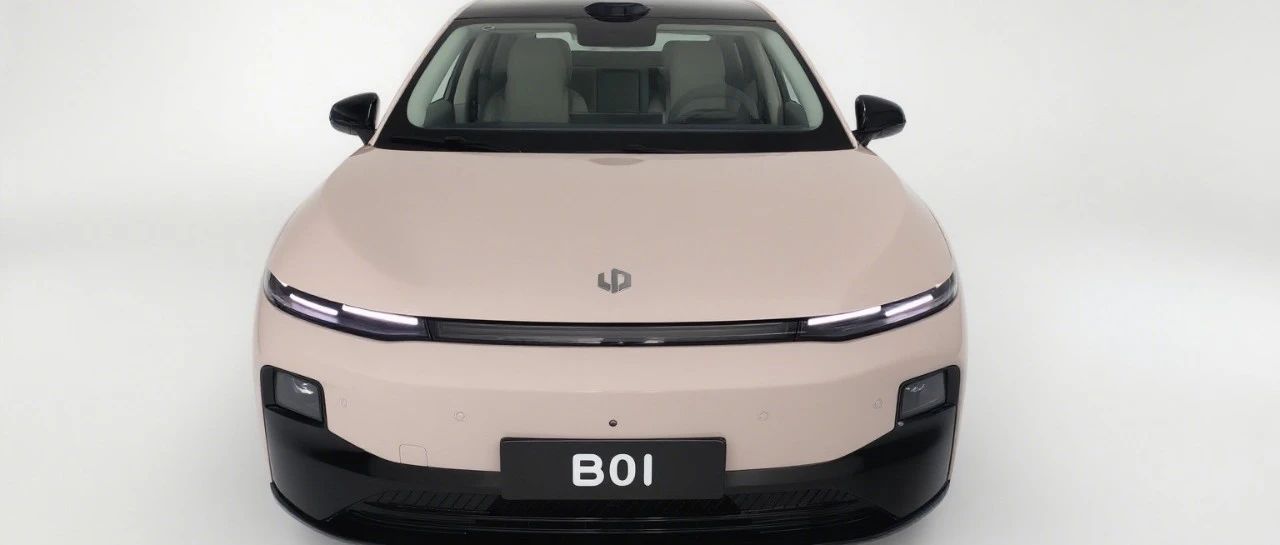
零跑B01:60%客户是女性,担心电芯品牌不稳定
车fans· 2025-08-06 00:30
Core Viewpoint - The article discusses the recent launch of the Leapmotor B01, highlighting its sales performance, customer demographics, and competitive positioning in the electric vehicle market. Sales Performance - The sales of the B01 have seen an increase in foot traffic, with an estimated 35% of customers visiting the store specifically for this model, leading to 8 units sold, predominantly the mid-tier 650 Joy version [2][19]. - The most popular colors for the B01 are Starry Silver and Dawn Purple, accounting for 6 out of the 8 sold units [3][19]. Customer Demographics - Customers interested in the B01 are primarily under 35 years old, with over 60% being female. Male customers tend to be married and focus on practicality, while female customers are often single and prioritize aesthetics and convenience [4][6]. Competitive Analysis - The B01 is frequently compared to models from Xiaopeng, BYD, and other competitors, with 60% of customers having considered Xiaopeng and BYD vehicles [9][10]. - Customers have high expectations for the B01's pricing and intelligent driving capabilities, which has led to some disappointment regarding its performance compared to competitors [10][23]. Pricing and Promotions - The initial deposit for the B01 was 99 yuan, which could be deducted from the final payment, but this promotion has ended. Currently, customers receive a delivery package with plush toys and mats instead of cash discounts [14][19]. - The manufacturer offers a financing option with a 5,000 yuan interest subsidy, allowing customers to borrow up to 83,000 yuan with a two-year interest-free period, which is the most popular choice among buyers [17]. Configuration Preferences - The most popular configuration is the mid-tier 650 Joy version, making up 50% of orders, while the lower-tier 430 Comfort version has seen little interest due to its limited range [19]. - The least popular color is Morgan Pink, which, despite being favored by female customers, is perceived as impractical for purchase [21]. Customer Feedback - Customers have expressed concerns about the B01's intelligent driving capabilities, which they feel do not meet the high expectations set by the manufacturer’s marketing [23]. - There are also concerns regarding the variability of battery cell suppliers, leading to uncertainty about the product's reliability [23]. Maintenance Costs - Regular maintenance costs for the B01 are approximately 150 yuan per service, with intervals set at one year or 10,000 kilometers [24].

如何看待乘用车25Q1出口趋势
2025-07-16 06:13
Summary of Conference Call Records Industry Overview - The records primarily discuss the **automobile industry** in China, focusing on passenger car exports and sales performance in the first quarter of the year [1][2]. Key Points and Arguments - **Passenger Car Exports**: In Q1, the overall export growth rate for passenger cars was **6.1% year-on-year**. Domestic brands saw an export growth of **11.5%**, while joint ventures experienced a decline of **16.7%**. The decline in joint venture exports was significantly influenced by Tesla, which saw a **57% year-on-year drop** in export volume, equating to a reduction of **50,000 units** [1]. - **Future Outlook**: The company maintains a positive outlook on **plug-in hybrid vehicles (PHEVs)**, expecting them to lead the next phase of global electrification. The anticipated growth in PHEV exports is expected to offset the decline caused by Tesla's performance [2]. - **Sales Projections**: The sales performance in Q1 suggests an implied annual growth rate of **7.8%** based on seasonal trends. This figure is derived from the Q1 sales of **4.96 million units**, which is adjusted for seasonal factors. However, this growth rate may need to be discounted due to the reduced impact of new vehicle purchase incentives compared to previous years [3][4]. - **Market Competition**: The competitive landscape has shifted, with notable changes in market share among key models. For instance, the **Dihao** and **Hikang Galaxy** models saw the largest market share increases, while the **Volkswagen Langyi** experienced a decline of **1.7 percentage points** [5][6]. - **Product Launches and Market Dynamics**: The launch of new models, such as the **Tank 300** and the **Tesla Model Y**, has contributed to significant market share gains. The **Lynk & Co 900**, set to launch on April 28, is also expected to impact the high-end SUV segment positively, with early indications of strong pre-orders [6]. Additional Important Insights - The records highlight the importance of pricing strategies in the current market, with several brands implementing aggressive pricing to boost sales. For example, the **Buick Regal** saw a **2 percentage point** increase in market share following a price reduction strategy [5]. - The impact of external factors, such as the potential return of General Motors and Ford to the North American market, may further influence export volumes in the near term [2]. - The overall sentiment in the industry remains cautious yet optimistic, with expectations of stable volume and gradual price increases in the passenger vehicle market [4]. - The conference concluded with a note on upcoming opportunities and recommendations for investment in specific companies within the sector, indicating a strategic focus on emerging market players [7].


汽车行业内卷有多严重?一线销售聊聊真实情况
车fans· 2025-06-10 00:29
Core Viewpoint - The automotive industry is facing significant challenges, including price wars and disordered competition, leading to a decline in sales and income for many companies and sales personnel [1] Group 1: Sales and Income Trends - Sales income in first-tier cities has decreased significantly, with some reporting declines of up to 40% compared to last year [3] - The average transaction price for vehicles has dropped by over 10,000 yuan compared to last year, indicating a tough market environment [3] - Many brands are reducing staff and facing severe layoffs, with stricter hiring processes in place [3] Group 2: Pricing Strategies and Discounts - Price reductions have been frequent, with some models seeing discounts of 20,000 to 30,000 yuan [5][8] - The competition among brands has intensified, leading to aggressive pricing strategies and frequent adjustments in promotional policies [5][8] - Some brands are experiencing a lack of effective promotional results, leading to customer dissatisfaction [8] Group 3: Product and Quality Adjustments - There have been no significant changes in product quality, but some brands have started to reduce configurations to cut costs [4][8] - New models are being introduced with slight price adjustments, but overall quality complaints remain low [4][11] - Brands are focusing on enhancing product features and technology to attract customers, with some emphasizing their unique selling propositions [15] Group 4: Inventory and Production - Inventory levels are reported to be unhealthy for some brands, leading to pressure on sales teams [5][13] - Companies are adopting order-based production strategies to manage inventory more effectively [15] - The inventory coefficient for some brands is reported to be healthy, indicating a more controlled approach to stock management [15]

吉利汽车丨2月:新能源持续亮眼 智能化加速布局【民生汽车 崔琰团队】
汽车琰究· 2025-03-02 14:04
Group 1 - The company reported a total wholesale sales volume of 205,000 units in February, representing a year-on-year increase of 83.9% and a month-on-month decrease of 23.2%. Cumulative sales for January-February reached 472,000 units, up 45.2% year-on-year. The new energy vehicle (NEV) sales in February were 98,433 units, a year-on-year increase of 193.8% and a month-on-month decrease of 18.7%, with a penetration rate of 48.0% [1][2] - The company plans to launch five new NEV models, including two SUVs and three sedans, to strengthen its position in the market segment priced below 200,000 yuan, aiming for a sales target of 1 million units by 2025 [1][2] - The establishment of Zeekr Technology Group, following the acquisition of a 51% stake in Lynk & Co, aims to enhance strategic focus and operational efficiency by integrating internal resources and reducing conflicts [2] Group 2 - The company announced a deep integration with DeepSeek's AI model to optimize its smart vehicle control and interaction systems, with plans to release a comprehensive AI strategy in early March [3] - Revenue projections for 2024-2026 are estimated at 224.78 billion, 289.69 billion, and 338.83 billion yuan, respectively, with net profits expected to be 16.42 billion, 14.10 billion, and 17.45 billion yuan [4] - The company maintains a "recommended" rating, with expected earnings per share (EPS) of 1.63, 1.40, and 1.73 yuan for the years 2024-2026, corresponding to price-to-earnings (P/E) ratios of 10, 12, and 9 times [4]