防空导弹

Search documents
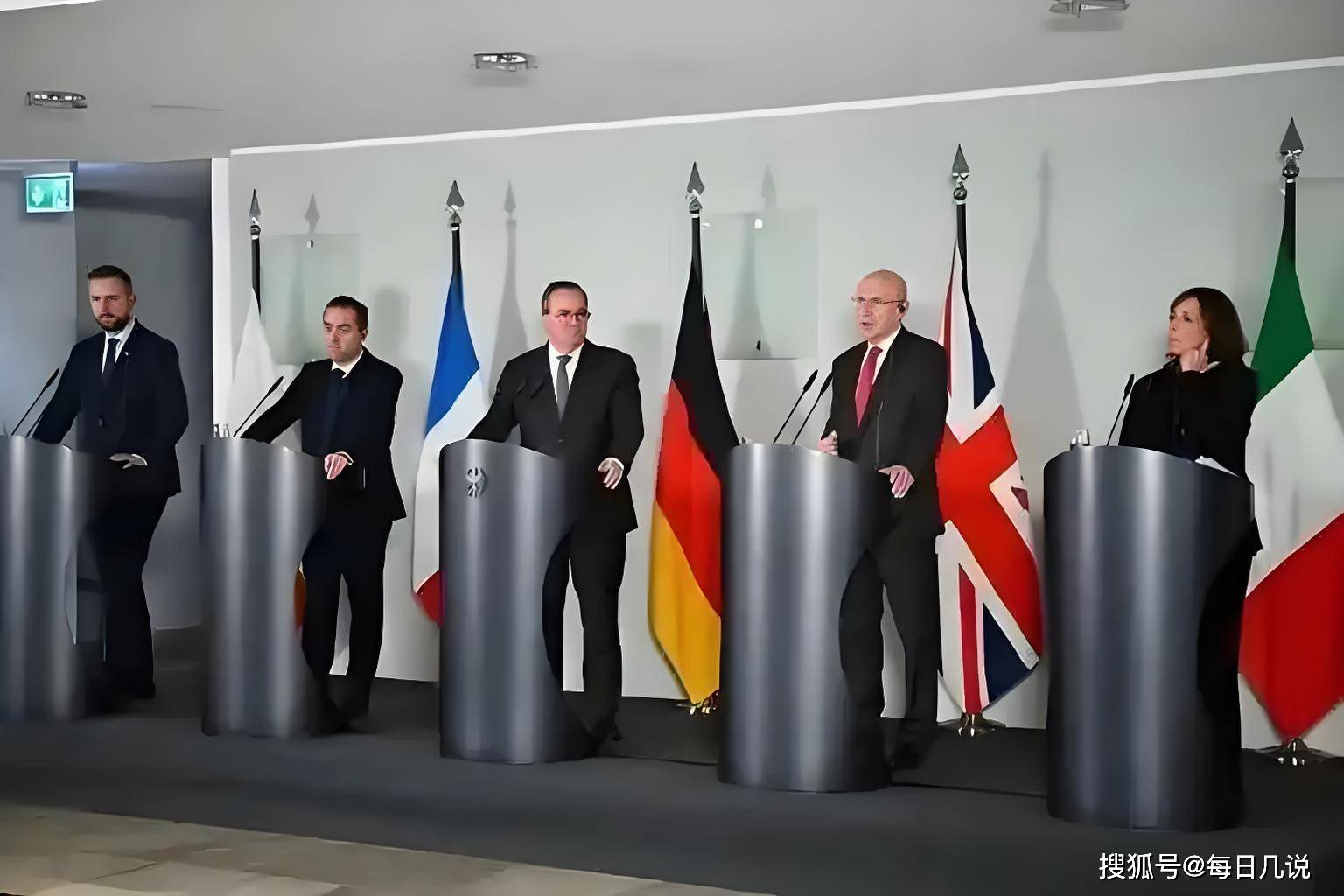
国际锐评丨中方精准反击日本“再军事化”符合全球利益
Xin Lang Cai Jing· 2026-02-27 13:20
Core Viewpoint - China has announced the inclusion of 20 Japanese entities in an export control list as a response to Japan's military expansion and nuclear ambitions, aiming to maintain regional and global peace [1][4]. Group 1: Export Control Measures - The Chinese Ministry of Commerce has implemented export controls on 20 Japanese entities, following a previous announcement to strengthen controls on dual-use items [1]. - This action is seen as a legitimate and necessary measure to cut off resources supporting Japan's military expansion [3][6]. Group 2: Japanese Military Industrial Complex - Companies like Mitsubishi Heavy Industries and Kawasaki Heavy Industries are identified as key players in Japan's military resurgence, with historical ties to wartime weapon manufacturing [3]. - These companies are projected to achieve a total sales revenue of $13.3 billion in 2024, marking a 40% increase from the previous year [3]. Group 3: Political Context and Military Budget - The current Japanese government, led by the Liberal Democratic Party, is pushing for significant military budget increases, with plans to raise the defense budget to ¥9.04 trillion (approximately $57.9 billion) by 2026 [4]. - Japan is also seeking to amend its constitution to allow for a more aggressive military posture, including the potential export of weapons to 12 countries [4]. Group 4: Historical and International Implications - The resurgence of militarism in Japan is viewed as a threat to regional stability, echoing pre-World War II dynamics between military and industrial sectors [6]. - China's export control measures are framed as a responsible action to prevent the revival of militarism and to uphold international norms established post-World War II [7].

事关俄乌冲突,泽连斯基透露美方打算
Xin Lang Cai Jing· 2026-02-07 12:35
Core Viewpoint - The article highlights the ongoing conflict between Ukraine and Russia, with a focus on the recent escalation of attacks by Russian forces and the potential for U.S. intervention to end the conflict by summer. Group 1: U.S. Involvement - Ukrainian President Zelensky stated that the U.S. is proposing to end the Russia-Ukraine conflict before summer, indicating potential pressure from the U.S. on both parties to reach a resolution [1]. Group 2: Recent Attacks - On July 7, Russian forces launched a new wave of attacks on Ukraine, utilizing over 400 drones and nearly 40 missiles, targeting critical infrastructure such as the power grid and energy facilities [1]. - The Ukrainian Air Force reported that from the evening of July 6 to the early morning of July 7, Russian forces executed a large-scale airstrike involving 39 missiles and 408 drones, including two "Zircon" hypersonic missiles [1]. Group 3: Impact on Infrastructure - The attacks primarily affected regions including Volyn, Ivano-Frankivsk, and Lviv, with significant damage to energy facilities, leading to emergency rolling blackouts across Ukraine [1]. - Ukrainian officials, including the Deputy Prime Minister and Minister of Energy, confirmed the extensive damage to energy infrastructure due to the recent Russian strikes [1].
泽连斯基:防空导弹库存不足,盟友援助不力
Xin Jing Bao· 2026-01-17 14:53
Group 1 - The core message of the article highlights Ukraine's urgent need for air defense systems and interceptors due to insufficient supplies from allies, as stated by President Zelensky [1] - Ukraine's Defense Ministry is actively urging allies to expedite the supply of necessary defense equipment [1] - On the same day, Ukraine received a batch of "important air defense missiles" following a meeting between President Zelensky and Czech President Pavel [1] Group 2 - Ukraine has entered an energy emergency state due to ongoing attacks on energy facilities by Russian forces, as reported by First Deputy Prime Minister and Energy Minister Shmyhal [1] - The government is implementing urgent measures to stabilize electricity and heating supplies, particularly in the capital city of Kyiv [1] - Since September 9, Kyiv has experienced widespread power, water, and heating outages, with the energy situation being particularly severe in the Left Bank area [1] - The Kyiv city government announced restrictions on outdoor lighting, including the suspension of building and decorative lighting, and adjustments to streetlight brightness [1]
俄乌同意:局部停火!泽连斯基:乌防空导弹库存告急,盟友援助不力!特朗普:泽连斯基阻挠和平协议,俄方:欧洲多国对俄立场有重大转变
Mei Ri Jing Ji Xin Wen· 2026-01-17 11:09
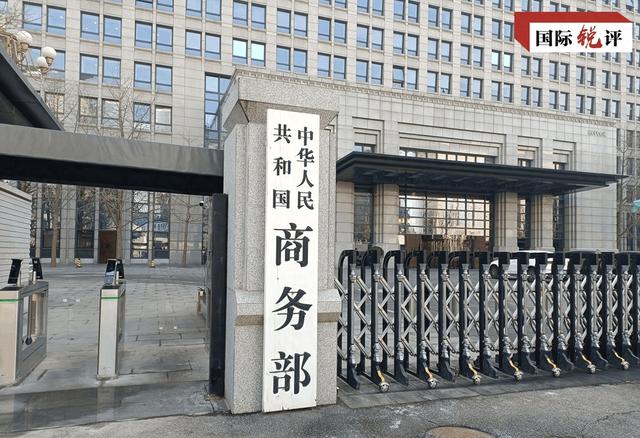
Group 1: Nuclear Energy and Safety - The International Atomic Energy Agency (IAEA) announced a partial ceasefire agreement between Russia and Ukraine near the Zaporizhzhia Nuclear Power Plant to repair damaged power lines [1][3] - The damaged 330 kV backup power line was destroyed on January 2 due to military activities, leaving the nuclear plant reliant on a single power line for operation [1][3] - IAEA Director General Grossi stated that this is the fourth temporary ceasefire facilitated by the IAEA to ensure nuclear safety at the plant, which has been under Russian control since the escalation of the Ukraine crisis in February 2022 [3] Group 2: Ukraine's Defense and Energy Situation - Ukrainian President Zelensky expressed concerns over insufficient air defense missile stocks and inadequate support from allies [4][6] - Ukraine is in a state of energy emergency due to ongoing Russian attacks on energy facilities, prompting the government to implement urgent measures to stabilize power and heating, especially in Kyiv [6] - The Kyiv city government announced restrictions on outdoor lighting to manage energy resources amid widespread outages [6] Group 3: International Relations and Military Recruitment - Zelensky announced potential discussions with the U.S. regarding an $800 billion reconstruction agreement during an upcoming meeting with U.S. representatives [7] - Trump criticized Zelensky, suggesting that Ukraine is hesitant to reach a peace agreement with Russia, while claiming that Putin is ready to negotiate [10] - Russia reported that over 450,000 individuals were recruited last year, with significant numbers signing contracts for military service [11][12]
伊朗还有救!专家给出招:中俄联手,用人民币与输油管改写规则
Sou Hu Cai Jing· 2026-01-17 05:13
Core Viewpoint - The article discusses the complex situation in Iran, highlighting the dual challenges of economic sanctions and military threats from the U.S., and explores potential solutions through economic and military cooperation with China and Russia [1][3]. Economic Situation - Iran is facing high inflation, primarily due to long-term U.S. sanctions that have cut off its access to dollar transactions and oil exports, leading to a vicious cycle of inflation [3]. - A proposed solution is to utilize the Chinese yuan as an alternative to the dollar, allowing Iran to establish an independent currency circulation system and stabilize its economy [3][5]. - Iran's rich oil resources can serve as collateral for loans, enabling direct oil exports to China in yuan, which would bypass U.S. sanctions and meet China's market demands [5]. Military Support - Economic measures alone are insufficient; military support is crucial for Iran to withstand U.S. threats, particularly from U.S. naval forces and Israeli airstrikes [7]. - Cooperation with China and Russia is essential to enhance Iran's military capabilities, including advanced defense systems and weaponry [9]. Infrastructure Development - Iran needs to restructure its oil export routes to avoid reliance on vulnerable maritime routes, which are subject to U.S. naval blockades [11]. - Proposed land-based oil pipelines connecting Iran to Turkmenistan and Pakistan would create a secure energy corridor, enhancing regional energy security and economic ties [11]. Intelligence and Governance - To achieve long-term stability, Iran must address external infiltration by foreign intelligence agencies, with Russia potentially assisting in counterintelligence efforts [13]. - A collaborative approach between China and Russia could foster mutual benefits in intelligence and military cooperation, aiding Iran's modernization efforts [13]. Geopolitical Implications - The resolution of Iran's challenges could signify a shift in the geopolitical landscape of the Middle East, promoting a multipolar balance and countering U.S. unilateralism [14].

突发!乌克兰防空导弹库存告急 首都基辅响起爆炸声 乌美新一轮会谈举行在即
Zheng Quan Shi Bao· 2026-01-17 03:52
Group 1 - Ukraine's President Zelensky stated that the country's air defense missile stock is critically low and that allied support has been insufficient, urging citizens to heed air raid alerts [1][2] - Ukraine has entered an energy emergency state due to ongoing Russian attacks on energy facilities, with the government taking urgent measures to stabilize power and heating, especially in Kyiv [2] - A new round of talks between Ukrainian and U.S. delegations is scheduled for January 17 in Miami, aimed at refining the U.S. security assurance agreement and the economic prosperity agreement for Ukraine [4][5] Group 2 - The Ukrainian delegation includes key officials such as the Secretary of the National Security and Defense Council and the Head of the President's Office, with the aim of finalizing agreements during the upcoming World Economic Forum in Davos [5] - Zelensky emphasized the need for clear information regarding the agreements and feedback from Russia on current diplomatic efforts, indicating that successful negotiations could lead to the signing of the agreements with U.S. President Trump [5]

突发!乌克兰防空导弹库存告急,首都基辅响起爆炸声;乌美新一轮会谈举行在即
证券时报· 2026-01-17 03:30
Core Viewpoint - Ukraine is facing a critical shortage of air defense missiles and is urging allies for increased support while entering an energy emergency due to ongoing Russian attacks on energy facilities [1][4][5]. Group 1: Air Defense Situation - Ukrainian President Zelensky stated that the country urgently needs air defense systems and interceptors, highlighting insufficient support from allies [4]. - Zelensky emphasized the importance of heeding air raid alerts to the public [4]. - Ukraine's Defense Ministry is actively working to expedite the supply of defense systems from allies [4]. Group 2: Energy Emergency - Ukraine has declared an energy emergency due to continuous Russian assaults on energy infrastructure, particularly affecting Kyiv [5]. - The Kyiv city government announced measures to regulate outdoor lighting, including the suspension of building and decorative lighting, and adjusting streetlight brightness [5]. Group 3: Diplomatic Engagements - Ukrainian and U.S. delegations are set to meet in Miami to refine security and economic agreements, with discussions aimed at finalizing key protocols during the upcoming World Economic Forum in Davos [7]. - Zelensky expressed the hope for clearer information regarding the agreements and feedback from Russia on diplomatic efforts [7].

波兰官员称本国防空导弹在击落无人机时误中民宅
Yang Shi Xin Wen Ke Hu Duan· 2025-09-17 22:04
Core Viewpoint - The Polish intelligence service's coordination minister Tomasz Semoniak stated that a missile fired by a Polish fighter jet, while intercepting an invading drone, may have caused damage to a residential building in eastern Poland [1] Summary by Relevant Sections - Incident Description - Reports indicate that during the night of September 9 to September 10, a large number of drones entered Polish airspace, leading to a Polish F-16 fighter jet firing a surface-to-air missile that missed its target and hit a residential home, resulting in property damage [1] - Official Response - On September 17, Semoniak responded to the media reports, asserting that "all evidence indicates that it was a missile fired by our aircraft to defend Polish airspace" [1] - He also mentioned that an official statement would be released and assured that the military would compensate for the damages to the residential property [1]
痛悼!巨星陨落
Zhong Guo Ji Jin Bao· 2025-08-27 22:49
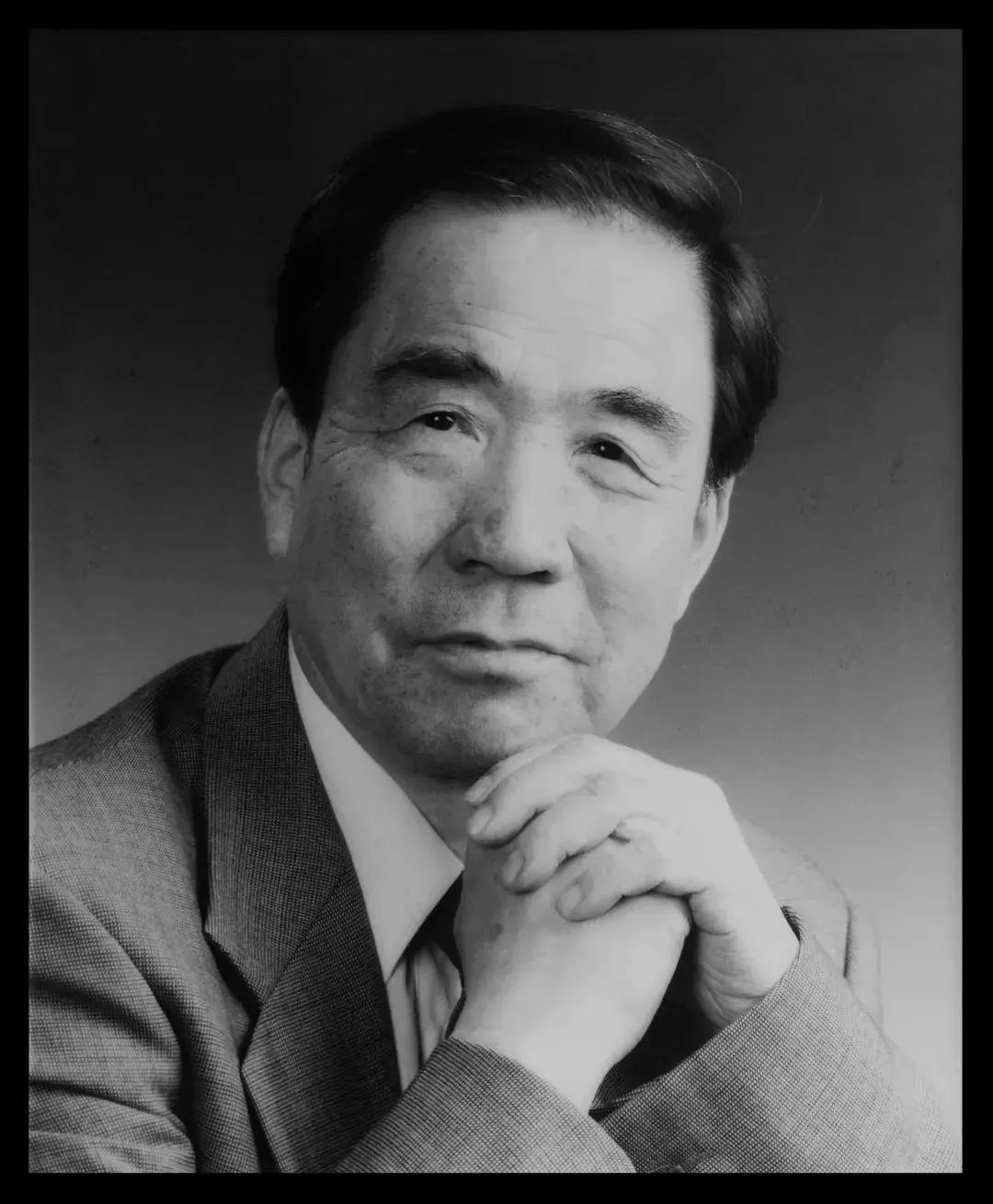
Core Points - The news reports the passing of Yu Benshui, a prominent expert in air defense missile technology in China, who died on August 27, 2025, at the age of 91 [1] - Yu Benshui was a member of the Chinese Academy of Engineering and served as a senior consultant for China Aerospace Science and Industry Corporation [1][2] - He made significant contributions to the development of various air defense missile systems and was recognized with numerous national awards for his work [2][3] Contributions to Air Defense Technology - Yu Benshui was a pioneer in intercepting low-altitude and ultra-low-altitude targets, as well as coastal target missiles and army field air defense missiles [3][4] - He played a crucial role in the development of China's first-generation air defense missiles, contributing to key technologies for intercepting high-speed and maneuvering targets [4] - His leadership in the research of the "near-quick combat method" left a lasting impact on China's aerospace and air defense history [4] - Yu was instrumental in the development of the second-generation air defense missile systems, achieving world-class standards in rapid response and high-integration missile design [4]
欧洲援乌困局:军火输送与经济反噬的双重博弈
Sou Hu Cai Jing· 2025-07-20 22:55
Group 1 - The military aid to Ukraine is revealing deep strategic anxieties within Europe, as countries face funding shortages and conflicting priorities [3][4] - The economic costs of supporting Ukraine are negatively impacting Europe, with natural gas prices rising by 20% and expected economic growth for the EU in 2025 revised down to 1.1% [4][5] - Public opinion in Europe is shifting, with a significant portion of the population supporting peace negotiations, leading to political decisions that reflect this change [5][6] Group 2 - European countries are struggling with the balance between military commitments and economic realities, as seen in Germany's military budget doubling to €8 billion by 2025 while facing domestic financial pressures [3][4] - The reliance on U.S. military support is highlighted, as European defense initiatives may falter without American backing, emphasizing the need for a more autonomous defense strategy [8] - There is a call for Europe to establish a more independent political stance, moving away from merely balancing U.S. and Russian interests to fostering its own diplomatic relations [8]