阿尔茨海默病新药

Search documents
促转化、破壁垒 创新药研发的“北京方案”
Bei Jing Shang Bao· 2026-01-26 16:37
Core Insights - Beijing has achieved significant milestones in the pharmaceutical and health industry, becoming the first city in China with a pharmaceutical health industry exceeding 1 trillion yuan, but still faces challenges in drug development and technology transfer [1] Group 1: AI in Drug Development - AI technology is accelerating the drug development process, significantly shortening the traditional lengthy cycle of over ten years [3] - Beijing has a unique advantage in AI drug development due to its concentration of top talent and advanced research facilities [3][4] - AI also shows potential in optimizing existing drugs through intelligent analysis, enabling new therapeutic uses for old medications [4] Group 2: Collaboration for Innovation - The development of traditional Chinese medicine (TCM) requires collaboration among government, enterprises, academia, and research institutions to leverage Beijing's talent and institutional advantages [6] - Establishing cross-hospital research teams to integrate clinical data can enhance the drug development process and create a standardized clinical database [7] Group 3: Clinical Translation Challenges - There is a critical need to improve the translation of research outcomes into marketable products, particularly in addressing diseases like Alzheimer's [8][9] - Despite advancements in drug development technology, there remains a gap in the final stages of product translation compared to international pharmaceutical companies [8][9] Group 4: Societal Awareness and Support - Increasing societal awareness and understanding of diseases, particularly Alzheimer's, is essential for early intervention and support for drug development [9] - Beijing's strong academic and industrial support, along with favorable policies, positions it to lead in the biopharmaceutical industry and new drug development [9]

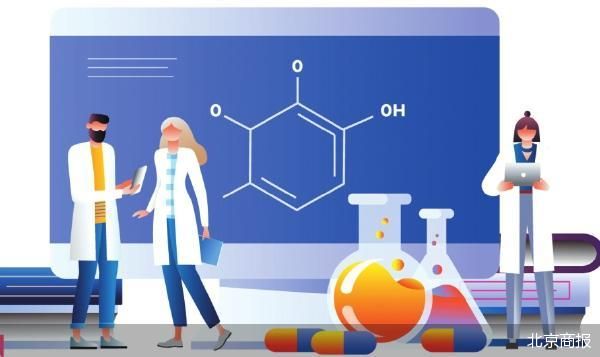
促转化、破壁垒,创新药研发的“北京方案”
Bei Jing Shang Bao· 2026-01-26 14:07
Core Insights - Beijing has become the first city in China with a pharmaceutical and health industry exceeding 10 trillion yuan, achieving significant breakthroughs in innovative drugs and medical devices [1] - The city has implemented three rounds of action plans to accelerate collaborative innovation in the pharmaceutical sector, with new measures introduced for 2024-2025 to support high-quality development of innovative drugs [1] - Despite these advancements, challenges such as the lengthy drug development cycle and high costs remain significant bottlenecks for industry upgrades [1] Group 1: AI in Drug Development - AI technology is accelerating the drug development process, significantly shortening the traditional timeline of over 10 years to bring new drugs to market [4] - Beijing's unique advantages in talent and advanced research facilities position it well for AI-driven pharmaceutical innovation [4] - AI also shows potential in optimizing existing drug combinations, enabling new therapeutic uses for old drugs through data analysis [5] Group 2: Integration of Resources - The development of traditional Chinese medicine (TCM) requires leveraging Beijing's rich resources and talent, necessitating collaboration among government, enterprises, universities, and research institutions [6] - Successful models in TCM innovation often involve deep integration with academic and research institutions, highlighting the need for a collaborative approach [6][7] - Establishing cross-hospital research teams to standardize data collection can enhance the quality of clinical databases and accelerate drug approval processes [8] Group 3: Clinical Translation and Aging Population - The aging population presents new challenges, particularly in addressing diseases like Alzheimer's, which require innovative drug development [9][10] - Despite advancements in drug development technology, there remains a gap in the final translation of research into marketable products compared to international competitors [10] - Enhancing public awareness and understanding of diseases is crucial for early intervention and support for drug development [10][11] Group 4: Policy and Industry Support - Beijing's strong academic and industrial support, along with favorable policies, contribute to its leading position in the biopharmaceutical sector [11] - There is a need for improved strategies to transition laboratory technologies into practical applications, emphasizing collaboration with global pharmaceutical companies [11]
创新药起飞,健康更有保障2025年十大刷屏“健闻”,“相信”正在改写我们的健康答案
Mei Ri Jing Ji Xin Wen· 2025-12-26 14:15
Core Insights - The biopharmaceutical industry in China is experiencing a historic leap in 2025, marked by a record number of innovative drug approvals and a total foreign licensing amount exceeding $100 billion, driven by top-level policy design, industry efforts, and public confidence [1][4][30]. Group 1: Innovative Drugs - As of December 7, 2025, the number of innovative drugs approved for market in China reached 69, a significant increase from 48 in the previous year, indicating a surge in innovative research and development [4]. - The government has emphasized the importance of innovative drugs in healthcare, establishing a pricing mechanism and supporting their development [6][7]. - The approval process for clinical trials of innovative drugs has been expedited, with a new 30-day review system implemented [18][19]. Group 2: Market Transactions - In the first three quarters of 2025, the total amount of foreign licensing transactions in China's pharmaceutical sector reached $920.3 billion, with projections indicating it will surpass $1 trillion by year-end [4][30]. - A notable transaction occurred when 3SBio entered a licensing agreement with Pfizer worth $60.5 billion, highlighting the international recognition of Chinese innovative drugs [12][13]. Group 3: Clinical Advancements - Two new Alzheimer's drugs, Donanemab and Lecanemab, were rapidly approved in China, with the first prescription written in March 2025, showcasing the swift integration of innovative treatments into the market [9][10]. - China's invasive brain-machine interface has entered clinical trials, marking a significant advancement in cutting-edge medical technology [15]. Group 4: Financial Performance - BeiGene reported its first half-year profit in August 2025, indicating a turning point for leading Chinese innovative drug companies as they enter a phase of commercial viability [16][17]. Group 5: Public Health Initiatives - The HPV vaccine was included in the national immunization program, enhancing public health measures and access to preventive care for women [21][22]. - The first version of the commercial health insurance innovative drug directory was released, aiming to improve accessibility to innovative drugs through a dual-channel approach [23][24]. Group 6: Global Positioning - By October 2025, China's total foreign licensing amount for innovative drugs exceeded $100 billion, representing 49% of the global total, surpassing the United States [29][30]. - Despite being the largest supplier of active pharmaceutical ingredients, China's pharmaceutical market remains significantly smaller than that of the U.S., with local companies holding a minimal share of the innovative drug market [28][30]. Group 7: Future Outlook - The combination of policy guidance and industry efforts is expected to accelerate the transition of Chinese innovative drugs from being primarily suppliers of raw materials to becoming influential contributors in the global pharmaceutical landscape [31].

商保补缺口让创新药更可及
Jing Ji Ri Bao· 2025-12-16 23:21
Core Insights - The first edition of the "Commercial Health Insurance Innovative Drug Directory" has been released, including 19 innovative drugs, marking the first time the National Healthcare Security Administration has established a drug list specifically for commercial health insurance outside the basic medical insurance directory [1][2] Group 1: Drug Selection and Purpose - The selection process for the 19 drugs was rigorous, with a pass rate of less than 16% from an initial review of 121 drugs, highlighting the directory's role in filling gaps in medication not covered by basic medical insurance [1] - The 19 drugs include treatments for cancer, rare diseases, and Alzheimer's disease, emphasizing high clinical value and significant patient benefits, which cannot be replaced by drugs in the basic medical insurance directory [1][2] Group 2: Impact on Pharmaceutical Companies - The commercial health insurance directory provides direct incentives for pharmaceutical innovation, with about half of the selected drugs being Class 1 new drugs, including high-cost medications [2] - The integration of basic medical insurance and commercial health insurance funding is expected to enhance the economic support for the development of innovative drugs, addressing the previous dilemma faced by high-value innovative drugs [2] Group 3: Future Developments and Adjustments - The commercial health insurance innovative drug directory will be implemented on January 1, 2026, and will undergo dynamic adjustments based on advancements in medical technology, clinical needs, and the development of commercial health insurance [3] - There is an expectation for insurance companies to actively update their health insurance products based on the commercial health insurance directory, improving coverage levels to meet diverse medication needs of the public [3]
打通高价创新药与患者之间“最后一公里”
经济观察报· 2025-12-10 10:54
Core Viewpoint - The release of the commercial health insurance innovative drug directory addresses the issue of "can it be used" at the hospital level, but the "last mile" between high-priced innovative drugs and patients remains unconnected. To achieve seamless transformation from "policy text" to "patient benefit," three key barriers must be crossed [1][3]. Group 1: Release of the Directory - On December 7, 2025, the National Healthcare Security Administration officially released the first version of the "Commercial Health Insurance Innovative Drug Directory," incorporating 19 high-clinical-value, high-cost innovative drugs into the commercial health insurance payment framework for the first time at the national level [2]. - The directory includes 14 anti-tumor drugs (including all 5 CAR-T therapies available in China), 2 rare disease drugs, and 2 Alzheimer's disease new drugs, aligning with the current claims data of commercial health insurance, where malignant tumors are the most prevalent and costly disease area [2]. Group 2: Policy Support and Challenges - The commercial health insurance innovative drug directory is supported by policies that exempt the listed drugs from self-payment rate assessments, collection of alternative monitored varieties, and DRG payment scope, addressing the challenges hospitals face in using innovative drugs under cost control pressures [3]. - Despite the directory solving the "can it be used" issue, the connection between high-priced innovative drugs and patients still needs to be established, requiring standardization and universalization of the directory [3][4]. Group 3: Standardization and Payment Collaboration - The current directory serves as a guiding list rather than a mandatory coverage requirement for commercial insurance products, necessitating the promotion of core drugs in the directory as standard configurations in commercial health insurance, especially in inclusive "benefit insurance" products [4]. - The basic medical insurance market can leverage its large insured population to negotiate lower drug prices, but the fragmented nature of the commercial health insurance market poses challenges in forming a cohesive payment force to negotiate with pharmaceutical companies [4]. Group 4: Service Integration and Patient Experience - An ideal multi-tiered payment system should achieve seamless integration and instant settlement among basic medical insurance, commercial insurance, and patient out-of-pocket expenses, which currently requires patients to prepay and navigate complex claims processes [5]. - Commercial insurance accounts for only 7.7% of the overall payment for innovative drugs, indicating significant growth potential. Bridging the "last mile" between the 19 innovative drugs in the directory and patients requires coordinated efforts from government and market forces [5].
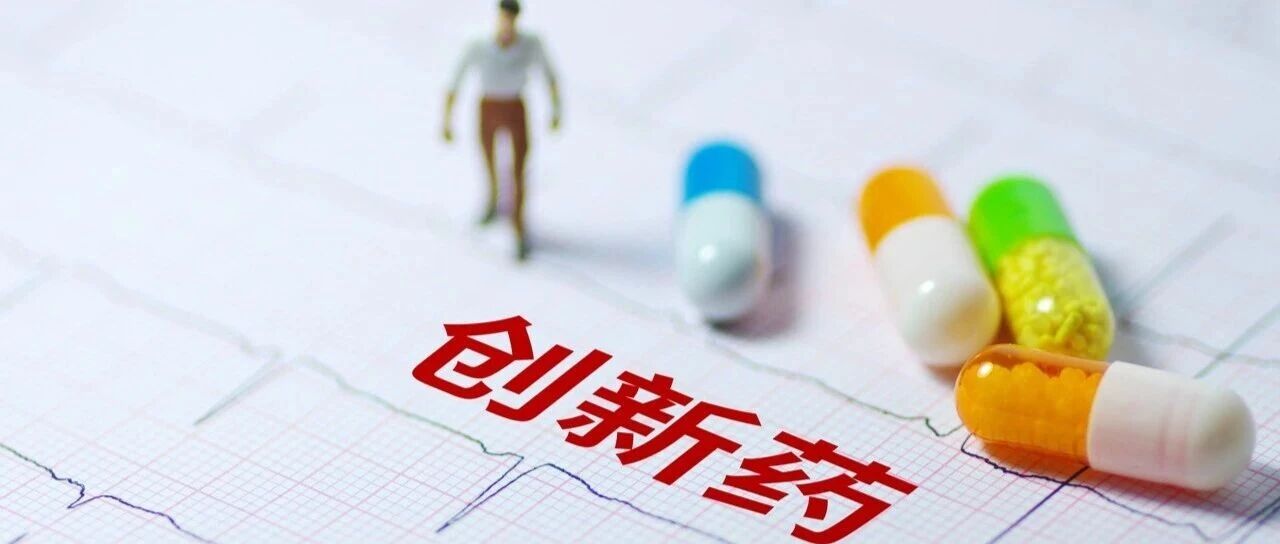
打通高价创新药与患者之间“最后一公里”
Jing Ji Guan Cha Wang· 2025-12-10 10:28
Core Insights - The National Healthcare Security Administration (NHSA) has officially released the first version of the "Commercial Health Insurance Innovative Drug Directory," incorporating 19 high-value, expensive innovative drugs into the commercial health insurance payment framework for the first time [1][2] - The introduction of this directory marks a significant step in improving China's multi-tiered medical security system and transforming the role of commercial insurance [1] Group 1: Directory Overview - The directory includes 19 drugs, of which 14 are anti-tumor drugs (including all 5 CAR-T therapies available in China), 2 are rare disease medications, and 2 are new drugs for Alzheimer's disease [1] - The structure of the directory aligns closely with current claims data from commercial health insurance, as malignant tumors are the most prevalent and costly disease area in China [1] Group 2: Policy Support - The drugs listed in the commercial health insurance innovative drug directory are exempt from self-payment rate assessments, do not fall under centralized procurement monitoring, and are not included in the Diagnosis-Related Group (DRG) payment scope, referred to as the "three exclusions" policy [2] - This policy alleviates the challenges hospitals face in using innovative drugs amid pressures from centralized procurement and DRG payment reforms [2] Group 3: Implementation Challenges - The transition from policy text to patient benefits requires overcoming three key barriers: standardization and inclusivity of the directory, payment coordination and bargaining power, and service fluidity and one-stop experience [2][3][4] - The current directory serves as a guiding list rather than a mandatory coverage requirement for commercial insurance products, necessitating efforts to make core drugs standard features in commercial health insurance, especially in inclusive "benefit insurance" products [3] Group 4: Payment and Service Integration - The commercial health insurance market is fragmented, with varying funding levels and coverage across different regions, which raises uncertainties about its ability to negotiate effectively with pharmaceutical companies [3] - Establishing a regional or national commercial insurance procurement coordination mechanism is essential for negotiating better drug prices and conditions, ensuring financial sustainability of coverage plans [3][4] - The ideal multi-tiered payment system should enable seamless integration and immediate settlement among basic medical insurance, commercial insurance, and out-of-pocket expenses, which currently requires patients to prepay and navigate complex claims processes [4]
医保商保“双目录”发布,释放了哪些关键信号?
Xin Lang Cai Jing· 2025-12-09 09:43
Core Points - The release of the "dual directory" system for basic medical insurance and commercial health insurance marks a new phase in China's healthcare reform, emphasizing precision, differentiation, and collaboration in the medical insurance system [1][15][16] - The updated basic medical insurance directory will be implemented nationwide starting January 1, 2026, adding 114 new drugs, including 50 innovative drugs, while removing 29 drugs that are clinically unavailable or can be better replaced [1][15][16] - The first edition of the commercial health insurance innovative drug directory focuses on 19 high-innovation, high-clinical-value drugs that exceed the basic insurance coverage, including CAR-T cell therapy and treatments for rare diseases [1][15][16] Group 1: Key Signals - Signal 1: Balancing "Basic Protection" and "Promoting Innovation" - The adjustment of the medical insurance drug directory reflects a dual consideration of the sustainability of the insurance fund and fairness in drug access for patients, with a focus on encouraging innovation and optimizing the structure [4][17][19] - The overall success rate of the newly added innovative drugs is 88%, an increase from 76% in 2024, indicating a shift towards strategic purchasing and value-based purchasing in medical insurance [4][17][19] Group 2: Commercial Health Insurance Directory - Signal 2: Addressing the "Beyond Insurance" Drug Dilemma - The commercial health insurance innovative drug directory serves as an upgrade package to meet higher-level medical needs, filling the gap left by basic insurance, which cannot cover all high-value innovative drugs [6][9][20] - The establishment of this directory provides a systematic recommendation of innovative drugs for commercial insurance companies, avoiding confusion and inconsistency in standards [6][9][20] Group 3: Implementation and Coordination - Signal 3: Strengthening System Coordination and Clinical Connection - The implementation of the dual directory requires a comprehensive approach involving information system transitions, hospital management, payment mechanism restructuring, and patient awareness [10][23][24] - The policy mandates a nationwide switch to the new directory by January 1, 2026, with a six-month transition period for drugs removed from the directory to ensure continuity of patient care [10][24][26] - The commercial health insurance directory's drugs will follow similar procurement and usage guidelines as those under basic insurance, facilitating access to innovative treatments [10][27][28]